
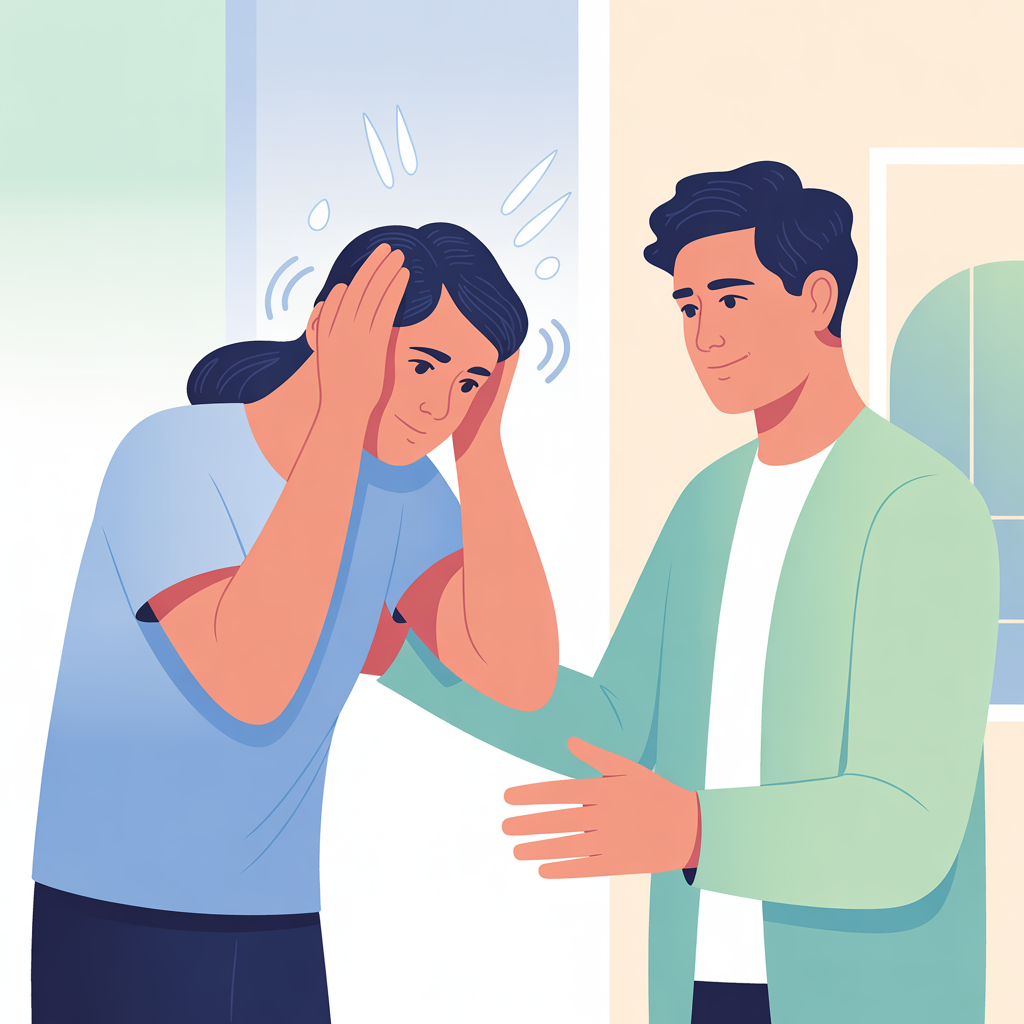
Vasovagal syncope is one of the most common causes of fainting, affecting millions of people worldwide. It occurs when the body overreacts to certain triggers — such as emotional stress, the sight of blood, or prolonged standing — causing a sudden drop in heart rate and blood pressure. This temporary reduction in blood flow to the brain leads to a brief loss of consciousness, commonly known as a vasovagal episode or vasovagal attack.
Although vasovagal syncope is generally not life-threatening, it can be alarming and potentially dangerous if fainting occurs in an unsafe environment. Recognizing the warning signs and symptoms early is crucial for managing the condition and preventing injury. In this article, we break down the 10 most important symptoms of vasovagal syncope, along with its common causes and prevention strategies.
1. Sudden Feeling of Lightheadedness or Dizziness
One of the earliest and most recognizable warning signs of a vasovagal episode is a sudden onset of lightheadedness or dizziness. This occurs because blood pressure drops rapidly, reducing the amount of oxygenated blood reaching the brain.
- The sensation may feel like the room is spinning (vertigo) or like you are about to fall.
- It typically comes on quickly — within seconds to a few minutes before fainting.
- Many individuals describe it as feeling “woozy” or “unsteady on their feet.”
- The dizziness is often worsened by standing up too quickly or being in a hot, crowded environment.
This symptom serves as an important prodromal warning — meaning it signals that a full syncopal episode may be imminent. If you experience sudden dizziness in a triggering situation, it is important to sit or lie down immediately to prevent falling.
2. Nausea and Stomach Discomfort
Nausea is another hallmark pre-syncope symptom that frequently accompanies a vasovagal response. The vagus nerve, which plays a central role in this condition, is deeply connected to the digestive system, which is why gastrointestinal symptoms are so common.
- Patients often report a sudden wave of nausea, sometimes accompanied by an urge to vomit.
- Some individuals experience abdominal cramping or a general sense of stomach unease.
- The nausea may intensify as the syncopal episode approaches and can persist briefly after regaining consciousness.
- In some cases, the discomfort is mild, while in others it can be quite intense and distressing.
This symptom is often one of the first signs that the body’s autonomic nervous system is being overstimulated, making it a key indicator to watch for.
3. Pale or Ashen Skin (Pallor)
A noticeable change in skin color — specifically a sudden pallor or paleness — is a visible and objective sign of an impending vasovagal attack. This occurs as blood vessels in the skin constrict and blood is redirected away from the skin’s surface.
- The skin may turn pale, grayish, or even slightly greenish in tone.
- This paleness is typically most noticeable on the face, lips, and extremities.
- Bystanders often notice the color change before the affected person is fully aware of it.
- The pallor can appear very suddenly, often within seconds of other warning symptoms beginning.
Because pallor is visible to others, it is an important signal for those around a person who may be experiencing a vasovagal episode to react quickly and help the individual to a safe position.
4. Profuse Sweating (Diaphoresis)
Excessive sweating — known medically as diaphoresis — is another common symptom that occurs during the pre-syncope phase of a vasovagal episode. Unlike normal sweating triggered by heat or exercise, this type of sweating is cold and clammy.
- The sweat typically appears suddenly and feels cold and moist to the touch.
- It is most commonly noticed on the forehead, palms of the hands, and the back of the neck.
- The skin may feel both pale and wet simultaneously — a classic combination in vasovagal syncope.
- This symptom is driven by the autonomic nervous system’s response to the drop in blood pressure.
Cold, clammy sweating is frequently described by individuals as one of the most unsettling sensations leading up to a fainting spell, as it often signals that a loss of consciousness is imminent.
5. Blurred or Tunneling Vision
Visual disturbances are a significant pre-syncopal symptom that should never be ignored. As blood flow to the brain decreases, the visual cortex and optic pathways become temporarily impaired, resulting in:
- Blurred vision: Objects may appear out of focus or indistinct.
- Tunnel vision: The peripheral (side) vision fades away, leaving only a narrow central field of view.
- Darkening of vision (graying out): The visual field gradually dims, sometimes described as “a curtain being drawn.”
- Spots or flickering lights: Some individuals report seeing black spots or flashing lights before losing consciousness.
These visual symptoms typically occur in the seconds just before fainting and are a strong indication that the brain is not receiving adequate blood flow. If you notice any of these visual changes, immediately sitting or lying down can sometimes prevent a full syncopal episode.
6. Weakness and Loss of Muscle Tone
Many people experiencing a vasovagal episode report a sudden and overwhelming feeling of physical weakness. This weakness is not simply tiredness — it is a profound loss of strength that can make it difficult or impossible to remain upright.
- Legs may feel like they are “giving way” or turning to “jelly,” making standing nearly impossible.
- Arms may feel heavy and difficult to lift or control.
- The overall body may feel limp, with reduced muscle tone throughout.
- In some cases, this weakness occurs so rapidly that the individual collapses before they can sit down safely.
This symptom directly contributes to the risk of injury during a vasovagal attack, as falling due to sudden muscle weakness can cause head trauma or other physical injuries.
7. Ringing in the Ears (Tinnitus)
A sudden ringing, buzzing, or whooshing sound in the ears — known as tinnitus — can occur during the lead-up to a vasovagal fainting episode. This auditory disturbance is caused by reduced blood flow to the inner ear and auditory processing centers in the brain.
- The ringing may be accompanied by muffled hearing or a sensation of fullness in the ears.
- Some individuals describe hearing their own heartbeat loudly (pulsatile tinnitus).
- Sounds around the individual may seem distant or distorted.
- This symptom can be very brief, lasting only seconds before consciousness is lost.
Like many other pre-syncope symptoms, tinnitus in this context is a sign that the brain and sensory organs are being starved of adequate blood supply.
8. Slow or Irregular Heartbeat (Bradycardia)
At the core of vasovagal syncope is a sudden, abnormal slowing of the heart rate — a condition called bradycardia. This is one of the defining physiological hallmarks of the vasovagal response.
- The heart rate can drop significantly within a very short period, sometimes falling below 40 beats per minute.
- Some individuals are aware of their slowing heart rate and describe a sensation of their heart “skipping a beat” or feeling their pulse become faint.
- Others may feel palpitations — an irregular or unusual fluttering sensation in the chest — before the heart slows dramatically.
- This slowing of the heart, combined with a drop in blood pressure, is what ultimately causes the brain to lose enough blood flow to sustain consciousness.
While this symptom is often not directly felt by the individual (as it progresses too rapidly), it is measurable by medical devices and is a key feature that distinguishes vasovagal syncope from other types of fainting.
9. Brief Loss of Consciousness (Fainting)
The defining symptom of vasovagal syncope is the actual loss of consciousness — commonly referred to as fainting or a syncopal episode. This is the point at which the brain’s blood flow drops below the threshold needed to maintain awareness.
- The loss of consciousness is typically brief, usually lasting from a few seconds to up to one or two minutes.
- During the faint, the body becomes limp and the person collapses to the ground (or slumps if seated).
- The individual is unresponsive and unaware of their surroundings during this period.
- Recovery is usually rapid once the person is in a horizontal position, as blood flow to the brain is restored.
- There is generally no memory of the fainting episode itself.
It is worth noting that lying flat after fainting naturally helps the body restore blood flow to the brain, which is why most people regain consciousness relatively quickly on their own.
10. Post-Syncope Fatigue and Confusion
After a vasovagal episode, individuals commonly experience a period of residual symptoms — known as the post-syncope or post-ictal phase. This recovery period can last from a few minutes to several hours and includes:
- Fatigue and exhaustion: A profound tiredness is common, even after a brief fainting spell. The body has undergone significant physiological stress.
- Confusion or disorientation: Upon regaining consciousness, many individuals feel confused, “foggy,” or unsure of what happened.
- Continued nausea: The nausea experienced before fainting may persist or even worsen immediately after regaining consciousness.
- Headache: Some people develop a mild to moderate headache after the episode.
- Emotional distress: Feelings of embarrassment, anxiety, or fear about fainting again are common psychological aftereffects.
Understanding this recovery phase is important for both the individual and those around them, as pushing to resume normal activity too quickly can increase the risk of a second episode.
Common Causes of Vasovagal Syncope
Vasovagal syncope is triggered when the nervous system overreacts to specific stimuli. The most common causes and triggers include:
- Emotional stress or anxiety: Intense fear, emotional shock, or severe anxiety can activate the vasovagal response.
- Sight of blood or needles: A very common trigger, particularly during medical procedures or blood draws.
- Prolonged standing: Standing for long periods — especially in hot, crowded, or poorly ventilated environments — can lead to pooling of blood in the legs and trigger a vasovagal episode.
- Heat exposure: High temperatures cause blood vessels to dilate, contributing to low blood pressure and syncope.
- Pain or physical injury: Sudden or severe pain can stimulate the vagal nerve and precipitate fainting.
- Straining or physical exertion: Coughing, straining during bowel movements, or intense physical effort can trigger a vagal response in some individuals.
- Dehydration: Insufficient fluid intake reduces blood volume, making the body more susceptible to a drop in blood pressure.
- Medical procedures: Certain procedures, such as blood tests, vaccinations, or dental work, are common triggers.
How to Prevent Vasovagal Syncope
While vasovagal syncope cannot always be completely prevented, there are several effective strategies to reduce the frequency and severity of episodes:
- Stay well-hydrated: Drinking adequate amounts of water throughout the day helps maintain blood volume and blood pressure.
- Avoid known triggers: If you know what triggers your vasovagal episodes, take steps to avoid those situations when possible or prepare appropriately.
- Increase salt intake (with medical guidance): In some cases, increasing dietary salt can help raise blood pressure, but always consult your doctor before making dietary changes.
- Perform counter-pressure maneuvers: When you feel warning symptoms coming on, tensing the muscles in your legs and abdomen can help push blood back up toward the heart and brain. Crossing your legs and squeezing is a simple technique that can sometimes abort a fainting episode.
- Lie down or sit immediately: At the first sign of pre-syncope symptoms, lie down with your legs elevated above the level of your heart to restore blood flow to the brain.
- Avoid prolonged standing: If you must stand for long periods, shift your weight frequently, walk in place, or wear compression stockings to prevent blood from pooling in your legs.
- Eat regular meals: Low blood sugar can contribute to fainting episodes. Avoid skipping meals.
- Manage stress and anxiety: Techniques such as deep breathing, mindfulness, and relaxation training can help reduce the emotional triggers that lead to vasovagal episodes.
- Consult a healthcare provider: If episodes are frequent or significantly impact your quality of life, a doctor can evaluate your condition and recommend an appropriate management plan. Always consult a physician before taking any medications for this condition.
Frequently Asked Questions (FAQ)
Can you die from vasovagal syncope?
In most cases, vasovagal syncope itself is not life-threatening. The fainting episode is brief and the body naturally restores blood flow to the brain once lying down. However, the danger lies in injuries sustained during a fall — such as head trauma — which can be serious. In very rare cases, vasovagal syncope may trigger dangerous heart rhythms in individuals with pre-existing heart conditions, so it is important to get a medical evaluation if you experience recurrent fainting.
What is the difference between vasovagal syncope and a regular faint?
Vasovagal syncope is a type of fainting (syncope), but it specifically refers to fainting caused by the vasovagal reflex — an overreaction of the autonomic nervous system triggered by specific stimuli. Other types of syncope may be caused by heart problems, low blood sugar, or neurological conditions. Vasovagal syncope is the most common form, accounting for the majority of all fainting episodes.
How long does a vasovagal episode last?
The loss of consciousness during a vasovagal episode typically lasts from a few seconds to about 1–2 minutes. Most people regain consciousness relatively quickly once they are in a horizontal position. However, feelings of fatigue, weakness, and nausea can persist for minutes to hours afterward.
Is vasovagal syncope a serious medical condition?
Vasovagal syncope is generally considered a benign (non-dangerous) condition in otherwise healthy individuals. However, it can significantly impact quality of life, and repeated episodes warrant medical evaluation to rule out more serious underlying conditions, particularly cardiac or neurological disorders.
When should I see a doctor about vasovagal syncope?
You should seek medical attention if:
- You experience fainting for the first time and are unsure of the cause.
- You faint while exercising or lying down (these are less typical of vasovagal syncope).
- Fainting episodes are becoming more frequent or severe.
- You sustain an injury during a fainting episode.
- You have a known heart condition or a family history of sudden cardiac events.
- You experience chest pain, shortness of breath, or palpitations alongside fainting.
Can vasovagal syncope be triggered by anxiety?
Yes. Emotional stress, fear, and anxiety are among the most common triggers of vasovagal syncope. The emotional response stimulates the vagus nerve, leading to a drop in heart rate and blood pressure. Managing anxiety through relaxation techniques and stress reduction strategies can help reduce the frequency of vasovagal episodes.
References: