
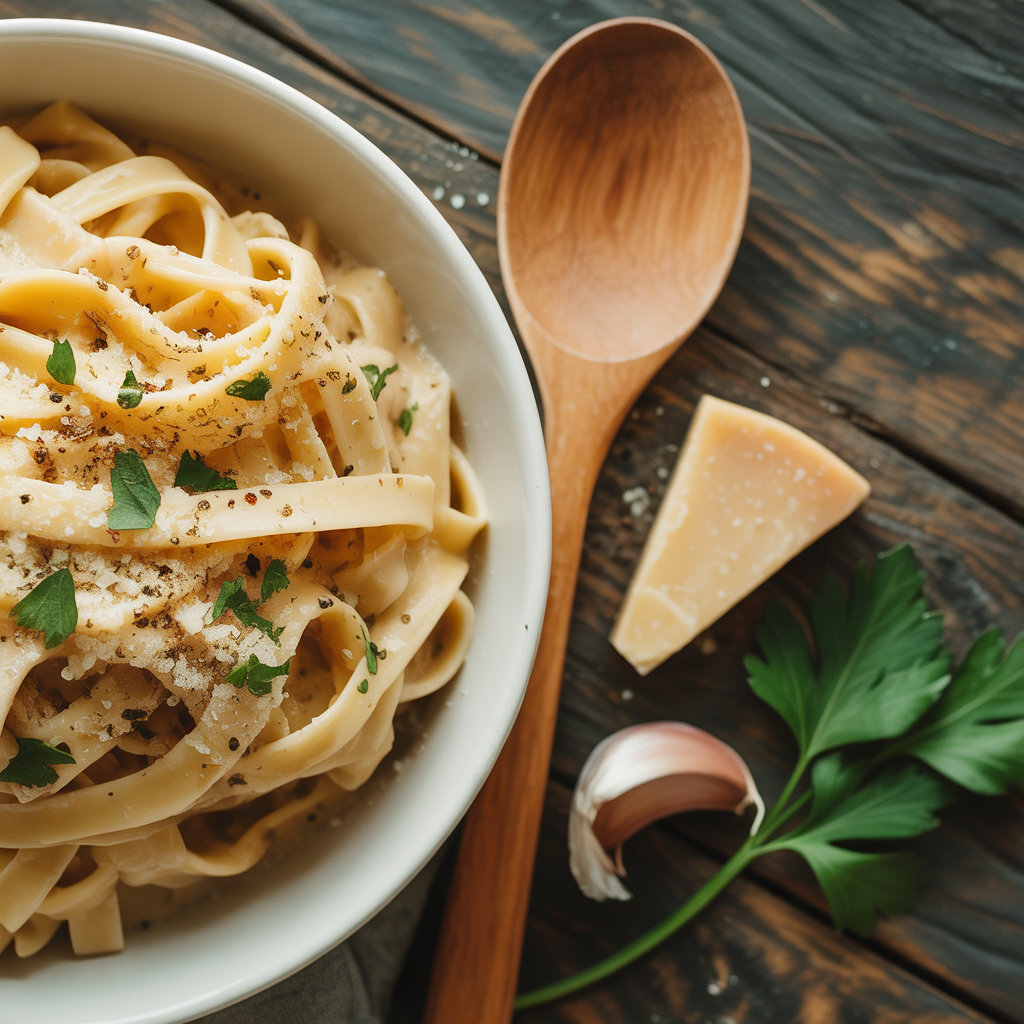
If you’ve ever tasted a rich, velvety Alfredo sauce at an Italian restaurant and wondered how to recreate that magic at home, you’re in the right place. This guide will walk you through everything you need to know about making a homemade Alfredo sauce that is creamy, indulgent, and surprisingly simple to prepare. No jars, no powders — just real ingredients and real flavor.
What Is Alfredo Sauce?
Alfredo sauce is a classic Italian-American pasta sauce made primarily from butter, heavy cream, and Parmesan cheese. It originated in Rome, Italy, where chef Alfredo di Lelio created a simple dish of pasta tossed with butter and cheese. As the recipe traveled to America, cream was added to create the luscious, thick version we know and love today.
The result is a sauce that clings beautifully to pasta, coats every strand with rich flavor, and delivers a restaurant-quality dining experience right at your kitchen table.
Why Make Homemade Alfredo Sauce?
You might be tempted to grab a jar of Alfredo sauce from the grocery store — but once you make it fresh, you’ll never go back. Here’s why homemade beats store-bought every time:
- Better flavor: Fresh ingredients make a noticeable difference. Real Parmesan cheese has a depth of flavor that pre-packaged sauces simply cannot match.
- No preservatives: Homemade sauce contains no artificial additives, thickeners, or preservatives.
- Ready in 15 minutes: It’s faster than driving to the store.
- Fully customizable: Adjust the thickness, seasoning, and richness to your personal preference.
- Cost-effective: A handful of pantry staples can make enough sauce for a full family meal.
Ingredients You’ll Need
The beauty of this recipe lies in its simplicity. You only need a few high-quality ingredients to make the best homemade Alfredo sauce:
- ½ cup (1 stick) unsalted butter — Use real butter, not margarine, for the richest flavor.
- 2 cups heavy whipping cream — This is the base of the sauce and gives it that luxurious consistency.
- 2–3 cloves garlic, minced — Adds a savory, aromatic depth.
- 2 cups freshly grated Parmesan cheese — Always use freshly grated, never the powdered kind from a can. It melts better and tastes far superior.
- Salt and black pepper to taste — Season generously.
- Fresh parsley (optional) — For garnish and a pop of color.
- Pinch of nutmeg (optional) — A traditional touch that adds warmth and complexity.
Equipment Needed
- Large skillet or saucepan
- Wooden spoon or silicone spatula
- Cheese grater
- Measuring cups and spoons
Step-by-Step Instructions
Step 1: Melt the Butter
Place a large skillet over medium heat. Add the butter and let it melt completely. Swirl the pan gently to coat the surface evenly. Do not let the butter brown — you want a gentle melt, not a sizzle.
Step 2: Sauté the Garlic
Add the minced garlic to the melted butter. Cook for about 1–2 minutes, stirring constantly, until the garlic is fragrant and softened. Be careful not to burn it, as burnt garlic will make the sauce bitter.
Step 3: Add the Heavy Cream
Pour in the heavy whipping cream slowly, stirring as you go. Increase the heat slightly to bring the cream to a gentle simmer. Let it cook for 5–7 minutes, stirring occasionally, until the cream begins to thicken slightly. You’ll notice it coats the back of a spoon — that’s the sign it’s ready for the next step.
Step 4: Add the Parmesan Cheese
Reduce the heat to low. Add the freshly grated Parmesan cheese a handful at a time, stirring continuously between each addition. This prevents clumping and ensures the cheese melts smoothly into the sauce. Continue until all the cheese is fully incorporated and the sauce is smooth and creamy.
Step 5: Season and Adjust
Season with salt, black pepper, and a pinch of nutmeg if desired. Taste and adjust to your preference. If the sauce seems too thick, add a splash of pasta cooking water or a little more cream to loosen it. If it’s too thin, let it simmer a couple more minutes on low heat.
Step 6: Toss with Pasta and Serve
Add freshly cooked pasta directly to the sauce and toss well to coat. Serve immediately, garnished with extra Parmesan, freshly cracked black pepper, and chopped parsley if desired.
Tips for the Best Alfredo Sauce
Follow these expert tips to ensure your Alfredo sauce turns out perfect every single time:
- Use room temperature ingredients: Cold butter and cold cream can cause the sauce to separate. Let them sit out for a few minutes before cooking.
- Grate your own Parmesan: Pre-shredded cheese often contains anti-caking agents that prevent it from melting smoothly. Always grate from a block.
- Don’t overheat: High heat can cause the cream to curdle and the cheese to clump. Always keep the heat at medium to low.
- Reserve pasta water: The starchy water from cooking pasta is liquid gold. Add it to the sauce a tablespoon at a time to adjust consistency and help the sauce cling to the pasta.
- Serve immediately: Alfredo sauce is best enjoyed fresh. It thickens significantly as it cools, so don’t let it sit for too long before serving.
- Use the right pasta: Fettuccine is the classic choice, but this sauce also works beautifully with penne, rigatoni, linguine, or even gnocchi.
Common Mistakes to Avoid
- Using pre-grated Parmesan from a can: This will result in a grainy, clumpy sauce that lacks flavor.
- Boiling the cream on high heat: This can cause it to break and curdle. Always maintain a gentle simmer.
- Adding cold cheese to hot liquid: This can shock the cheese and cause it to seize up. Add cheese gradually on low heat.
- Skipping the garlic: While optional, garlic adds incredible depth and is worth the extra step.
Variations and Add-Ins
One of the best things about homemade Alfredo sauce is how versatile it is. Here are some delicious ways to switch it up:
Chicken Alfredo
Season and pan-sear chicken breasts or thighs until golden brown and cooked through. Slice and place on top of your Alfredo pasta for a hearty, protein-packed meal.
Shrimp Alfredo
Sauté shrimp in butter with garlic and a squeeze of lemon, then toss with the Alfredo sauce and pasta. Light, elegant, and absolutely delicious.
Vegetable Alfredo
Add roasted broccoli, sautéed mushrooms, sun-dried tomatoes, or baby spinach to make a vegetarian-friendly version that’s packed with nutrients.
Bacon or Pancetta Alfredo
Crispy bacon or pancetta adds a smoky, salty contrast that takes the sauce to the next level. Simply cook and crumble over the finished dish.
Lighter Alfredo
Swap the heavy cream for half-and-half or evaporated milk for a lighter version. The sauce will be less rich but still creamy and satisfying.
Spicy Alfredo
Add a pinch of red pepper flakes or a drizzle of hot sauce to give the sauce a spicy kick that pairs beautifully with the richness of the cheese and cream.
How to Store Leftover Alfredo Sauce
If you have leftover sauce, store it properly to maintain quality:
- Refrigerator: Store in an airtight container for up to 3–4 days.
- Freezer: Alfredo sauce can be frozen, but cream-based sauces tend to separate upon thawing. If freezing, reheat slowly and stir vigorously to recombine. Store for up to 1 month.
How to Reheat Alfredo Sauce
Reheat gently on the stovetop over low heat, adding a splash of cream or milk to loosen it back up. Stir frequently. Avoid using high heat or the microwave directly, as this can cause the sauce to break or become grainy.
Frequently Asked Questions
Can I make Alfredo sauce without cream?
Yes! You can use cream cheese, Greek yogurt, or a combination of milk and flour to create a lighter version of Alfredo sauce. However, for the most authentic and restaurant-style result, heavy cream is highly recommended.
Why is my Alfredo sauce grainy?
Grainy Alfredo sauce is usually caused by using pre-packaged shredded cheese that doesn’t melt properly, or by overheating the sauce. Always use freshly grated Parmesan and keep the heat low when adding cheese.
Can I use milk instead of heavy cream?
You can substitute whole milk, but the sauce will be thinner and less rich. To compensate, you can add a tablespoon of flour or cream cheese to help thicken it.
What pasta works best with Alfredo sauce?
Fettuccine is the most traditional choice and works wonderfully with thick, creamy sauces. But penne, rigatoni, linguine, tagliatelle, and even gnocchi are all excellent options.
Is Alfredo sauce gluten-free?
The sauce itself is naturally gluten-free. Just pair it with gluten-free pasta to keep the entire dish gluten-free.
Nutritional Information (Approximate per serving)
The following is an estimate based on the recipe making 4 servings:
- Calories: 480–550 kcal
- Fat: 45g
- Saturated Fat: 28g
- Carbohydrates: 4g
- Protein: 14g
- Sodium: 560mg
Note: Nutritional values will vary based on specific ingredients and portion sizes used.
Serving Suggestions
Make your Alfredo dinner feel like a full restaurant experience with these pairing ideas:
- Garlic bread: Perfect for mopping up every last drop of sauce.
- Caesar salad: A crisp, refreshing contrast to the richness of the pasta.
- Steamed or roasted vegetables: Broccoli, asparagus, or green beans complement Alfredo beautifully.
- White wine: A dry white wine like Pinot Grigio or Chardonnay pairs wonderfully with cream-based pasta.
- Tiramisu for dessert: Keep the Italian theme going with a classic Italian dessert.
Final Thoughts
Homemade Alfredo sauce is one of those recipes that sounds impressive but is shockingly easy to make. With just a few quality ingredients and about 15 minutes of your time, you can create a sauce that rivals any fine Italian restaurant. Whether you keep it classic with fettuccine, jazz it up with chicken or shrimp, or go vegetarian with roasted vegetables, this sauce is guaranteed to become a weeknight staple in your kitchen.
So skip the jar, grab a block of real Parmesan, and treat yourself to the ultimate comfort food. Once you taste freshly made Alfredo sauce, there truly is no going back.