
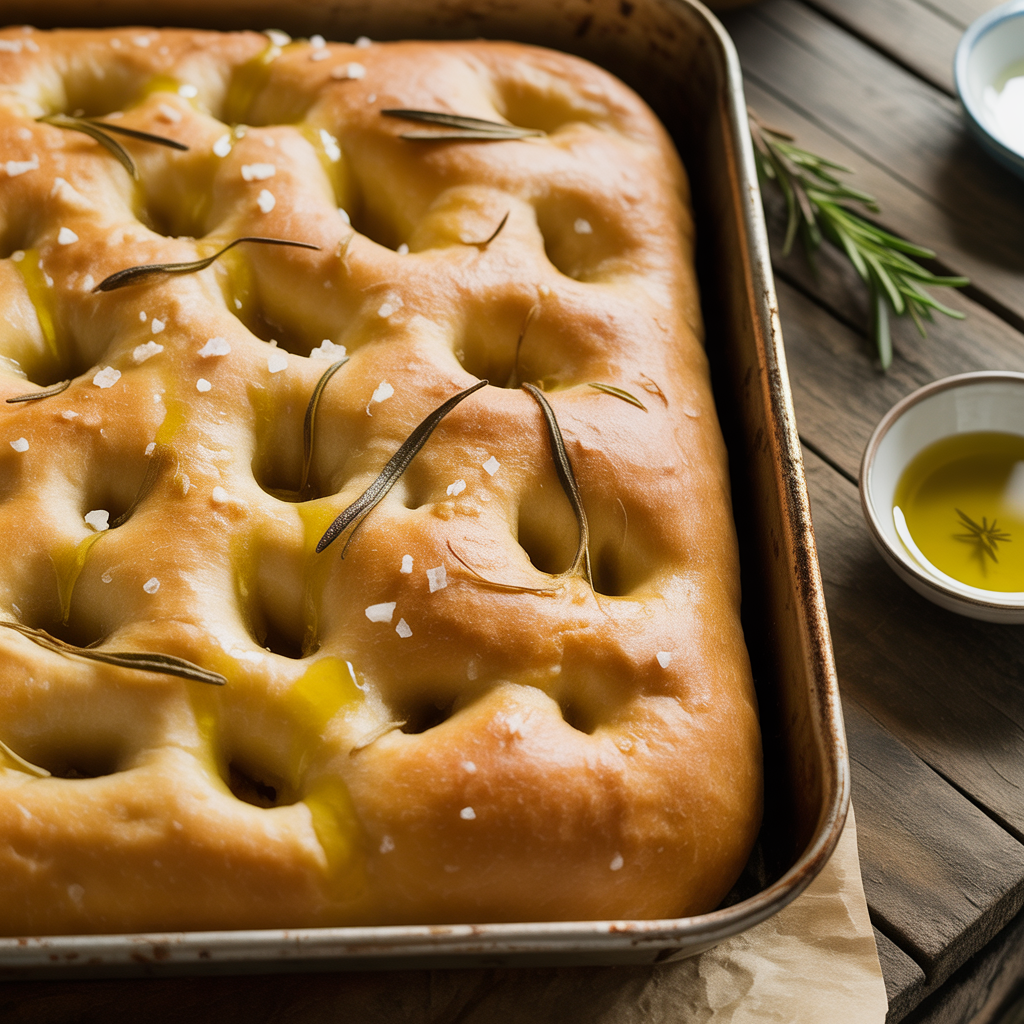
If you’ve ever dreamed of pulling a golden, pillowy loaf of bread out of the oven — one that crackles at the edges, glistens with olive oil, and smells like a bakery in Italy — then this focaccia bread recipe is exactly what you need. Whether you’re a complete beginner or a seasoned home baker, focaccia is one of the most forgiving and rewarding breads you can make from scratch.
In this guide, you’ll learn everything: the ingredients, step-by-step instructions, tips for getting that signature fluffy interior and crispy bottom, creative topping ideas, and answers to the most common focaccia questions. Let’s get baking!
What Is Focaccia Bread?
Focaccia is a flat, oven-baked Italian bread that is similar in texture to pizza dough. It originated in the Liguria region of Italy and has been made for centuries. The word “focaccia” comes from the Latin word focus, meaning “hearth” — a nod to its ancient origins of being baked directly on hot coals or stones.
What makes focaccia special is its distinctive dimpled surface, generous drizzle of extra-virgin olive oil, and versatile flavor profile. It can be served as an appetizer, a sandwich bread, a side dish with soup, or even eaten on its own as a snack.
Why You’ll Love This Focaccia Recipe
- No special equipment needed — just a bowl, a baking pan, and your hands.
- Incredibly forgiving dough — even if you’re new to yeast breads, this recipe is hard to mess up.
- Fluffy AND crispy — the inside is light and airy while the bottom and edges are perfectly golden and crisp.
- Customizable toppings — rosemary and sea salt, olives, tomatoes, caramelized onions — the options are endless.
- Make-ahead friendly — the dough can rest in the fridge overnight for even better flavor.
Ingredients You’ll Need
This recipe makes one 9×13 inch pan of focaccia, serving approximately 12 slices.
For the Dough:
- 4 cups (480g) all-purpose flour or bread flour
- 2 teaspoons (7g) instant yeast or active dry yeast
- 2 teaspoons (10g) fine sea salt
- 2 teaspoons granulated sugar
- 1 ¾ cups (420ml) warm water (around 100–110°F / 38–43°C)
- 3 tablespoons extra-virgin olive oil (for the dough)
For the Pan and Topping:
- ¼ cup (60ml) extra-virgin olive oil (for the pan and top)
- 1–2 teaspoons flaky sea salt (like Maldon)
- 2–3 sprigs fresh rosemary (leaves only)
Optional Toppings:
- Sliced cherry tomatoes
- Pitted Kalamata olives
- Thinly sliced red onion
- Roasted garlic cloves
- Sliced bell peppers
- Caramelized onions
- Parmesan or feta cheese
Equipment Needed
- Large mixing bowl
- 9×13 inch (23×33 cm) rimmed baking pan or a 10×14 inch pan
- Measuring cups and spoons
- Kitchen scale (recommended for accuracy)
- Plastic wrap or clean kitchen towel
- Wire cooling rack
How to Make Focaccia Bread: Step-by-Step Instructions
Step 1: Activate the Yeast
If using active dry yeast, combine the warm water, sugar, and yeast in a large bowl. Stir gently and let it sit for 5–10 minutes until the mixture becomes foamy and bubbly. This confirms the yeast is alive and active.
If using instant yeast, you can skip this step and mix everything together directly since instant yeast doesn’t need to be activated first.
Step 2: Mix the Dough
Add the flour, salt, and 3 tablespoons of olive oil to the yeast mixture. Stir with a wooden spoon or rubber spatula until a shaggy, sticky dough forms. Do not knead — this is a no-knead focaccia recipe! The dough will look rough and sticky at this stage, and that’s completely normal.
Step 3: First Rise
Cover the bowl with plastic wrap or a damp kitchen towel. Let the dough rise at room temperature for 1 to 2 hours, or until it has roughly doubled in size. For best results and deeper flavor, you can also let it rise in the refrigerator for 8 to 24 hours (cold fermentation). The cold method is highly recommended if you have the time.
Step 4: Prepare the Baking Pan
Pour about 3–4 tablespoons of olive oil into your 9×13 inch baking pan and use your hands or a pastry brush to coat the bottom and sides generously. Don’t be shy with the oil — this is what creates that beautiful crispy bottom!
Step 5: Transfer and Stretch the Dough
Scrape the risen dough out of the bowl and into the oiled pan. Using your fingers, gently stretch the dough toward the edges of the pan. If it springs back and resists stretching, let it rest for 10 minutes and try again — the gluten needs time to relax.
Step 6: Second Rise
Loosely cover the pan with plastic wrap or a clean towel and let the dough rest for another 45 minutes to 1 hour at room temperature until it puffs up noticeably. This second rise is key to achieving that light, airy texture.
Step 7: Preheat the Oven
While the dough is doing its second rise, preheat your oven to 425°F (220°C). Make sure the oven is fully preheated before baking for the best results.
Step 8: Dimple the Dough
This is the most satisfying step! Drizzle an additional tablespoon or two of olive oil over the top of the dough. Then, with oiled fingers, press firmly into the dough to create deep dimples all over the surface. Don’t be gentle — really push your fingers in almost all the way to the bottom of the pan. These dimples are iconic to focaccia and help the olive oil pool beautifully on the surface.
Step 9: Add Toppings
Sprinkle the top generously with flaky sea salt and scatter fresh rosemary leaves across the surface. Add any additional toppings of your choice at this point, pressing them gently into the dimples.
Step 10: Bake
Place the pan in the preheated oven and bake for 20–25 minutes, until the top is deep golden brown and the edges are crispy. The internal temperature should reach about 190–200°F (88–93°C). Every oven is different, so start checking at the 20-minute mark.
Step 11: Cool and Serve
Remove the focaccia from the oven and let it cool in the pan for 5 minutes. Then use a spatula to lift it out and transfer to a wire rack to prevent the bottom from getting soggy. Let it cool for at least 10–15 minutes before slicing — though we completely understand if you can’t wait that long!
Tips for the Best Focaccia Every Time
Use Plenty of Olive Oil
The number one mistake people make with focaccia is not using enough olive oil. The oil is what gives focaccia its signature flavor, crispy bottom, and moist interior. Use a good quality extra-virgin olive oil — you’ll taste the difference.
Don’t Skip the Second Rise
That second rest in the pan is crucial for building up the light, bubbly texture inside the bread. Rushing it will result in a denser focaccia.
Cold Fermentation = Better Flavor
If you plan ahead, letting the dough cold-ferment in the refrigerator overnight (up to 24 hours) develops a much more complex, slightly tangy flavor. Simply cover the bowl tightly and place it in the fridge after mixing. The next day, take it out, let it come to room temperature for 30 minutes, then proceed with the recipe.
Use the Right Pan
A light-colored aluminum pan works best because it heats evenly and promotes browning without burning. Dark pans can cause the bottom to over-brown too quickly. A quarter sheet pan (9×13 inches) is the ideal size for this recipe.
Dimple Deeply and Fearlessly
Be aggressive when making the dimples! If your dimples are too shallow, they’ll puff up and disappear during baking. Push firmly with oiled fingers to make deep, dramatic indentations.
Add Toppings Wisely
Herbs like rosemary go on top before baking and infuse the oil beautifully. However, delicate toppings like fresh basil or arugula should be added after baking to prevent burning.
Focaccia Topping Ideas
One of the most exciting things about focaccia is how versatile it is. Here are some delicious topping combinations to try:
Classic Italian
Rosemary, flaky sea salt, and extra-virgin olive oil. Simple, timeless, and absolutely delicious.
Mediterranean
Kalamata olives, sliced red onion, cherry tomatoes, and oregano. Drizzle with olive oil and top with crumbled feta after baking.
Caramelized Onion and Thyme
Slow-cooked caramelized onions piled on top with fresh thyme leaves and a sprinkle of flaky salt. Sweet and savory perfection.
Garlic and Parmesan
Roasted garlic cloves pressed into the dimples, topped with shredded Parmesan and fresh parsley after baking.
Sun-Dried Tomato and Basil
Chopped sun-dried tomatoes pressed into the dough, with fresh basil leaves added after baking. Perfect with a drizzle of balsamic glaze.
Sweet Focaccia
Yes, focaccia can be sweet! Try topping with sliced grapes, honey, walnuts, and a pinch of sea salt for a dessert-style focaccia (known as focaccia all’uva in Tuscany).
How to Serve Focaccia Bread
Focaccia is incredibly versatile when it comes to serving:
- As a side dish — Serve alongside soups, stews, pasta, or salads.
- As sandwich bread — Slice it horizontally and fill it with meats, cheeses, and vegetables for an incredible sandwich.
- As an appetizer — Cut into squares and serve with olive oil for dipping or alongside antipasto platters.
- For breakfast or brunch — Toast leftover slices and top with eggs, avocado, or ricotta cheese.
- As a pizza base — Use the focaccia as a base for a thick-crust pizza-style dish.
Storing and Reheating Focaccia
At Room Temperature
Store cooled focaccia wrapped in aluminum foil or in an airtight container at room temperature for up to 2 days. Avoid refrigerating it as the cold will make it stale faster.
Freezing
Focaccia freezes beautifully. Cut it into individual portions, wrap tightly in plastic wrap and then in foil, and freeze for up to 3 months. Thaw at room temperature or reheat directly from frozen.
Reheating
To revive leftover focaccia, place it in a 375°F (190°C) oven for 5–10 minutes until warmed through and the crust is crispy again. You can also reheat slices in a dry skillet over medium heat for a couple of minutes per side. Avoid microwaving if possible, as it makes the bread soft and chewy rather than crispy.
Common Focaccia Questions (FAQ)
Can I use whole wheat flour?
Yes, but we recommend using a blend of 50% whole wheat and 50% all-purpose flour. Using 100% whole wheat will result in a denser, heavier focaccia. You may also need to add a little extra water since whole wheat flour absorbs more liquid.
My dough is very sticky — is that normal?
Absolutely! Focaccia dough is supposed to be very wet and sticky. This high hydration is what creates the light, open crumb. Resist the urge to add more flour. Instead, keep your hands and tools oiled when handling the dough.
Can I make focaccia without yeast?
Traditional focaccia relies on yeast for its rise and flavor. However, you can make a quick, no-yeast version using baking powder instead — the result will be more like a savory quick bread or flatbread than true focaccia, but it can still be delicious in a pinch.
Why is my focaccia dense and not fluffy?
Dense focaccia is usually caused by one of these issues: the yeast was old or dead, the water was too hot and killed the yeast, the dough didn’t rise long enough, or not enough olive oil was used. Make sure your yeast is fresh, your water is warm (not hot), and you give the dough plenty of time to rise.
Can I make the dough ahead of time?
Yes! This is actually encouraged. After mixing the dough, cover and refrigerate it for up to 24 hours. The slow, cold fermentation develops incredible flavor. When ready to bake, proceed with the stretching and second rise steps, allowing extra time (60–90 minutes) since the dough will be cold.
What if I don’t have a 9×13 inch pan?
You can use any similarly-sized baking pan. A round cake pan, a cast iron skillet, or even a quarter sheet pan all work well. The thickness will vary slightly depending on the pan size, so adjust baking time accordingly.
Is focaccia bread vegan?
Yes! This focaccia recipe is naturally vegan — it contains no eggs, dairy, or animal products. Just make sure your toppings are also vegan if needed.
Focaccia Bread Nutrition Information
The following is an approximate nutrition breakdown per slice (based on 12 slices from one 9×13 pan with classic rosemary and sea salt topping):
- Calories: 210 kcal
- Carbohydrates: 32g
- Protein: 5g
- Fat: 7g
- Saturated Fat: 1g
- Sodium: 390mg
- Fiber: 1g
Note: Nutrition values are estimates and will vary based on specific ingredients and toppings used.
Quick Recipe Summary
- Prep Time: 15 minutes
- Rise Time: 2–3 hours (or overnight)
- Bake Time: 20–25 minutes
- Total Time: About 3 hours (or up to 24 hours with cold fermentation)
- Servings: 12 slices
- Difficulty: Easy
Final Thoughts
Homemade focaccia bread is one of those magical recipes that looks and tastes incredibly impressive but is surprisingly simple to make. With just a handful of pantry staples, a little patience, and a generous hand with the olive oil, you can create a loaf that rivals anything you’d find at an Italian bakery.
Whether you keep it classic with just rosemary and sea salt, or you pile on the toppings and get creative, this focaccia recipe will quickly become a staple in your kitchen. Bake it for dinner parties, weekend brunches, meal prep, or just because the house smells amazing when it’s baking.
Now go preheat that oven — your perfect focaccia is waiting!