
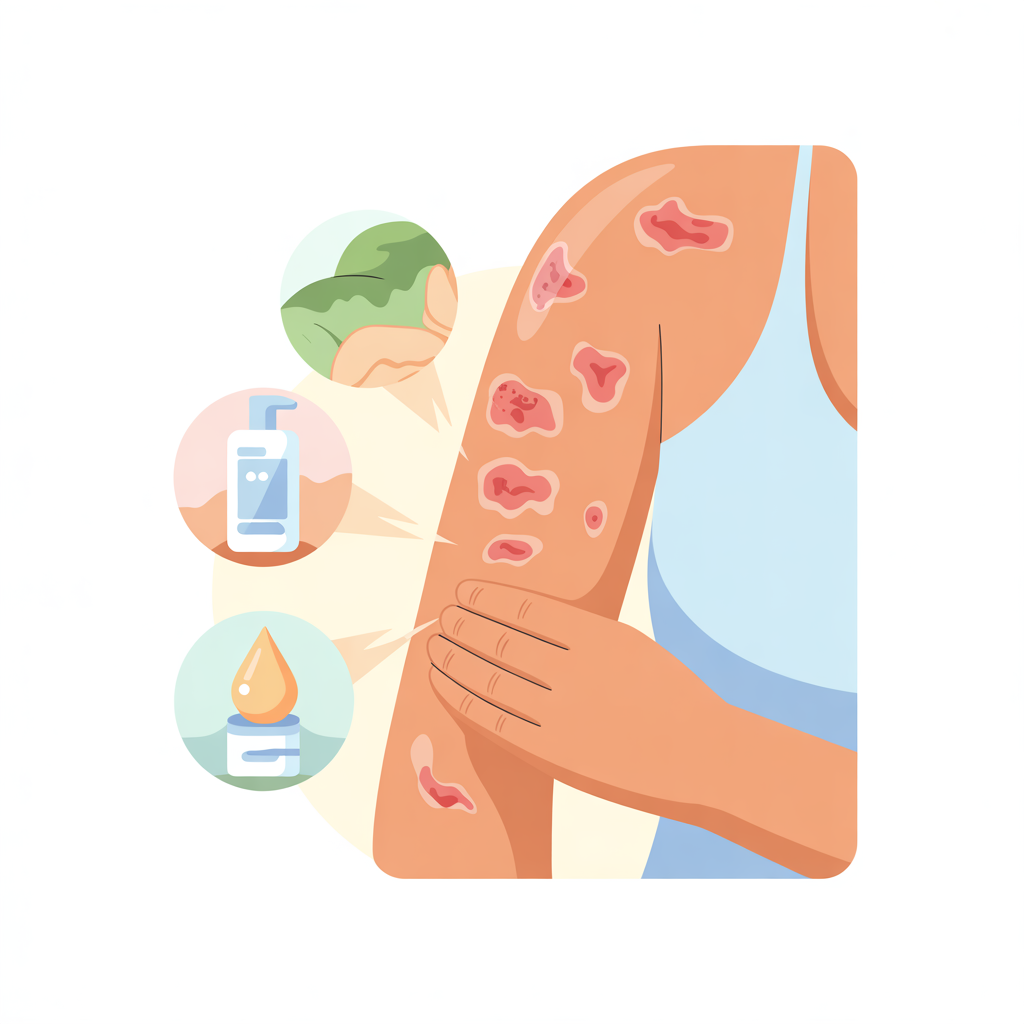
Atopic dermatitis, commonly known as eczema, is a chronic inflammatory skin condition that affects millions of people worldwide — from infants to adults. If you’ve ever wondered “what is eczema?” or “what does eczema look like?”, you’re not alone. This condition is characterized by a wide range of symptoms that can vary in severity and location on the body. Understanding these symptoms early is crucial for managing the condition and improving quality of life. Below, we outline the 12 most common symptoms of atopic dermatitis so you can recognize them and seek appropriate medical guidance.
1. Intense Itching (Pruritus)
One of the hallmark symptoms of eczema is severe, persistent itching, medically referred to as pruritus. This itching is often the first and most distressing sign of atopic dermatitis.
- The itch can range from mild to unbearable, often worsening at night, disrupting sleep.
- Scratching the skin provides temporary relief but typically worsens the condition, leading to a cycle known as the “itch-scratch cycle.”
- In children, intense itching can cause significant irritability and restlessness.
- The sensation may be triggered by sweat, heat, certain fabrics, or allergens.
Managing the urge to scratch is one of the most challenging aspects of living with eczema, and it is essential to break this cycle to prevent further skin damage.
2. Dry, Sensitive Skin
People with atopic dermatitis almost universally experience chronically dry skin, even in areas that are not visibly inflamed. This dryness is a direct result of a compromised skin barrier, which fails to retain adequate moisture.
- The skin may feel rough, tight, or flaky to the touch.
- Dry skin is often most noticeable after bathing, during cold weather, or in low-humidity environments.
- Even areas of the body that don’t show an active rash can feel parched and sensitive.
- This increased sensitivity means the skin reacts more strongly to soaps, detergents, perfumes, and other irritants.
Maintaining consistent skin hydration through regular moisturizing is a cornerstone of managing eczema-related dryness.
3. Red to Brownish-Gray Patches (Eczema Rash)
A visible eczema rash is one of the most recognizable signs of atopic dermatitis. The appearance of the rash can differ depending on skin tone and the stage of the flare-up.
- On lighter skin tones, patches typically appear red or pink.
- On darker skin tones, the rash may appear brownish, grayish, or purplish, making it sometimes harder to identify as eczema.
- Patches are commonly found on the face, neck, hands, wrists, behind the knees, and eczema on arms — particularly the inner elbows.
- During chronic stages, the affected areas may turn leathery and darkened due to repeated scratching.
If you’re searching for eczema pictures online to compare, keep in mind that the rash can look very different between individuals, making professional diagnosis important.
4. Small, Raised Bumps That May Weep Fluid
During an active eczema flare, small raised bumps or vesicles may appear on the skin. These are a sign of acute inflammation.
- The bumps may be fluid-filled and can rupture when scratched, leaking a clear or yellowish fluid.
- After weeping, the skin may form a crust or scab, which is a sign the skin is attempting to heal.
- Weeping skin increases the risk of secondary bacterial infections, as the broken skin barrier allows pathogens to enter.
- This symptom is more commonly seen in acute flare-ups rather than the chronic phase of the condition.
Any sign of weeping, crusting, or increased warmth around the affected area should be evaluated by a healthcare professional promptly.
5. Thickened, Cracked, or Scaly Skin
In individuals who have had eczema for a prolonged period, the skin may undergo structural changes, resulting in thickened, leathery, or scaly patches. This process is called lichenification.
- Lichenification occurs as a result of chronic scratching and rubbing, causing the skin to thicken as a protective response.
- The skin surface may appear to have exaggerated skin lines or a rough, bark-like texture.
- Cracks or fissures in the skin can be painful and prone to bleeding, particularly on the hands and feet.
- Scaly skin may flake off, resembling dandruff in areas like the scalp or eyebrows.
6. Swelling and Inflammation
Atopic dermatitis triggers an immune response that leads to visible inflammation and swelling of the affected skin areas.
- The inflamed skin may feel warm or hot to the touch.
- Swelling is most noticeable during acute flare-ups and may be accompanied by redness and tightness.
- In severe cases, inflammation around the eyes and eyelids can cause puffiness and discomfort.
- Repeated inflammation over time can alter skin pigmentation, leading to hyperpigmentation or hypopigmentation in affected areas.
7. Raw, Swollen Skin From Scratching
The continuous itch-scratch cycle associated with eczema often results in skin that becomes visibly raw, broken, and swollen.
- Broken skin is not only painful but also acts as an open gateway for bacteria and viruses, increasing infection risk.
- In children, parents may notice scratch marks, bleeding, or skin tears on their child’s skin after sleep.
- The raw areas are especially prone to secondary infections caused by Staphylococcus aureus bacteria.
- Infections can worsen the eczema flare and may require medical attention.
8. Skin Discoloration (Hyperpigmentation or Hypopigmentation)
Over time, repeated flare-ups and inflammation can cause changes in skin color in affected areas.
- Hyperpigmentation (darkening of the skin) is common in areas that have been repeatedly scratched or inflamed.
- Hypopigmentation (lightening of the skin) may occur after inflammation resolves, especially in individuals with medium to dark skin tones.
- These color changes can be temporary or long-lasting, and they are particularly noticeable in people with darker complexions.
- Skin discoloration often causes significant psychological distress, affecting self-esteem and confidence.
9. Skin Infections (Secondary Infections)
Due to the compromised skin barrier in atopic dermatitis, individuals are highly susceptible to developing secondary skin infections.
- Bacterial infections: Staphylococcus aureus is the most common culprit, causing yellow crusting, increased redness, warmth, and pain.
- Viral infections: People with eczema are at greater risk for infections like eczema herpeticum, a serious complication caused by the herpes simplex virus.
- Fungal infections: Certain fungi can colonize eczematous skin, particularly on the scalp and face.
- Signs of infection — such as fever, oozing, and spreading redness — require immediate medical evaluation.
If you suspect a skin infection alongside your eczema symptoms, consult a doctor before attempting any self-treatment.
10. Eye and Eyelid Complications
Atopic dermatitis doesn’t just affect the body — it can also involve the eyes and surrounding skin, a symptom that is often overlooked.
- The eyelids may become red, swollen, scaly, and itchy.
- Chronic rubbing of the eyes can lead to atopic keratoconjunctivitis, an inflammation of the eyes that may cause watering, light sensitivity, and blurred vision.
- Some individuals may develop cataracts or keratoconus (a thinning of the cornea) as long-term complications of severe eye involvement.
- Dark circles or extra skin folds under the eyes, known as Dennie-Morgan lines, are a classic feature associated with atopic dermatitis.
Any eye symptoms accompanying eczema should be evaluated by both a dermatologist and an ophthalmologist.
11. Sleep Disturbances
The relentless itching and discomfort associated with atopic dermatitis can severely impact a person’s ability to sleep.
- Nighttime itching tends to be more intense, as the body’s natural temperature rises during sleep and there are fewer distractions to redirect attention.
- Chronic sleep deprivation caused by eczema can lead to fatigue, irritability, difficulty concentrating, and a weakened immune system.
- In children, poor sleep due to eczema can affect growth, development, and academic performance.
- Caregivers of children with eczema also frequently experience disrupted sleep, impacting the entire family’s well-being.
12. Emotional and Psychological Impact
Beyond the physical symptoms, atopic dermatitis carries a significant emotional and psychological burden that is often underestimated.
- The visible nature of eczema can cause embarrassment, low self-esteem, and social anxiety, especially in children and teenagers.
- Chronic itching and sleep loss contribute to higher rates of depression and anxiety among eczema sufferers.
- Adults with eczema may experience difficulties in professional and personal relationships due to self-consciousness about their skin.
- The psychological impact of eczema is recognized as a key component of the disease burden, and mental health support is considered an important part of overall care.
If eczema is affecting your mental health, speaking with a healthcare provider or counselor can be an important step toward holistic well-being.
Main Causes of Atopic Dermatitis (Eczema)
Understanding what causes eczema is essential for managing symptoms and identifying personal triggers. While the exact cause is not fully understood, research points to a combination of factors:
- Genetics: A family history of eczema, asthma, or hay fever significantly increases the risk. Mutations in the filaggrin gene — which plays a key role in maintaining the skin barrier — are commonly linked to atopic dermatitis.
- Immune System Dysfunction: An overactive immune response to environmental triggers leads to inflammation and the characteristic symptoms of eczema.
- Environmental Triggers: Common causes of eczema flare-ups include exposure to allergens such as dust mites, pet dander, pollen, and mold, as well as irritants like soaps, detergents, and synthetic fabrics.
- Skin Barrier Defect: A weakened skin barrier allows moisture to escape and irritants or allergens to penetrate more easily, triggering immune responses.
- Hormonal Changes: Fluctuations in hormones, particularly in women during pregnancy or menstruation, can trigger or worsen eczema flare-ups.
- Stress: Emotional stress is a well-documented trigger that can initiate or intensify eczema flare-ups by affecting the immune system.
- Climate and Temperature: Extreme temperatures, high humidity, or very dry air can irritate sensitive eczema-prone skin.
- Microbial Factors: Colonization of the skin by bacteria, particularly Staphylococcus aureus, is strongly associated with eczema flares.
Prevention Tips for Atopic Dermatitis
While atopic dermatitis cannot always be fully prevented, especially in those with a genetic predisposition, certain strategies can help reduce the frequency and severity of flare-ups:
- Moisturize regularly: Apply a fragrance-free, hypoallergenic moisturizer immediately after bathing to lock in moisture and support the skin barrier.
- Use gentle skin care products: Choose soaps, shampoos, and laundry detergents that are free from fragrances, dyes, and harsh chemicals.
- Identify and avoid triggers: Keep a symptom diary to track potential triggers such as foods, fabrics, or environmental factors and minimize exposure to them.
- Wear breathable clothing: Opt for soft, natural fabrics like cotton and avoid wool or synthetic materials that can irritate sensitive skin.
- Manage stress: Practice stress-reduction techniques such as meditation, yoga, deep breathing, or regular physical activity.
- Maintain a comfortable indoor environment: Use a humidifier in dry conditions and keep indoor temperatures moderate to avoid sweating-triggered flares.
- Bathe with lukewarm water: Hot water strips the skin of natural oils. Keep baths or showers short and use lukewarm water instead.
- Avoid scratching: Keep fingernails trimmed short and consider wearing cotton gloves at night to prevent unconscious scratching during sleep.
- Breastfeed infants when possible: Some evidence suggests breastfeeding may reduce the risk of eczema development in infants with a family history of the condition.
Frequently Asked Questions (FAQs)
What is eczema?
Eczema, also known as atopic dermatitis, is a chronic inflammatory skin condition characterized by itchy, dry, and inflamed patches of skin. It is not contagious and is caused by a combination of genetic and environmental factors.
What does eczema look like?
Eczema typically appears as red, dry, itchy patches on the skin. The rash may look brownish or grayish on darker skin tones. In acute flares, the skin may have small fluid-filled bumps that weep and crust over. Chronic eczema can cause thickened, leathery skin.
Is atopic dermatitis the same as eczema?
Atopic dermatitis is the most common and well-known form of eczema. The term “eczema” is often used to refer specifically to atopic dermatitis, although eczema is actually a broader category that includes several types of skin inflammation.
Where does eczema most commonly appear on the body?
Eczema most commonly appears on the face (especially in infants), neck, hands, wrists, inner elbows, eczema on arms, behind the knees, and ankles. However, it can affect any part of the body.
Can eczema go away on its own?
In some children, eczema may improve significantly or even resolve by adulthood. However, for many people, it is a lifelong condition that requires ongoing management. Flare-ups can be minimized with proper skin care and trigger avoidance.
Is eczema contagious?
No, eczema is not contagious. You cannot catch eczema from another person through skin contact or any other means. It is an immune-mediated condition influenced by genetics and environmental factors.
When should I see a doctor about eczema symptoms?
You should consult a doctor if your eczema symptoms are severe, not responding to basic skin care, showing signs of infection (such as oozing, crusting, or fever), significantly affecting your sleep or quality of life, or if you are unsure about your diagnosis. Always consult a healthcare professional before using any medication to treat eczema.
Can diet affect eczema symptoms?
In some individuals, certain foods such as dairy, eggs, nuts, or gluten may trigger eczema flare-ups. However, this varies greatly between individuals. A healthcare professional or registered dietitian can help identify whether diet plays a role in your specific case.
References: