
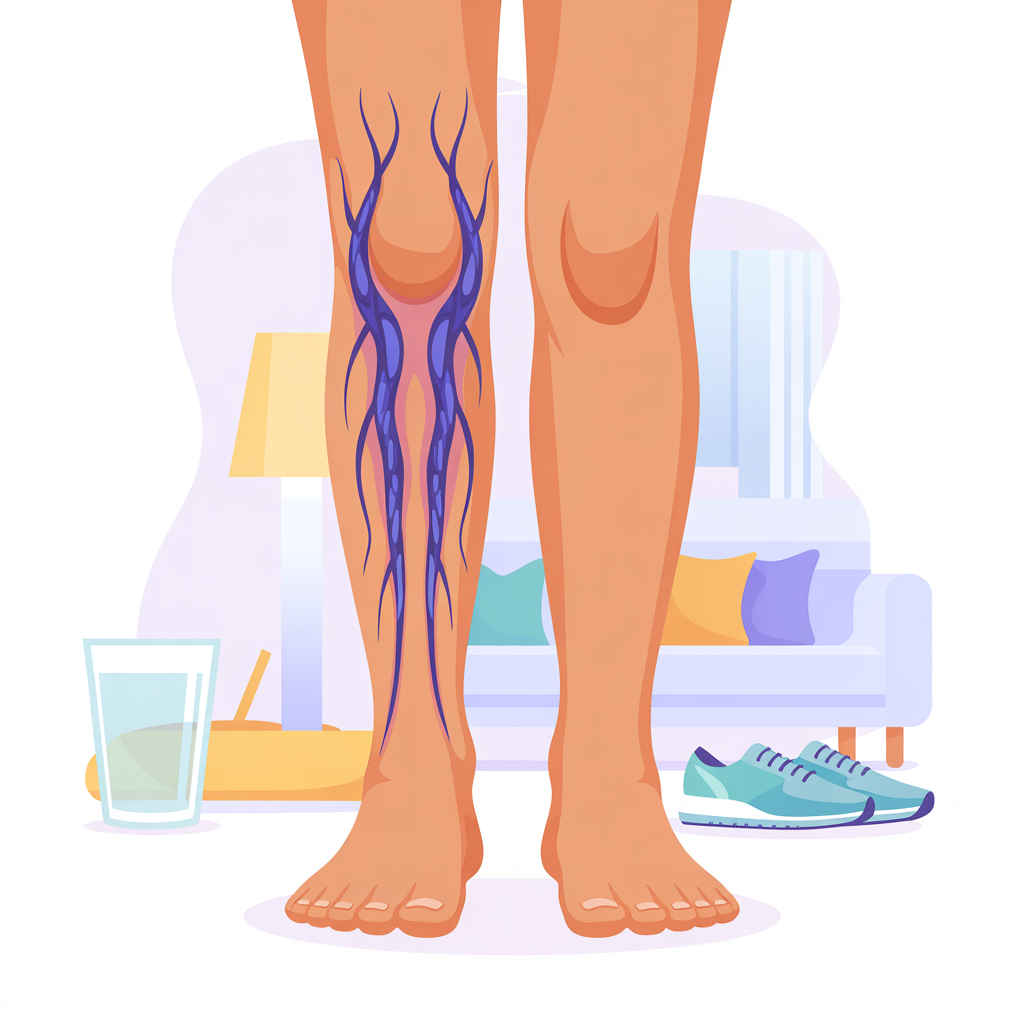
Varicose veins are enlarged, twisted, and swollen veins that most commonly appear on the legs and feet. They develop when the small valves inside the veins stop working properly, causing blood to pool and the vein walls to stretch and bulge. While varicose veins are often considered a cosmetic concern, they can also signal underlying circulatory problems that, if left untreated, may lead to serious complications. Recognizing the early stage varicose veins symptoms is key to managing the condition before it progresses. Below are the 10 most important symptoms you should know about.
1. Visibly Bulging, Twisted Veins
One of the most recognizable signs of varicose veins is the appearance of dark purple or blue veins that bulge prominently beneath the skin surface. These veins often have a cord-like, rope-like, or twisted appearance and are most commonly found on the calves, thighs, and the backs of the knees.
- The veins may appear raised and bumpy to the touch.
- They tend to become more visible after prolonged standing or at the end of the day.
- In some people, large clusters of these veins can be seen spanning a wide area of the leg.
This visual symptom is typically what first prompts people to seek medical advice, even when physical discomfort has not yet appeared.
2. Aching or Heavy Feeling in the Legs
Many people with varicose veins describe a persistent aching, heaviness, or tiredness in their legs — particularly after standing or sitting for long periods. This sensation occurs because blood is not circulating efficiently, leading to increased pressure within the affected veins.
- The discomfort is often described as a dull, throbbing pain rather than a sharp ache.
- It tends to worsen in warm weather or during the evening hours.
- Elevating the legs or lying down typically provides temporary relief.
This varicose vein pain can significantly affect daily activities, especially for people whose jobs require prolonged standing or walking.
3. Swelling in the Legs, Ankles, and Feet
Swelling (edema) is a common symptom in people with moderate to advanced varicose veins. When blood pools in the veins, fluid can leak into surrounding tissues, causing noticeable puffiness in the lower legs, ankles, and feet.
- Swelling is usually most pronounced at the end of the day or after long periods of inactivity.
- The skin over the swollen area may feel tight or shiny.
- Pressing a finger against the swollen area may leave a temporary indentation, known as pitting edema.
Persistent swelling should not be ignored, as it may indicate that the venous insufficiency is worsening and placing extra pressure on surrounding tissue.
4. Burning or Throbbing Sensation
A burning or throbbing feeling in the legs is another hallmark symptom of varicose veins. This occurs due to increased blood pressure within the damaged veins, which irritates the nerve endings in the surrounding tissue.
- The burning sensation can range from mild to quite intense, depending on the severity of the condition.
- It may be accompanied by a feeling of heat in the affected area.
- Physical activity or heat exposure (such as hot baths) can aggravate this symptom.
If you notice a consistent burning or throbbing that does not resolve with rest, it is advisable to consult a healthcare professional for an evaluation.
5. Muscle Cramps, Especially at Night
Nocturnal leg cramps — sudden, painful muscle contractions that occur during rest or sleep — are frequently reported by people with varicose veins. These cramps are believed to result from impaired blood flow and pressure imbalances in the veins and surrounding muscles.
- Cramps most often affect the calf muscles and can be sharp and intense.
- They may last from a few seconds to several minutes.
- Stretching the affected muscle or walking around usually helps relieve the cramp.
While leg cramps can have other causes, their regular occurrence alongside other varicose vein symptoms is a strong reason to seek a professional assessment.
6. Itching Around the Veins
Itching around one or more varicose veins is a common but often overlooked symptom. The itching is caused by poor circulation, which leads to inflammation of the skin and a buildup of waste products in the tissue surrounding the affected veins.
- The itching is usually localized to the skin directly over or around the varicose vein.
- It can range from a mild annoyance to a persistent and disruptive itch.
- Scratching may temporarily relieve the itch but can damage the skin and increase the risk of infection or ulceration over time.
This symptom is particularly important to watch for, as it may signal early skin changes associated with chronic venous insufficiency.
7. Skin Discoloration and Texture Changes
As varicose veins progress, the skin around the affected area may begin to change in both color and texture. These changes indicate that the condition has moved beyond its early stage and is affecting the surrounding skin and tissue.
- Discoloration: The skin may take on a brownish, reddish, or bluish hue, especially around the ankles and lower legs.
- Skin hardening (lipodermatosclerosis): The skin may become thick, firm, and leathery due to chronic inflammation and fat deposition under the skin.
- Dry or flaky skin: The affected area may develop dry, scaly patches that are prone to cracking.
Skin discoloration and hardening are warning signs of advanced venous disease and should be evaluated promptly to prevent complications such as venous ulcers.
8. Spider Veins (Telangiectasias)
Spider veins are small clusters of red, blue, or purple veins that appear close to the skin surface in a web-like or branching pattern. While they are smaller and less prominent than varicose veins, they often develop alongside them and share similar underlying causes.
- Spider veins are most commonly found on the legs, thighs, and face.
- They are generally painless but may occasionally cause a mild burning or tingling sensation.
- Their presence can be an early indicator of venous insufficiency, suggesting that larger varicose veins may develop later.
Although spider veins are primarily a cosmetic concern, they should not be dismissed entirely — especially when accompanied by other symptoms on this list.
9. Restless Leg Syndrome (RLS)
Research has shown a significant connection between varicose veins and Restless Leg Syndrome (RLS) — an uncomfortable urge to move the legs, often at night or during rest. The exact mechanism is not fully understood, but it is thought that poor venous circulation contributes to the nerve irritation responsible for RLS symptoms.
- People with RLS describe feelings of crawling, tingling, pulling, or aching sensations in the legs that are temporarily relieved by movement.
- Symptoms are typically worse in the evening and night, making it difficult to fall or stay asleep.
- RLS associated with varicose veins may improve when the underlying venous issue is addressed.
If you experience restless legs along with other varicose vein symptoms, it is worth mentioning both concerns to your doctor during your visit.
10. Skin Ulcers Near the Ankles
Venous leg ulcers are one of the most serious complications of long-standing varicose veins and represent an advanced stage of the condition. They occur when prolonged high pressure in the veins causes tissue breakdown, resulting in open sores on the skin — most commonly around the inner ankle.
- Venous ulcers typically appear as shallow, irregular-shaped wounds with a red or yellow base.
- The surrounding skin is often discolored, swollen, and hardened.
- These ulcers can be painful and are prone to infection if not properly managed.
- They can be slow to heal and may recur if the underlying venous problem is not treated.
The development of a skin ulcer is a medical emergency that requires immediate professional attention. Do not attempt to self-treat a venous ulcer without guidance from a qualified healthcare provider.
What Causes Varicose Veins?
Understanding what causes varicose veins can help in identifying your personal risk factors. The condition develops when the one-way valves inside the veins weaken or become damaged, allowing blood to flow backward and pool within the vessel. The most common causes and risk factors include:
- Age: The risk increases with age as vein walls and valves naturally lose elasticity.
- Sex: Women are more likely to develop varicose veins due to hormonal changes during pregnancy, menstruation, and menopause.
- Pregnancy: Increased blood volume and pressure on the pelvic veins during pregnancy can cause or worsen varicose veins.
- Family history: A genetic predisposition plays a significant role — if close relatives have varicose veins, your risk is higher.
- Prolonged standing or sitting: Jobs or lifestyles that require long periods in one position reduce the efficiency of blood circulation in the legs.
- Obesity: Excess body weight increases pressure on the veins, particularly in the lower extremities.
- Sedentary lifestyle: Lack of physical activity weakens the calf muscles that help pump blood back to the heart.
- Previous blood clots or vein injury: Damage to the vein valves from prior deep vein thrombosis (DVT) or trauma can trigger varicose vein development.
How to Prevent Varicose Veins
While genetic factors and certain medical conditions cannot be controlled, there are several lifestyle measures that can significantly reduce the risk of developing varicose veins or slow their progression:
- Exercise regularly: Activities like walking, cycling, and swimming strengthen calf muscles and improve venous circulation.
- Maintain a healthy weight: Reducing excess body weight lowers the pressure placed on leg veins.
- Elevate your legs: Raising your legs above heart level for short periods throughout the day helps blood flow back toward the heart.
- Avoid prolonged sitting or standing: If your job requires you to remain in one position, take regular breaks to move and stretch.
- Wear compression stockings: Medical-grade compression stockings help support veins and prevent blood from pooling in the legs.
- Avoid tight clothing: Clothing that constricts the waist, groin, or legs can restrict blood flow.
- Eat a high-fiber, low-salt diet: A diet rich in fiber prevents constipation (which increases abdominal pressure) and reduces fluid retention.
- Avoid high heels for long periods: Lower-heeled shoes encourage better use of the calf muscles, promoting healthy blood flow.
Frequently Asked Questions (FAQ)
Q: What are the early stage varicose veins symptoms?
A: Early signs include a feeling of heaviness or aching in the legs, mild swelling around the ankles, visible spider veins, and itching or burning near the surface veins. At this stage, the condition is generally more manageable and responds well to lifestyle changes.
Q: Are varicose veins dangerous?
A: In many cases, varicose veins are not immediately dangerous, but they can lead to complications over time. Advanced stages may involve chronic pain, skin ulcers, blood clots, or deep vein thrombosis (DVT). Early management is therefore important.
Q: Can varicose veins go away on their own?
A: Varicose veins do not typically resolve on their own. Without intervention, they tend to worsen gradually. However, lifestyle modifications can help slow progression and relieve symptoms.
Q: What do varicose veins feel like?
A: People commonly describe them as causing a dull, aching, or throbbing pain in the legs, accompanied by a heavy or tired feeling. Some experience burning, itching, or muscle cramps, particularly at night.
Q: When should I see a doctor about varicose veins?
A: You should consult a healthcare professional if your varicose veins are causing significant pain, the skin around the veins is changing in color or texture, you notice swelling that does not subside, or you develop any open sores near the ankles. Always consult a doctor before taking any medication to manage symptoms.
Q: Are varicose veins more common in women or men?
A: Varicose veins are more common in women, largely due to hormonal influences related to pregnancy, the menstrual cycle, and menopause. However, men can and do develop the condition as well, particularly with advancing age and sedentary lifestyles.
Q: What is the difference between spider veins and varicose veins?
A: Spider veins are smaller, thread-like vessels visible just below the skin surface and are usually painless. Varicose veins are larger, deeper, and more prominent, and are more likely to cause physical symptoms such as pain, swelling, and heaviness.
References: