
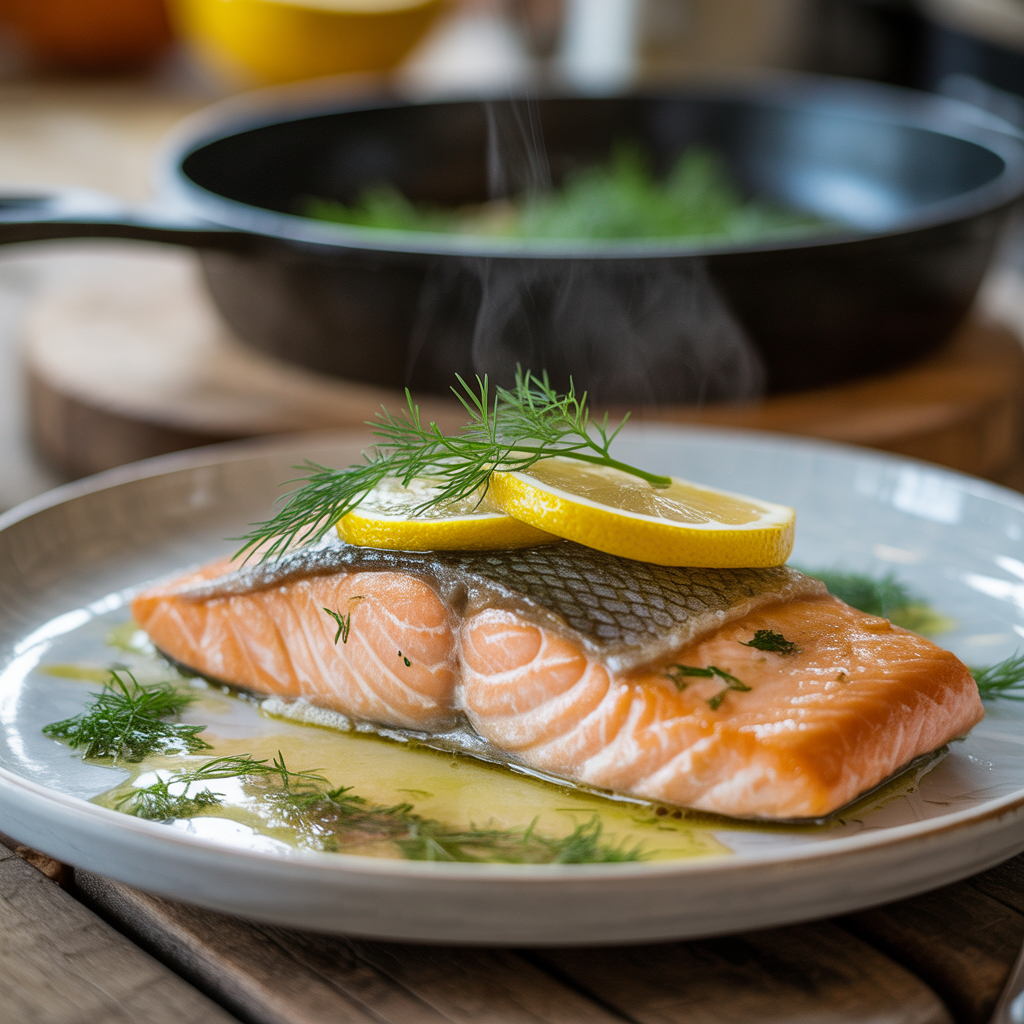
Cooking salmon perfectly — tender, flaky, and juicy — is one of the most rewarding skills you can master in the kitchen. Whether you’re a beginner or a seasoned home cook, understanding the right techniques, temperatures, and timing makes all the difference between dry, overcooked fish and a restaurant-quality meal.
Why Salmon Is the Perfect Fish to Cook at Home
Salmon is one of the most popular fish in the world for good reason. It’s rich in omega-3 fatty acids, high in protein, and incredibly versatile. It can be baked, pan-seared, grilled, poached, or even cooked in an air fryer. However, its high fat content — which is what makes it so delicious — also means it can go from perfectly cooked to dry and rubbery very quickly if you’re not careful.
The goal is always the same: cook the salmon just enough so that it becomes tender and flaky while retaining its natural juices. This guide will walk you through everything you need to know.
Choosing the Right Salmon
Before you even turn on the stove, choosing the right salmon is crucial. Not all salmon is created equal, and the type you choose will affect the final result.
Types of Salmon
- King (Chinook) Salmon: The richest and fattiest variety. Extremely tender and flavorful — ideal for pan-searing and grilling.
- Sockeye Salmon: Deep red flesh with a robust, bold flavor. Great for grilling and baking.
- Coho Salmon: Milder flavor and medium fat content. Versatile and easy to cook.
- Atlantic Salmon: The most widely available. Farm-raised, mild flavor, and consistently moist due to its fat content.
- Pink Salmon: Leaner and lighter. Best for poaching or using in salads and patties.
Fresh vs. Frozen Salmon
Fresh salmon is great, but high-quality frozen salmon can be just as good — sometimes better — because it’s often flash-frozen right on the boat at peak freshness. When buying fresh salmon, look for:
- Bright, vibrant color (deep pink or orange)
- Firm flesh that springs back when pressed
- A clean, ocean-like smell (not fishy or sour)
- Moist appearance without being slimy
If using frozen salmon, thaw it overnight in the refrigerator or place it in a sealed bag under cold running water for 30–45 minutes. Never thaw at room temperature.
Essential Preparation Tips Before Cooking
Proper preparation is the foundation of a perfectly cooked piece of salmon. These steps take only a few minutes but make a significant difference in the final result.
1. Bring Salmon to Room Temperature
Remove the salmon from the refrigerator 15–20 minutes before cooking. Cold fish placed in a hot pan or oven cooks unevenly — the outside dries out before the inside is done. Letting it come to room temperature ensures even cooking throughout.
2. Pat the Salmon Dry
Use paper towels to pat the salmon fillets dry on all sides. Moisture on the surface creates steam, which prevents a proper sear and can make the fish rubbery. Dry fish = crispy skin and better texture.
3. Season Generously
Season your salmon well with salt and pepper at minimum. The salt draws out a little moisture, then gets reabsorbed, seasoning the fish all the way through. You can season and let it rest for up to 30 minutes before cooking for deeper flavor.
4. Remove Pin Bones
Run your finger along the flesh side of the fillet and feel for small pin bones. Use tweezers or needle-nose pliers to pull them out in the direction they’re pointing to avoid tearing the flesh.
5. Score the Skin (Optional)
If cooking skin-on salmon, scoring the skin with a sharp knife 2–3 times helps prevent it from curling up in the pan and ensures even cooking.
The Secret to Perfectly Cooked Salmon: Temperature
The single most important factor in cooking moist, tender salmon is temperature. Overcooked salmon is the number one reason people end up with dry fish.
Internal Temperature Guide
- 120°F (49°C): Translucent, very soft, almost raw in the center — sushi-like texture. Best for sashimi-grade salmon lovers.
- 125°F (52°C): Slightly translucent in the center, extremely tender, and ultra-moist. Considered “medium-rare” for salmon.
- 130°F (54°C): Slightly opaque throughout, flaky but still very juicy. The ideal sweet spot for most people.
- 140°F (60°C): Fully opaque and flaky. Traditional “fully cooked” salmon — still moist if not overdone.
- 145°F (63°C)+: Overcooked. Dry, chalky, and tough. Avoid this zone.
Use an instant-read thermometer inserted into the thickest part of the fillet for the most accurate reading. This is a game-changer for cooking salmon consistently.
The Visual Test
If you don’t have a thermometer, gently press the thickest part with a fork. Perfectly cooked salmon will flake easily but still look slightly translucent or moist in the very center. The flesh should separate into large, clean flakes rather than falling apart into tiny pieces.
How to Cook Salmon: 6 Best Methods
Method 1: Pan-Seared Salmon (Crispy Skin)
Pan-searing is the gold standard for crispy-skinned, perfectly cooked salmon. This method takes about 10 minutes and requires minimal equipment.
What You Need:
- 2 salmon fillets (6 oz each), skin-on
- 1 tablespoon olive oil or neutral oil (avocado, grapeseed)
- Salt and black pepper
- 1 tablespoon butter
- 2 garlic cloves, smashed
- Fresh herbs (thyme, rosemary, or dill)
- Lemon wedges for serving
Step-by-Step Instructions:
- Heat the pan: Place a cast iron skillet or stainless steel pan over medium-high heat for 2–3 minutes until very hot. This is critical — a cold pan causes sticking and poor searing.
- Add oil: Add oil and swirl to coat. When the oil shimmers and just starts to smoke, the pan is ready.
- Place salmon skin-side down: Lay the fillets away from you into the pan, skin-side down. Press gently with a spatula for 10 seconds to prevent curling.
- Cook skin-side down: Cook for 4–5 minutes without moving. The skin will turn golden and crispy, and you’ll see the flesh cooking up the sides — it will turn from translucent pink to opaque.
- Flip once: When about 75% of the fillet has turned opaque from the bottom up, flip the salmon and cook for just 1–2 minutes on the flesh side.
- Baste: Add butter, garlic, and herbs to the pan. Tilt the pan and spoon the melted butter over the salmon repeatedly for 1 minute.
- Rest and serve: Remove from heat and let rest for 1–2 minutes. Serve with lemon wedges.
Pro Tips:
- Never move the salmon before it’s ready to flip — it will release naturally from the pan when properly seared.
- Don’t cover the pan — trapped steam will ruin the crispy skin.
- A non-stick pan works but won’t give you the same deep sear as cast iron or stainless steel.
Method 2: Baked Salmon in the Oven
Baking salmon is the most hands-off method and is perfect for feeding a crowd. It produces consistently moist results every time.
What You Need:
- 4 salmon fillets (6 oz each)
- 2 tablespoons olive oil
- Salt, pepper, garlic powder
- Lemon slices
- Fresh dill or parsley
Step-by-Step Instructions:
- Preheat oven to 400°F (200°C).
- Line a baking sheet with parchment paper or foil. Place salmon fillets skin-side down.
- Brush each fillet generously with olive oil. Season with salt, pepper, and garlic powder.
- Place lemon slices and fresh herbs on top of each fillet.
- Bake for 12–15 minutes, depending on thickness (about 4–6 minutes per half inch of thickness).
- Check doneness with a thermometer (target 125–130°F for juicy results).
- Let rest for 2 minutes before serving.
Low and Slow Method (Extra Moist):
For the most tender, melt-in-your-mouth salmon, try baking at 275°F (135°C) for 25–30 minutes. This gentle heat keeps all the moisture locked in and results in silky, buttery salmon that’s nearly impossible to overcook.
Method 3: Grilled Salmon
Grilling adds a beautiful smoky char and is perfect for skin-on fillets or salmon steaks.
Step-by-Step Instructions:
- Preheat grill to medium-high heat (400–450°F). Clean grates thoroughly and oil them generously.
- Brush salmon with oil and season well. The oil helps prevent sticking.
- Place salmon skin-side up on the grill. Cook for 4–5 minutes until grill marks form and the fish releases easily.
- Flip carefully and cook for another 3–4 minutes on the skin side.
- Check internal temperature and remove at 125–130°F.
Grilling Tips:
- Use a fish spatula or two regular spatulas to flip without breaking the fillet.
- Alternatively, place salmon on a cedar plank soaked in water for 1 hour — this infuses smoky flavor and prevents sticking.
- For thick fillets, close the grill lid to create an oven-like environment.
Method 4: Poached Salmon
Poaching is the best method for the most delicate, silky salmon. It’s also an excellent option if you want to serve salmon cold in salads or as an appetizer.
Step-by-Step Instructions:
- In a wide skillet or saucepan, combine 2 cups water or broth, 1 cup white wine, sliced lemon, bay leaves, peppercorns, and fresh herbs. Bring to a gentle simmer.
- Gently lower salmon fillets into the liquid. The liquid should just cover or nearly cover the fish.
- Reduce heat to low — the liquid should barely simmer (around 160–170°F). Vigorous boiling will make the salmon tough.
- Cook for 8–12 minutes depending on thickness, until salmon is just cooked through.
- Remove carefully with a slotted spatula and serve immediately or refrigerate for later use.
Method 5: Air Fryer Salmon
The air fryer produces incredibly juicy salmon with lightly crispy edges in under 10 minutes — perfect for weeknight dinners.
Step-by-Step Instructions:
- Preheat air fryer to 400°F (200°C) for 3 minutes.
- Brush salmon with oil and season. Add any desired glaze (honey soy, teriyaki, lemon butter).
- Place salmon in the air fryer basket, skin-side down, without overcrowding.
- Cook for 7–9 minutes for a 1-inch thick fillet. No flipping needed.
- Check temperature and serve immediately.
Method 6: Foil Packet Salmon
Cooking salmon in a foil packet (en papillote) traps steam and creates an incredibly moist, flavorful result with zero cleanup.
Step-by-Step Instructions:
- Preheat oven to 400°F (200°C) or prepare a hot grill.
- Place each salmon fillet on a large piece of foil. Add a drizzle of olive oil or butter, lemon slices, garlic, vegetables (asparagus, zucchini, or cherry tomatoes), and fresh herbs.
- Fold the foil tightly to create a sealed packet.
- Bake for 15–18 minutes in the oven or grill for 10–12 minutes.
- Carefully open the packets (steam will escape) and serve directly from the foil.
Flavor Variations and Marinades
Once you’ve mastered the technique, experiment with different flavors to keep things exciting.
Simple Lemon Herb Butter
- 2 tablespoons softened butter
- 1 tablespoon fresh lemon juice
- Zest of 1 lemon
- 2 tablespoons fresh dill or parsley
- 1 garlic clove, minced
- Salt and pepper
Mix together and spread on salmon before baking or melt over pan-seared salmon before serving.
Honey Garlic Glaze
- 3 tablespoons honey
- 2 tablespoons soy sauce
- 3 garlic cloves, minced
- 1 teaspoon fresh ginger, grated
- 1 tablespoon olive oil
Whisk together and brush on salmon in the last few minutes of cooking or use as a marinade for 30 minutes.
Teriyaki Salmon
- ¼ cup soy sauce
- 2 tablespoons mirin or rice wine
- 1 tablespoon sugar or honey
- 1 teaspoon sesame oil
Simmer in a saucepan until slightly thickened. Use as a glaze during cooking.
Cajun Spiced Salmon
- 1 teaspoon paprika
- 1 teaspoon garlic powder
- ½ teaspoon onion powder
- ½ teaspoon cayenne pepper
- ½ teaspoon dried thyme
- ½ teaspoon dried oregano
- Salt and black pepper
Rub all over the fillet and pan-sear for incredible blackened salmon.
Miso-Glazed Salmon
- 2 tablespoons white miso paste
- 1 tablespoon sake or rice wine
- 1 tablespoon mirin
- 1 tablespoon sugar
Mix together and marinate salmon for 1–24 hours. Broil for 5–7 minutes until caramelized and deeply flavorful.
Common Mistakes and How to Avoid Them
Mistake 1: Overcooking the Salmon
This is by far the most common mistake. Salmon continues to cook after being removed from heat (carryover cooking), so pull it off the heat when it’s about 5°F below your target temperature. Always use a thermometer until you develop an intuitive feel for it.
Mistake 2: Cooking Cold Salmon Straight from the Fridge
Cold fish in a hot pan results in uneven cooking. Always let salmon sit at room temperature for 15–20 minutes before cooking.
Mistake 3: Not Drying the Fish
Moisture on the surface of salmon creates steam and prevents browning. Pat it completely dry before adding oil or seasoning.
Mistake 4: Moving the Fish Too Early
When pan-searing, resist the urge to move the salmon. It will stick at first and release naturally when a proper crust has formed. Be patient.
Mistake 5: Using the Wrong Pan
A flimsy, thin pan won’t retain heat well and will cause uneven cooking. Use cast iron, stainless steel, or a heavy-bottomed non-stick pan for the best results.
Mistake 6: Marinating Too Long in Acidic Marinades
Marinades containing lemon juice, vinegar, or other acids can “cook” the salmon (like ceviche) and change its texture if left too long. Limit acidic marinades to 30 minutes maximum.
Mistake 7: Skipping the Rest
Just like steak, salmon benefits from a brief 1–2 minute rest after cooking. This allows the juices to redistribute throughout the fillet.
What to Serve with Salmon
Perfectly cooked salmon pairs beautifully with a wide range of sides:
Vegetables
- Roasted asparagus with lemon
- Sautéed spinach with garlic
- Grilled zucchini and bell peppers
- Steamed broccoli with butter
- Roasted Brussels sprouts
Grains and Starches
- Fluffy white or brown rice
- Quinoa salad
- Creamy mashed potatoes
- Pasta with olive oil and herbs
- Crusty bread for soaking up the juices
Sauces
- Creamy dill sauce
- Lemon caper butter sauce
- Cucumber yogurt tzatziki
- Avocado salsa
- Mango chutney
How to Store and Reheat Leftover Salmon
Leftover salmon is incredibly versatile and can be used in salads, pasta, grain bowls, and sandwiches.
Storage
- Let salmon cool to room temperature (no longer than 2 hours).
- Store in an airtight container in the refrigerator for up to 3 days.
- For longer storage, wrap tightly in plastic wrap, then foil, and freeze for up to 3 months.
Reheating Without Drying Out
Reheating salmon is tricky — high heat will quickly dry it out. Here are the best methods:
- Oven: Place salmon in a baking dish with a splash of water or broth. Cover with foil and heat at 275°F (135°C) for 10–15 minutes until warmed through.
- Stovetop: Heat in a skillet over low heat with a little butter or oil, flipping once gently.
- Microwave: Use the lowest power setting (30–50%) and heat in 30-second intervals. Place a damp paper towel over the salmon to retain moisture.
- Cold: Leftover salmon is delicious cold — use it in salads or on top of grain bowls without reheating at all.
Frequently Asked Questions
Should I cook salmon with skin on or off?
Cooking with the skin on is generally recommended. The skin acts as a protective barrier, keeping the flesh moist and preventing it from falling apart. It also becomes incredibly crispy when pan-seared properly. You can always remove the skin after cooking if you prefer not to eat it.
How long should I cook salmon?
A general rule of thumb is 4–6 minutes per half inch of thickness at medium-high heat. However, always rely on internal temperature (125–130°F for juicy salmon) rather than time alone, as fillet thickness varies significantly.
Can salmon be a little pink in the middle?
Yes — in fact, slightly pink (or translucent) in the very center is ideal. Salmon cooked to 125–130°F will have a slightly darker center that’s still moist and tender. This is perfectly safe to eat, especially with high-quality salmon.
Why does my salmon always stick to the pan?
There are two main reasons: the pan wasn’t hot enough before adding the fish, or the fish wasn’t dry enough. Ensure the pan is very hot, add oil until shimmering, and make sure the salmon is well-dried. Also, don’t try to move the fish before it’s ready — it will release on its own when properly seared.
How do I know when salmon is done without a thermometer?
Gently press the thickest part with your finger or a fork. Perfectly cooked salmon will feel slightly firm (not mushy) and will flake easily but still look moist in the center. The flesh will change from translucent to opaque from the outside in — pull it off heat when the very center is just barely opaque.
What is the white stuff that comes out of salmon?
That white substance is called albumin — a protein that coagulates and gets pushed out as salmon cooks. It’s completely safe to eat, but excess albumin indicates the salmon was cooked at too high a temperature or cooked too long. Cooking at lower temperatures minimizes this.
Final Tips for Restaurant-Quality Salmon Every Time
- Invest in a good instant-read thermometer — it’s the single best tool for cooking salmon perfectly.
- Start with quality salmon — the best cooking technique in the world can’t fix poor-quality fish.
- Season boldly — salmon can handle generous seasoning. Don’t be shy with salt, herbs, and aromatics.
- Cook skin-side down longer — spend about 70-80% of the cooking time on the skin side for perfectly crispy skin.
- Don’t rush it — lower and slower heat, especially for thicker fillets, produces much more consistently juicy results.
- Always rest before serving — even just 1–2 minutes makes a noticeable difference in how juicy the salmon is when you cut into it.
With these techniques, methods, and tips in your cooking arsenal, you’ll be able to cook salmon that’s tender, flaky, and juicy every single time — no matter which cooking method you choose. The key is understanding the importance of temperature, preparation, and timing. Practice a few times, and it will quickly become second nature.