
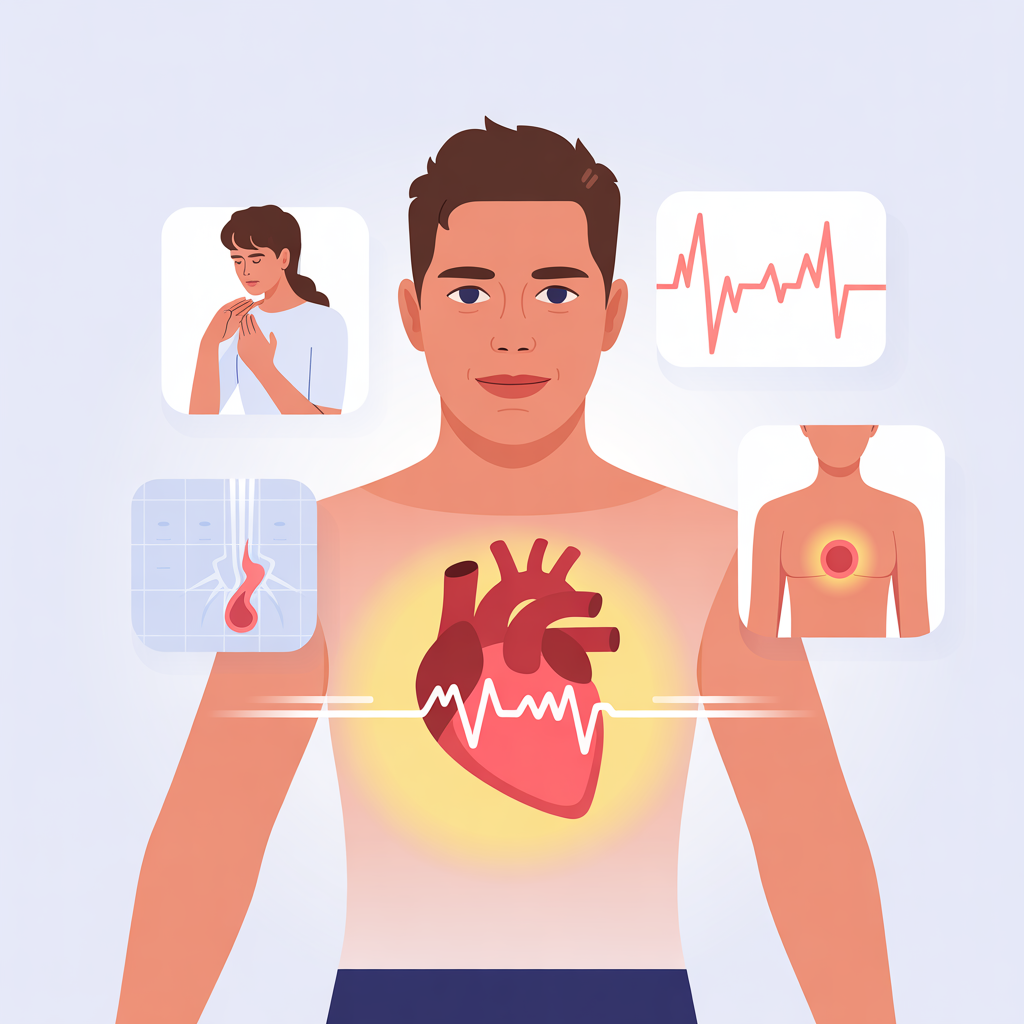
Have you ever noticed your heart beating fast for no reason while you’re just sitting quietly or resting? You’re not alone. Tachycardia — defined as a resting heart rate exceeding 100 beats per minute — is one of the most common heart rhythm disorders affecting millions of people worldwide. While a temporarily elevated heart rate can be triggered by exercise, stress, or caffeine, a sudden spike in heart rate while resting may signal an underlying health concern that deserves attention.
Understanding tachycardia symptoms early can be life-saving. In this article, we break down the most important warning signs your body may be sending you, what causes tachycardia, and answers to the most frequently asked questions about this condition.
1. Rapid or Pounding Heartbeat (Palpitations)
The most hallmark symptom of tachycardia is a noticeably fast, pounding, or fluttering heartbeat — often described as palpitations. You may feel your heart racing suddenly without any physical exertion.
- The sensation can feel like the heart is “skipping,” “fluttering,” or “pounding” in your chest.
- It may occur at rest, during sleep, or with minimal activity.
- Episodes can last from a few seconds to several hours.
- In some cases, you might even feel the pulse in your neck, throat, or ears.
A high pulse rate that persists without an obvious cause — such as exercise or emotional stress — should not be dismissed. If your heart rate won’t go down after resting for several minutes, it’s worth monitoring closely and consulting a healthcare provider.
2. Shortness of Breath
When your heart beats too fast, it may not pump blood efficiently, which can reduce the amount of oxygen delivered to your body. This often results in shortness of breath — even during activities that were previously easy for you.
- You may feel breathless while climbing stairs, walking short distances, or even during light tasks.
- In more severe episodes, breathlessness can occur at rest.
- Some people describe a sensation of not being able to take a full, deep breath.
Shortness of breath combined with a rapid heart rate can significantly impact your daily quality of life and may indicate the heart is under strain.
3. Dizziness and Lightheadedness
A rapid heart rate can disrupt normal blood flow to the brain, causing you to feel dizzy, unsteady, or lightheaded. This is one of the more distressing symptoms of tachycardia, as it can come on suddenly and without warning.
- You may feel as though the room is spinning (vertigo-like sensation).
- Lightheadedness is often reported when standing up quickly or after physical activity.
- In some cases, the dizziness may be accompanied by blurred vision or difficulty focusing.
If dizziness occurs alongside a sudden spike in heart rate while resting, it is important to sit or lie down immediately to reduce the risk of falling or injury.
4. Chest Pain or Chest Discomfort
Chest pain associated with tachycardia may range from mild discomfort to a more intense pressure or tightness. This occurs because when the heart beats too rapidly, the heart muscle itself may not receive adequate blood supply.
- The pain can feel like tightness, pressure, squeezing, or a sharp sensation in the chest.
- It may radiate to the left arm, jaw, or back in some individuals.
- Chest discomfort may worsen during episodes of rapid heartbeat.
Important: Chest pain combined with a fast heart rate should always be treated as a medical emergency. Seek immediate medical attention if you experience sudden, severe chest pain alongside a high heart rate.
5. Fainting (Syncope) or Near-Fainting
In serious cases of tachycardia, the heart may pump so inefficiently that blood pressure drops significantly, leading to fainting (syncope) or a feeling that you are about to faint (pre-syncope).
- You may suddenly lose consciousness without warning, particularly during an episode of very high heart rate.
- Near-fainting may present as a sudden feeling of weakness, tunnel vision, or going pale.
- Recovery usually happens quickly once the person lies down and blood flow is restored to the brain.
Recurrent fainting episodes associated with a rapid heart rate require urgent medical evaluation, as they may indicate a more serious underlying cardiac arrhythmia.
6. Fatigue and Weakness
Persistent tachycardia places a heavy burden on the heart. When the heart is constantly working harder than it should, overall energy levels decline, leading to significant fatigue and general weakness.
- You may feel unusually tired even after a full night’s sleep.
- Everyday tasks — like cooking, cleaning, or walking — may feel exhausting.
- Chronic fatigue from ongoing tachycardia can affect concentration, mood, and productivity.
- In some people, muscle weakness and a general sense of being “run down” are also reported.
This type of fatigue is different from ordinary tiredness — it tends to persist regardless of rest and is directly linked to the heart’s reduced ability to circulate oxygenated blood efficiently.
7. Anxiety and Restlessness
There is a complex, two-way relationship between anxiety and tachycardia. Anxiety can trigger a fast heart rate, and conversely, a fast heartbeat can amplify feelings of anxiety and panic — creating a distressing cycle.
- During an episode of tachycardia, many people report sudden feelings of fear, dread, or panic.
- The sensation of a racing heart can mimic a panic attack and cause significant psychological distress.
- Some individuals become hyper-aware of their heartbeat (a condition called hypervigilance), which increases anxiety further.
If you frequently experience anxiety alongside episodes of a high pulse rate, it is worth discussing both the physical and emotional aspects of your symptoms with a healthcare professional.
8. Reduced Exercise Tolerance
People with tachycardia often notice a decline in their ability to exercise or engage in physical activities they previously handled well. Even low-intensity activities can lead to an abnormally elevated heart rate.
- You may become breathless or develop palpitations during mild physical exertion — such as walking up a flight of stairs.
- Recovery time after exercise may be longer than usual.
- In some types of tachycardia, heart rate may spike immediately upon any physical movement.
This reduced exercise tolerance is not simply a matter of being “out of shape” — it reflects the heart’s compromised ability to regulate its rhythm and output under demand.
9. Throbbing Sensation in the Neck
Some people with tachycardia experience a noticeable throbbing or pulsating sensation in the neck. This occurs because the jugular veins in the neck can reflect abnormal cardiac rhythm and increased heart activity.
- The pulsing may feel uncomfortable or even painful in the neck or throat area.
- It is more commonly associated with certain types of tachycardia, such as supraventricular tachycardia (SVT).
- This symptom often accompanies rapid palpitations and may be visible as a visible pulsation in the neck.
Noticing a consistent throbbing in the neck alongside a fast heart rate is a telling physical sign that something unusual is occurring with your heart rhythm.
10. Sweating (Diaphoresis)
Unexplained or excessive sweating — particularly cold sweats — can be a symptom of tachycardia. This happens as the body’s autonomic nervous system reacts to cardiac stress and reduced circulation.
- Cold, clammy sweats can occur suddenly, even in cool environments or at rest.
- Sweating may accompany other symptoms such as chest discomfort, dizziness, or palpitations.
- In some cases, night sweats linked to nocturnal tachycardia episodes may disturb sleep patterns.
While sweating can be caused by many conditions, cold sweats occurring alongside a high pulse rate and chest discomfort should be considered a warning sign that warrants prompt medical evaluation.
Main Causes of Tachycardia
Understanding what causes tachycardia is essential for identifying your risk. There are numerous potential causes, ranging from lifestyle factors to underlying medical conditions:
- Fever and infections: The body responds to illness by increasing heart rate to circulate immune cells more rapidly.
- Anemia: A low red blood cell count forces the heart to pump faster to compensate for reduced oxygen delivery.
- Dehydration: Low blood volume causes the heart to work harder to maintain adequate circulation.
- Thyroid disorders: An overactive thyroid (hyperthyroidism) is a well-known cause of a chronically elevated heart rate.
- Caffeine and stimulant use: Excessive coffee, energy drinks, or certain medications can trigger rapid heartbeat episodes.
- Stress and anxiety: Emotional stress activates the body’s “fight or flight” response, which raises heart rate.
- Heart disease or structural abnormalities: Coronary artery disease, heart failure, or congenital heart defects can disrupt normal heart rhythms.
- Electrolyte imbalances: Low levels of potassium, magnesium, or calcium can interfere with the heart’s electrical system.
- Alcohol and recreational drugs: These substances can destabilize heart rhythm and provoke episodes of tachycardia.
- Sleep deprivation: Chronic lack of sleep has been linked to autonomic nervous system dysregulation and elevated resting heart rate.
How to Prevent Tachycardia
While not all cases of tachycardia are preventable — particularly those caused by genetic or structural heart conditions — many episodes can be reduced or avoided through healthy lifestyle choices:
- Stay well hydrated: Drink adequate water throughout the day to maintain healthy blood volume and circulation.
- Limit caffeine and alcohol: Reduce or eliminate stimulants that can trigger a high heart rate.
- Manage stress effectively: Practice relaxation techniques such as deep breathing, meditation, or yoga to keep the nervous system calm.
- Exercise regularly: Consistent, moderate aerobic exercise helps strengthen the heart and regulate its rhythm over time.
- Get enough sleep: Aim for 7–9 hours of quality sleep per night to support overall cardiovascular health.
- Maintain a heart-healthy diet: Eat a balanced diet rich in fruits, vegetables, whole grains, and lean proteins while minimizing processed foods and excess sodium.
- Avoid smoking: Nicotine is a stimulant that directly affects heart rate and increases cardiovascular risk.
- Monitor your heart rate: Using a wearable device or pulse oximeter can help you track patterns and identify abnormal episodes early.
- See your doctor regularly: Routine checkups allow for early detection and management of conditions that may cause tachycardia, such as thyroid disease or anemia.
Frequently Asked Questions (FAQ)
What is tachycardia?
Tachycardia is a medical term for a heart rate that exceeds 100 beats per minute at rest. It can be a normal response to exercise or stress, but when it occurs without an obvious cause or persists for extended periods, it may indicate a heart rhythm disorder.
Is tachycardia dangerous?
It depends on the underlying cause and type. Some forms of tachycardia are relatively harmless and resolve on their own. Others — particularly those involving the ventricles (lower chambers of the heart) — can be life-threatening and require immediate medical attention. Any persistent or unexplained rapid heart rate should be evaluated by a doctor.
Why is my heart beating so fast while resting?
A sudden spike in heart rate while resting can be caused by dehydration, anxiety, anemia, fever, stimulant intake, thyroid problems, or a cardiac arrhythmia. If this happens frequently or is accompanied by other symptoms like chest pain or dizziness, consult a healthcare professional.
What causes a high pulse rate while resting?
Common causes include stress, caffeine, dehydration, lack of sleep, infection, anemia, and thyroid disorders. In some cases, an underlying heart condition may be responsible for a persistently high pulse rate at rest.
Can tachycardia go away on its own?
Some episodes of tachycardia — especially those triggered by stress, caffeine, or dehydration — may resolve once the triggering factor is removed. However, recurrent or prolonged episodes should always be assessed by a medical professional to rule out serious causes.
When should I see a doctor about tachycardia?
You should seek medical attention if you experience a fast heart rate accompanied by chest pain, fainting, severe shortness of breath, or if episodes are frequent, prolonged, or worsening. Always consult a doctor before taking any medication for tachycardia.
How is tachycardia diagnosed?
A doctor may use several diagnostic tools including an electrocardiogram (ECG/EKG), a Holter monitor (a portable ECG worn for 24–48 hours), blood tests, echocardiography, or a stress test to identify the type and cause of tachycardia.
References: