
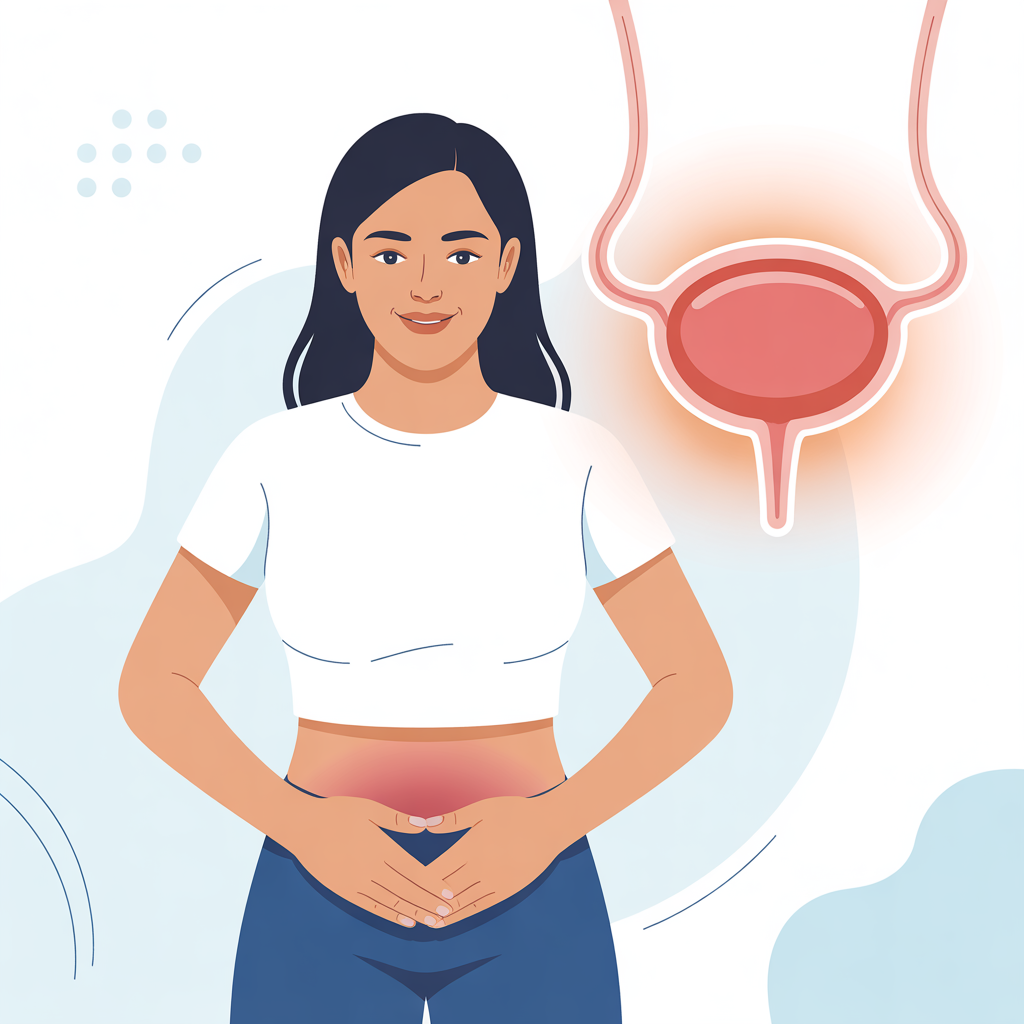
Interstitial cystitis (IC), also known as painful bladder syndrome, is a chronic condition that causes persistent bladder pressure, bladder pain, and sometimes pelvic pain. Unlike a typical urinary tract infection, interstitial cystitis has no bacterial cause, making it a more complex and often misunderstood condition. It can significantly affect quality of life, interfering with daily activities, sleep, and emotional well-being. Recognizing the symptoms of interstitial cystitis early is crucial for getting the right diagnosis and care. Below are the most common symptoms associated with this condition.
1. Chronic Bladder Pain or Pressure
One of the hallmark symptoms of interstitial cystitis is a persistent feeling of pain, pressure, or discomfort in the bladder area. This pain is typically located in the lower abdomen, just above the pubic bone.
- The pain may range from a dull ache to a sharp, intense sensation.
- It often worsens as the bladder fills with urine and may temporarily improve after urination.
- In some individuals, the pain can be constant, while in others it may come and go in flares.
- Physical activity, prolonged sitting, or stress can trigger or intensify bladder pain episodes.
This chronic bladder pain is what distinguishes interstitial cystitis from other urinary conditions and is often the primary complaint that leads patients to seek medical attention.
2. Frequent Urination (Urinary Frequency)
People with interstitial cystitis often experience an abnormally high frequency of urination. While a healthy adult typically urinates 6 to 8 times a day, those with IC may feel the need to urinate much more often — sometimes as many as 40 to 60 times per day in severe cases.
- Each urge to urinate may produce only a small amount of urine.
- The frequent need to use the restroom can disrupt work, social activities, and travel.
- Even after urinating, many patients feel that their bladder is not fully emptied.
This symptom is often one of the most disruptive aspects of the condition, significantly affecting the patient’s daily routine and overall quality of life.
3. Urgent Need to Urinate (Urinary Urgency)
Closely linked to urinary frequency is urinary urgency — a sudden, intense, and often uncontrollable urge to urinate. Unlike normal urinary urges, this sensation in IC can feel overwhelming and difficult to delay.
- The urgency may occur even when the bladder is not full.
- It can come on without warning, making it hard to reach a restroom in time.
- The urge may be accompanied by pelvic pain or discomfort that is only partially relieved after voiding.
This persistent urgency is one of the most distressing symptoms of interstitial cystitis and can lead to anxiety about being too far from a bathroom.
4. Nocturia (Nighttime Urination)
Nocturia refers to the need to wake up multiple times during the night to urinate. For individuals with interstitial cystitis, nocturia is a frequent and exhausting symptom.
- Some patients wake up 2 to 5 times or more per night to use the bathroom.
- This constant sleep disruption leads to chronic fatigue, irritability, and difficulty concentrating during the day.
- Over time, sleep deprivation from nocturia can contribute to anxiety and depression.
Nocturia is not merely an inconvenience — the cumulative sleep loss it causes can seriously affect a person’s physical and mental health over the long term.
5. Pelvic Pain and Discomfort
Beyond bladder-specific pain, many people with interstitial cystitis experience a broader pelvic pain that affects the area between the navel and the thighs.
- In women, pelvic pain may be felt in the vulva, vagina, or the area between the vagina and anus (perineum).
- In men, pain may radiate to the penis, scrotum, or the area between the scrotum and anus.
- The pain can be stabbing, burning, or aching in nature.
- Physical exertion, prolonged sitting, or sexual activity may worsen pelvic discomfort.
Pelvic pain in interstitial cystitis is often chronic and can become debilitating if not properly managed with the help of a healthcare professional.
6. Pain During or After Sexual Intercourse
Interstitial cystitis can cause pain before, during, or after sexual intercourse, a symptom known as dyspareunia. This is particularly common in women but can also affect men.
- In women, penetration may trigger intense bladder and pelvic pain.
- In men, pain may occur during or after ejaculation.
- Sexual activity may cause a flare-up of urinary urgency and frequency.
- This symptom can have a significant impact on intimate relationships and emotional well-being.
Many patients with IC find that their sexual health is one of the areas most deeply affected by the condition, leading to stress and relationship difficulties that should be addressed openly with a healthcare provider.
7. Burning Sensation During Urination
A burning or stinging sensation during urination (dysuria) is another common symptom experienced by people with interstitial cystitis. While this symptom is often associated with urinary tract infections, in IC it occurs in the absence of any infection.
- The burning feeling may occur throughout the entire act of urination or only at the start or end.
- It can range from mild discomfort to a severe, painful burning.
- Unlike a UTI, the burning does not resolve with antibiotics.
Because dysuria is a classic sign of a UTI, many IC patients are initially misdiagnosed and treated with antibiotics that provide no relief, delaying the correct diagnosis.
8. Lower Back and Abdominal Pain
Many individuals with interstitial cystitis report chronic pain in the lower back or lower abdomen. This pain is related to the inflammation and nerve irritation associated with the condition.
- Lower back pain in IC is typically dull and persistent, rather than sharp.
- Abdominal pain may be crampy or pressure-like, similar to menstrual cramps.
- The pain may worsen during bladder filling and ease slightly after voiding.
- Some patients also experience pain radiating down into the thighs or hips.
This widespread pain can make it difficult to distinguish IC from other conditions such as endometriosis, irritable bowel syndrome, or musculoskeletal problems.
9. Symptom Flares Triggered by Certain Foods and Drinks
A distinctive feature of interstitial cystitis is that symptoms often worsen after consuming specific foods or beverages. Common dietary triggers include:
- Acidic foods: Citrus fruits, tomatoes, and vinegar-based products.
- Caffeine: Coffee, tea, energy drinks, and chocolate.
- Alcohol: All types of alcoholic beverages.
- Spicy foods: Hot peppers, chili, and heavily seasoned dishes.
- Artificial sweeteners: Saccharin and aspartame found in diet beverages and processed foods.
- Carbonated drinks: Sodas and sparkling water.
Identifying and avoiding personal food triggers is often one of the first and most effective steps patients can take to reduce the frequency and severity of IC flares. Keeping a food diary can help pinpoint which items consistently worsen symptoms.
10. Emotional and Psychological Impact
While not a physical symptom in the traditional sense, the emotional and psychological effects of living with interstitial cystitis are very real and should not be overlooked.
- Anxiety: Constant worry about pain flares and access to bathrooms can create significant anxiety.
- Depression: Chronic pain and disrupted sleep are strongly associated with clinical depression.
- Social isolation: Many IC patients withdraw from social activities, travel, and relationships due to the unpredictable nature of their symptoms.
- Reduced work productivity: Frequent bathroom visits and pain can make it difficult to concentrate or maintain a normal work schedule.
Acknowledging the psychological burden of interstitial cystitis is important. Mental health support, including counseling or support groups, can be an essential part of managing the overall impact of the condition.
Main Causes of Interstitial Cystitis
The exact cause of interstitial cystitis is not fully understood, but several factors are believed to contribute to the development of this condition:
- Defective bladder lining (epithelium): A breakdown in the protective lining of the bladder may allow irritating substances in urine to penetrate the bladder wall, causing inflammation and pain.
- Autoimmune response: Some researchers believe that the immune system may mistakenly attack the bladder tissue, triggering chronic inflammation.
- Nerve dysfunction: Abnormal nerve signaling in the bladder may cause the brain to perceive normal bladder sensations as painful.
- Mast cell activation: An abnormal activation of mast cells (immune cells) in the bladder wall may release histamine and other chemicals that cause inflammation and pain.
- Genetic predisposition: Interstitial cystitis may have a hereditary component, as it sometimes runs in families.
- Previous bladder injury or infection: Past urinary tract infections, pelvic surgeries, or bladder trauma may damage the bladder lining and trigger IC.
- Coexisting conditions: IC is often associated with other chronic pain conditions such as fibromyalgia, irritable bowel syndrome (IBS), and vulvodynia, suggesting a shared underlying mechanism.
Prevention of Interstitial Cystitis
Because the precise cause of interstitial cystitis is still unclear, there is no guaranteed way to prevent it entirely. However, certain lifestyle measures may help reduce the risk of flares and support bladder health:
- Identify and avoid food triggers: Keeping a detailed food diary can help you identify which foods and drinks consistently worsen your symptoms, allowing you to minimize exposure.
- Stay well hydrated: Drinking adequate amounts of water helps dilute urine, which may reduce bladder irritation. Avoid excessive intake of caffeinated or acidic beverages.
- Practice stress management: Stress is a known trigger for IC flares. Techniques such as yoga, meditation, deep breathing, and regular exercise can help manage stress levels.
- Wear comfortable, loose clothing: Tight-fitting clothes and underwear can put pressure on the bladder and pelvic region, potentially aggravating symptoms.
- Avoid holding urine for long periods: Regularly emptying the bladder prevents overdistension, which can trigger pain and urgency.
- Maintain a healthy weight: Excess body weight can place additional pressure on the bladder, worsening urinary symptoms.
- Seek early medical evaluation: If you experience recurring bladder pain or urinary symptoms without a confirmed infection, consult a healthcare provider promptly to rule out IC and other conditions before symptoms worsen.
Frequently Asked Questions (FAQ)
What is interstitial cystitis?
Interstitial cystitis (IC) is a chronic bladder condition characterized by persistent bladder pain, pressure, and urinary urgency or frequency. It is also called painful bladder syndrome and is not caused by a bacterial infection.
How is interstitial cystitis different from a urinary tract infection (UTI)?
Both conditions can cause similar symptoms like burning urination and urgency. However, a UTI is caused by bacteria and resolves with antibiotics, while interstitial cystitis has no bacterial cause and does not respond to antibiotics.
Who is most commonly affected by interstitial cystitis?
Interstitial cystitis can affect anyone, but it is significantly more common in women than in men. It can occur at any age, though it is most often diagnosed in people in their 30s and 40s.
Can interstitial cystitis go away on its own?
In some mild cases, symptoms may improve on their own or with lifestyle changes. However, IC is generally considered a chronic condition that requires ongoing management. Many patients experience periods of remission alternating with flare-ups.
What foods should be avoided with interstitial cystitis?
Common dietary triggers include acidic foods (citrus, tomatoes), caffeine, alcohol, spicy foods, carbonated drinks, and artificial sweeteners. Triggers can vary from person to person, so keeping a food diary is recommended.
Is interstitial cystitis a serious condition?
While IC is not life-threatening, it is a serious chronic condition that can significantly impact quality of life, including sleep, sexual health, emotional well-being, and daily functioning. Early diagnosis and proper management are essential.
Should I see a doctor if I think I have interstitial cystitis?
Yes, absolutely. If you experience recurring bladder pain, pelvic discomfort, or urinary urgency and frequency without evidence of infection, it is important to consult a urologist or healthcare provider for a proper diagnosis and personalized care plan. Always consult a doctor before taking any medication.
References:
- Mayo Clinic – Interstitial Cystitis: Symptoms and Causes
- National Institute of Diabetes and Digestive and Kidney Diseases (NIDDK) – Interstitial Cystitis/Painful Bladder Syndrome
- Urology Care Foundation – What is Interstitial Cystitis?
- WebMD – Interstitial Cystitis Symptoms
- Johns Hopkins Medicine – Interstitial Cystitis