
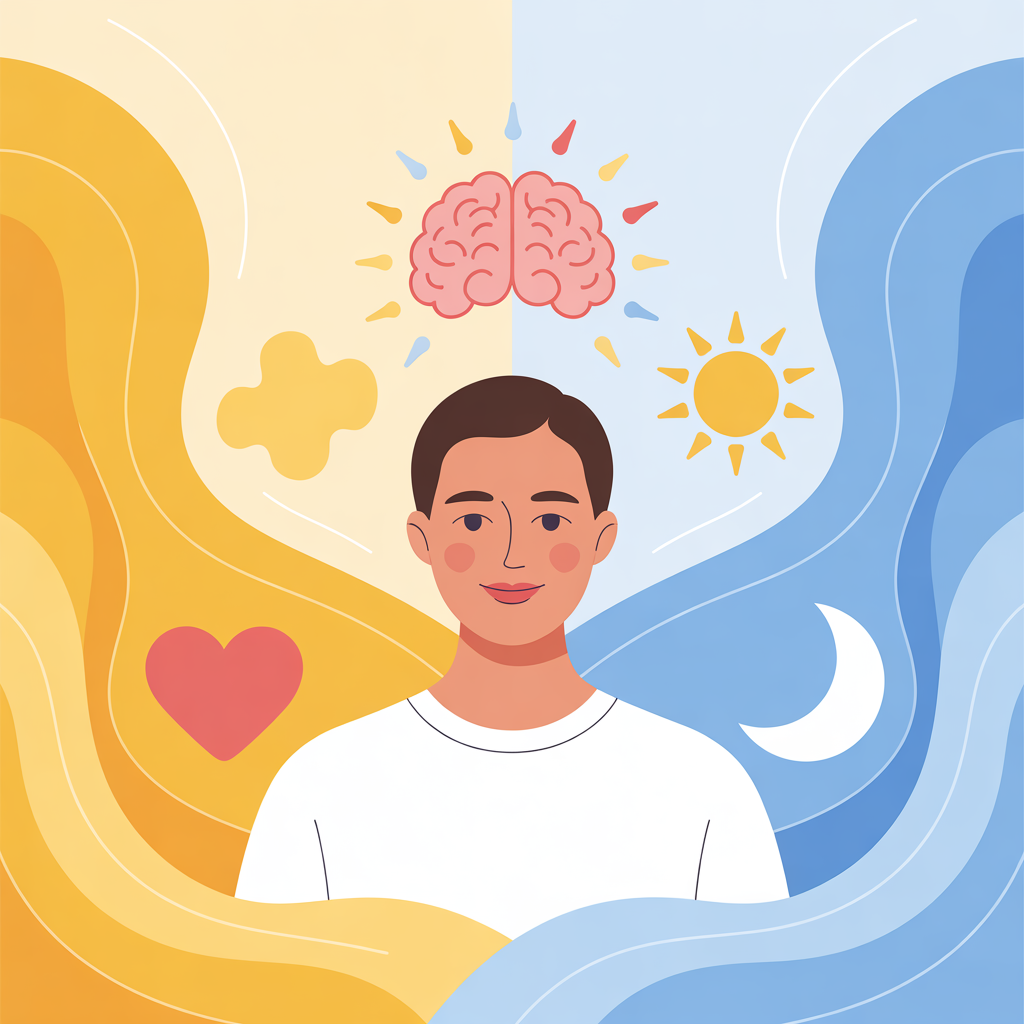
Bipolar disorder is a serious mental health condition characterized by extreme mood swings that include emotional highs (mania or hypomania) and lows (depression). These shifts in mood, energy, and activity levels can significantly affect a person’s ability to carry out day-to-day tasks. Once known as manic-depressive illness, bipolar disorder affects millions of people worldwide — regardless of age, gender, or background.
Understanding the symptoms of bipolar disorder is the first step toward getting the right help. The condition is typically divided into Bipolar 1 disorder (characterized by full manic episodes) and Bipolar 2 disorder (characterized by hypomanic and depressive episodes). While the experience varies from person to person, there are key warning signs that often appear across both types. Below, we outline the most common bipolar disorder symptoms you should be aware of.
1. Extreme Mood Swings
One of the most defining signs of bipolar disorder is experiencing dramatic shifts in mood that go far beyond normal emotional fluctuations. A person may feel euphoric, invincible, and full of energy during a manic phase, then suddenly shift to feeling hopeless, empty, or deeply sad during a depressive episode.
- These mood cycles can last for days, weeks, or even months.
- The transitions may happen gradually or, in some cases, quite rapidly.
- People around the individual often notice these changes before the person themselves does.
This unpredictability makes bipolar disorder particularly challenging to manage without professional support. The severity of mood swings differs between Bipolar 1 and Bipolar 2, with Bipolar 1 involving more intense manic episodes.
2. Manic Episodes
A manic episode is a period of abnormally elevated, expansive, or irritable mood lasting at least one week (or any duration if hospitalization is required). During a manic episode, a person may:
- Feel an exaggerated sense of self-confidence or grandiosity
- Have a dramatically decreased need for sleep without feeling tired
- Talk excessively and rapidly, often jumping from topic to topic
- Experience racing thoughts that are difficult to control
- Engage in impulsive or reckless behavior, such as spending sprees, risky sexual behavior, or poor financial decisions
Manic episodes in Bipolar 1 disorder can be severe enough to cause significant disruption in daily life or even require hospitalization. In some cases, psychotic features such as delusions or hallucinations may also occur during these periods.
3. Hypomanic Episodes
Hypomania is a less severe form of mania. It shares many of the same symptoms as a full manic episode but does not cause the same degree of functional impairment, and psychotic features are absent. Hypomanic episodes are a hallmark of Bipolar 2 disorder.
- Increased energy, productivity, and creativity
- Elevated mood and heightened self-esteem
- Reduced need for sleep
- Increased talkativeness
Because hypomania can sometimes feel pleasant or even beneficial, many people do not recognize it as a problem. However, if left unmanaged, hypomanic episodes can escalate into full mania or lead to severe depressive crashes afterward.
4. Depressive Episodes
Bipolar depression is one of the most debilitating aspects of the disorder. Unlike typical sadness, depressive episodes in bipolar disorder are persistent, intense, and can interfere significantly with everyday functioning.
- Persistent feelings of sadness, hopelessness, or emptiness
- Loss of interest in activities that were once enjoyable (anhedonia)
- Chronic fatigue and low energy even after adequate rest
- Difficulty concentrating, remembering details, or making decisions
- Changes in appetite — either overeating or losing interest in food
- Sleeping too much (hypersomnia) or experiencing insomnia
- Feelings of worthlessness or excessive guilt
- In severe cases, thoughts of death or suicide
It’s important to distinguish bipolar depression from unipolar depression (major depressive disorder), as treatment approaches can differ. Anyone experiencing thoughts of self-harm should seek immediate medical attention.
5. Decreased Need for Sleep During Mania
A striking and clinically significant symptom during manic or hypomanic phases is a noticeably reduced need for sleep. Unlike insomnia, where a person wants to sleep but cannot, individuals experiencing mania may feel fully rested after only 2–3 hours of sleep — or may not feel tired at all.
- They often remain awake for long stretches without experiencing fatigue.
- This symptom frequently accompanies other manic symptoms, amplifying overall intensity.
- The reduced sleep then further fuels manic behavior, creating a self-reinforcing cycle.
Sleep disruption is often one of the earliest warning signs that a manic episode is beginning, making it a critical symptom for both individuals and caregivers to monitor.
6. Racing Thoughts and Rapid Speech
During manic or hypomanic episodes, the mind of someone with bipolar disorder may seem to go into overdrive. Thoughts come rapidly and are difficult to slow down or control — a phenomenon clinically referred to as “flight of ideas.”
- Speech may become pressured, loud, and very fast.
- The person may jump between unrelated topics without clear transitions.
- Others may find it difficult to follow or interrupt the conversation.
- The individual may feel an urgent need to express every thought as it arises.
This symptom can be quite disorienting for the person experiencing it and may be alarming or frustrating for those around them. It can also contribute to poor decision-making during manic phases.
7. Impulsive and Risky Behavior
Impulsivity is a hallmark of manic episodes. When in a manic state, individuals with bipolar disorder may engage in behaviors that they would otherwise avoid, often with little regard for consequences.
- Financial impulsivity: Spending large amounts of money on unnecessary items
- Sexual behavior: Engaging in unprotected sex or having multiple partners without consideration of risks
- Substance use: Increased use of alcohol or drugs
- Reckless driving: Speeding or driving dangerously
- Impulsive business decisions: Making significant financial or career changes without proper thought
These behaviors can lead to serious consequences including financial loss, damaged relationships, legal problems, or physical harm. Recognizing this pattern as a symptom — rather than a character flaw — is essential for understanding bipolar disorder.
8. Inflated Self-Esteem or Grandiosity
During manic episodes, individuals may develop an inflated sense of their own importance, abilities, or identity. This grandiosity can range from mildly excessive self-confidence to outright delusional thinking.
- A person may believe they have special powers, talents, or a unique mission in life.
- They may feel that they are exceptionally gifted in areas where they have limited experience.
- In severe cases, grandiose delusions may involve believing one is a famous figure or has a divine connection.
This symptom is particularly important because it can prevent people from seeking help — they simply do not believe anything is wrong. Loved ones often play a crucial role in recognizing and addressing this sign.
9. Irritability and Agitation
While euphoria is often associated with mania, many people — particularly women — experience mania primarily through irritability and agitation rather than elevated mood. This can make bipolar disorder harder to recognize, especially in females.
- Short temper and low frustration tolerance
- Feeling easily annoyed or angered by minor inconveniences
- A sense of inner restlessness or tension that is hard to shake
- Hostility or confrontational behavior in social situations
This form of mania may be mistaken for anxiety, anger issues, or personality conflicts, which is one reason why bipolar disorder symptoms in females are often underdiagnosed or misattributed to other conditions.
10. Cognitive Difficulties and Concentration Problems
Bipolar disorder can significantly impair cognitive functioning, particularly during depressive episodes but also during manic or mixed states. These difficulties often go unrecognized as symptoms of the disorder.
- Trouble focusing on tasks or conversations
- Memory lapses and forgetfulness
- Difficulty making decisions, even simple ones
- Slowed thinking during depressive phases
- Disorganized or chaotic thoughts during manic phases
These cognitive challenges can impact work performance, academic achievement, and personal relationships. Over time, repeated episodes may have cumulative effects on cognitive health, underscoring the importance of early identification and management.
11. Changes in Energy and Activity Levels
Dramatic shifts in energy are a core feature of bipolar disorder. These fluctuations are directly linked to the current mood phase and can be quite pronounced.
- During mania: Unusually high energy, hyperactivity, taking on multiple projects simultaneously, feeling like one does not need rest
- During depression: Extreme fatigue, physical sluggishness, difficulty getting out of bed, loss of motivation to engage in any activity
These energy shifts often accompany the mood changes and serve as useful indicators of which phase a person is in. Friends and family may notice changes in a person’s productivity, level of activity, or physical appearance before the person is aware of the shift themselves.
12. Mixed Episodes
In some cases, individuals with bipolar disorder experience what is known as a mixed episode — a state in which symptoms of both mania and depression occur simultaneously or in rapid succession. This can be one of the most distressing and dangerous manifestations of the disorder.
- High energy combined with profound sadness or hopelessness
- Racing thoughts alongside feelings of despair
- Agitation paired with tearfulness
- Increased risk of suicidal ideation, as the person has both the motivation (energy from mania) and the despair (from depression)
Mixed states are particularly important to identify because they require careful clinical attention. If you or someone you know is experiencing these combined symptoms, seeking professional evaluation promptly is strongly advised.
Main Causes of Bipolar Disorder
The exact cause of bipolar disorder is not fully understood, but research suggests a combination of factors may contribute to its development:
- Genetics: Bipolar disorder tends to run in families. Having a first-degree relative (parent or sibling) with the condition significantly increases one’s risk.
- Brain structure and function: Studies show differences in the brain structure and activity of people with bipolar disorder, particularly in areas that regulate mood and emotion.
- Neurotransmitter imbalances: Disruptions in the levels or functioning of key brain chemicals — such as serotonin, dopamine, and norepinephrine — are believed to play a role.
- Environmental triggers: Stressful life events, trauma, abuse, or major life changes can trigger the onset of bipolar disorder in those who are biologically predisposed.
- Hormonal factors: Hormonal imbalances may contribute to the development or triggering of episodes, which may explain why bipolar symptoms in women can sometimes be influenced by the menstrual cycle, pregnancy, or menopause.
- Substance use: Drug or alcohol misuse can trigger or worsen episodes in people who are vulnerable to the disorder.
Prevention and Risk Reduction
While bipolar disorder cannot be entirely prevented — especially given its strong genetic component — there are steps that may help reduce the risk of episodes or manage the condition more effectively:
- Maintain a consistent sleep schedule: Sleep disruption is a major trigger for mood episodes. Prioritizing regular, adequate sleep can help stabilize mood.
- Manage stress: Practicing stress-reduction techniques such as mindfulness, meditation, yoga, or deep breathing exercises can lower the risk of triggering episodes.
- Avoid alcohol and recreational drugs: Substance use can destabilize mood and interact with the body’s natural chemical balance.
- Build a strong support network: Social support from friends, family, or support groups can provide stability and early warning when mood changes begin.
- Track mood patterns: Keeping a mood diary or using a mental health app can help identify triggers and early warning signs of an oncoming episode.
- Seek professional help early: If you notice signs of bipolar disorder in yourself or a loved one, consulting a mental health professional as early as possible is crucial. Early diagnosis can significantly improve long-term outcomes. Always consult a doctor before taking any medication.
Frequently Asked Questions (FAQs)
What is bipolar disorder?
Bipolar disorder is a mental health condition characterized by extreme mood swings that include periods of mania or hypomania (elevated or irritable mood, high energy) and depression (low mood, fatigue, hopelessness). It is a chronic condition that requires long-term management under the guidance of a healthcare professional.
What is the difference between Bipolar 1 and Bipolar 2?
Bipolar 1 disorder involves at least one full manic episode, which may be severe enough to require hospitalization. Bipolar 2 disorder involves hypomanic episodes (less intense than full mania) and significant depressive episodes, but no full manic episodes. Both are serious conditions that significantly impact quality of life.
What are the early signs of bipolar disorder?
Early signs may include unusual mood changes, decreased need for sleep without fatigue, increased energy or impulsivity, and shifts in speech patterns or thought speed. Many people first experience symptoms in late adolescence or early adulthood.
Are bipolar disorder symptoms different in females?
Yes. Women with bipolar disorder tend to experience more depressive episodes, more rapid cycling between moods, and more mixed episodes than men. Hormonal changes related to menstruation, pregnancy, and menopause can influence the frequency and severity of episodes.
Can someone with bipolar disorder live a normal life?
Yes. With proper diagnosis, consistent professional care, lifestyle management, and a strong support system, many people with bipolar disorder live full, productive lives. Early recognition of symptoms is key to achieving better long-term outcomes.
Am I bipolar if I have mood swings?
Not necessarily. Everyone experiences mood changes, but bipolar disorder involves extreme mood shifts that are longer-lasting, more intense, and significantly disruptive to daily life. Only a qualified mental health professional can diagnose bipolar disorder through a thorough clinical evaluation.
What triggers a bipolar episode?
Common triggers include sleep disruption, high stress, substance use, major life changes, hormonal fluctuations, and stopping treatment prematurely. Identifying personal triggers through mood tracking is an important part of managing the condition.
References: