
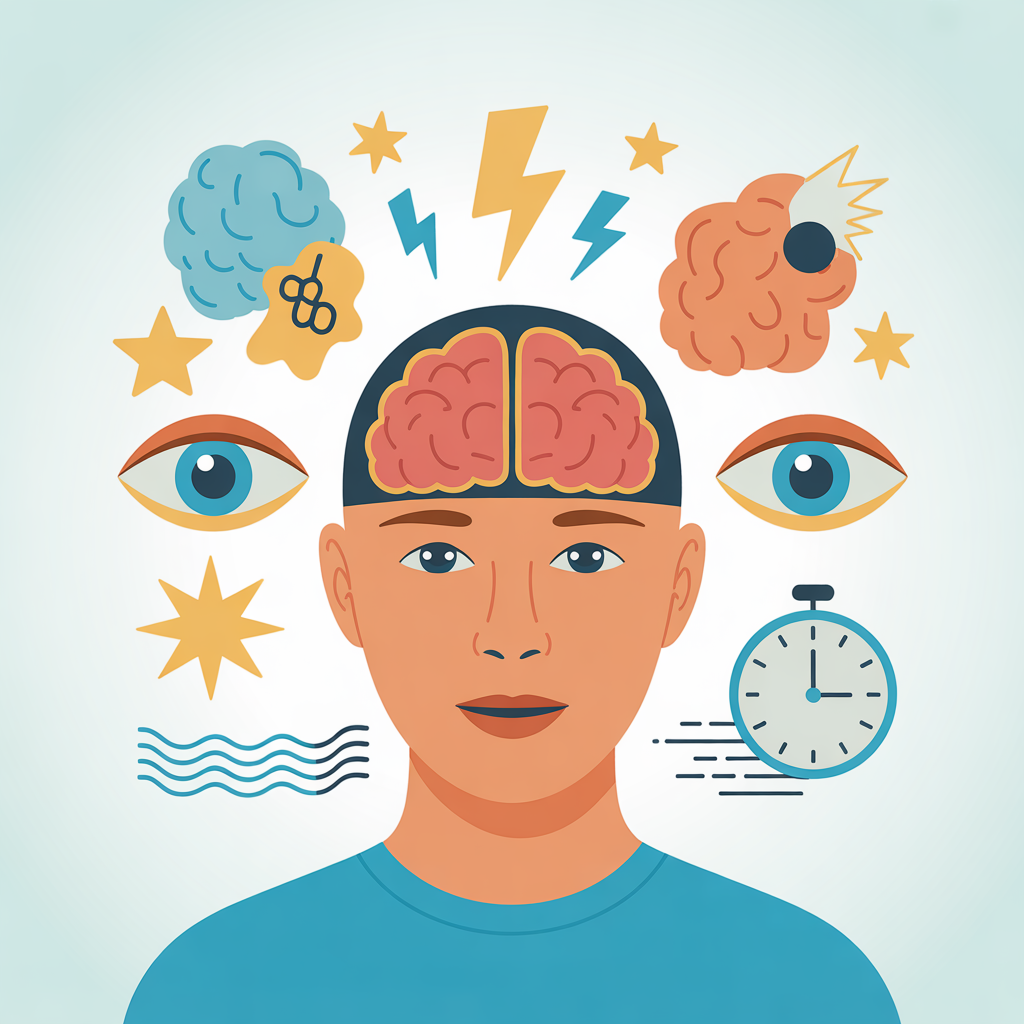
A concussion is a type of mild traumatic brain injury (TBI) caused by a bump, blow, or jolt to the head that temporarily disrupts normal brain function. It can happen to anyone — athletes, children, adults, and older individuals alike. While a concussion is often labeled as “mild,” it is still a serious medical condition that deserves immediate attention. One of the biggest challenges with concussions is that symptoms are not always obvious right away. In some cases, signs may appear hours or even days after the initial head injury. Knowing what a concussion feels like and how to recognize its warning signs is essential for protecting your brain health and preventing long-term complications.
1. Headache or Pressure in the Head
One of the most common and earliest signs of a concussion is a persistent headache or a feeling of pressure inside the skull. This is often described as a dull, throbbing ache that may worsen with physical activity or mental exertion.
- The headache may begin immediately after the injury or develop gradually over several hours.
- It can range from mild discomfort to an intense, debilitating pain.
- Unlike typical headaches, concussion-related head pain often does not respond well to standard over-the-counter pain relief — always consult a doctor before taking any medication.
- In some individuals, the headache is accompanied by a feeling of tightness or fullness in the head.
If a headache following a head injury becomes progressively worse, this may indicate a more serious brain injury and requires emergency medical evaluation.
2. Confusion or Feeling “Foggy”
A hallmark symptom of a concussion is a state of mental confusion or a sensation commonly described as “brain fog.” Those who experience this may find it difficult to think clearly, process information, or respond to simple questions.
- The person may appear dazed, stunned, or disoriented immediately after the head injury.
- They may not be sure where they are, what they were doing, or what happened to them.
- Difficulty following conversations or completing routine tasks is also common.
- This mental cloudiness can last from a few minutes to several days, depending on the severity of the concussion.
If someone around you has just suffered a head injury and seems unusually confused or unresponsive, treat it as a medical emergency.
3. Temporary Loss of Consciousness
Although it does not occur in every concussion, a brief loss of consciousness is one of the most recognizable signs. Contrary to popular belief, you do not need to lose consciousness to have a concussion — in fact, most concussions do not result in blacking out.
- When it does occur, the loss of consciousness is typically brief, lasting from a few seconds to a couple of minutes.
- The person may seem unresponsive or limp immediately after the head impact.
- Even a momentary blackout following a head injury warrants prompt medical evaluation.
- Prolonged unconsciousness (more than a minute or two) suggests a more severe brain injury.
4. Memory Loss (Amnesia)
Memory problems are a very telling indicator of a concussion. A person may have difficulty recalling events that happened just before (retrograde amnesia) or just after (anterograde amnesia) the head injury.
- Retrograde amnesia: The individual cannot remember events leading up to the injury, such as what they were doing moments before the impact.
- Anterograde amnesia: The individual struggles to form new memories after the injury and may repeatedly ask the same questions.
- Memory gaps can range from a few minutes to several hours of lost recollection.
- This symptom is one of the key reasons why medical professionals take head injuries very seriously, even when they appear minor.
5. Dizziness or Balance Problems
Feeling dizzy, unsteady, or off-balance is another frequently reported concussion symptom. The brain plays a central role in maintaining balance and spatial orientation, and a concussion can temporarily impair these functions.
- The person may feel lightheaded, as if the room is spinning (vertigo).
- They may stumble, struggle to walk in a straight line, or feel uncoordinated.
- Dizziness may worsen when the person stands up quickly or moves their head.
- Balance issues can increase the risk of falls and secondary injuries, especially in older adults.
6. Nausea or Vomiting
Nausea following a head impact is a common symptom of a concussion. It often accompanies dizziness and headaches and is the body’s response to the sudden disruption of brain function.
- Mild nausea may resolve within a few hours after the injury.
- Vomiting, particularly if it occurs more than once, is considered a red-flag warning sign.
- Repeated vomiting after a head injury may indicate increased pressure in the brain and requires immediate emergency care.
- Children are especially prone to nausea and vomiting after a concussion.
7. Sensitivity to Light (Photophobia)
Many concussion sufferers develop an increased sensitivity to light, a condition known as photophobia. Even normal indoor lighting may feel overwhelming and painful after a brain injury.
- Bright sunlight, overhead fluorescent lights, or even phone and computer screens can trigger or worsen headaches.
- The eyes may feel strained or painful when exposed to light sources.
- Wearing sunglasses indoors or seeking out dimly lit environments may provide temporary relief.
- Light sensitivity can persist for days or even weeks in cases of post-concussion syndrome.
8. Sensitivity to Noise (Phonophobia)
Similar to light sensitivity, an increased sensitivity to sound is a common and often disabling symptom of a concussion. Loud environments that were previously tolerable may become extremely uncomfortable or even painful.
- Everyday sounds such as music, traffic, or crowded conversations may feel amplified and distressing.
- The person may prefer quiet, calm environments and feel irritable when exposed to noise.
- Phonophobia often co-occurs with photophobia and headaches, making recovery particularly challenging.
- Wearing noise-canceling headphones or earplugs in noisy settings may help manage this symptom temporarily.
9. Sleep Disturbances
Concussions commonly disrupt a person’s normal sleep patterns in a variety of ways. Sleep problems after a head injury can take different forms depending on the individual.
- Sleeping more than usual: Feeling extremely fatigued and needing far more sleep than normal is common in the days following a concussion.
- Difficulty falling or staying asleep: Paradoxically, some individuals with concussions struggle with insomnia, even while feeling exhausted.
- Disrupted sleep quality: The person may wake frequently during the night or experience vivid, disturbing dreams.
- Poor sleep after a concussion can slow the brain’s recovery process, making it especially important to prioritize rest.
Note: A common myth suggests that people with concussions should not be allowed to sleep. In reality, sleep is essential for recovery. However, if you suspect a severe injury, consult a medical professional first.
10. Mood and Behavioral Changes
A concussion can significantly affect a person’s emotional state and behavior. These psychological changes are real, neurologically based symptoms — not simply a reaction to stress or frustration about the injury.
- Irritability: The person may become easily frustrated, short-tempered, or unusually emotional.
- Sadness or depression: Feelings of low mood or hopelessness may emerge or worsen after a concussion.
- Anxiety: Heightened worry, nervousness, or panic can develop as a direct result of the brain injury.
- Emotional instability: Crying or laughing unexpectedly without a clear reason is also possible.
These mood changes can be distressing for both the patient and their loved ones. It is important to recognize them as symptoms of the brain injury rather than personal character flaws.
11. Cognitive Difficulties (Concentration and Thinking Problems)
The brain’s cognitive functions — including the ability to concentrate, solve problems, and process information — are frequently affected by a concussion. These difficulties are sometimes referred to as “cognitive fatigue.”
- The person may have trouble focusing on tasks, reading, or holding a conversation.
- Completing schoolwork, professional tasks, or everyday responsibilities may suddenly feel overwhelming.
- The individual may feel mentally exhausted after very little cognitive effort.
- Slowed reaction times and difficulty making decisions are also commonly reported.
Children and students may notice a significant decline in academic performance following a concussion, which is an important signal that should not be dismissed.
12. Vision Problems
Visual disturbances are less frequently discussed but are a very real and impactful set of concussion symptoms. The brain plays a critical role in processing visual information, and a concussion can disrupt this pathway.
- Blurry vision: Objects may appear out of focus or difficult to see clearly.
- Double vision (diplopia): Seeing two images of a single object is a significant warning sign.
- Difficulty tracking moving objects: The eyes may struggle to follow a moving target smoothly.
- Seeing stars or flashing lights: Many people describe seeing brief flashes or “stars” at the moment of impact.
- Any sudden, severe, or persistent vision changes after a head injury should be assessed by a medical professional as soon as possible.
Main Causes of Concussion
Understanding what causes a concussion can help in identifying risk situations and taking preventive steps. A concussion occurs when the brain moves rapidly back and forth inside the skull, causing chemical changes and sometimes damaging brain cells. Common causes include:
- Sports injuries: Contact sports such as football, hockey, soccer, rugby, boxing, and basketball are among the most common sources of concussions, particularly in athletes of all ages.
- Falls: Falling is the leading cause of concussions, especially in young children and adults over 65. Slipping on wet floors, falling from a height, or tripping on uneven surfaces can all result in a head impact.
- Motor vehicle accidents: Car, motorcycle, and bicycle crashes can cause the head to jolt forward and backward violently, even without direct impact to the skull.
- Physical assault: Being struck in the head during a fight or physical altercation can cause a concussion.
- Workplace accidents: Jobs in construction, military service, and other high-risk environments carry an elevated risk of head injury.
- Explosive blasts: Military personnel are particularly susceptible to concussions caused by the shockwaves from nearby explosions.
How to Prevent a Concussion
While it is impossible to eliminate the risk of a concussion entirely, there are several practical measures you can take to significantly reduce your chances of sustaining one:
- Wear appropriate protective gear: Always use a properly fitted helmet when cycling, skateboarding, skiing, snowboarding, or playing contact sports. Ensure children use helmets that meet current safety standards.
- Follow sports safety rules: Adhere to the rules and regulations of your sport, which are designed in part to minimize dangerous collisions and head impacts.
- Use seatbelts: Always buckle up in a vehicle. Seatbelts significantly reduce the risk of head injury in car accidents.
- Prevent falls at home: Install handrails on staircases, use non-slip mats in bathrooms, keep floors clear of hazards, and ensure adequate lighting throughout your home.
- Strengthen neck muscles: A strong neck can help absorb some of the force of a head impact. Regular neck-strengthening exercises are beneficial for athletes in contact sports.
- Educate coaches, parents, and athletes: Awareness of concussion symptoms and early reporting culture in sports is critical for preventing repeat concussions, which are significantly more dangerous than a first one.
- “When in doubt, sit it out”: If you or someone around you may have sustained a concussion during sports or activity, stop play immediately and seek medical evaluation before returning.
Frequently Asked Questions (FAQ)
What is a concussion?
A concussion is a mild traumatic brain injury caused by a bump, blow, or jolt to the head that temporarily disrupts how the brain functions. It does not always involve loss of consciousness.
How long after hitting your head can concussion symptoms start?
Concussion symptoms can appear immediately after a head injury, but in many cases, they may be delayed — sometimes appearing hours or even 1–2 days after the impact. This is why monitoring for symptoms in the 48 hours following any significant head injury is important.
Do I have a concussion if I didn’t lose consciousness?
Yes. Loss of consciousness is not required for a concussion diagnosis. The majority of concussions do not involve blacking out. Symptoms like headache, confusion, dizziness, and nausea are sufficient indicators.
What does a concussion feel like?
Most people describe a concussion as feeling like a persistent headache combined with mental fogginess, difficulty concentrating, dizziness, and general fatigue. Some compare it to feeling “not quite right” in their thinking and mood.
Are there different types of concussions?
Concussions are generally classified by severity — mild, moderate, and severe — based on the intensity and duration of symptoms. All types involve temporary disruption of brain function and should be evaluated by a healthcare professional.
When should I go to the emergency room for a concussion?
Seek emergency medical care immediately if you or someone else experiences: one pupil larger than the other, repeated vomiting, seizures, extreme drowsiness or inability to be woken up, slurred speech, worsening headache, or loss of consciousness lasting more than a minute.
Can children have different concussion symptoms than adults?
Yes. In addition to the typical symptoms, young children may show signs such as excessive crying, changes in eating or nursing habits, loss of new skills they had already learned, unusual irritability, or loss of balance when walking.
How long do concussion symptoms last?
Most concussion symptoms resolve within 7 to 14 days. However, in some individuals — particularly those who return to activity too soon — symptoms can persist for weeks or months, a condition known as post-concussion syndrome.
References: