
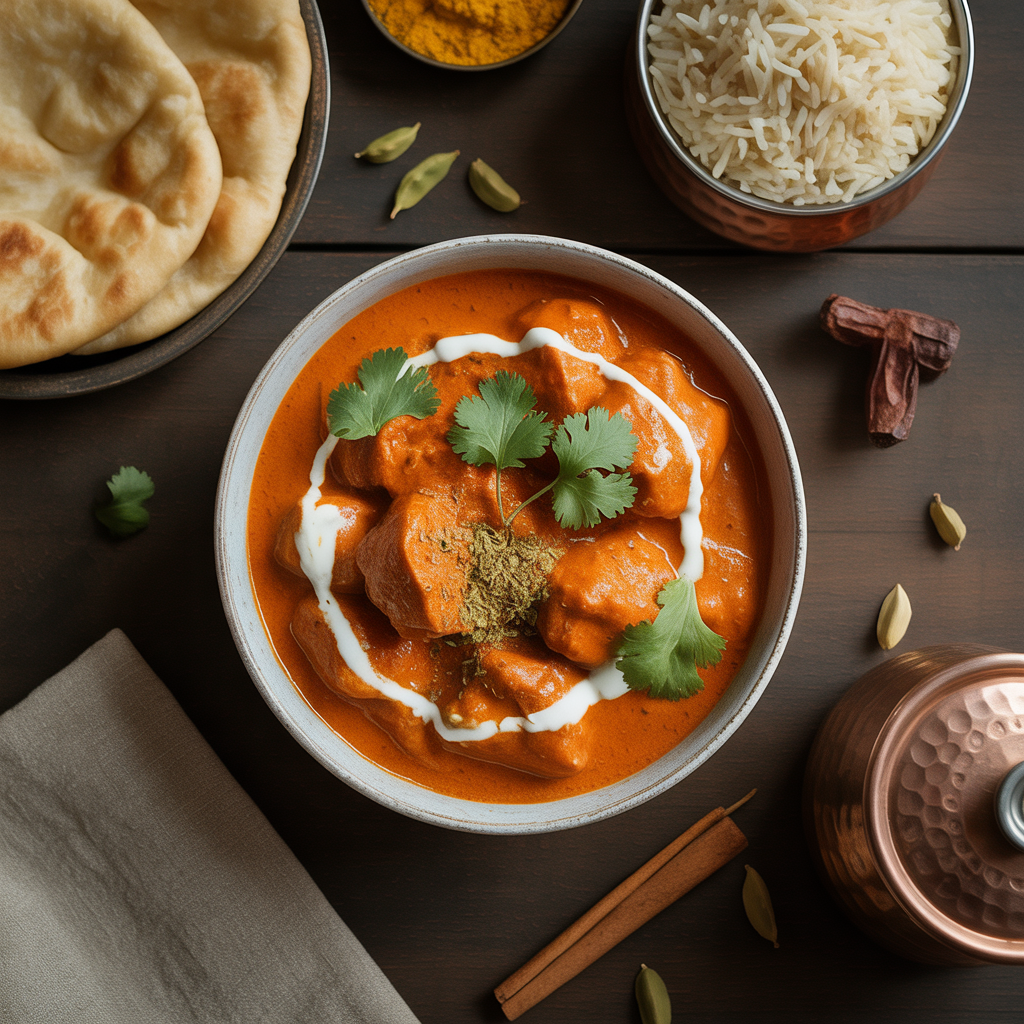
If you’ve ever wanted to recreate the magic of your favorite Indian restaurant at home, this Butter Chicken recipe is exactly what you need. Known in Hindi as Murgh Makhani, Butter Chicken is one of the most beloved Indian dishes in the world — and for good reason. It features tender, juicy chicken simmered in a luxuriously creamy, mildly spiced tomato-based sauce that’s rich, aromatic, and deeply satisfying. The best part? It’s surprisingly easy to make at home with pantry-friendly ingredients.
In this guide, you’ll find everything you need: the ingredient list, step-by-step instructions, expert tips, common mistakes to avoid, serving suggestions, and answers to the most frequently asked questions about Butter Chicken.
What Is Butter Chicken?
Butter Chicken originated in Delhi, India, in the 1950s at the iconic Moti Mahal restaurant. Chef Kundan Lal Gujral is credited with creating this dish almost by accident — he blended leftover tandoori chicken into a rich tomato, cream, and butter sauce. The result was a dish so irresistible it quickly became a global sensation.
Unlike many Indian curries that are fiery and bold, Butter Chicken is known for its mild, slightly sweet, and creamy flavor profile. The sauce is velvety smooth, lightly spiced with warming aromatics like garam masala, cumin, and coriander, and enriched with butter and cream for that signature richness.
Why You’ll Love This Recipe
- Restaurant-quality results at home — no special equipment needed
- Mild enough for the whole family — including picky eaters and kids
- Make-ahead friendly — the sauce actually gets better the next day
- Freezer-friendly — perfect for meal prep
- Customizable heat level — easily adjusted to your preference
- Uses simple, accessible ingredients — found at most grocery stores
Ingredients You’ll Need
For the Chicken Marinade
- 1.5 lbs (700g) boneless, skinless chicken thighs or breasts, cut into bite-sized pieces
- 1 cup plain full-fat yogurt
- 2 tablespoons fresh lemon juice
- 1 teaspoon turmeric powder
- 1 teaspoon red chili powder (adjust to taste)
- 1 teaspoon garam masala
- 1 teaspoon cumin powder
- 1 teaspoon coriander powder
- 1 tablespoon ginger-garlic paste (or 3 garlic cloves + 1-inch ginger, minced)
- 1 teaspoon salt
- 1 tablespoon neutral oil (vegetable or canola)
For the Butter Chicken Sauce
- 3 tablespoons unsalted butter (divided)
- 1 tablespoon neutral oil
- 1 large yellow onion, finely chopped
- 5 garlic cloves, minced
- 1-inch piece of fresh ginger, grated
- 2 teaspoons garam masala
- 1.5 teaspoons cumin powder
- 1.5 teaspoons coriander powder
- 1 teaspoon turmeric powder
- 1 teaspoon red chili powder or Kashmiri chili powder (for color with mild heat)
- 1 can (14 oz / 400g) crushed tomatoes or 4 large fresh tomatoes, blended
- 1 teaspoon sugar (optional, balances acidity)
- 1 cup heavy cream (or coconut cream for dairy-free)
- 1 tablespoon dried fenugreek leaves (kasuri methi) — do not skip this!
- Salt to taste
- Fresh cilantro for garnish
Step-by-Step Instructions
Step 1: Marinate the Chicken
In a large bowl, combine the yogurt, lemon juice, turmeric, red chili powder, garam masala, cumin, coriander, ginger-garlic paste, salt, and oil. Mix well to form a smooth marinade.
Add the chicken pieces and coat them thoroughly. Cover the bowl with plastic wrap and refrigerate for at least 1 hour, but ideally overnight (8–12 hours). The longer the chicken marinates, the more flavorful and tender it will be.
Step 2: Cook the Chicken
You have three options for cooking the marinated chicken:
- Grill or broil (recommended): Preheat your grill or oven broiler to high heat. Cook the chicken pieces for 5–7 minutes per side until charred in spots and cooked through. This adds a wonderful smoky flavor that mimics the tandoor oven.
- Stovetop (skillet): Heat a large cast-iron or non-stick skillet over high heat with a bit of oil. Sear the chicken pieces in batches for 4–5 minutes per side until golden brown. Avoid overcrowding the pan.
- Air fryer: Cook at 400°F (200°C) for 12–15 minutes, flipping halfway through.
Set the cooked chicken aside. Don’t worry if it’s slightly undercooked in the center — it will finish cooking in the sauce.
Step 3: Make the Sauce Base
In a large, heavy-bottomed pot or Dutch oven, melt 2 tablespoons of butter with 1 tablespoon of oil over medium heat. The oil prevents the butter from burning.
Add the finely chopped onions and sauté for 10–12 minutes, stirring occasionally, until they are deep golden brown. This step is crucial — properly caramelized onions form the flavor foundation of a great Butter Chicken sauce.
Add the minced garlic and grated ginger. Sauté for another 2 minutes until fragrant.
Step 4: Add Spices and Tomatoes
Reduce the heat to medium-low. Add the garam masala, cumin, coriander, turmeric, and red chili powder to the onion mixture. Stir constantly for 1–2 minutes until the spices are fragrant and toast slightly. This step (called “blooming” the spices) is essential for unlocking their full flavor.
Pour in the crushed tomatoes and stir well to combine. Add the sugar if using. Bring the mixture to a simmer and cook for 15–20 minutes, stirring occasionally, until the oil begins to separate from the tomato mixture and the sauce has thickened.
Step 5: Blend the Sauce
Remove the pot from the heat and allow the sauce to cool slightly. Using an immersion blender (or carefully transfer to a countertop blender in batches), blend the sauce until it is completely smooth and velvety.
Return the blended sauce to the pot over low heat. If the sauce is too thick, add a splash of water or chicken broth to loosen it.
Step 6: Add Cream and Chicken
Pour in the heavy cream, stirring gently to incorporate. Add the remaining 1 tablespoon of butter for extra richness. Let the sauce simmer on low heat for 5 minutes.
Add the cooked chicken pieces to the sauce, along with any resting juices from the plate. Stir to coat the chicken evenly.
Crush the dried fenugreek leaves (kasuri methi) between your palms before adding them — this releases their aromatic oils. Stir them into the sauce. Taste and adjust salt as needed.
Simmer everything together for 8–10 minutes on low heat until the chicken is fully cooked through and has absorbed the flavors of the sauce.
Step 7: Garnish and Serve
Remove from heat. Drizzle a little extra cream on top for presentation. Garnish generously with fresh cilantro leaves. Serve immediately with your choice of accompaniments.
The Secret Ingredients That Make a Difference
1. Kasuri Methi (Dried Fenugreek Leaves)
This is arguably the most important secret ingredient in authentic Butter Chicken. Kasuri methi has a slightly bitter, intensely aromatic flavor that gives the dish its signature restaurant taste. Find it at Indian grocery stores or online. There is no real substitute — if you can’t find it, try using a small amount of dried thyme or celery leaves, though neither is a perfect replacement.
2. Kashmiri Chili Powder
Kashmiri chili powder gives Butter Chicken its beautiful, vibrant orange-red color without adding excessive heat. If you can’t find it, use a combination of sweet paprika and a pinch of cayenne.
3. Full-Fat Dairy
Don’t skimp on the cream or yogurt. Full-fat versions create the richest, creamiest texture. Low-fat substitutes can cause the sauce to curdle or taste thin.
4. Browning the Onions Properly
Many people rush this step, but deeply caramelized onions are the backbone of a great curry sauce. Be patient and take the full 10–12 minutes.
Expert Tips for the Best Butter Chicken
- Use chicken thighs: They stay juicier and more flavorful than chicken breasts, especially after long simmering in the sauce.
- Don’t skip the marinade: The yogurt tenderizes the chicken through enzymatic action and helps the spices penetrate deeply.
- Get char on the chicken: That slight char mimics the tandoor oven and adds incredible depth to the final dish.
- Blend the sauce completely smooth: This is what gives restaurant-style Butter Chicken its silky, luxurious texture.
- Finish with butter: Adding a cold pat of butter at the end (a technique called “mounting”) creates an ultra-glossy, rich sauce.
- Let it rest before serving: Like most curries, Butter Chicken tastes even better after sitting for 10–15 minutes as the flavors meld together.
- Make it a day ahead: The flavor improves significantly overnight as the spices continue to develop. Reheat gently on the stovetop, adding a splash of cream or water if needed.
Common Mistakes to Avoid
- Not marinating long enough: A minimum of 1 hour is necessary; overnight is ideal.
- Cooking the chicken directly in the sauce without searing: You’ll miss the essential Maillard reaction that creates deep, complex flavor.
- Using too many tomatoes: An overly acidic sauce becomes sour rather than balanced. Use the sugar to neutralize if needed.
- Adding cream to a boiling sauce: Always reduce heat to low before adding cream to prevent curdling.
- Skipping the blending step: An unblended chunky sauce is perfectly edible but lacks the characteristic velvety smoothness of authentic Butter Chicken.
- Under-seasoning: Taste and adjust salt generously — a well-seasoned sauce is what brings all the flavors into focus.
Variations and Substitutions
Dairy-Free / Vegan Butter Chicken
Replace the yogurt with coconut yogurt, the heavy cream with full-fat coconut cream, and the butter with vegan butter or coconut oil. Replace the chicken with firm tofu, chickpeas, cauliflower florets, or paneer (use dairy-free paneer for fully vegan).
Paneer Butter Masala
Swap the chicken for cubed paneer (Indian fresh cheese). Follow the same recipe but reduce the cooking time since paneer doesn’t need to be cooked as long.
Instant Pot Butter Chicken
Sauté the onions, garlic, ginger, and spices using the Sauté function. Add tomatoes and chicken (marinated but not pre-cooked). Pressure cook on High for 10 minutes with a natural release. Open, blend the sauce, stir in cream, and simmer using the Sauté function for 5 more minutes.
Slow Cooker Butter Chicken
Add all ingredients except cream and kasuri methi to the slow cooker. Cook on Low for 6–8 hours or High for 3–4 hours. Blend the sauce, stir in cream and kasuri methi, and let it cook for another 15 minutes on High.
Spicier Version
Increase the chili powder, add 1–2 fresh green chilies (serranos or jalapeños) to the sauce base, or finish with a drizzle of chili oil.
What to Serve with Butter Chicken
Butter Chicken is incredibly versatile and pairs beautifully with a wide variety of accompaniments:
Breads
- Naan — The classic pairing. Use it to scoop up the rich sauce.
- Garlic Naan — Even better for soaking up the sauce.
- Roti or Chapati — A lighter, whole wheat flatbread option.
- Paratha — Flaky, layered Indian flatbread.
- Store-bought pita bread — A convenient alternative.
Rice
- Basmati rice — The traditional and most aromatic choice.
- Jeera (cumin) rice — Basmati rice toasted with cumin seeds.
- Plain steamed rice — Simple and effective.
- Cauliflower rice — For a low-carb option.
Side Dishes
- Cucumber raita (yogurt dip with cucumber and mint)
- Sliced onions with lemon juice and chili flakes (Indian-style onion salad)
- Mango chutney
- Dal (lentil soup)
- Saag (creamy spinach curry)
Storage and Reheating Instructions
Refrigerator
Store Butter Chicken in an airtight container in the refrigerator for up to 4 days. The flavors will continue to develop and deepen over time.
Freezer
Butter Chicken freezes exceptionally well. Allow it to cool completely, then transfer to freezer-safe containers or heavy-duty zip-lock bags. Freeze for up to 3 months. Label with the date.
Reheating
Thaw frozen Butter Chicken overnight in the refrigerator. Reheat gently in a saucepan over low-medium heat, stirring frequently. Add a splash of water or cream to loosen the sauce if it has thickened. You can also microwave it in 1-minute intervals, stirring between each interval.
Note: The cream-based sauce can sometimes look slightly separated after freezing and thawing. Simply stir it well while reheating and it will come back together.
Nutritional Information (Approximate per serving)
Based on 6 servings, using chicken thighs and heavy cream.
- Calories: ~420 kcal
- Protein: 32g
- Carbohydrates: 12g
- Fat: 28g
- Saturated Fat: 14g
- Fiber: 2g
- Sodium: ~580mg
Note: Nutritional values are approximate and will vary depending on specific ingredients and portion sizes used.
Frequently Asked Questions (FAQs)
What is the difference between Butter Chicken and Chicken Tikka Masala?
These two dishes are often confused because they look similar, but they have distinct differences. Butter Chicken tends to be sweeter, creamier, and more mellow in flavor, with a sauce that is almost entirely butter and cream-forward. Chicken Tikka Masala is generally spicier, tangier, and more complex, with a tomato-forward sauce that may contain additional aromatics like peppers and onions in chunkier form. Butter Chicken was created in India; Chicken Tikka Masala is often attributed to South Asian chefs in the United Kingdom.
Can I make Butter Chicken without cream?
Yes! You can substitute heavy cream with full-fat coconut cream for a dairy-free version that still achieves a rich, creamy texture. You can also use cashew cream: soak 1/2 cup raw cashews in hot water for 30 minutes, drain, and blend with 1/2 cup water until completely smooth.
Is Butter Chicken spicy?
Traditional Butter Chicken is mild to medium in heat. The spices used are primarily aromatic rather than hot. You can easily increase or decrease the heat level by adjusting the amount of chili powder or fresh green chilies.
Can I use chicken breasts instead of thighs?
Yes, but chicken thighs are strongly recommended because they are more forgiving, juicier, and don’t dry out as easily during cooking. If you use chicken breasts, be careful not to overcook them — they can become tough and dry.
What if I don’t have kasuri methi (dried fenugreek leaves)?
Kasuri methi is highly recommended for authentic flavor. If you truly cannot find it, you can omit it, but the dish will taste noticeably different. A very small amount of dried thyme can approximate some of the herbal notes, though it’s not a perfect substitute.
My sauce is too thick. How do I fix it?
Simply add warm water, chicken broth, or a splash of cream, a few tablespoons at a time, stirring until you reach your desired consistency.
My sauce is too thin. How do I fix it?
Simmer the sauce uncovered on low heat for an additional 10–15 minutes, stirring occasionally, until it reduces and thickens to your liking.
Can I make Butter Chicken without a blender?
Yes. You can skip the blending step entirely, but the sauce will have a chunkier, more rustic texture. To get a smoother result without a blender, grate the tomatoes and onions instead of chopping them, and mash everything with a wooden spoon during cooking.
Recipe Card
Prep Time: 15 minutes (+ 1 hour to overnight marinating)
Cook Time: 45 minutes
Total Time: 1 hour (active) + marinating time
Servings: 4–6
Cuisine: Indian
Difficulty: Easy to Intermediate
Quick Summary of Instructions:
- Marinate chicken in yogurt-spice mixture for at least 1 hour.
- Grill, broil, or pan-sear the chicken until charred and cooked through. Set aside.
- Sauté onions in butter and oil until deep golden brown (10–12 minutes).
- Add garlic, ginger, and spices. Cook for 2 minutes.
- Add crushed tomatoes and simmer for 15–20 minutes until oil separates.
- Blend the sauce until smooth.
- Stir in cream and remaining butter. Simmer 5 minutes.
- Add cooked chicken and kasuri methi. Simmer 8–10 minutes.
- Garnish with cilantro and cream. Serve with naan or basmati rice.
Final Thoughts
This Butter Chicken recipe truly delivers restaurant-quality results from the comfort of your own kitchen. The combination of smoky, spice-marinated chicken swimming in that velvety, cream-enriched tomato sauce is nothing short of irresistible. Once you’ve made it yourself, you’ll understand why this dish has captured the hearts (and taste buds) of people all over the world.
Whether you’re making it for a cozy weeknight dinner, a special occasion, or simply to satisfy a craving, this recipe will not disappoint. Don’t be intimidated by the ingredient list — most of the spices are pantry staples, and the process is surprisingly straightforward once you’ve done it once.
Try it this week, and don’t forget to let it rest before serving — that extra 10 minutes makes all the difference. Enjoy your homemade Butter Chicken!