
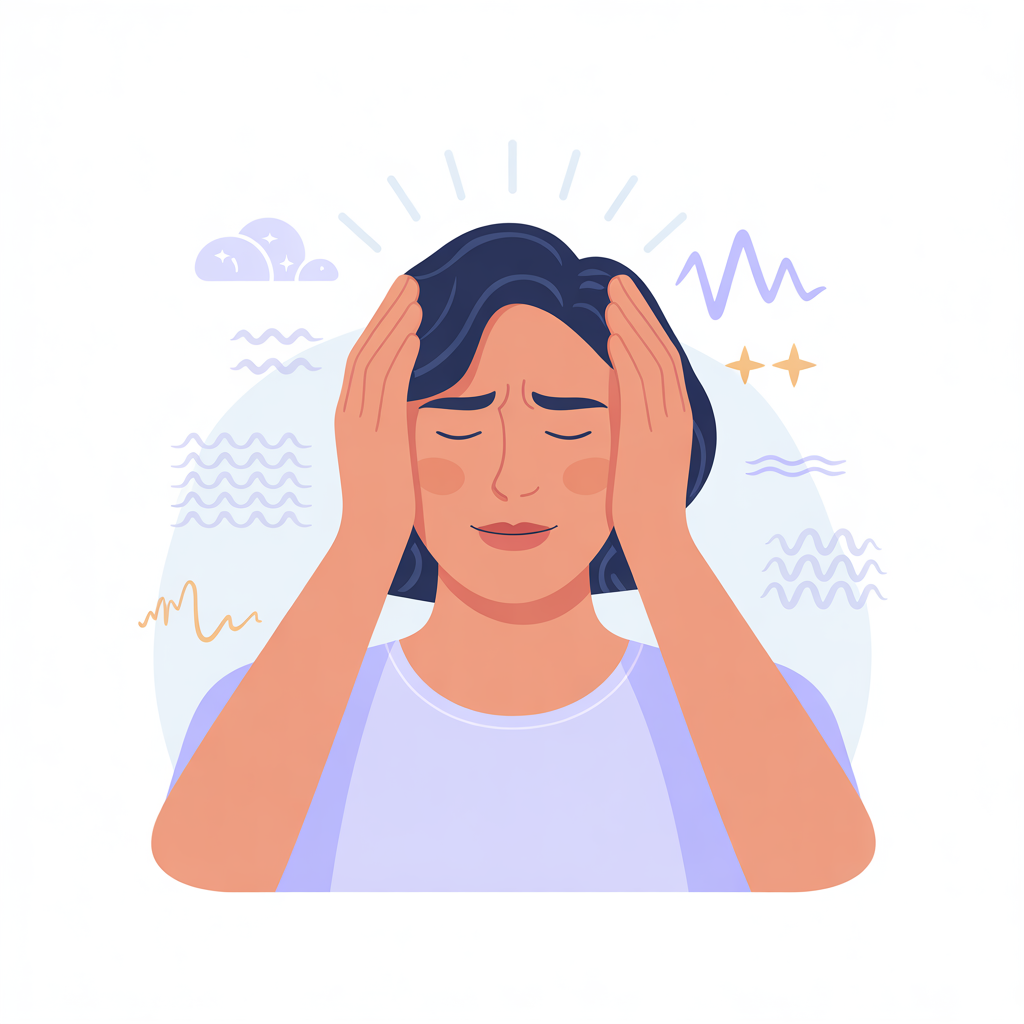
A migraine is far more than just a bad headache. It is a complex neurological condition that affects millions of people worldwide, causing intense, debilitating episodes that can last anywhere from a few hours to several days. Understanding migraine symptoms is the first and most important step toward identifying the condition, seeking proper care, and improving your quality of life. Whether you experience migraines occasionally or frequently, recognizing the warning signs early can make a significant difference. Below is a comprehensive guide to the most common symptoms associated with migraines.
1. Throbbing or Pulsating Head Pain
The most recognized symptom of a migraine is a severe, throbbing, or pulsating pain — typically on one side of the head, though it can affect both sides. This pain is often described as a rhythmic pounding or beating sensation that worsens with physical activity, bending over, or sudden movement.
- The pain is usually moderate to severe in intensity.
- It most commonly affects the forehead, temples, or the area behind one eye.
- The pain can shift sides during or between attacks.
- Without treatment, migraine pain can last between 4 to 72 hours.
Many people describe this as feeling like their head is being squeezed from the inside. Physical exertion, such as climbing stairs or even walking quickly, often intensifies the pain significantly.
2. Nausea and Vomiting
Nausea is one of the most common accompanying symptoms of a migraine and can be quite debilitating on its own. It often begins alongside or shortly after the head pain and may progress to vomiting in more severe cases.
- Nausea can make it difficult to eat or drink during an attack.
- Vomiting, while unpleasant, sometimes temporarily relieves migraine pain for some individuals.
- The combination of vomiting and severe pain can lead to dehydration, which may worsen the migraine.
This gastrointestinal component of migraines is believed to be related to changes in the brain’s serotonin levels, which affect both pain pathways and the gut. In some cases, nausea can be so severe that it becomes the most disabling part of the migraine episode.
3. Sensitivity to Light (Photophobia)
Photophobia, or extreme sensitivity to light, is a hallmark symptom of migraines. During an attack, even normal indoor lighting can feel unbearably bright and painful to the eyes.
- Bright sunlight, fluorescent lights, and even phone or computer screens can trigger or worsen symptoms.
- Most people with migraines seek dark, quiet rooms during an episode.
- This sensitivity is caused by abnormal processing of sensory signals in the brain during a migraine attack.
Photophobia is not simply a preference for dim light — it is a genuine neurological response in which visual stimulation amplifies pain and discomfort. Many migraine sufferers find that wearing sunglasses or using blackout curtains provides some relief.
4. Sensitivity to Sound (Phonophobia)
Similar to light sensitivity, phonophobia (sensitivity to sound) is extremely common during migraines. Ordinary sounds that would typically go unnoticed — such as a television in another room, conversations, or traffic noise — can feel painfully loud and jarring.
- Even soft sounds can intensify head pain significantly.
- Sufferers often need to retreat to a quiet, isolated environment.
- Phonophobia can persist even after the headache phase subsides.
This symptom reflects the brain’s heightened sensitivity during a migraine. The auditory cortex becomes hyperactivated, causing ordinary sounds to be processed as excessively loud or even physically painful.
5. Aura (Visual and Sensory Disturbances)
Approximately 25–30% of migraine sufferers experience what is known as an aura — a set of neurological symptoms that typically occur before or during the headache phase. Aura is one of the most distinguishing features of migraine with aura (previously called “classic migraine”).
Visual aura symptoms may include:
- Seeing zigzag lines, flickering lights, or shimmering waves
- Blind spots (scotoma) or tunnel vision
- Temporary partial vision loss in one eye
- Seeing geometric patterns or bright flashes
Sensory and other aura symptoms may include:
- Tingling or numbness in the face, hands, or one side of the body
- Difficulty speaking or finding words (dysphasia)
- Weakness on one side of the body (in rare hemiplegic migraines)
Aura symptoms typically develop gradually over 5–20 minutes and last no longer than 60 minutes. They are caused by a wave of electrical activity followed by suppression, which spreads across the brain’s cortex.
6. Prodrome (Early Warning Signs)
Before the actual headache begins, many people experience a prodrome phase — a collection of subtle warning signs that can appear hours or even days before the migraine attack. Recognizing these early signals can help individuals prepare and potentially reduce the severity of the episode.
- Mood changes: Sudden irritability, depression, euphoria, or anxiety without an obvious cause
- Food cravings: Unusual desire for specific foods, particularly sweets or carbohydrates
- Neck stiffness: Tension or stiffness in the neck and shoulders
- Yawning: Excessive, uncontrollable yawning even without fatigue
- Increased urination: Needing to urinate more frequently than usual
- Fluid retention: A bloated or heavy feeling
This phase reflects early changes in brain chemistry — particularly dopamine levels — before the migraine fully develops. Not everyone experiences a prodrome, but those who do often find it a reliable predictor of an upcoming attack.
7. Postdrome (“Migraine Hangover”)
After the headache phase resolves, many migraine sufferers enter the postdrome phase, often called the “migraine hangover.” This phase can last up to 24–48 hours and leaves the person feeling drained and unwell even though the pain is gone.
- Fatigue and exhaustion: Profound tiredness that makes normal activity difficult
- Cognitive fog: Difficulty concentrating, slow thinking, or memory problems
- Mood changes: Feelings of depression, confusion, or conversely, mild euphoria
- Residual head sensitivity: Dull ache or tenderness where the pain was
- Weakness: General physical weakness or low energy
The postdrome phase is often underrecognized but can be just as disabling as the headache itself. It occurs as the brain “recovers” from the intense neurological events of the migraine attack.
8. Sensitivity to Smell (Osmophobia)
An often overlooked but significant migraine symptom is osmophobia — an extreme sensitivity to odors. During a migraine, certain smells that are normally pleasant or neutral can become intensely irritating or even nauseating.
- Perfumes, cleaning products, food odors, or cigarette smoke can trigger or worsen a migraine.
- Osmophobia can also serve as a prodromal warning that an attack is coming.
- It affects an estimated 25–50% of migraine sufferers.
The exact mechanism is not fully understood, but it is believed to involve heightened activation of the olfactory system in the brain during a migraine. For many sufferers, avoiding strong smells is an important strategy during an attack.
9. Neck Pain and Stiffness
Neck pain is a frequently reported but often misunderstood symptom of migraines. Many people — and even some healthcare providers — mistake migraine-related neck pain for a musculoskeletal problem, leading to delays in proper diagnosis.
- Neck stiffness or pain often begins in the prodrome phase before the headache arrives.
- It can accompany the headache phase as well, contributing to overall discomfort.
- The pain may radiate from the base of the skull down into the shoulders.
Research suggests that the neck pain associated with migraines is neurologically driven, originating from the same pain pathways in the brainstem (the trigeminal-cervical complex) that generate migraine head pain. It is a symptom of the migraine itself — not a separate condition.
10. Dizziness and Vertigo
Dizziness, lightheadedness, and even spinning sensations (vertigo) are reported by a notable subset of migraine sufferers. A specific type known as vestibular migraine is defined primarily by these balance and spatial disorientation symptoms.
- Dizziness may occur with or without the typical head pain.
- Vertigo episodes can last from minutes to hours.
- Individuals may feel unsteady, off-balance, or experience a sensation that the room is spinning.
- Some people also experience motion sensitivity, making car rides or head movements uncomfortable.
Vestibular migraines are the second most common cause of vertigo and are thought to involve dysfunction in the brain areas that process both pain and balance information. This symptom is particularly common in women and may be linked to hormonal fluctuations.
11. Cognitive Difficulties (“Brain Fog”)
Cognitive impairment — often referred to as “brain fog” — is a distressing symptom that can affect migraine sufferers during any phase of an attack, including the prodrome, headache, and postdrome phases.
- Difficulty concentrating: Inability to focus on tasks, conversations, or reading
- Memory problems: Short-term memory lapses or forgetting words mid-sentence
- Slow processing: Thoughts feel sluggish or confused
- Difficulty speaking: Struggling to find words or express ideas clearly (also known as dysphasia)
Brain fog can severely impact work performance, academic achievement, and daily communication. It is caused by altered neurological activity in the cortex and is increasingly being recognized as a core feature of migraine, not just a side effect of pain or medication.
12. Eye Pain or Vision Problems
Beyond the aura, migraines can cause a range of eye-related symptoms that are often alarming for those experiencing them for the first time. These symptoms reflect the close connection between migraine pathways and the visual processing centers of the brain.
- Pain behind one eye: A deep, aching pain located specifically around or behind the eye
- Blurred vision: Temporary difficulty focusing or seeing clearly
- Eye redness or watering: In some migraine subtypes
- Retinal migraine: A rare form causing temporary vision loss or blindness in one eye
It is important to note that sudden, severe vision changes should always be evaluated by a medical professional immediately, as they can also indicate more serious conditions such as stroke. Any new or unusual eye symptoms during a headache warrant prompt medical attention.
13. Increased Urination and Fluid Changes
Some individuals notice changes in urination frequency in the hours leading up to a migraine attack as part of the prodrome phase. This is related to fluctuations in hormones and brain chemicals that regulate fluid balance in the body.
- An increased urge to urinate may be one of the earliest warning signals of an approaching migraine.
- Some people also notice fluid retention or bloating in the prodrome phase.
- After the headache resolves, increased urination sometimes returns as the body re-adjusts.
These changes are linked to altered levels of antidiuretic hormone (ADH) and other neuromodulators during the migraine cycle. While not the most commonly discussed symptom, it can be a valuable early indicator for those who have learned to track their migraine patterns.
What Causes Migraines?
The exact cause of migraines is not fully understood, but researchers believe it involves a complex interplay of genetic, neurological, and environmental factors. Migraines are now understood as a neurological disease, not simply tension or stress-related headaches. Common contributing factors include:
- Genetics: Migraines run in families. If one or both parents have migraines, there is a significantly higher chance their children will too.
- Brain chemistry imbalances: Fluctuations in serotonin levels play a key role in triggering migraines. Serotonin helps regulate pain in the nervous system.
- Hormonal changes: One of the most significant causes of migraines in females is hormonal fluctuation. Estrogen changes during menstruation, pregnancy, perimenopause, and from hormonal contraceptives are strongly linked to migraine onset and frequency.
- Nervous system sensitivity: The brains of migraine sufferers appear to be more reactive to internal and external stimuli, making them more susceptible to triggers.
- Common triggers (not root causes, but precipitating factors):
- Stress and anxiety
- Sleep disruptions (too much or too little sleep)
- Dehydration and skipping meals
- Bright lights, loud noises, or strong smells
- Certain foods: aged cheese, red wine, chocolate, processed meats, and foods containing MSG or artificial sweeteners
- Caffeine (both excess intake and sudden withdrawal)
- Weather changes and atmospheric pressure shifts
- Physical overexertion
How to Prevent Migraines
While migraines cannot always be fully prevented, certain lifestyle strategies can significantly reduce the frequency and severity of attacks:
- Maintain a consistent sleep schedule: Going to bed and waking up at the same time every day helps stabilize the brain’s rhythm and reduce migraine risk.
- Stay well-hydrated: Dehydration is a common and avoidable trigger. Aim to drink adequate water throughout the day.
- Eat regular meals: Skipping meals or fasting can drop blood sugar levels and precipitate migraines. Eating at consistent intervals helps.
- Identify and avoid personal triggers: Keeping a detailed migraine diary — tracking foods, sleep, stress, weather, and activities — can help you identify individual patterns and triggers.
- Manage stress effectively: Practices such as mindfulness meditation, yoga, deep breathing exercises, and regular physical activity can lower stress levels and reduce migraine frequency.
- Limit caffeine and alcohol: Both can be triggers, especially when consumed in excess or abruptly withdrawn.
- Exercise regularly: Moderate, consistent aerobic exercise (such as walking, swimming, or cycling) has been shown to reduce migraine frequency over time.
- Protect your senses: Wear sunglasses in bright light, use earplugs in loud environments, and minimize exposure to strong perfumes or chemical smells.
- Consult a healthcare professional: If you experience frequent or severe migraines, a doctor can help develop a personalized prevention plan. Always consult a doctor before taking any medication for migraine prevention or relief.
Frequently Asked Questions (FAQ)
What does a migraine feel like?
A migraine typically feels like an intense, throbbing or pulsating pain on one or both sides of the head, often accompanied by nausea, vomiting, and extreme sensitivity to light and sound. Many sufferers describe it as feeling like a drum beating inside their skull. The experience can be so debilitating that normal daily activities become impossible.
What is a migraine, exactly?
A migraine is a chronic neurological disorder characterized by recurrent, moderate-to-severe headache attacks. It is much more than a regular headache — it involves complex changes in brain chemistry and activity, and it affects the entire body, not just the head. It is one of the most common and disabling medical conditions worldwide.
What causes migraines in females specifically?
Hormonal fluctuations are the primary reason migraines are significantly more common in females than in males. Estrogen, in particular, plays a major role — drops in estrogen levels just before or during menstruation (menstrual migraines), during pregnancy, or around perimenopause can reliably trigger attacks. Hormonal contraceptives and hormone replacement therapy can also influence migraine frequency.
How long does a migraine last?
A migraine attack typically lasts between 4 and 72 hours if untreated. Some people experience shorter attacks, while others may suffer for multiple days. Including the prodrome and postdrome phases, the entire migraine cycle can span several days even if the headache itself is shorter.
Can migraines occur without a headache?
Yes. This is known as a “silent migraine” or acephalgic migraine. A person can experience all of the other migraine symptoms — such as aura, nausea, dizziness, and sensory sensitivity — without the characteristic head pain. Silent migraines can be confusing to diagnose because the defining headache is absent.
When should I see a doctor about migraines?
You should seek medical advice if your headaches are frequent, severe, or interfering with your daily life. Additionally, seek immediate emergency care if you experience: a sudden, “thunderclap” headache (the worst headache of your life), headache with fever, stiff neck, confusion, seizures, vision changes, or weakness/numbness — as these may indicate a more serious medical condition such as stroke or meningitis.
Are migraines hereditary?
Yes, migraines have a strong genetic component. Research shows that if one parent has migraines, a child has approximately a 50% chance of developing them. If both parents have migraines, the risk rises to around 75%. Certain rare migraine types, such as familial hemiplegic migraine, are caused by specific identified gene mutations.
References:
- Mayo Clinic – Migraine: Symptoms & Causes
- World Health Organization (WHO) – Headache Disorders
- Healthline – Migraine: Symptoms, Causes, Diagnosis, and Treatment
- WebMD – Migraines & Headaches Health Center
- National Institute of Neurological Disorders and Stroke (NINDS) – Migraine
- American Migraine Foundation – Understanding Migraine