
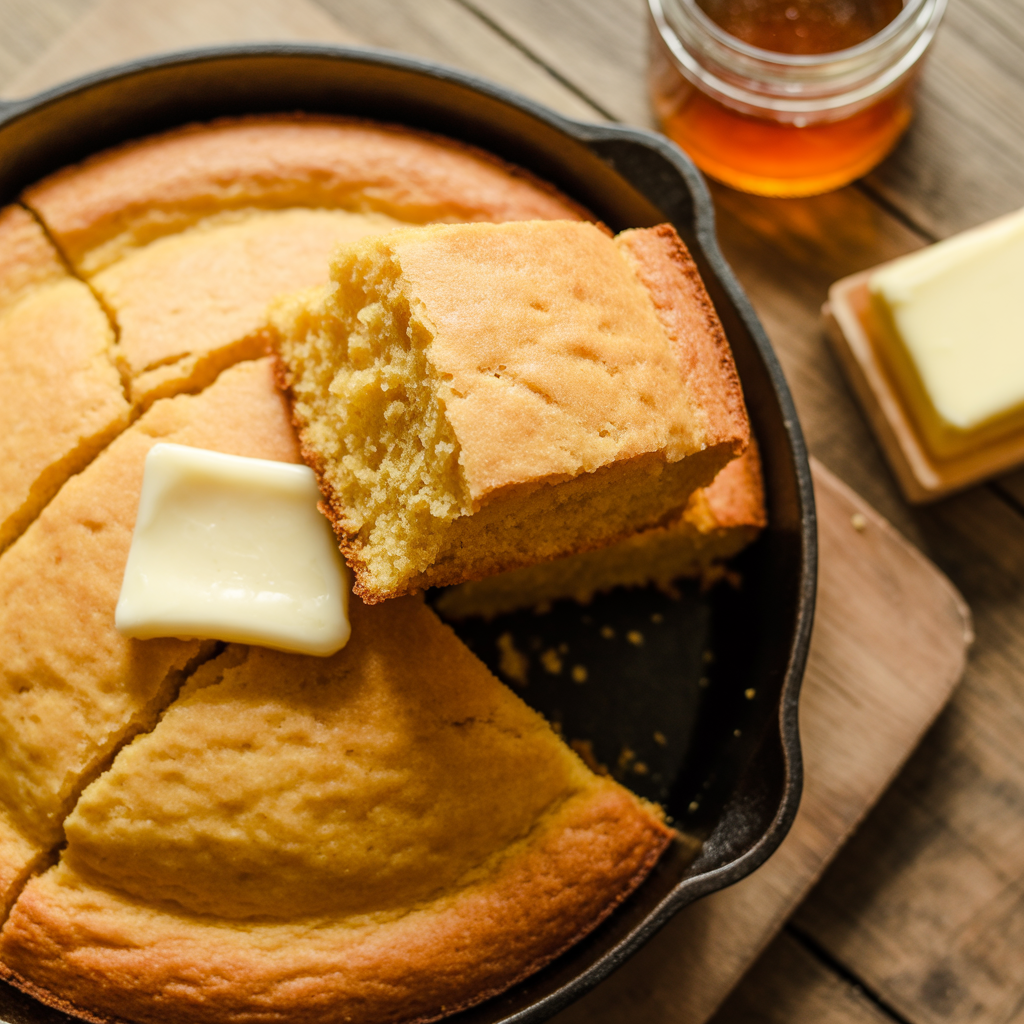
There’s nothing quite like a slice of warm cornbread — golden on the outside, tender and moist on the inside, with just the right amount of sweetness and a rich buttery flavor. Whether you’re serving it alongside a bowl of chili, a holiday feast, or enjoying it as a snack on its own, perfect cornbread is a true comfort food. But too often, homemade cornbread turns out dry, crumbly, or bland. In this guide, we’ll walk you through every trick and technique to make cornbread that is undeniably moist, sweet, and buttery every single time.
Why Does Cornbread Turn Out Dry?
Before diving into solutions, it helps to understand the problem. Cornbread tends to dry out for several common reasons:
- Too much cornmeal: Cornmeal lacks gluten, which means it doesn’t hold moisture the same way flour does. Using too much of it results in a crumbly texture.
- Overbaking: Leaving cornbread in the oven even a few minutes too long can cause it to lose moisture rapidly.
- Not enough fat: Fat is a key moisture-retaining ingredient. Skimping on butter, oil, or other fats leads to a dry result.
- Wrong liquid ratio: Not using enough wet ingredients like buttermilk, sour cream, or eggs can throw off the texture.
The Secret Ingredients for Moist, Sweet, and Buttery Cornbread
The difference between average cornbread and extraordinary cornbread often comes down to a few key ingredients. Here’s what you need and why:
1. Butter (Brown It for Extra Flavor)
Using real butter — not margarine — is non-negotiable if you want rich, buttery flavor. For an even deeper flavor, try browning your butter before adding it to the batter. Brown butter adds a nutty, caramel-like depth that takes cornbread to the next level. Use at least ½ cup (1 stick) of butter for a standard 8×8-inch pan.
2. Buttermilk
Buttermilk is a game-changer for moist cornbread. Its acidity reacts with the leavening agents (baking soda and baking powder) to create a lighter, more tender crumb. It also adds a subtle tang that complements the sweetness perfectly. If you don’t have buttermilk on hand, you can make a quick substitute by mixing 1 cup of milk with 1 tablespoon of white vinegar or lemon juice and letting it sit for 5 minutes.
3. Sour Cream or Greek Yogurt
This is one of the best-kept secrets for ultra-moist cornbread. Adding ½ cup of sour cream or full-fat Greek yogurt to your batter adds fat, moisture, and a slight tang without making the bread taste sour. It creates a wonderfully soft, almost cake-like texture.
4. Creamed Corn
For an extra burst of corn flavor and incredible moisture, add a can of creamed corn to your batter. It may seem like an unusual addition, but it keeps the cornbread moist for days and gives it a luscious, almost pudding-like interior.
5. Sugar and Honey
Sweetness is a matter of preference, but for Southern-style sweet cornbread, the combination of granulated sugar and honey works beautifully. Sugar sweetens the crumb while honey adds moisture and a floral sweetness. Use about ¼ cup sugar and 2 tablespoons of honey as a starting point and adjust to your taste.
6. Eggs
Eggs provide structure and richness. Using 2 large eggs (or even adding an extra yolk) contributes to a richer, more tender cornbread. Make sure your eggs are at room temperature before mixing — this helps them incorporate more evenly into the batter.
The Perfect Moist and Buttery Cornbread Recipe
Now that you know the key ingredients, here’s a full recipe that puts it all together:
Ingredients
- 1 cup yellow cornmeal (finely ground for a smoother texture)
- 1 cup all-purpose flour
- ¼ cup granulated sugar
- 2 tablespoons honey
- 1 tablespoon baking powder
- ½ teaspoon baking soda
- ½ teaspoon salt
- 2 large eggs, room temperature
- 1 cup buttermilk
- ½ cup sour cream
- ½ cup (1 stick) unsalted butter, melted (or browned for extra flavor)
- ½ can (about 7 oz) creamed corn (optional but highly recommended)
Instructions
- Preheat your oven to 375°F (190°C). Grease an 8×8-inch baking pan generously with butter or cooking spray. For extra crispy edges, use a well-seasoned cast iron skillet — preheat it in the oven while it warms up.
- Make brown butter (optional but recommended): In a small saucepan, melt the butter over medium heat, swirling occasionally, until it turns golden brown and smells nutty. Remove from heat and let it cool slightly.
- Mix dry ingredients: In a large bowl, whisk together the cornmeal, flour, sugar, baking powder, baking soda, and salt.
- Mix wet ingredients: In a separate bowl, whisk together the eggs, buttermilk, sour cream, honey, and melted (or browned) butter until smooth. If using creamed corn, stir it in here.
- Combine: Pour the wet ingredients into the dry ingredients and stir until just combined. Do not overmix — a few lumps are perfectly fine. Overmixing develops gluten and will make your cornbread tough.
- Pour into pan: If you’re using a cast iron skillet, carefully remove it from the oven, add a tablespoon of butter to coat the bottom, and pour in the batter. For a regular pan, simply pour in the batter.
- Bake: Bake for 20–25 minutes, or until the top is golden brown and a toothpick inserted in the center comes out clean or with just a few moist crumbs. Be careful not to overbake.
- Butter the top: As soon as the cornbread comes out of the oven, brush the top generously with melted butter. This seals in moisture and gives it a gorgeous, shiny, buttery finish.
- Rest before cutting: Let the cornbread rest for at least 10 minutes before slicing. This allows the interior to set and makes for cleaner cuts.
Pro Tips for the Best Cornbread Every Time
Use Finely Ground Cornmeal
The grind of your cornmeal makes a big difference in texture. Fine or medium-ground cornmeal produces a softer, more tender crumb. Coarse cornmeal gives a grittier texture that some people love, but for moist and tender cornbread, fine is the way to go.
Don’t Overmix the Batter
This tip cannot be emphasized enough. Stir the wet and dry ingredients together until they are just combined. Overmixing activates gluten in the flour, which leads to a dense, tough cornbread — not the tender, crumbly texture you’re going for.
Use a Cast Iron Skillet
If you want crispy, golden edges with a moist center, a preheated cast iron skillet is your best friend. The hot skillet creates an immediate sear on the bottom and edges of the batter, resulting in a deeply golden, slightly crispy crust that contrasts beautifully with the soft interior.
Add a Honey Butter Glaze
For an irresistible finishing touch, mix 2 tablespoons of softened butter with 1 tablespoon of honey and brush it over the hot cornbread as soon as it comes out of the oven. It soaks into the top layer and creates a glossy, sweet, and buttery coating that is absolutely divine.
Room Temperature Ingredients Matter
Make sure your eggs, buttermilk, and sour cream are at room temperature before you start. Cold ingredients don’t incorporate as smoothly and can cause the melted butter to seize up, creating lumps of fat in your batter.
Check for Doneness Early
Start checking your cornbread at the 18-minute mark. Every oven is different, and overbaking is the number one reason for dry cornbread. The cornbread is done when:
- The edges have pulled away slightly from the sides of the pan.
- The top is golden brown.
- A toothpick inserted in the center comes out clean or with just a few moist crumbs (not wet batter).
Delicious Variations to Try
Jalapeño Cheddar Cornbread
Add 1 cup of shredded sharp cheddar cheese and 2 finely diced jalapeños (seeds removed for mild heat, or left in for more kick) to the batter. The cheese melts into the cornbread for extra richness, while the jalapeños add a spicy counterpoint to the sweetness.
Bacon and Honey Cornbread
Fold in ½ cup of cooked, crumbled bacon and increase the honey to 3 tablespoons. The savory smokiness of bacon pairs brilliantly with the sweet, buttery base.
Blueberry Cornbread
For a sweeter, almost dessert-like variation, gently fold 1 cup of fresh or frozen blueberries into the batter. The berries burst as they bake, adding pockets of juicy sweetness throughout the cornbread.
Herb and Garlic Cornbread
For a more savory version, skip the sugar and honey, and instead add 2 cloves of minced garlic, 1 tablespoon of fresh thyme, and 1 tablespoon of fresh rosemary. This pairs beautifully with soups, stews, and roasted meats.
How to Store Cornbread to Keep It Moist
Proper storage is essential for maintaining the moisture in your cornbread after it’s baked:
- Room temperature: Wrap the cornbread tightly in plastic wrap or store in an airtight container. It will stay moist for 1–2 days at room temperature.
- Refrigerator: For longer storage, wrap tightly and refrigerate for up to 5 days. Reheat individual slices in the microwave for 20–30 seconds with a small pat of butter on top.
- Freezer: Cornbread freezes extremely well. Wrap individual slices in plastic wrap, then place in a freezer bag. It will keep for up to 3 months. Thaw at room temperature or warm in the oven at 300°F for about 10 minutes.
How to Reheat Cornbread Without Drying It Out
Reheating cornbread can dry it out if you’re not careful. Here are the best methods:
- Microwave: Place a slice on a microwave-safe plate, top with a small pat of butter, cover loosely with a damp paper towel, and microwave for 20–30 seconds.
- Oven: Wrap the cornbread in aluminum foil and heat at 300°F (150°C) for 10–15 minutes. The foil traps steam and keeps the cornbread moist.
- Skillet: For a crispy bottom, heat a pat of butter in a skillet over medium-low heat and warm the cornbread slice for 2–3 minutes per side.
Common Mistakes to Avoid
- Using low-fat or skim dairy: Fat is what keeps cornbread moist and rich. Always use full-fat buttermilk, sour cream, and real butter.
- Skipping the rest time: Cutting into cornbread right out of the oven releases all the steam and makes it seem drier than it is. Always wait at least 10 minutes.
- Using old baking powder: Old or expired leavening agents won’t create the lift needed for a light texture. Make sure your baking powder and baking soda are fresh.
- Not greasing the pan enough: Generously greasing your pan (or preheating a buttered cast iron skillet) not only prevents sticking but also creates a beautiful, buttery crust.
Frequently Asked Questions
Can I make cornbread without buttermilk?
Yes! You can substitute regular milk with a tablespoon of white vinegar or lemon juice added (let it sit for 5 minutes to curdle), or use plain whole milk yogurt thinned with a little milk to the consistency of buttermilk.
How do I make cornbread sweeter?
Increase the sugar to ⅓ cup and add an extra tablespoon of honey. You can also drizzle a honey butter glaze over the top after baking for maximum sweetness.
Why does my cornbread fall apart?
Crumbly cornbread is usually a sign of too much cornmeal relative to flour, not enough binding agents (eggs or butter), or overbaking. Try the recipe above with the recommended ratios for a more cohesive, moist result.
Can I use a box mix and still get moist, buttery cornbread?
Absolutely! Upgrade a box mix by swapping the water or milk called for with buttermilk, adding a ¼ cup of sour cream, using melted butter instead of oil, and adding an extra egg. These simple swaps dramatically improve the moisture and flavor of box mix cornbread.
Final Thoughts
Making moist, sweet, and buttery cornbread is all about the right ingredients and the right technique. By using a combination of butter, buttermilk, sour cream, and creamed corn, not overmixing your batter, baking in a hot cast iron skillet, and finishing with a honey butter glaze, you’ll achieve cornbread that is perfectly tender, rich, and flavorful every single time. Once you’ve mastered this recipe, you’ll never go back to dry, crumbly cornbread again. Happy baking!