
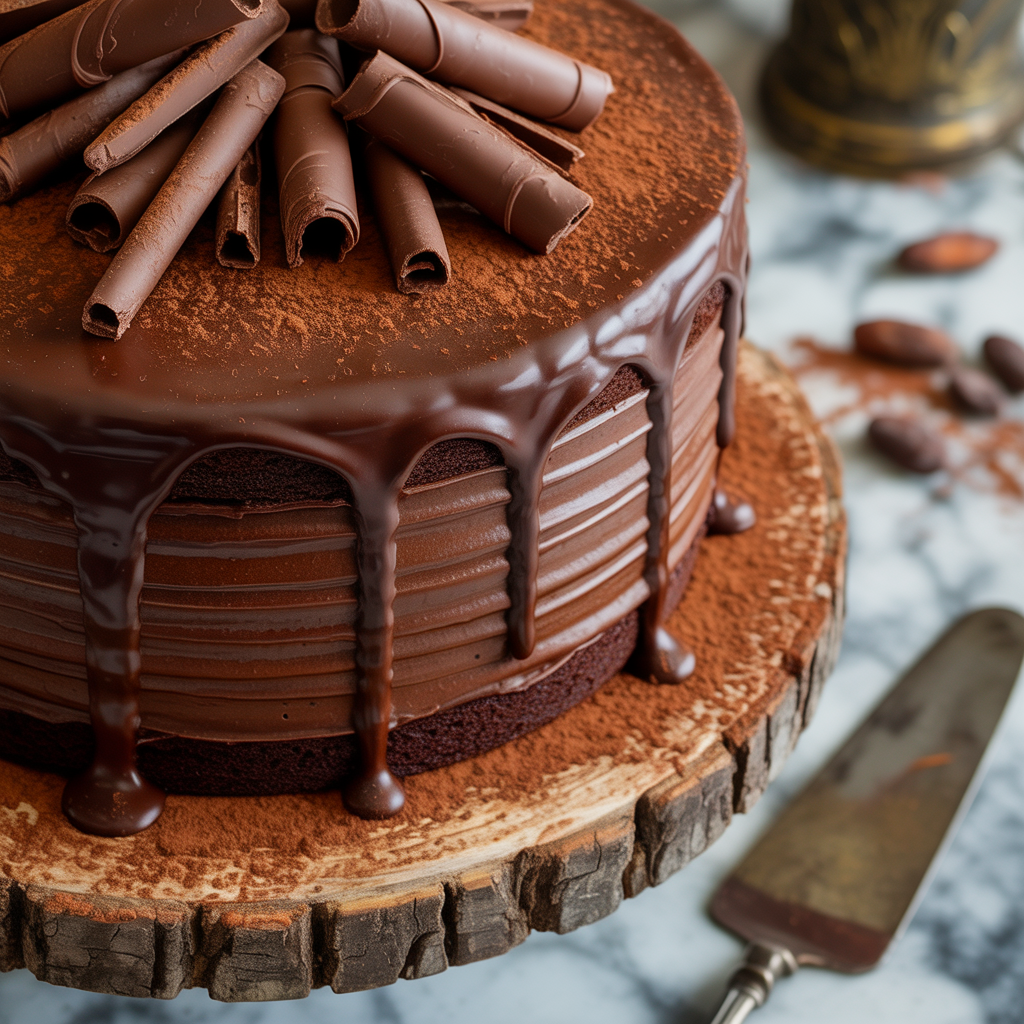
There’s nothing quite like a slice of deeply chocolatey, perfectly moist cake that melts in your mouth with every bite. Whether you’re baking for a birthday, a special occasion, or simply satisfying a craving, understanding the science and technique behind making chocolate cake moist and rich is the key to consistently stunning results. In this guide, we’ll walk you through every essential tip, ingredient swap, and baking method to help you achieve the ultimate chocolate cake.
Why Does Chocolate Cake Turn Out Dry?
Before diving into solutions, it helps to understand the most common reasons why chocolate cake turns out dry or dense:
- Too much flour: Over-measuring flour is the number one culprit for dry cakes.
- Overbaking: Even a few extra minutes in the oven can rob your cake of moisture.
- Not enough fat: Fat is what keeps cake tender and moist.
- Wrong cocoa powder: Using the wrong type of cocoa can affect both texture and flavor.
- Skipping key ingredients: Ingredients like sour cream, buttermilk, or oil make a significant difference.
Choosing the Right Ingredients for a Moist and Rich Chocolate Cake
1. Use Oil Instead of Butter (or Combine Both)
Oil is one of the best-kept secrets to an incredibly moist chocolate cake. Unlike butter, which is about 80% fat and 20% water, vegetable oil is 100% fat. This means it coats the flour proteins more effectively, resulting in a more tender crumb. Many professional bakers use a combination of both — butter for flavor and oil for moisture. Use neutral oils like vegetable oil, canola oil, or even light olive oil.
2. Choose the Right Cocoa Powder
Not all cocoa powders are created equal. There are two main types:
- Natural cocoa powder: More acidic, lighter in color, with a fruity, sharp chocolate flavor. Works well with baking soda.
- Dutch-processed cocoa powder: Neutralized with alkali, darker, smoother, and more intensely chocolatey. Creates a richer cake.
For the richest, deepest chocolate flavor, use Dutch-processed cocoa. If you want a more complex, slightly tangy flavor, opt for natural cocoa or a blend of both.
3. Add Hot Water or Hot Coffee
Adding hot water or hot brewed coffee to your chocolate batter is a game-changer. The heat blooms the cocoa powder, intensifying its flavor dramatically. Coffee, in particular, does not make your cake taste like coffee — instead, it enhances and deepens the chocolate flavor. Use 1 cup of hot, strong brewed coffee or hot water in place of cold liquid.
4. Use Buttermilk or Sour Cream
Buttermilk and sour cream are acidic dairy products that do two things: they react with baking soda to create lift, and they add incredible moisture and tenderness to the crumb. The fat and acid in sour cream, in particular, makes the cake ultra-rich and soft. If you don’t have buttermilk, make a quick substitute by adding 1 tablespoon of white vinegar or lemon juice to 1 cup of regular milk and letting it sit for 5 minutes.
5. Use Room Temperature Eggs
Cold eggs don’t emulsify as well into the batter, which can result in a dense texture. Always bring your eggs to room temperature before baking. You can speed this up by placing them in a bowl of warm water for 10–15 minutes.
6. Add an Extra Egg Yolk
Egg yolks are rich in fat and lecithin, which act as emulsifiers. Adding an extra egg yolk beyond what the recipe calls for can make your cake noticeably richer and more tender without affecting the structure too much.
7. Include Melted Dark Chocolate
For an extra punch of richness, add 2–4 ounces of high-quality melted dark chocolate (70% cacao or higher) to your batter in addition to cocoa powder. This layered approach to chocolate flavor creates incredible depth and a fudgier texture.
Measuring Techniques That Matter
Even the best recipe can fail if the ingredients aren’t measured correctly. Here are the golden rules:
- Spoon and level your flour: Never scoop flour directly from the bag with your measuring cup. Instead, spoon it into the cup and level off the top with a straight edge. Scooping can pack in up to 20% more flour than needed.
- Use a kitchen scale: For the most accurate results, weigh your ingredients. This is especially important for flour and cocoa powder.
- Measure cocoa correctly: Cocoa can clump. Always sift it before measuring or adding to your batter.
Proper Mixing Techniques
Don’t Overmix the Batter
Once you add flour to your wet ingredients, gluten begins to develop. Overmixing activates too much gluten, resulting in a tough, dense cake. Mix just until the ingredients are combined — a few small lumps are perfectly fine and will bake out.
Cream Butter and Sugar Properly
If your recipe calls for creaming butter and sugar, do it properly. Beat them together on medium-high speed for 3–5 minutes until the mixture is light, pale, and fluffy. This process incorporates air, which helps your cake rise and become light. Rushing this step results in a dense cake.
Add Eggs One at a Time
When adding eggs to a creamed mixture, add them one at a time, beating well after each addition. This ensures the eggs are fully emulsified into the batter, preventing a broken or curdled texture.
Baking Tips for Perfect Moisture
Don’t Overbake
This is arguably the most critical step. An overbaked cake is a dry cake, period. Start checking your cake about 5–10 minutes before the recipe’s suggested baking time. Insert a toothpick into the center — when it comes out with just a few moist crumbs (not wet batter), the cake is done. The residual heat will continue to cook it slightly after it comes out of the oven.
Bake at the Right Temperature
Most chocolate cakes bake best at 325°F–350°F (165°C–175°C). A lower temperature (around 325°F) allows the cake to bake more slowly and evenly, reducing the risk of overbaking the outside while the inside is still raw. Avoid high oven temperatures unless specifically called for.
Use the Right Pan Size
Using the wrong pan size changes the baking time significantly. A cake batter spread into a larger pan will bake faster (and potentially dry out), while batter in a smaller pan needs more time and may sink or overbake on the outside. Always use the pan size specified in the recipe.
Grease and Line Your Pans
Ensure your pans are greased and lined with parchment paper. This not only prevents sticking but also helps the cake release cleanly, preserving its moisture-locking crust.
The Secret Weapon: Simple Syrup Soak
If you want to take your chocolate cake to the next level, brush the baked layers with a chocolate simple syrup while they’re still warm. Here’s how to make it:
- Combine ½ cup of sugar and ½ cup of water in a small saucepan.
- Bring to a simmer, stirring until the sugar dissolves.
- Remove from heat and stir in 2 tablespoons of cocoa powder or a splash of coffee liqueur.
- Using a pastry brush, lightly brush the syrup over the warm cake layers before frosting.
This technique is used by professional pastry chefs to ensure cakes stay moist even after refrigeration or sitting out for several hours.
Choosing the Right Frosting for a Rich Chocolate Cake
The frosting you choose dramatically impacts the overall richness and perceived moisture of your chocolate cake.
Chocolate Ganache
Made from just heavy cream and dark chocolate, ganache is the ultimate in richness. Use a 1:1 ratio of cream to chocolate for a pourable glaze, or a 2:1 ratio (chocolate to cream) for a thicker, spreadable ganache. Let it cool until it reaches a spreadable consistency and use it as filling, frosting, or a glaze.
Swiss or Italian Meringue Buttercream with Cocoa
These silky, butter-based frostings are less sweet than American buttercream and have a luxurious texture that pairs beautifully with a rich chocolate cake. Add melted dark chocolate or cocoa powder to create a deep chocolate version.
American Chocolate Buttercream
This classic frosting made with butter, powdered sugar, and cocoa powder is easy to make and very chocolatey. To make it extra rich, use a combination of cocoa powder and melted dark chocolate, and add a pinch of espresso powder to enhance the flavor.
Whipped Chocolate Cream
For a lighter option, fold cocoa powder or melted chocolate into freshly whipped heavy cream. This creates an airy, mousse-like frosting that contrasts beautifully with a dense cake layer.
How to Store Chocolate Cake to Keep It Moist
Proper storage is just as important as proper baking when it comes to maintaining moisture.
- At room temperature: Store frosted cake under a cake dome or wrapped loosely in plastic wrap for up to 3 days. Keep it away from direct sunlight and heat sources.
- In the refrigerator: If your frosting contains dairy that requires refrigeration, wrap the cake tightly to prevent it from absorbing refrigerator odors. Allow it to come to room temperature for 30–60 minutes before serving.
- In the freezer: Wrap individual cake layers tightly in plastic wrap, then in aluminum foil. They’ll keep in the freezer for up to 3 months. Thaw overnight in the refrigerator before using.
Troubleshooting Common Chocolate Cake Problems
My cake sank in the middle
This usually means the cake was underbaked, the oven door was opened too early, or there was too much leavening. Make sure your baking powder and soda are fresh, and avoid opening the oven before the minimum baking time.
My cake is too dense
Dense cake can result from overmixing the batter, not creaming the butter and sugar enough, using old leavening agents, or not using enough leavening. Double-check your measurements and technique.
My cake has a domed top
A heavily domed top usually means the oven is too hot. Try reducing the temperature by 25°F and baking longer. You can also use cake strips soaked in water and wrapped around your pans to encourage even baking.
My cake is dry even after following the recipe
Overbaking is the most likely cause. Oven temperatures can vary significantly from what the dial reads. Invest in an oven thermometer to ensure accuracy. Also, consider adding a simple syrup soak after baking to restore moisture.
A Foolproof Moist Chocolate Cake Recipe
Here is a reliable, tested recipe that incorporates all of the tips above:
Ingredients:
- 2 cups (240g) all-purpose flour
- 2 cups (400g) granulated sugar
- ¾ cup (75g) Dutch-processed cocoa powder, sifted
- 2 teaspoons baking soda
- 1 teaspoon baking powder
- 1 teaspoon fine salt
- 1 cup (240ml) buttermilk, room temperature
- 1 cup (240ml) hot brewed coffee
- 1 cup (240ml) vegetable oil
- 3 large eggs, room temperature
- 1 egg yolk, room temperature
- 2 teaspoons pure vanilla extract
- ½ cup (115g) sour cream
Instructions:
- Preheat your oven to 325°F (165°C). Grease two 9-inch round cake pans and line the bottoms with parchment paper.
- In a large bowl, whisk together the flour, sugar, cocoa powder, baking soda, baking powder, and salt.
- In a separate bowl, whisk together the buttermilk, vegetable oil, eggs, egg yolk, vanilla extract, and sour cream until smooth.
- Add the wet ingredients to the dry ingredients and stir gently until just combined.
- Slowly pour in the hot coffee while stirring. The batter will be thin — this is normal and desired.
- Divide the batter evenly between the prepared pans.
- Bake for 30–35 minutes, or until a toothpick inserted into the center comes out with just a few moist crumbs.
- Let the cakes cool in the pans for 15 minutes before turning them out onto a wire rack to cool completely.
- Frost with your preferred chocolate frosting and enjoy.
Final Tips for Consistently Great Results
- Use quality chocolate and cocoa: The better the chocolate, the better the cake. Don’t skimp on your main flavoring ingredient.
- Let the cake cool completely before frosting: Frosting a warm cake causes the frosting to melt and slide off, and can make the cake appear dry once it sets.
- Use an oven thermometer: Most home ovens run 25–50°F hotter or cooler than what the dial indicates. This single tool can transform your baking.
- Taste as you go: Adjust sweetness, chocolate intensity, and moisture levels to suit your personal preference.
- Practice makes perfect: Even professional bakers refine their recipes over time. Don’t be discouraged if your first attempt isn’t perfect.
Making a moist and rich chocolate cake is all about understanding how each ingredient contributes to the final result, using precise techniques, and paying close attention during baking. With the tips, tricks, and recipe provided in this guide, you now have everything you need to bake a showstopping chocolate cake that will impress everyone at the table.