
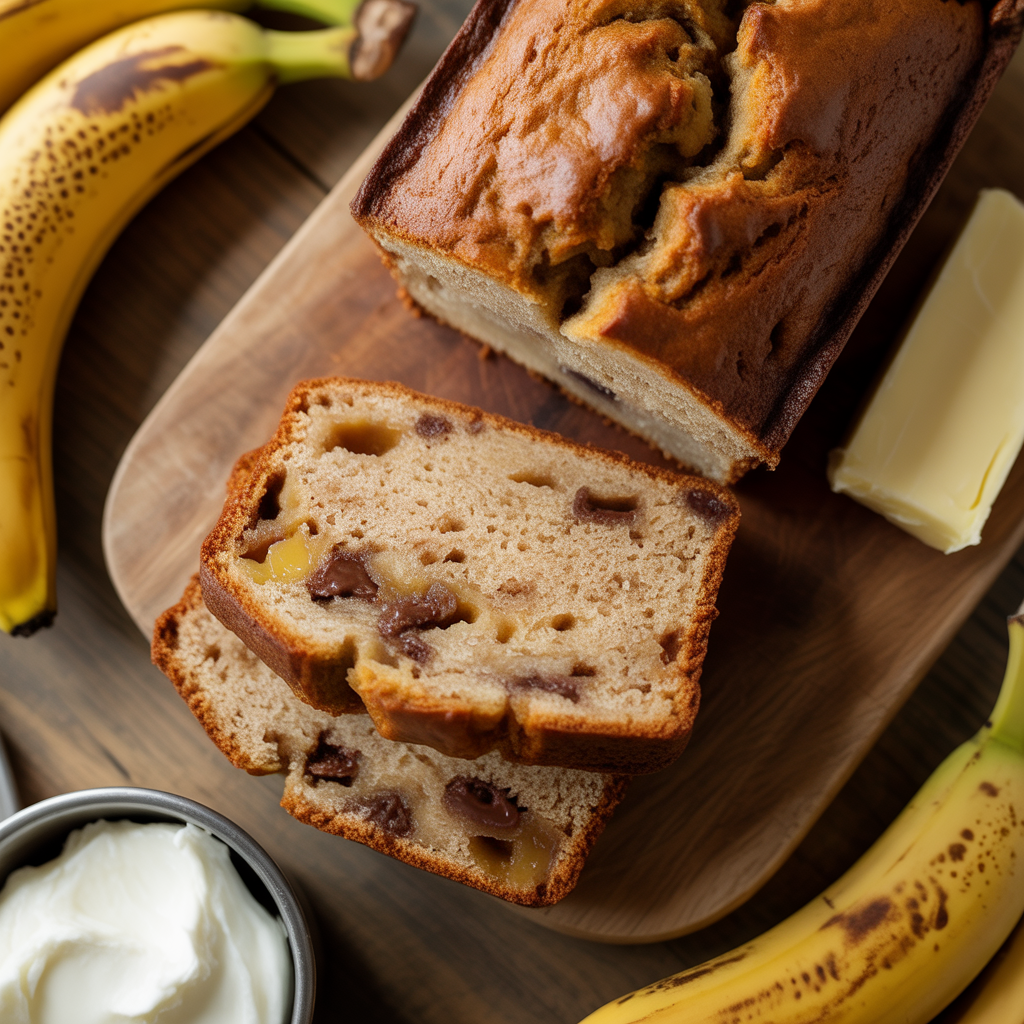
There’s nothing quite like a loaf of banana bread that comes out of the oven perfectly moist, tender, and packed with rich banana flavor. Yet so many home bakers end up with a dry, dense, or crumbly loaf. The good news? Getting consistently moist banana bread is completely achievable once you understand the key techniques and ingredients involved.
In this comprehensive guide, we’ll walk you through everything you need to know — from choosing the right bananas to the exact baking temperature — so your banana bread turns out moist and delicious every single time.
Why Does Banana Bread Turn Out Dry?
Before diving into solutions, it helps to understand the root causes of dry banana bread:
- Too much flour: Over-measuring flour is the most common culprit.
- Overbaking: Leaving the loaf in the oven too long drives out all the moisture.
- Not enough fat: Fat keeps the crumb tender and moist.
- Under-ripe bananas: Green or barely yellow bananas lack moisture and natural sugar.
- Overmixing the batter: This develops too much gluten, resulting in a tough, dry texture.
Step 1: Use the Ripest Bananas Possible
This is arguably the single most important factor in making moist banana bread. You want bananas that are heavily speckled with brown spots or even almost entirely black. The riper the banana, the more:
- Natural moisture it contains
- Natural sugar it has developed (making the bread sweeter without adding extra sugar)
- Intense banana flavor it contributes
If your bananas are not ripe enough, here are two quick tricks:
- Oven method: Place unpeeled bananas on a baking sheet and bake at 300°F (150°C) for 15–20 minutes until the skins turn black. Let them cool before using.
- Freezer method: Freeze bananas overnight and thaw them at room temperature. They will become extremely soft and sweet.
Step 2: Measure Your Flour Correctly
Too much flour is the number one killer of moist banana bread. Instead of scooping flour directly from the bag with your measuring cup (which compacts the flour and adds up to 20% more than needed), follow the spoon-and-level method:
- Fluff the flour in its container with a spoon.
- Spoon the flour gently into the measuring cup.
- Level off the top with a straight edge.
Even better, use a kitchen scale and measure by weight for the most accurate results. A standard recipe calls for about 190g (1½ cups) of all-purpose flour per loaf.
Step 3: Choose the Right Fat
Fat is essential for moisture and tenderness. Here are your best options:
Butter (Melted)
Melted butter adds a rich flavor and keeps the crumb tender. Use unsalted butter so you can control the salt level. Melting it (rather than creaming it softened) produces a denser, moister texture.
Vegetable Oil
Oil is often the secret ingredient to the moistest banana bread. Unlike butter, oil stays liquid at room temperature, which keeps the bread moist for days longer. Neutral oils like canola or vegetable oil work well. You can also use coconut oil for a subtle tropical flavor.
Combination of Both
Many professional bakers use a combination — butter for flavor and oil for extended moisture. Try using ½ cup butter + 2 tablespoons oil for the best of both worlds.
Step 4: Add Moisture-Boosting Ingredients
Beyond fat, there are several additional ingredients you can incorporate to dramatically increase moisture:
Sour Cream or Greek Yogurt
This is a game-changer. Adding ¼ to ½ cup of full-fat sour cream or plain Greek yogurt to your batter:
- Adds significant moisture
- Tenderizes the crumb thanks to its acidity
- Reacts with baking soda to give a better rise
Cream Cheese
Swirling softened cream cheese into the batter (or layering it inside the loaf) adds incredible richness and moisture.
Brown Sugar Instead of White Sugar
Brown sugar contains molasses, which is hygroscopic — meaning it attracts and holds onto moisture. Replacing white sugar with brown sugar (or using a mix of both) can noticeably improve the texture of your banana bread.
Extra Egg Yolk
Egg yolks are rich in fat and emulsifiers. Adding one extra egg yolk (beyond what the recipe calls for) enriches the batter and keeps it moist.
A Splash of Milk or Buttermilk
If your batter looks too thick, adding 2–4 tablespoons of milk or buttermilk loosens it up and adds more moisture. Buttermilk in particular adds tenderness due to its acidity.
Step 5: Don’t Overmix the Batter
Once you add the dry ingredients to the wet ingredients, mix only until just combined. A few streaks of flour are perfectly fine. Overmixing develops gluten, which makes the bread tough and chewy rather than soft and moist.
Use a rubber spatula and fold the ingredients gently with as few strokes as possible — usually no more than 10–12 folds.
Step 6: Use the Right Pan
The type of pan you use affects how evenly the bread bakes and how moist it stays:
- Dark metal pans: Conduct heat quickly and can cause the edges and bottom to over-bake while the center stays raw. If using a dark pan, reduce oven temperature by 25°F.
- Light-colored metal pans: These are ideal as they bake more evenly.
- Glass or ceramic pans: Heat up slowly and retain heat well. They produce a very moist interior but require longer baking times.
The standard size is a 9×5 inch loaf pan. Using a smaller pan means thicker bread that may be underbaked in the center if you’re not careful.
Step 7: Bake at the Right Temperature
Most banana bread recipes call for baking at 325°F to 350°F (160°C to 175°C). Baking at a lower temperature for a longer time generally produces a moister interior because:
- The outside doesn’t set too quickly before the inside cooks through
- Less moisture evaporates from the crumb
Try baking at 325°F (160°C) for 60–75 minutes for a beautifully moist loaf.
Step 8: Test for Doneness Correctly
One of the biggest mistakes bakers make is relying solely on visual cues or a fixed time to determine doneness. Here’s the most reliable method:
- Insert a toothpick or thin skewer into the center of the loaf.
- It should come out with a few moist crumbs — not wet batter, but not completely clean either.
- A completely clean toothpick often means the bread is slightly overbaked.
You can also use an instant-read thermometer. The internal temperature of fully baked banana bread should be 200°F to 205°F (93°C to 96°C).
Step 9: Don’t Skip the Cooling Step
As tempting as it is to slice into a fresh loaf immediately, letting banana bread cool properly is crucial:
- Let it cool in the pan on a wire rack for 15–20 minutes.
- Then remove it from the pan and let it cool on the wire rack for at least another 30–45 minutes before slicing.
Cutting too early releases steam and causes the crumb to become gummy or collapse, making it appear wet in an unpleasant way.
Step 10: Store It Properly to Maintain Moisture
Even perfectly baked banana bread can dry out quickly if stored incorrectly. Follow these storage tips:
At Room Temperature
Wrap the loaf tightly in plastic wrap or place it in an airtight container. It will stay moist for 3–4 days at room temperature.
In the Refrigerator
Refrigeration can actually dry out banana bread faster. If you must refrigerate it (for example, if it contains cream cheese), wrap it very tightly and consume within 5–7 days.
In the Freezer
Banana bread freezes beautifully. Wrap individual slices in plastic wrap, then place them in a zip-lock freezer bag. They’ll stay moist for up to 3 months. Thaw at room temperature or microwave for 30–60 seconds.
The Ultimate Moist Banana Bread Recipe
Here is a tried-and-tested recipe that incorporates all the techniques above:
Ingredients
- 3 very ripe bananas (about 1½ cups mashed)
- ½ cup (115g) melted unsalted butter
- 2 tablespoons vegetable oil
- ¾ cup (150g) brown sugar (packed)
- 2 large eggs + 1 extra egg yolk
- 1 teaspoon pure vanilla extract
- ¼ cup (60g) full-fat sour cream or Greek yogurt
- 1½ cups (190g) all-purpose flour
- 1 teaspoon baking soda
- ½ teaspoon fine salt
- 1 teaspoon cinnamon (optional)
Instructions
- Preheat your oven to 325°F (160°C). Grease a 9×5 inch loaf pan with butter or non-stick spray.
- In a large bowl, mash the bananas thoroughly with a fork until smooth.
- Add the melted butter, oil, brown sugar, eggs, egg yolk, vanilla extract, and sour cream. Whisk until well combined.
- In a separate bowl, whisk together the flour, baking soda, salt, and cinnamon.
- Add the dry ingredients to the wet ingredients and fold gently with a rubber spatula until just combined. Do not overmix.
- Pour the batter into the prepared loaf pan and smooth the top.
- Bake for 65–75 minutes, or until a toothpick inserted in the center comes out with a few moist crumbs and the internal temperature reads 200–205°F.
- Cool in the pan for 15 minutes, then transfer to a wire rack and cool completely before slicing.
Optional Add-Ins to Enhance Moisture and Flavor
Want to take your banana bread to the next level? Consider these mix-ins:
- Chocolate chips: Semi-sweet or dark chocolate chips melt into pockets of moisture throughout the loaf.
- Chopped walnuts or pecans: Adds texture and healthy fats.
- Swirl of peanut butter: Drop spoonfuls on top and swirl with a knife before baking.
- Shredded coconut: Adds tropical flavor and moisture.
- Nutella swirl: Drop dollops into the batter and swirl for a rich, gooey result.
Common Mistakes to Avoid
- Using under-ripe bananas: Always wait for bananas to be heavily spotted or black.
- Scooping flour directly: Always spoon and level or weigh your flour.
- Overbaking: Start checking at the 55-minute mark. Use a thermometer for accuracy.
- Skipping the sour cream/yogurt: This ingredient makes a big difference in moisture.
- Slicing too early: Patience is key — let it cool fully before cutting.
- Opening the oven door too frequently: This causes temperature fluctuations and uneven baking.
Frequently Asked Questions
Can I make banana bread without butter?
Yes! Replace butter with an equal amount of vegetable oil, coconut oil, or even applesauce for a lower-fat option. Oil-based banana bread tends to stay moist even longer than butter-based versions.
Why is my banana bread moist on top but dry in the middle?
This usually happens when the oven temperature is too high. The outside sets and dries out before the inside is fully cooked. Try lowering the temperature by 25°F and baking longer.
Can I add more bananas to make it more moist?
Yes, but be careful. Adding more than 3–4 medium bananas can make the batter too wet, causing the center to sink or stay gooey. Stick to the recipe’s recommended amount, or increase by no more than half a banana.
How do I know if my banana bread is underbaked vs. perfectly moist?
An underbaked loaf will have wet, gooey batter in the center when you test it with a toothpick. A perfectly moist loaf will have a few moist crumbs on the toothpick but no wet batter, and the internal temperature will be around 200–205°F.
Can I use cake flour instead of all-purpose flour?
Yes! Cake flour has less protein, which results in a more tender, soft crumb. If you substitute, use about 1¾ cups of cake flour for every 1½ cups of all-purpose flour.
Final Tips for Consistently Moist Banana Bread
- Always use room-temperature eggs and dairy — they incorporate more smoothly into the batter.
- Don’t skip the vanilla extract — it enhances the overall flavor without adding dryness.
- If the top is browning too quickly, tent it loosely with aluminum foil halfway through baking.
- Consider adding a light brush of melted butter on top right when it comes out of the oven for extra moisture and shine.
- Write down any changes you make to the recipe so you can replicate the perfect loaf next time.
Making moist banana bread every time comes down to a combination of the right ingredients, accurate measurements, proper technique, and correct baking time. Once you master these fundamentals, you’ll never end up with a dry loaf again. Whether you enjoy it plain, toasted with a pat of butter, or loaded with chocolate chips, a perfectly moist banana bread is one of the most satisfying and comforting bakes you can make at home.