
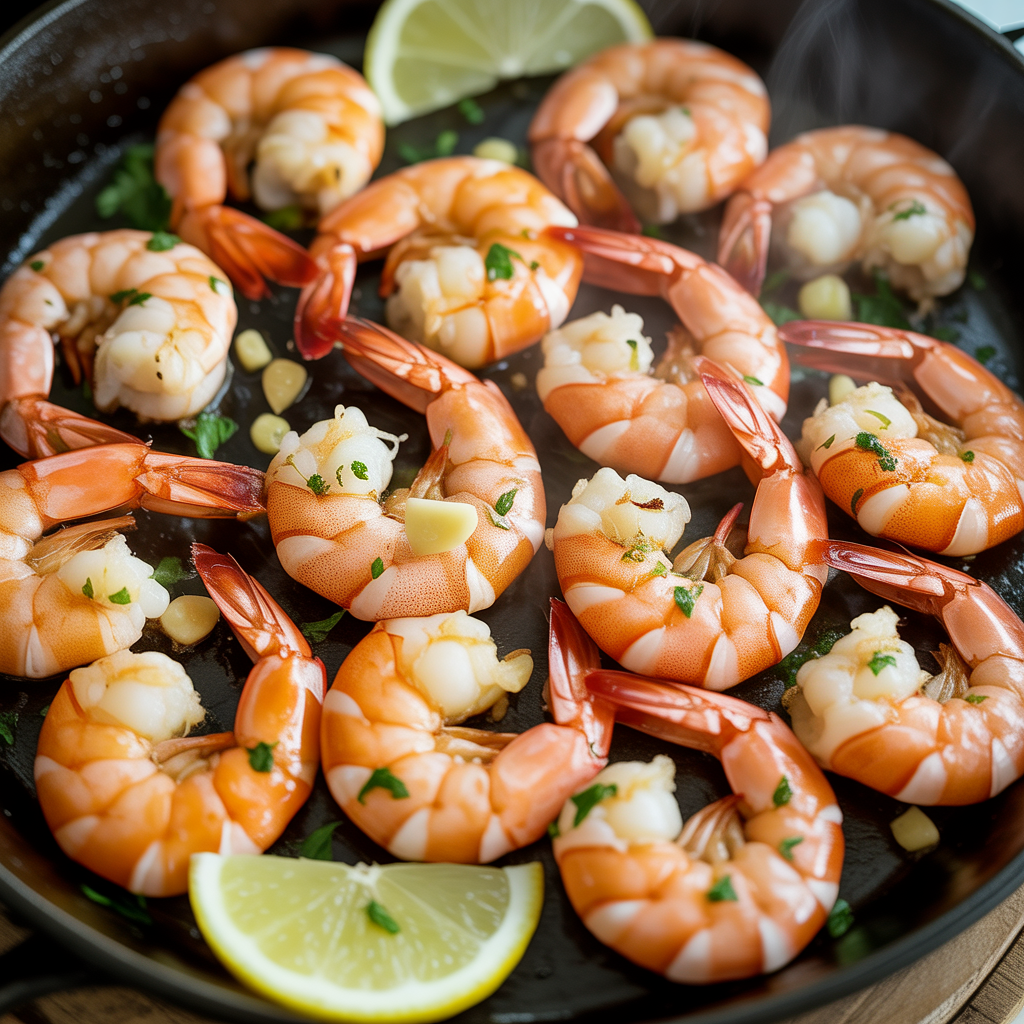
Shrimp is one of the most popular seafood options worldwide, loved for its sweet, delicate flavor and quick cooking time. However, it is also one of the easiest proteins to overcook. Rubbery, tough shrimp is a disappointment that many home cooks have experienced. The good news is that with the right techniques, you can cook shrimp perfectly every single time. This comprehensive guide will walk you through everything you need to know — from selecting the best shrimp to mastering multiple cooking methods.
Why Shrimp Overcooks So Easily
Before diving into techniques, it helps to understand why shrimp overcooks so quickly. Shrimp are small and have a relatively low water content compared to other proteins. When exposed to heat, their proteins denature and contract very rapidly. This process happens in a matter of seconds — not minutes — which is why so many people end up with rubbery results.
The key is knowing when to pull shrimp off the heat. Unlike a thick steak that gives you a wide window, shrimp go from perfect to overcooked in under 60 seconds. Understanding this is the first step toward mastering shrimp cookery.
Choosing the Right Shrimp
Great cooking starts with great ingredients. Here is what to look for when buying shrimp:
Fresh vs. Frozen Shrimp
Contrary to popular belief, frozen shrimp is often the better choice for most home cooks. Unless you live near the coast with access to truly fresh shrimp, the shrimp at your grocery store’s seafood counter has likely been previously frozen and thawed. Buying frozen shrimp directly allows you to control the thawing process and ensures freshness.
Shell-On vs. Peeled
Shell-on shrimp tend to stay more moist and flavorful during cooking because the shell acts as a natural barrier against heat. However, peeled shrimp is more convenient. For quick weeknight meals, peeled and deveined shrimp saves time. For grilling or roasting, shell-on shrimp is preferred.
Shrimp Size
Shrimp size is labeled by count per pound. Common sizes include:
- Extra Small (61–70 count per pound) – Best for soups, salads, and pasta
- Medium (41–50 count per pound) – Great for stir-fries and tacos
- Large (31–40 count per pound) – Versatile for most cooking methods
- Jumbo (21–25 count per pound) – Ideal for grilling and stuffing
- Colossal (under 15 count per pound) – Impressive for special occasions
Larger shrimp give you a slightly wider cooking window, making them more forgiving for beginners.
What to Avoid
- Shrimp with a strong ammonia or fishy smell
- Shrimp with black spots on the shell (a sign of deterioration)
- Shrimp with yellowing shells or mushy texture
How to Properly Thaw Shrimp
Improper thawing is one of the most overlooked steps. Here are the two best methods:
Overnight Refrigerator Method (Best)
Place frozen shrimp in a sealed bag or covered container in the refrigerator overnight. This slow, controlled thaw preserves the best texture and flavor.
Quick Cold Water Method
Place frozen shrimp in a colander and run cold (not warm) water over them for 5–10 minutes. Toss occasionally to ensure even thawing. Never thaw shrimp in warm water — this starts the cooking process and leads to uneven texture.
Preparing Shrimp Before Cooking
Peeling and Deveining
To peel shrimp, grip the shell from the underside, peel it away from the meat, and remove the tail if desired. To devein, make a shallow cut along the back of the shrimp and use the tip of a knife or a toothpick to lift and remove the dark vein (the digestive tract). While the vein is technically safe to eat, removing it improves appearance and slightly reduces any gritty texture.
Drying the Shrimp
This is a critical step that most people skip. Pat your shrimp thoroughly dry with paper towels before cooking. Moisture on the surface causes steaming rather than searing, preventing you from achieving that beautiful golden crust and intensifying the risk of overcooking.
To Brine or Not to Brine
For extra juicy, well-seasoned shrimp, consider a quick brine: dissolve 1 tablespoon of salt and 1 tablespoon of sugar in 2 cups of cold water. Submerge shrimp for 15–30 minutes, then rinse and dry well. This step is optional but makes a noticeable difference, especially for larger shrimp.
How to Tell When Shrimp Is Perfectly Cooked
Knowing when to stop cooking is the most important skill. There are two reliable indicators:
The Color Test
Raw shrimp is translucent gray. As it cooks, it turns pink and opaque. The moment it becomes fully opaque throughout, it is done. If you wait until it looks fully pink on the outside before checking inside, it is already overcooked.
The Shape Test (The “C” vs. “O” Rule)
This is the most popular visual guide among professional chefs:
- “C” shape = Cooked perfectly — The shrimp has curled into a loose C shape
- “O” shape = Overcooked — The shrimp has curled tightly into a circle, like the letter O
Watch for the C shape and remove shrimp from the heat immediately.
Internal Temperature
If you want to be precise, use an instant-read thermometer. The safe internal temperature for shrimp is 120°F (49°C). Many professional cooks pull shrimp at 115°F and let carryover heat finish the job.
Cooking Methods: Step-by-Step Instructions
1. Pan-Searing (Sautéing) Shrimp
This is the most common method and produces shrimp with a gorgeous golden crust.
What you need:
- 1 pound large shrimp, peeled, deveined, and dried
- 2 tablespoons olive oil or butter
- Salt and pepper to taste
- Optional: minced garlic, fresh herbs, lemon juice
Instructions:
- Heat a large skillet (preferably cast iron or stainless steel) over high heat until very hot — about 2 minutes.
- Add oil or butter. It should shimmer immediately.
- Add shrimp in a single layer. Do not crowd the pan. Cook in batches if needed.
- Cook for 1–1.5 minutes on the first side without moving them. You want a golden sear.
- Flip each shrimp individually and cook for another 30–60 seconds on the second side.
- Remove from heat the moment they turn opaque and form a C shape.
- Toss with garlic, butter, lemon juice, or your choice of seasoning and serve immediately.
Pro Tip: Use the highest heat your pan can handle. High heat creates a faster sear and reduces total cooking time, which means less chance of overcooking.
2. Boiling Shrimp
Boiling is ideal for shrimp cocktail, pasta dishes, and salads.
Instructions:
- Bring a large pot of heavily salted water to a rolling boil. Add aromatics if desired: bay leaves, lemon halves, peppercorns, or Old Bay seasoning.
- Add shrimp to the boiling water.
- Cook for 1–3 minutes depending on size:
- Small shrimp: 1–1.5 minutes
- Medium shrimp: 2 minutes
- Large/Jumbo shrimp: 2–3 minutes
- Watch closely. As soon as shrimp turns pink and floats to the surface, drain immediately.
- Transfer to an ice bath (a bowl of ice water) to stop the cooking process instantly.
Important: The ice bath is not optional for boiled shrimp. Shrimp will continue cooking from residual heat if not cooled immediately.
3. Grilling Shrimp
Grilling adds a smoky, charred dimension to shrimp and works beautifully for summer meals.
Instructions:
- Preheat your grill to medium-high heat (around 400°F / 200°C).
- Thread shrimp onto skewers (soak wooden skewers in water for 30 minutes beforehand) or use a grill basket.
- Brush shrimp with olive oil and season generously.
- Grill for 1.5–2 minutes per side until pink and slightly charred.
- Remove immediately and serve with fresh lemon.
Pro Tip: Shell-on shrimp grills better. The shell provides an insulating layer and keeps the meat incredibly juicy.
4. Roasting/Baking Shrimp
Oven roasting is a hands-off method that works well for feeding a crowd.
Instructions:
- Preheat oven to 400°F (200°C).
- Arrange shrimp in a single layer on a baking sheet. Do not overlap.
- Drizzle with olive oil, salt, pepper, and desired seasonings.
- Roast for 6–8 minutes for large shrimp. Check at the 6-minute mark.
- Shrimp is done when pink and just opaque. It will not get a sear, but it will be tender and juicy.
5. Steaming Shrimp
Steaming is the gentlest method, producing incredibly moist and tender shrimp.
Instructions:
- Fill a pot with 1–2 inches of water or broth. Add aromatics if desired.
- Bring to a boil and set a steamer basket above the water (it should not touch the water).
- Place shrimp in a single layer in the basket.
- Cover and steam for 2–4 minutes depending on size.
- Check frequently. Remove as soon as shrimp is pink and opaque.
6. Poaching Shrimp
Poaching in flavored liquid (court bouillon) results in the most delicate, restaurant-quality shrimp.
Instructions:
- Prepare poaching liquid: combine water, white wine, lemon slices, bay leaves, peppercorns, and salt in a pot.
- Bring to a gentle simmer (around 170–180°F / 75–80°C). Do not boil.
- Add shrimp and gently stir.
- Poach for 2–4 minutes until just opaque.
- Remove immediately and chill in an ice bath if serving cold.
Common Mistakes and How to Avoid Them
Mistake 1: Cooking Cold Shrimp Straight from the Fridge
Cold shrimp creates an uneven cooking situation — the outside cooks faster than the inside. Let your shrimp sit at room temperature for 10–15 minutes before cooking.
Mistake 2: Overcrowding the Pan
Too many shrimp in the pan drops the temperature and causes steaming instead of searing. Always cook in batches if necessary.
Mistake 3: Seasoning Too Late
Season shrimp before they go into the pan, not after. This allows seasoning to adhere and penetrate the surface during cooking.
Mistake 4: Using a Cold or Medium-Heat Pan
A properly hot pan is essential for a good sear. Always preheat your pan thoroughly before adding oil and shrimp.
Mistake 5: Leaving Shrimp in the Pan After Removing from Heat
Hot pans continue to cook food through residual heat. Always transfer shrimp to a plate immediately after removing from the heat source.
Mistake 6: Marinating Shrimp Too Long in Acidic Ingredients
Citrus juice, vinegar, and other acids will begin to “cook” shrimp through a chemical denaturation process (similar to ceviche). Do not marinate shrimp in acid-based marinades for more than 30 minutes before cooking. Adding citrus after cooking is always safer.
Best Seasonings and Flavor Combinations
Shrimp has a naturally sweet and mild flavor that pairs well with a wide variety of seasonings. Here are some popular combinations:
- Classic Garlic Butter: Butter, garlic, lemon juice, parsley
- Cajun Style: Paprika, cayenne, garlic powder, onion powder, oregano, thyme
- Mediterranean: Olive oil, lemon, capers, fresh herbs, cherry tomatoes
- Asian-Inspired: Soy sauce, sesame oil, ginger, garlic, scallions
- Mexican Chili Lime: Chili powder, cumin, lime zest, fresh cilantro
- Simple Classic: Olive oil, salt, black pepper, fresh lemon
How to Rescue Slightly Overcooked Shrimp
If you find that your shrimp has gone a little past perfect, here are some ways to salvage the meal:
- Sauce it generously: A rich butter sauce, cream sauce, or salsa can mask toughness significantly.
- Chop it up: Overcooked whole shrimp stands out, but when chopped into smaller pieces for tacos, salads, or pasta, the texture is less noticeable.
- Serve with moisture-rich ingredients: Pair with juicy tomatoes, creamy avocado, or a broth-based dish to compensate for the drier texture.
The best strategy, of course, is prevention — which is why understanding the timing and visual cues above is so important.
How to Store and Reheat Cooked Shrimp
Storage
Store leftover cooked shrimp in an airtight container in the refrigerator for up to 3 days. Cooked shrimp can also be frozen for up to 3 months.
Reheating Without Overcooking
Reheating shrimp is where many people unknowingly overcook it. Here are the safest methods:
- In a Skillet: Heat over medium-low heat with a splash of water or butter for just 1–2 minutes, stirring gently.
- In Sauce or Soup: Add shrimp at the very end and only heat until just warmed through — approximately 1 minute.
- Serve Cold: For salads or shrimp cocktail, simply serve refrigerated shrimp cold. Reheating is not required and cold shrimp is often preferable.
- Avoid the Microwave: Microwaving shrimp almost always results in a rubbery, overcooked texture. If you must use a microwave, do so in 10-second bursts at 50% power.
Quick Reference: Shrimp Cooking Times by Method
| Cooking Method | Heat Level | Cooking Time (Large Shrimp) |
|---|---|---|
| Sautéing/Pan-Searing | High | 1–1.5 min per side (2–3 min total) |
| Boiling | High (rolling boil) | 2–3 minutes |
| Grilling | Medium-High | 1.5–2 min per side (3–4 min total) |
| Roasting/Baking | 400°F (200°C) | 6–8 minutes |
| Steaming | Medium-High | 2–4 minutes |
| Poaching | Low-Medium (170–180°F) | 2–4 minutes |
Final Tips for Perfect Shrimp Every Time
- Start with quality shrimp. No cooking technique can fix poor-quality seafood.
- Always dry your shrimp before cooking for better searing and even cooking.
- Use high heat for pan cooking to minimize cooking time.
- Never walk away from the stove. Shrimp require your full attention. Even 30 extra seconds matters.
- Trust the “C” shape rule as your visual guide.
- Remove shrimp before they look completely done. Carryover heat will finish the job.
- Use an ice bath when boiling or poaching to halt cooking instantly.
- Season boldly but finish with acid (lemon, lime) for brightness without toughening the shrimp.
Cooking perfect shrimp is truly a skill that anyone can master. Once you understand the science behind it and practice the visual and tactile cues, you will never end up with rubbery shrimp again. Whether you are making a quick weeknight garlic butter shrimp or an elaborate grilled shrimp feast, these principles will guide you to delicious, tender results every time.