
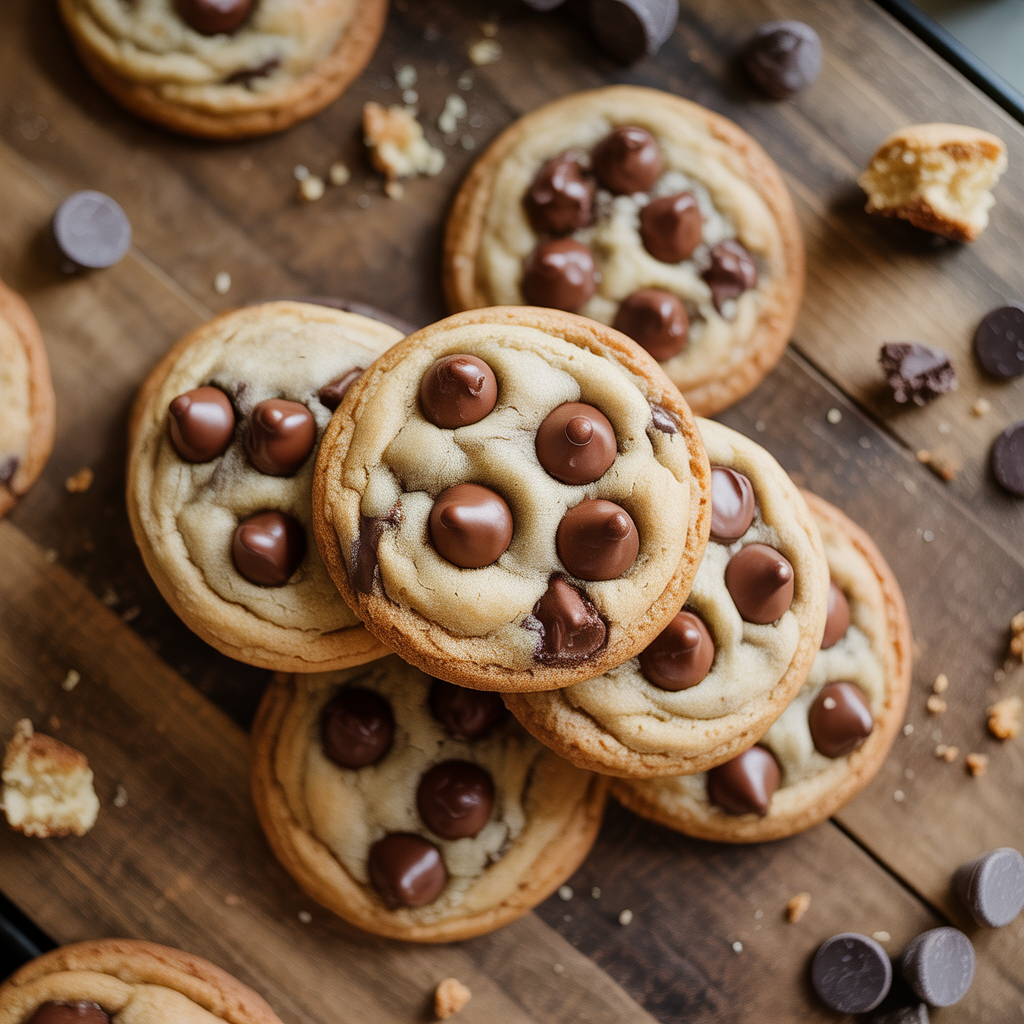
There’s nothing quite like biting into a warm, soft, and chewy chocolate chip cookie. Whether you’re a seasoned baker or a complete beginner, achieving that perfect texture can feel like a mystery. The good news? With the right techniques, ingredients, and a few insider secrets, you can make bakery-quality soft and chewy chocolate chip cookies right in your own kitchen.
In this comprehensive guide, we’ll walk you through everything you need to know — from the science behind cookie texture to step-by-step instructions, pro tips, and troubleshooting advice.
Why Are Some Cookies Soft and Chewy While Others Are Crispy?
Understanding the science behind cookie texture is the first step to mastering the perfect cookie. Cookie texture is determined by several key factors:
- Moisture content: More moisture = softer cookies. Less moisture = crispier cookies.
- Type of sugar: Brown sugar retains moisture and adds chewiness. White sugar promotes spreading and crispiness.
- Fat type: Butter adds flavor and a slightly crispy edge, while melted butter creates a denser, chewier texture.
- Flour ratio: More flour means thicker, chewier cookies. Less flour leads to thinner, crispier cookies.
- Baking time and temperature: Underbaking slightly (pulling cookies out when the center looks just set) keeps cookies soft.
- Eggs: Using an extra egg yolk adds richness and chewiness without extra volume.
Ingredients You’ll Need
Here is the perfect recipe for soft and chewy chocolate chip cookies. This recipe makes approximately 24 cookies.
- 2 ¼ cups (280g) all-purpose flour
- 1 teaspoon baking soda
- 1 teaspoon cornstarch (secret ingredient for extra softness!)
- ½ teaspoon salt
- ¾ cup (170g) unsalted butter, melted and slightly cooled
- 1 cup (200g) packed light brown sugar
- ¼ cup (50g) granulated white sugar
- 1 large egg + 1 egg yolk, at room temperature
- 2 teaspoons pure vanilla extract
- 2 cups (340g) semi-sweet chocolate chips
Equipment You’ll Need
- Large mixing bowl
- Medium mixing bowl
- Whisk and rubber spatula
- Baking sheets
- Parchment paper or silicone baking mats
- Cookie scoop or tablespoon
- Wire cooling rack
Step-by-Step Instructions
Step 1: Melt the Butter
Melt the unsalted butter in a small saucepan over medium-low heat or in the microwave in 20-second intervals. Allow it to cool for about 5–10 minutes before using. Melted butter (as opposed to softened butter) creates a denser, chewier cookie because it changes how fat coats the flour proteins.
Step 2: Mix the Wet Ingredients
In a large bowl, whisk together the melted butter, brown sugar, and white sugar until smooth and fully combined, about 1–2 minutes. The mixture should look slightly glossy. Add the egg, egg yolk, and vanilla extract. Whisk vigorously for about 1 minute until the mixture is pale, thick, and ribbony. This step dissolves the sugar into the fat, contributing to a chewy texture.
Step 3: Combine the Dry Ingredients
In a separate medium bowl, whisk together the all-purpose flour, baking soda, cornstarch, and salt. The cornstarch is a game-changer — it softens the protein structure of the flour, resulting in a more tender, soft cookie.
Step 4: Fold Wet and Dry Ingredients Together
Gradually add the dry ingredients to the wet ingredients. Use a rubber spatula or wooden spoon to fold them together. Do not overmix! Overmixing develops gluten, which can make cookies tough rather than tender. Mix only until the flour is just incorporated and no dry streaks remain.
Step 5: Add the Chocolate Chips
Fold in the chocolate chips until they are evenly distributed throughout the dough. Feel free to use a mix of chocolate chip sizes — a combination of regular and mini chips gives excellent chocolate coverage in every bite.
Step 6: Chill the Dough (Critical Step!)
Cover the bowl with plastic wrap and refrigerate the dough for at least 30 minutes, ideally 1–2 hours, or even overnight. This step is arguably the most important for achieving soft and chewy cookies. Here’s why:
- Chilling firms up the fat, preventing cookies from spreading too thin while baking.
- It allows the flour to fully hydrate, leading to a richer, more complex flavor.
- Cold dough bakes up thicker and chewier.
Pro Tip: If you chill the dough overnight, you’ll notice a noticeably deeper, more caramel-like flavor in the finished cookies — a technique used by many professional bakers.
Step 7: Preheat Your Oven
Preheat your oven to 325°F (163°C). A slightly lower temperature than the standard 350°F allows the cookies to bake more slowly and evenly, keeping the centers soft while setting the edges just enough.
Step 8: Scoop and Shape the Cookies
Line your baking sheets with parchment paper. Using a cookie scoop or tablespoon, scoop balls of dough (about 1.5 tablespoons each) and place them 2 inches apart on the prepared baking sheets. For extra thick cookies, roll the dough balls slightly taller rather than round.
Optional: Press a few extra chocolate chips on top of each dough ball before baking for a more visually appealing cookie.
Step 9: Bake the Cookies
Bake for 10–12 minutes, or until the edges are set and just barely golden brown but the centers still look slightly underdone and puffy. This is intentional! The cookies will continue to cook on the hot baking sheet after you remove them from the oven — a process called “carryover cooking.” If you wait until the centers look fully cooked in the oven, your cookies will be overbaked and dry.
Step 10: Let the Cookies Rest
Allow the cookies to cool on the baking sheet for 5–10 minutes before transferring them to a wire rack. This resting time lets them firm up enough to hold their shape while keeping the inside perfectly soft and gooey.
Key Secrets to Soft and Chewy Cookies — Summary
Here’s a quick reference of the most important techniques used in this recipe:
- Use melted butter instead of softened for a denser, chewier texture.
- Use more brown sugar than white sugar for moisture and chewiness.
- Add an extra egg yolk for richness and a fudgier texture.
- Add cornstarch to the flour for softness and tenderness.
- Don’t overmix the dough to avoid tough, dense cookies.
- Chill the dough for at least 30 minutes before baking.
- Bake at a lower temperature (325°F) for a slower, more even bake.
- Underbake slightly — pull cookies out when the centers still look soft.
- Let cookies rest on the pan after baking to finish cooking through residual heat.
Common Mistakes to Avoid
Using Softened Instead of Melted Butter
Softened butter creates more air pockets when creamed with sugar, resulting in a cakier, less chewy cookie. Melted butter produces a denser, chewier result because the water in the butter evaporates during melting, concentrating the fat.
Skipping the Dough Chilling Step
Skipping this step leads to flat, greasy cookies that spread too much during baking. Always take the time to chill your dough.
Using Too Much Flour
Adding too much flour makes cookies dry and crumbly rather than soft and chewy. Always measure flour correctly by spooning it into your measuring cup and leveling it off with a knife — or better yet, use a kitchen scale for accuracy.
Overbaking the Cookies
This is the number one reason cookies turn out hard and crunchy instead of soft and chewy. Trust the process: when in doubt, take them out early.
Using Cold Eggs Straight from the Refrigerator
Cold eggs don’t incorporate as well into the dough. Always bring your eggs to room temperature before using them for better mixing and texture.
Ingredient Substitutions and Variations
Can I Use Bread Flour?
Yes! Substituting bread flour for all-purpose flour increases the protein content, which creates more gluten and results in an even chewier cookie. Use it as a 1:1 swap.
Can I Brown the Butter?
Absolutely! Browning the butter (cooking it until the milk solids turn golden brown) adds a rich, nutty, toffee-like flavor to the cookies. Simply brown the butter in a saucepan, pour it into your mixing bowl, and let it cool to room temperature before proceeding with the recipe.
Can I Use Different Types of Chocolate?
Of course! You can use:
- Dark chocolate chips for a more intense, less sweet flavor
- Milk chocolate chips for a sweeter, creamier taste
- White chocolate chips for a buttery sweetness
- Chocolate chunks chopped from a bar for irregular, gooey pockets of chocolate
- A mix of different chips for variety
Can I Make These Gluten-Free?
Yes! Substitute the all-purpose flour with a high-quality 1:1 gluten-free baking flour blend. The texture may be slightly different but still delicious.
Can I Add Nuts or Other Mix-Ins?
Definitely! Try adding:
- ½ cup chopped walnuts or pecans
- ½ cup toffee bits
- A sprinkle of flaky sea salt on top before baking
- 1 teaspoon of espresso powder to enhance the chocolate flavor
How to Store Chocolate Chip Cookies
At Room Temperature
Store cooled cookies in an airtight container at room temperature for up to 5 days. To keep them extra soft, place a slice of bread in the container — the cookies will absorb the moisture from the bread and stay soft longer.
Freezing Baked Cookies
Baked cookies freeze beautifully for up to 3 months. Place cooled cookies in a single layer in a freezer-safe bag or container. Thaw at room temperature for about 15–20 minutes, or warm briefly in the microwave for 10–15 seconds to revive that just-baked softness.
Freezing Cookie Dough
You can freeze cookie dough balls on a baking sheet until solid, then transfer them to a freezer bag for up to 3 months. Bake directly from frozen — just add 2–3 extra minutes to the baking time. This is perfect for having freshly baked cookies on demand!
How to Reheat Cookies for That Fresh-Baked Feel
To revive day-old cookies to their original soft and gooey glory:
- Microwave method: Place 1–2 cookies on a microwave-safe plate and heat for 10–15 seconds.
- Oven method: Place cookies on a baking sheet and warm in a 300°F (150°C) oven for 3–5 minutes.
Frequently Asked Questions
Why did my cookies come out flat?
Flat cookies are usually caused by butter that is too warm, not chilling the dough, too little flour, or an oven temperature that is too high. Make sure to chill your dough and measure your flour accurately.
Why are my cookies hard instead of chewy?
Hard cookies are almost always the result of overbaking. They may also be caused by too much flour or not enough brown sugar. Try pulling them out of the oven a minute or two earlier next time.
Can I make the dough ahead of time?
Yes! You can refrigerate the dough for up to 72 hours before baking. Many bakers swear that dough chilled for 24–48 hours produces the most flavorful cookies.
Do I need to use parchment paper?
While not strictly necessary, parchment paper or a silicone baking mat helps cookies bake more evenly and prevents sticking. It also makes cleanup much easier.
Can I double this recipe?
Yes, this recipe doubles easily. Simply double all the ingredient quantities. You may need to bake in batches depending on your oven size.
Final Tips for Perfect Cookies Every Time
- Always use high-quality chocolate chips or chocolate — the quality of your chocolate makes a significant difference in the final flavor.
- Use an oven thermometer to verify your oven temperature, as many ovens run hot or cold.
- Rotate your baking sheets halfway through baking for even browning.
- Let your baking sheets cool completely between batches to prevent premature spreading of dough.
- Add a sprinkle of flaky sea salt (like Maldon salt) on top of the cookies right after they come out of the oven for an elevated bakery-style finish.
Now that you have all the knowledge, techniques, and secrets to make the perfect soft and chewy chocolate chip cookies, it’s time to get baking! Once you try this recipe and method, you’ll never go back to any other. Happy baking!