
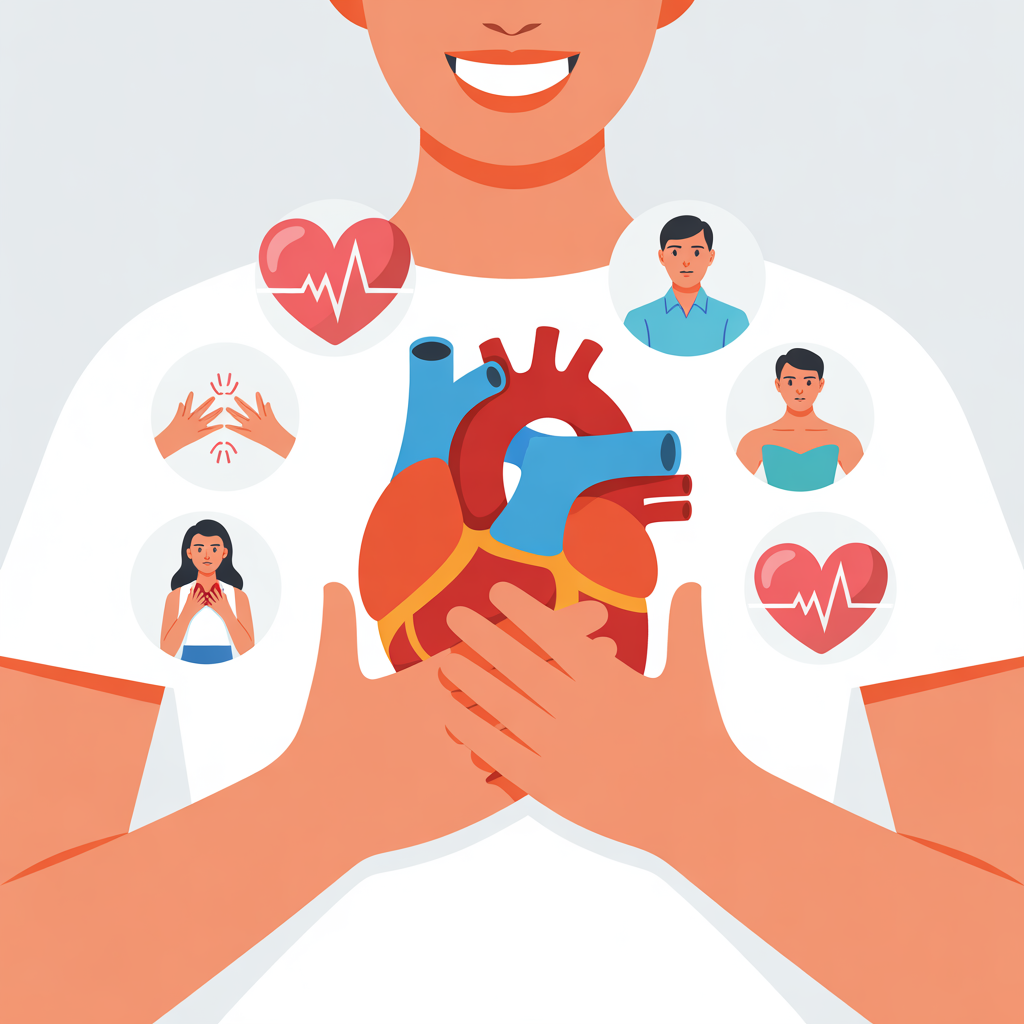
A heart attack, medically known as myocardial infarction, occurs when blood flow to a part of the heart is severely reduced or completely blocked. This blockage is most often caused by a buildup of fat, cholesterol, and other substances in the coronary arteries — forming plaques that can rupture and trigger a clot. Every minute without treatment means more heart muscle is lost, making early recognition of symptoms absolutely critical.
What makes heart attacks particularly dangerous is that the warning signs can vary significantly between individuals — and especially between men and women. While some people experience the classic, dramatic chest pain, others may have subtle or unusual symptoms that are easy to dismiss. Knowing what to look for could save your life or the life of someone you love.
Below are 15 key warning signs of a heart attack that everyone should be aware of.
1. Chest Pain, Pressure, or Discomfort
The most well-known symptom of a heart attack is a feeling of pain, tightness, pressure, squeezing, or fullness in the center or left side of the chest. This sensation may last more than a few minutes, or it may go away and come back.
- Often described as an “elephant sitting on the chest” or a tight band squeezing the chest
- Can be mild or severe in intensity
- May feel like uncomfortable pressure rather than sharp pain
- Sometimes mistaken for indigestion or heartburn
Important: Not everyone having a heart attack will experience significant chest pain — particularly women, older adults, and people with diabetes. Never ignore even mild chest discomfort, especially if it’s accompanied by other symptoms on this list.
2. Pain Radiating to the Arm, Shoulder, Neck, or Jaw
Heart attack pain does not always stay in the chest. It frequently spreads (radiates) to other parts of the upper body, including:
- Left arm or both arms: A classic sign, often felt as heaviness, aching, or numbness traveling down one or both arms
- Neck and jaw: A dull ache or tightness in the jaw or throat that may feel like a toothache
- Shoulder: A sudden ache in one or both shoulders, more commonly on the left side
- Upper back: Particularly common in women, pain between the shoulder blades can be an early warning sign
This referred pain occurs because the heart and these regions share nerve pathways. If you notice unexplained pain in any of these areas along with other symptoms, seek emergency medical attention immediately.
3. Shortness of Breath
Sudden, unexplained difficulty breathing — even when at rest or doing minimal activity — is a significant warning sign of a heart attack. This symptom may occur:
- With or without chest pain or discomfort
- While lying flat (which can worsen it)
- As a feeling that you cannot get enough air, even with normal breathing
When the heart is unable to pump blood effectively due to a blockage, fluid can back up into the lungs, causing difficulty breathing. In women, shortness of breath is one of the most frequently reported symptoms of a heart attack, sometimes appearing weeks before the actual event as a pre-heart attack symptom.
4. Cold Sweats
Breaking out in a cold, clammy sweat without any apparent reason — especially if you feel unwell at the same time — is a red-flag symptom. Unlike the normal sweat from exercise or hot weather, this type of sweating:
- Comes on suddenly and unexpectedly
- Makes the skin feel cool and damp to the touch
- Is often accompanied by pallor (pale skin)
- May be the body’s stress response to the heart being under severe strain
This reaction is triggered by the body’s autonomic nervous system as it goes into emergency mode during a cardiac event. If you experience sudden cold sweats combined with any other symptom on this list, call emergency services immediately.
5. Nausea, Indigestion, or Vomiting
Many heart attack victims — especially women — report feeling nauseous, experiencing stomach pain, or even vomiting before or during a heart attack. These symptoms are frequently misinterpreted as:
- Food poisoning
- Acid reflux or heartburn
- General stomach upset
The connection lies in the vagus nerve, which connects the heart and the gastrointestinal tract. When the heart is under distress, it can trigger gastrointestinal reactions. This is one reason why heart attacks in women are often misdiagnosed — the symptoms can mimic digestive issues rather than cardiac problems.
6. Lightheadedness or Dizziness
A sudden feeling of being lightheaded, dizzy, or feeling as though you might faint can be an important warning sign. This happens because:
- The heart is not pumping enough blood to the brain
- Blood pressure may drop suddenly during a cardiac event
- It may be accompanied by a racing or irregular heartbeat
While dizziness alone has many causes, when it comes on suddenly alongside chest discomfort, shortness of breath, or cold sweats, it must be treated as a potential cardiac emergency. This symptom is reported more frequently in women than in men during a heart attack.
7. Unusual Fatigue
Feeling unexplained, overwhelming, or extreme fatigue — particularly in the days or weeks leading up to a heart attack — is one of the most commonly overlooked warning signs, especially in women. This type of fatigue is different from normal tiredness:
- It is disproportionate to the activity being performed
- It may persist even after adequate rest or sleep
- Simple tasks like walking to the mailbox or making the bed can feel exhausting
- It is often one of the “6 signs of a heart attack a month before” that women report in retrospect
This fatigue occurs because the heart is working harder to pump blood through narrowed or partially blocked arteries. It is the body’s way of sending a signal that something is seriously wrong.
8. Pain or Discomfort in the Upper Abdomen
Some people having a heart attack experience discomfort in the upper abdomen or stomach area, which can be confused with ulcer pain, gallbladder issues, or severe heartburn. Key characteristics include:
- A feeling of pressure or squeezing in the upper belly
- Sometimes accompanied by nausea
- May come and go
- Not relieved by antacids
This symptom is more commonly seen in women and older adults. When abdominal discomfort is accompanied by any other cardiac symptoms, it should not be dismissed as a simple digestive problem.
9. Heart Palpitations or Rapid Heartbeat
Palpitations — the sensation that your heart is pounding, fluttering, skipping beats, or beating too rapidly — can be a warning sign, particularly when experienced alongside other symptoms. During a heart attack:
- The heart may develop arrhythmias (irregular rhythms) due to lack of oxygen
- You may feel your heart racing or beating irregularly
- This can sometimes be the only noticeable symptom in mild or “silent” heart attacks
While palpitations are common and usually harmless on their own, sudden, severe, or new palpitations — especially combined with chest discomfort or dizziness — should always be evaluated by a healthcare professional urgently.
10. Back Pain (Especially in Women)
Sudden, unexplained pain in the back — particularly in the upper back or between the shoulder blades — is a symptom that is disproportionately reported by women experiencing a heart attack. This makes it one of the most critical female heart attack symptoms to recognize.
- The pain may feel like a burning, aching, or pressure sensation
- It can sometimes radiate from the chest or neck downward
- It may be mistaken for a muscle strain or spinal issue
- It tends to come on suddenly rather than gradually developing over time
Women are statistically more likely than men to experience non-chest symptoms during a heart attack, which is one reason why women’s heart attacks are often recognized and treated later than men’s.
11. Feeling of Impending Doom or Extreme Anxiety
Many heart attack survivors describe an overwhelming feeling of impending doom, intense anxiety, or a sense that something is terribly wrong — even before other physical symptoms become obvious. This is not just psychological:
- The body’s fight-or-flight response is triggered during cardiac stress
- Adrenaline surges, causing a deep sense of dread or panic
- Some people describe it as “the worst feeling of my life” even before chest pain begins
This symptom should never be dismissed as “just anxiety.” Trust your instincts — if something feels deeply wrong, seek medical attention immediately.
12. Jaw or Toothache Without a Dental Cause
A dull ache, tightness, or pain in the jaw, teeth, or gums that has no apparent dental explanation can be a warning sign of cardiac trouble. This is because:
- The heart and jaw share nerve pathways through the vagus nerve
- Cardiac pain can be referred to the jaw, making it feel like a toothache
- More common in women than in men
- Often appears alongside neck or throat discomfort
If a dentist or doctor cannot find a clear oral cause for persistent jaw pain — especially combined with fatigue, shortness of breath, or chest discomfort — a cardiac evaluation should be considered.
13. Swelling in the Legs, Feet, or Ankles
While not always an acute sign of an immediate heart attack, unexplained swelling (edema) in the lower extremities can indicate that the heart is struggling and may be a pre-heart attack warning sign, especially in women. This occurs because:
- A weakening heart cannot pump blood efficiently, causing fluid to pool in the legs and feet
- Swelling may be accompanied by sudden weight gain due to fluid retention
- Shoes may feel tighter, and socks may leave deep indentations
- The ankles and feet are commonly affected first
If swelling appears suddenly or worsens rapidly alongside other cardiac symptoms, medical evaluation is urgently needed.
14. Persistent Cough or Wheezing
An unusual, persistent cough — especially one that produces white or pink-tinged mucus — can be a warning sign related to heart dysfunction. When the heart is not pumping effectively:
- Fluid can accumulate in the lungs, leading to a cough or wheezing
- The cough may worsen when lying down
- It may be accompanied by shortness of breath
- Pink or blood-tinged phlegm may indicate fluid buildup in the lungs (pulmonary edema), which is a serious emergency
A heart-related cough is often chronic and unexplained by respiratory illness. Anyone experiencing this type of cough alongside other heart attack symptoms should seek immediate care.
15. Sudden Numbness or Weakness on One Side of the Body
While more commonly associated with stroke (which shares many risk factors with heart attack), sudden numbness, weakness, or tingling on one side of the body can also occur during a cardiac event, particularly a massive heart attack that affects blood flow to the brain. Watch for:
- Weakness or numbness in the face, arm, or leg — especially on one side
- Sudden difficulty speaking or understanding speech
- Sudden vision problems in one or both eyes
- Severe sudden headache with no known cause
If these symptoms appear — with or without chest pain — treat it as a dual emergency and call emergency services immediately. Both heart attack and stroke require the fastest possible medical response.
Main Causes of a Heart Attack
Understanding what causes a heart attack is essential for both prevention and recognition. The most common causes include:
- Coronary artery disease (CAD): The leading cause — a buildup of plaque (atherosclerosis) in the coronary arteries narrows them over time, restricting blood flow to the heart muscle.
- Blood clots: When a plaque in a coronary artery ruptures, a blood clot can form rapidly at the site, completely blocking the artery.
- Coronary artery spasm: A severe tightening (spasm) of a coronary artery can temporarily cut off blood flow, even without significant blockage.
- High blood pressure (hypertension): Chronically elevated blood pressure damages arterial walls, accelerating plaque buildup and increasing the risk of a heart attack.
- High cholesterol: Elevated LDL (“bad”) cholesterol contributes to plaque formation in arteries.
- Diabetes: High blood sugar levels damage blood vessels and nerves that control the heart, significantly increasing cardiac risk.
- Smoking: Tobacco use is one of the most powerful modifiable risk factors — it damages artery walls and promotes clot formation.
- Obesity: Excess body weight strains the heart and is closely linked to diabetes, hypertension, and high cholesterol.
- Sedentary lifestyle: Physical inactivity contributes to multiple risk factors including obesity, high blood pressure, and poor cholesterol levels.
- Stress: Chronic emotional or physical stress raises blood pressure and may trigger arterial spasms.
- Family history and genetics: A family history of heart disease significantly increases individual risk.
- Age and sex: Risk increases with age; men are generally at risk earlier in life, but women’s risk rises sharply after menopause.
How to Prevent a Heart Attack
While not all heart attacks can be prevented — particularly in individuals with strong genetic risk factors — the vast majority are linked to lifestyle choices and controllable conditions. Here are proven prevention strategies:
- Quit smoking: Stopping smoking is one of the single most impactful steps you can take to reduce heart attack risk, with benefits beginning almost immediately.
- Adopt a heart-healthy diet: Focus on fruits, vegetables, whole grains, lean proteins, and healthy fats (like those found in olive oil and nuts). Limit saturated fats, trans fats, sodium, and added sugars.
- Exercise regularly: Aim for at least 150 minutes of moderate-intensity aerobic activity per week (e.g., brisk walking, cycling, swimming). Always consult your doctor before starting a new exercise program.
- Maintain a healthy weight: Reducing excess body weight significantly lowers the strain on your heart and reduces associated risk factors.
- Manage blood pressure: Monitor your blood pressure regularly and take steps to keep it in a healthy range through diet, exercise, and stress management.
- Control cholesterol and blood sugar: Regular check-ups allow early detection and management of high cholesterol and diabetes — two major heart attack risk factors.
- Manage stress: Practice relaxation techniques such as meditation, yoga, deep breathing, or adequate sleep to lower chronic stress levels.
- Limit alcohol consumption: Excessive drinking raises blood pressure and can contribute to heart disease.
- Regular medical check-ups: Routine screenings for blood pressure, cholesterol, blood sugar, and heart health allow for early intervention. Always consult your doctor regarding any medications or supplements that may be right for you.
- Know your family history: Share your family’s cardiac history with your healthcare provider so appropriate monitoring and prevention strategies can be put in place.
Frequently Asked Questions (FAQ)
What does a heart attack feel like?
A heart attack can feel like pressure, squeezing, fullness, or pain in the chest. Some people describe it as “an elephant sitting on the chest.” Others — especially women — may experience less obvious symptoms like unusual fatigue, back pain, nausea, or shortness of breath without significant chest pain.
What are the heart attack symptoms in women specifically?
Women are more likely than men to experience atypical symptoms such as: extreme fatigue, shortness of breath, nausea or vomiting, upper back or jaw pain, dizziness, and cold sweats. These symptoms can occur weeks before a major cardiac event and are often mistakenly attributed to anxiety, stress, or digestive problems.
Can you have a heart attack without chest pain?
Yes. This is known as a “silent” heart attack or atypical presentation. It is more common in women, older adults, and people with diabetes. Other symptoms such as fatigue, shortness of breath, nausea, and jaw or back pain may be the only indicators.
What are the signs of a heart attack a month before it happens?
Early warning signs that may appear weeks or even a month before a heart attack include: unusual and persistent fatigue, mild chest discomfort that comes and goes, shortness of breath during routine activities, sleep disturbances, dizziness, and cold sweats. These are especially reported by women looking back after a cardiac event.
What happens during a heart attack?
During a heart attack, a blockage — usually a blood clot forming on a ruptured plaque — cuts off blood supply to part of the heart muscle. Without oxygen-rich blood, heart muscle cells begin to die. The longer the blockage persists, the more damage is done. This is why rapid medical response is critical.
What is the difference between a heart attack and a massive heart attack?
A “massive heart attack” typically refers to a large myocardial infarction (often called a STEMI — ST-elevation myocardial infarction), in which a major coronary artery is completely blocked, causing extensive damage to a large area of heart muscle. Symptoms are usually more severe and carry a higher risk of death or serious complications.
Are heart attack symptoms different in men and women?
Yes. Men more typically experience the “classic” symptoms: intense chest pain radiating to the left arm. Women are significantly more likely to experience atypical symptoms including fatigue, shortness of breath, nausea, jaw or back pain, and dizziness — which can lead to delayed diagnosis and treatment.
When should I call emergency services for a potential heart attack?
Call emergency services immediately if you or someone nearby experiences chest pain or discomfort, shortness of breath, pain spreading to the arm, back, neck, or jaw, cold sweats, nausea, or lightheadedness — especially if these symptoms are sudden, severe, or occur together. Do not drive yourself to the hospital. Every minute of delay increases the risk of permanent heart damage.
What is myocardial infarction?
Myocardial infarction (MI) is the medical term for a heart attack. “Myocardial” refers to the heart muscle, and “infarction” means tissue death due to lack of blood supply. The terms “heart attack” and “myocardial infarction” are used interchangeably in clinical settings.
Can heart attacks be prevented?
Many heart attacks can be prevented through lifestyle modifications such as healthy diet, regular exercise, not smoking, managing blood pressure and cholesterol, and maintaining a healthy weight. Regular medical check-ups are also essential for identifying and managing risk factors early. Always consult your doctor for personalized guidance.
References:
- American Heart Association – Warning Signs of a Heart Attack
- National Heart, Lung, and Blood Institute (NHLBI) – Heart Attack Symptoms
- Mayo Clinic – Heart Attack: Symptoms and Causes
- Centers for Disease Control and Prevention (CDC) – Heart Attack
- World Health Organization (WHO) – Cardiovascular Diseases
- Johns Hopkins Medicine – Heart Attack