
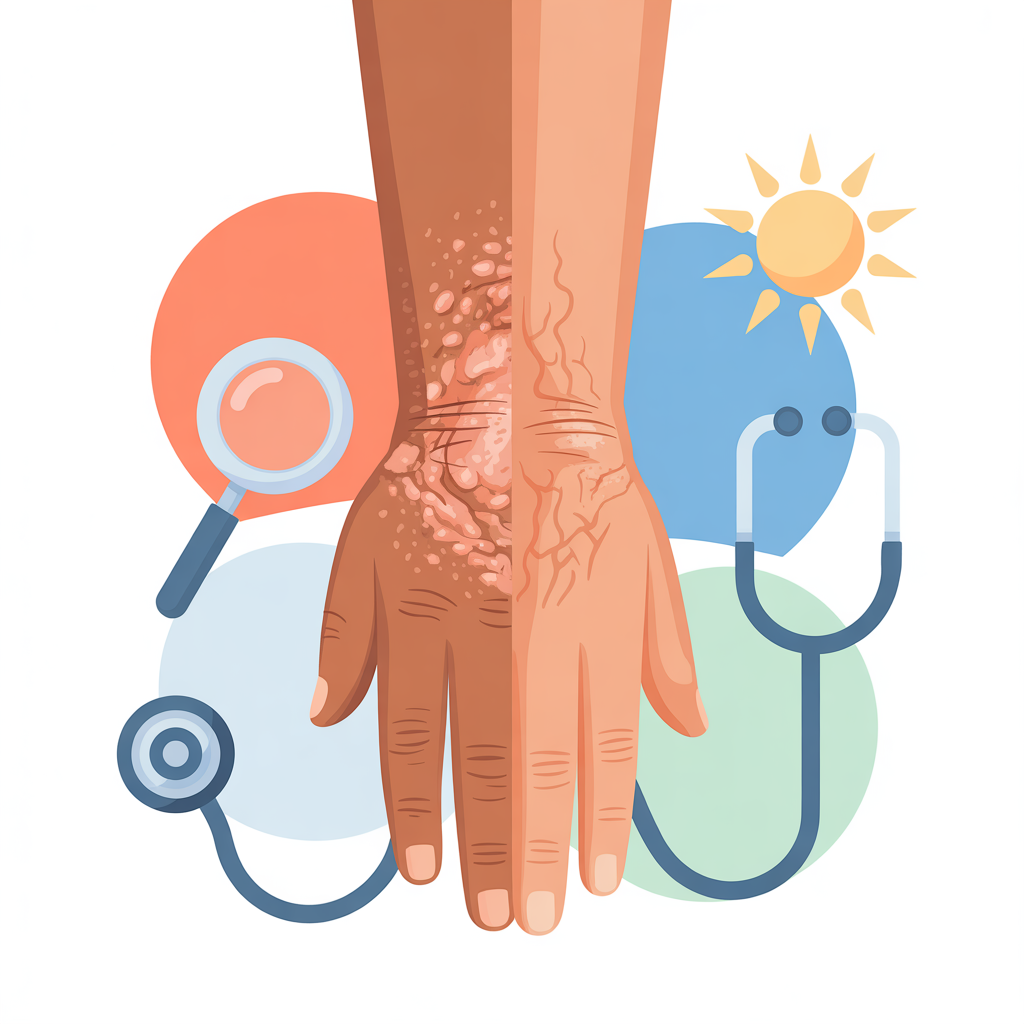
Squamous cell carcinoma (SCC) of the skin is one of the most common forms of skin cancer, developing in the squamous cells that make up the outer layer of the skin. While it is generally treatable when caught early, squamous cell skin cancer can become invasive and spread to other parts of the body if left undetected. Knowing the early warning signs is critical for timely diagnosis and a better outcome. This guide outlines the 10 key symptoms of squamous cell carcinoma you should never overlook, along with its main causes, prevention strategies, and answers to frequently asked questions.
1. A Firm, Red Nodule on the Skin
One of the most recognizable early symptoms of squamous cell carcinoma is the appearance of a firm, red, or pink nodule on sun-exposed areas of the body. These nodules are often found on:
- The face, ears, and scalp
- The back of the hands and forearms
- The neck and chest
- The lips
Unlike a typical pimple or cyst, this nodule does not resolve on its own. It tends to grow gradually and may feel hard or rubbery to the touch. The surface can appear smooth at first, but it may become rough or scaly over time. If you notice a new, persistent red bump that does not heal within a few weeks, it is essential to consult a dermatologist promptly.
2. A Flat, Scaly Lesion with a Crusted Surface
Squamous cell skin cancer often presents as a flat, scaly patch or lesion that resembles dry skin but does not respond to moisturizers. Key characteristics include:
- A rough, crusty texture on the surface
- Reddish or brownish discoloration
- Irregular or well-defined borders
- A tendency to bleed when scratched or irritated
This type of lesion is commonly mistaken for eczema, psoriasis, or a minor skin irritation. However, a distinguishing factor is its persistent nature — it does not improve with standard skincare treatments. Early-stage squamous cell carcinoma (Stage 1) frequently manifests as this type of flat, scaly growth, making it crucial not to dismiss any persistent skin changes.
3. An Open Sore or Ulcer That Won’t Heal
A non-healing sore is a hallmark warning sign of squamous cell carcinoma. This symptom is particularly concerning because it is often painless at first, leading many people to delay seeking medical attention. Signs to watch for include:
- An open wound that bleeds easily and repeatedly
- A sore that crusts over but never fully heals
- A central area of ulceration surrounded by raised, thickened skin
- Persistent oozing or discharge from the wound
These sores may appear on areas that are not always exposed to the sun, including the genitals, anal region, or inside the mouth, underscoring the importance of regular full-body skin examinations.
4. Wart-Like Growth on the Skin
Some cases of squamous cell carcinoma develop as wart-like growths that can be easily confused with benign skin conditions. These growths may:
- Have a rough, verrucous (warty) surface
- Grow slowly over weeks or months
- Appear flesh-colored, yellowish, or slightly red
- Feel firm and raised above the surrounding skin
Because wart-like squamous cell lesions can look very similar to common warts caused by HPV, professional evaluation is necessary. A dermatologist can perform a biopsy to determine whether the growth is cancerous.
5. Raised Growth With a Central Depression or Crater
A specific subtype of squamous cell carcinoma, known as keratoacanthoma, typically presents as a rapidly growing, dome-shaped lesion with a central crater filled with keratin (a protein found in skin cells). Features include:
- Rapid growth over a period of weeks
- A volcano-like appearance with a central plug
- Skin-colored or reddish margins
- Occasional spontaneous resolution, though medical evaluation is still required
Although some keratoacanthomas may regress on their own, they are considered a form of squamous cell skin cancer and should always be evaluated and managed by a healthcare professional.
6. Thickened or Rough Skin on the Lips or Inside the Mouth
Squamous cell carcinoma can develop in the oral cavity, particularly on the lips, tongue, floor of the mouth, and inner cheeks. Oral SCC symptoms include:
- A white or red patch (leukoplakia or erythroplakia) that persists
- A lump or thickening in the lining of the mouth
- Persistent sore or ulcer in the mouth that does not heal
- Numbness or pain in any area of the mouth or lips
Oral squamous cell carcinoma is strongly linked to tobacco use, heavy alcohol consumption, and infection with human papillomavirus (HPV). Regular dental check-ups can help detect these early changes before they progress.
7. Redness, Swelling, or Pain Around an Existing Skin Lesion
When squamous cell carcinoma becomes invasive, it begins to penetrate deeper layers of the skin and surrounding tissues, which can trigger inflammatory symptoms such as:
- Increased redness and warmth around the lesion
- Swelling of the surrounding skin
- Tenderness or pain, especially when touched
- A burning or itching sensation that is difficult to relieve
Invasive squamous cell carcinoma is more serious than its surface-level counterpart. The cancer cells can invade nerves, blood vessels, and lymph nodes, increasing the risk of metastasis (spreading to other organs). These symptoms warrant immediate medical attention.
8. Swollen Lymph Nodes Near the Lesion
In more advanced cases of squamous cell skin cancer, cancer cells may travel to the nearby lymph nodes, causing them to become enlarged and palpable. This may be noticed as:
- A lump or swelling under the skin near the jaw, neck, armpit, or groin
- Tenderness or firmness in the swollen nodes
- Persistent swelling that does not resolve after a few weeks
Swollen lymph nodes associated with skin cancer can indicate that the disease has progressed beyond the skin. This is a critical sign that requires prompt medical evaluation and staging to determine the extent of the cancer.
9. Changes in an Existing Scar, Mole, or Birthmark
Squamous cell carcinoma can sometimes arise within pre-existing skin abnormalities. You should monitor any scar, mole, or birthmark for the following changes:
- A scar that suddenly develops a new bump or sore within it
- A previously stable mole that becomes raised, changes color, or starts to bleed
- A birthmark that develops an irregular border or begins to ulcerate
- Any new growth emerging from a burn scar or an area of chronic skin inflammation
Squamous cell carcinoma developing in scars — a condition called Marjolin’s ulcer — is particularly aggressive. Any unusual changes to existing skin features should be assessed by a dermatologist without delay.
10. Rough, Scaly Patches on the Ears, Scalp, or Neck
The ears, scalp, and back of the neck are among the most sun-damaged areas of the body and are prime locations for squamous cell skin cancer. These areas may develop:
- Rough, sand-paper-like patches of skin
- Areas of persistent redness that do not respond to treatment
- Peeling or flaking skin that recurs despite moisturizing
- Small, raised bumps that feel gritty or dry
Many of these patches may begin as actinic keratosis — a precancerous condition caused by cumulative sun exposure — before progressing into squamous cell carcinoma if left untreated. Regular skin screenings are especially important for those with significant sun exposure history.
Main Causes of Squamous Cell Carcinoma of the Skin
Understanding the root causes of squamous cell skin cancer can help with both prevention and early detection. The primary causes include:
- Ultraviolet (UV) radiation: Long-term exposure to sunlight or artificial UV sources (such as tanning beds) is the leading cause of SCC. UV radiation damages the DNA in skin cells, triggering abnormal growth.
- Fair skin and light features: People with fair skin, light hair, and blue or green eyes have less melanin (the skin’s natural UV protection) and are at a higher risk.
- History of sunburns: Repeated or severe sunburns, especially during childhood, significantly increase the lifetime risk of squamous cell carcinoma.
- Weakened immune system: Individuals who are immunocompromised — such as organ transplant recipients or those with HIV/AIDS — are at substantially greater risk of developing SCC.
- Human Papillomavirus (HPV) infection: Certain strains of HPV are associated with squamous cell carcinoma, particularly in the genitals, anus, and oral cavity.
- Exposure to chemicals: Contact with carcinogenic substances such as arsenic, tar, and industrial chemicals increases the risk.
- Pre-existing skin conditions: Actinic keratosis, chronic skin ulcers, and burn scars can all predispose the skin to SCC development.
- Tobacco and alcohol use: Heavy smoking and drinking are strongly linked to oral squamous cell carcinoma.
- Genetic predisposition: A personal or family history of skin cancer increases the likelihood of developing SCC.
How to Prevent Squamous Cell Carcinoma of the Skin
While not all cases of squamous cell skin cancer can be prevented, adopting the following habits can significantly reduce your risk:
- Apply sunscreen daily: Use a broad-spectrum sunscreen with SPF 30 or higher every day, even on cloudy days, and reapply every two hours when outdoors.
- Wear protective clothing: Long sleeves, wide-brimmed hats, and UV-blocking sunglasses provide an extra layer of protection against UV radiation.
- Avoid tanning beds: Artificial UV sources are just as damaging as the sun. Avoid tanning beds and sunlamps entirely.
- Seek shade: Limit outdoor activities during peak UV hours, typically between 10 a.m. and 4 p.m.
- Perform regular skin self-exams: Check your skin from head to toe once a month for any new or changing spots. Use a mirror to inspect hard-to-see areas.
- Schedule annual skin check-ups: A dermatologist can identify pre-cancerous changes — such as actinic keratosis — before they develop into full-blown squamous cell carcinoma.
- Avoid tobacco and limit alcohol: Quitting smoking and reducing alcohol consumption significantly lowers the risk of oral SCC.
- Get vaccinated against HPV: The HPV vaccine can protect against strains of the virus linked to certain types of squamous cell carcinoma.
- Protect against chemical exposure: Use appropriate protective equipment if your work involves exposure to carcinogenic chemicals.
Frequently Asked Questions (FAQ)
What does squamous cell carcinoma look like in its early stages?
In its early stage (Stage 1), squamous cell carcinoma often appears as a small, firm, red bump, a flat scaly patch, or a rough, crusted lesion on sun-exposed skin. It may resemble a persistent pimple, a wart, or an area of irritated skin that never fully heals. Consulting a dermatologist at this stage offers the best chance of a favorable outcome.
Is squamous cell carcinoma dangerous?
While squamous cell carcinoma is generally less aggressive than melanoma, it can become dangerous if not treated promptly. Invasive squamous cell carcinoma can spread to lymph nodes, nerves, and internal organs, making it life-threatening in advanced stages. Early detection and medical management are essential.
Can squamous cell carcinoma spread to other parts of the body?
Yes. Although most cases of SCC remain localized to the skin, invasive squamous cell carcinoma can metastasize — particularly to nearby lymph nodes and, in severe cases, to the lungs, liver, or brain. The risk of spreading is higher in immunocompromised individuals and when the cancer is located on the ears, lips, or scalp.
Who is most at risk of developing squamous cell skin cancer?
People at the highest risk include those with fair skin and a history of significant sun exposure, individuals over 50 years of age, those with a weakened immune system, people with a prior history of skin cancer or precancerous lesions, and those who use tobacco or have had significant HPV exposure.
Is squamous cell carcinoma the same as melanoma?
No. Squamous cell carcinoma and melanoma are two different types of skin cancer. SCC originates in the squamous cells of the outer skin layer, while melanoma develops in the melanocytes (pigment-producing cells). Melanoma is generally considered more aggressive and more likely to spread rapidly than SCC.
When should I see a doctor about a skin lesion?
You should consult a dermatologist if you notice any skin lesion or sore that does not heal within 4 weeks, changes in size, shape, or color, bleeds without injury, or causes persistent pain or discomfort. Early evaluation is always better than waiting, especially if you have risk factors for squamous cell skin cancer.
References:
- Mayo Clinic – Squamous Cell Carcinoma of the Skin: Symptoms & Causes
- American Cancer Society – What Is Squamous Cell Skin Cancer?
- American Academy of Dermatology – Squamous Cell Carcinoma
- Skin Cancer Foundation – Squamous Cell Carcinoma
- National Institutes of Health (NIH) – Squamous Cell Carcinoma of the Skin