
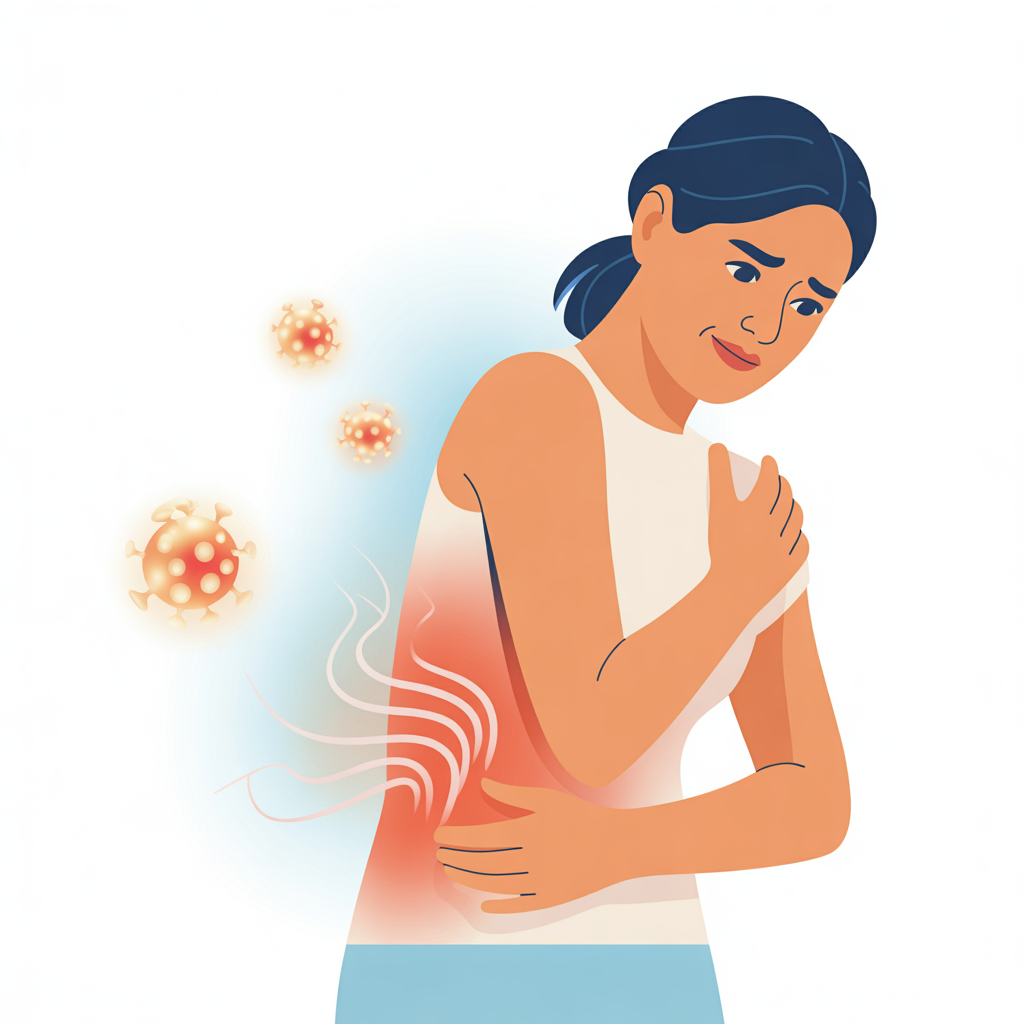
Shingles, medically known as herpes zoster, is a painful viral infection caused by the reactivation of the varicella-zoster virus — the same virus responsible for chickenpox. Once you’ve had chickenpox, the virus lies dormant in your nerve tissue and can reawaken years or even decades later, resulting in shingles. According to the Centers for Disease Control and Prevention (CDC), approximately 1 in 3 people in the United States will develop shingles at some point in their lifetime.
Shingles most commonly affects adults over the age of 50 and people with weakened immune systems, though it can occur at any age. The condition typically presents as a painful, blistering rash on one side of the body or face. Recognizing the early symptoms of shingles is critical for timely medical attention, as early intervention can help reduce the severity and duration of the illness and lower the risk of long-term complications.
In this article, we outline the 12 key symptoms of shingles, explain what causes them, and answer the most frequently asked questions about this condition.
1. Burning or Tingling Sensation on the Skin
One of the earliest signs of shingles is an unusual sensation on a localized area of the skin — often described as burning, tingling, itching, or numbness. This symptom typically appears 1 to 5 days before any visible rash develops, making it easy to overlook or misattribute to other causes.
The sensation is usually confined to a specific strip or patch of skin on one side of the body, following the path of a nerve. Common locations include:
- One side of the torso or back
- The neck or shoulder area
- The face, especially around the eye or forehead
Because there are no visible skin changes at this stage, many people don’t realize they are in the early stage of shingles. However, if you have a history of chickenpox and notice this type of localized skin sensitivity, it’s important to consult a healthcare provider promptly.
2. Sensitivity to Touch (Allodynia)
Along with burning and tingling, shingles can cause extreme sensitivity to touch in the affected area — a condition known as allodynia. Even the lightest contact, such as clothing brushing against the skin or a gentle breeze, can trigger intense discomfort or pain.
This heightened sensitivity occurs because the varicella-zoster virus directly attacks the sensory nerve fibers, causing inflammation and nerve damage. The skin may feel:
- Hypersensitive or tender to the touch
- Painful even without physical contact
- Warm or swollen in the affected region
This symptom is particularly distressing and can significantly affect a person’s ability to perform daily activities. It is one of the hallmark early shingles symptoms that signals nerve involvement before the rash appears.
3. Flu-Like Symptoms (Without Fever)
In the early prodromal phase of shingles, many people experience general flu-like symptoms. Unlike a typical flu, shingles-related symptoms usually do not include a runny nose or respiratory issues. Instead, they may include:
- Fatigue and overall sense of tiredness
- Headache
- Chills
- Upset stomach or mild nausea
- General malaise or feeling unwell
These symptoms can precede the rash by several days, which often makes an early diagnosis difficult. Many individuals mistake this phase for a common cold or viral illness. However, if these symptoms are accompanied by localized skin tingling or pain, shingles should be considered as a possible cause.
4. Fever and Chills
Some individuals with shingles develop a low-grade fever as the body’s immune system responds to the reactivating virus. This is part of the body’s natural inflammatory response and is more commonly seen in people with weaker immune systems.
Associated symptoms may include:
- Body temperature slightly above normal (between 99°F and 101°F / 37.2°C–38.3°C)
- Shivering or chills
- Sweating or hot flashes
While fever in shingles is generally mild, a high or persistent fever may suggest a secondary bacterial infection or a more serious complication, and should be evaluated by a doctor immediately.
5. Red, Blotchy Rash
After the prodromal phase (typically 1–5 days), a red, blotchy rash begins to appear on the skin. This is the most recognizable and defining symptom of shingles. The rash almost always appears on only one side of the body, following the path of a specific nerve called a dermatome.
Key characteristics of the shingles rash include:
- Redness and inflammation in a localized band or strip
- Confined to one side of the torso, face, neck, or back — rarely crossing the midline
- Often wraps around the waist or ribcage in a belt-like pattern
- The rash can also appear on the face, scalp, or around the eye in some cases
This early rash stage can look deceptively mild, which is why it is sometimes referred to as mild early shingles. However, it typically progresses rapidly to the blister stage within a few days.
6. Fluid-Filled Blisters (Vesicles)
Within a few days of the initial rash appearing, clusters of fluid-filled blisters (vesicles) form on the reddened skin. These blisters are a hallmark feature of shingles and closely resemble chickenpox blisters in appearance.
The shingles blisters:
- Are typically small, round, and filled with a clear or slightly cloudy fluid
- Appear in groups or clusters along the rash area
- Can be extremely painful and tender to the touch
- May continue to form over a period of 3 to 5 days
These blisters are the stage at which shingles is most contagious. The fluid within them contains the varicella-zoster virus. Direct contact with the blister fluid can spread the virus to someone who has never had chickenpox or has not been vaccinated — potentially causing them to develop chickenpox, not shingles.
7. Blisters That Break Open and Crust Over
As the shingles infection progresses, the fluid-filled blisters eventually break open, ooze, and begin to crust over. This is a natural part of the healing process.
The stages of blister development include:
- Formation: Small red bumps appear and fill with clear fluid
- Rupture: Blisters burst open within 7–10 days of appearing
- Crusting: Open sores dry out and form yellowish or brownish scabs
- Healing: Scabs gradually fall off, and the skin heals over 2–4 weeks
Once all the blisters have fully crusted over, shingles is generally no longer contagious. However, the affected area may remain discolored or scarred, especially if blisters were severe or became infected. In some cases, permanent scarring can occur.
8. Intense, Localized Pain
Pain is considered the most prominent and debilitating symptom of shingles. It can range from a dull ache to a sharp, stabbing, burning, or electric-shock-like pain. Shingles pain is caused by inflammation of the sensory nerves due to viral activity.
Important facts about shingles pain:
- Pain can precede the rash by several days and is often the first noticeable symptom
- It is typically limited to the nerve pathway (dermatome) affected by the virus
- Pain intensity can vary greatly — some people experience only mild discomfort, while others report severe, disabling pain
- The pain may be constant or come in waves
- In some cases, the pain persists even after the rash has healed — a condition known as postherpetic neuralgia (PHN)
Postherpetic neuralgia is the most common complication of shingles and can last for months or even years after the initial infection resolves. Always consult a healthcare provider if you experience prolonged or severe shingles-related pain.
9. Itching
Along with pain, intense itching is a common and often highly uncomfortable symptom of shingles, particularly during the blister and crusting stages. The itching is caused by nerve irritation and inflammation as the virus affects the surrounding skin and tissues.
The itch associated with shingles can be:
- Persistent and difficult to relieve
- Accompanied by a burning sensation
- Worsened by heat or sweating
Scratching shingles blisters is strongly discouraged, as it can break the skin, introduce bacteria, increase the risk of secondary infections, and cause lasting scars. Cool, damp cloths applied gently to the affected area may help relieve itching. Always speak with your doctor before using any topical products on shingles blisters.
10. Headache and Light Sensitivity
Shingles affecting the nerves around the head, face, or scalp can cause significant headaches and, in some cases, sensitivity to light (photophobia). These symptoms can be particularly severe when the ophthalmic branch of the trigeminal nerve is involved — a condition known as herpes zoster ophthalmicus.
Symptoms in this case may include:
- Persistent, throbbing headaches
- Pain or rash on the forehead or around one eye
- Redness or swelling around the eye
- Blurred or decreased vision
- Sensitivity to bright light
⚠️ Important: Shingles affecting the eye area is a medical emergency. If you notice a shingles rash near your eye or experience any vision changes, seek immediate medical attention, as it can lead to permanent vision loss if left untreated.
11. Swollen Lymph Nodes
As with many viral infections, shingles can cause swollen lymph nodes (lymphadenopathy) near the affected area. Lymph nodes are part of the immune system and become enlarged when the body is fighting an infection.
You may notice:
- Tender, swollen nodes in the neck, armpit, or groin — depending on where the rash is located
- A general feeling of heaviness or discomfort near the swollen nodes
- The swelling usually subsides as the infection resolves
Swollen lymph nodes during shingles are a normal immune response and are not a cause for immediate alarm on their own. However, if the swelling is extreme or accompanied by high fever, a medical evaluation is recommended.
12. Facial Weakness or Hearing Problems (Ramsay Hunt Syndrome)
In rare but serious cases, shingles can affect the facial nerve, leading to a condition called Ramsay Hunt Syndrome. This occurs when the varicella-zoster virus reactivates in the geniculate ganglion of the facial nerve.
Symptoms of Ramsay Hunt Syndrome include:
- Facial drooping or weakness on one side
- A painful rash inside the ear, on the earlobe, or around the mouth
- Hearing loss or ringing in the ears (tinnitus)
- Dizziness or loss of balance (vertigo)
- Difficulty closing one eye or making facial expressions
Ramsay Hunt Syndrome is a serious complication requiring prompt medical attention. Without timely treatment, it can result in permanent facial paralysis or hearing loss. If you experience any of these symptoms alongside a shingles rash, contact your doctor immediately.
Main Causes of Shingles
Understanding what causes shingles can help you assess your risk and take preventive steps. Here are the primary factors that contribute to the development of shingles:
- Prior chickenpox infection: Shingles can only develop in people who have previously had chickenpox. After recovering from chickenpox, the varicella-zoster virus remains dormant in the nerve tissue near the spinal cord and brain.
- Weakened immune system: The virus reactivates when the immune system is suppressed. Conditions that weaken immunity include HIV/AIDS, cancer, and autoimmune disorders, as well as immunosuppressive medications.
- Aging: The risk of shingles increases significantly with age. People over 50 are at the highest risk because immune function naturally declines over time.
- Stress: Prolonged physical or emotional stress can compromise the immune system and potentially trigger the reactivation of the dormant virus.
- Illness or surgery: A severe illness, injury, or major surgery can temporarily weaken immune defenses and trigger shingles.
- Certain medications: Long-term use of corticosteroids or medications that suppress the immune system (such as those used after organ transplants) can increase shingles risk.
How to Prevent Shingles
While there is no guaranteed way to prevent shingles entirely, there are effective strategies to reduce your risk and protect against serious complications:
- Get vaccinated: The shingles vaccine (Shingrix) is recommended for adults aged 50 and older. It is highly effective at reducing the risk of shingles and its complications, including postherpetic neuralgia. Consult your doctor about whether vaccination is appropriate for you.
- Manage stress: Practicing stress-reduction techniques such as meditation, yoga, regular exercise, and adequate sleep can help keep your immune system strong.
- Maintain a healthy lifestyle: A balanced diet rich in vitamins and minerals, regular physical activity, and sufficient rest all support a healthy immune system.
- Avoid close contact during active shingles: If you have shingles, avoid contact with pregnant women, newborns, and people with weakened immune systems until all blisters have fully crusted over.
- Practice good hygiene: Wash your hands regularly, especially if you are caring for someone with shingles, and avoid touching or scratching the rash.
Frequently Asked Questions (FAQ)
Is shingles contagious?
Shingles itself is not directly contagious from person to person. However, the varicella-zoster virus in the blister fluid can be transmitted through direct contact with an open sore. If someone who has never had chickenpox or the chickenpox vaccine comes into contact with the fluid, they may develop chickenpox — not shingles. Shingles is not spread through casual contact, sneezing, or coughing, so it is not airborne in the same way as chickenpox.
What does shingles look like?
Shingles typically begins as a red, blotchy rash on one side of the body, usually forming a band or stripe around the torso, face, or neck. Within a few days, the rash develops into clusters of painful, fluid-filled blisters that eventually break open and crust over. The rash rarely crosses the body’s midline and tends to follow the path of a specific nerve.
How does shingles start?
Shingles typically begins with early warning signs such as localized burning, tingling, or itching on one side of the body. This is followed by flu-like symptoms such as fatigue, headache, and chills. A red rash and blisters then appear in the affected area within a few days.
Can you get shingles more than once?
Yes, it is possible to get shingles more than once, although it is relatively uncommon. People with weakened immune systems are at a higher risk of recurrence. Getting vaccinated can help reduce this risk.
Is shingles dangerous?
For most healthy adults, shingles resolves on its own within 3 to 5 weeks. However, it can be serious or even dangerous in older adults, immunocompromised individuals, or when it affects the eye or nervous system. Complications such as postherpetic neuralgia, vision loss, or Ramsay Hunt Syndrome can have long-lasting effects on quality of life.
How long does shingles last?
Most cases of shingles resolve within 3 to 5 weeks. The rash typically heals in 2 to 4 weeks, though pain and discomfort may persist longer, especially in older adults who develop postherpetic neuralgia.
Who is most at risk of getting shingles?
People over the age of 50, those with weakened immune systems (due to illness or medication), and individuals under significant chronic stress are at the highest risk of developing shingles. Anyone who has had chickenpox carries the dormant virus and is technically at risk.
Should I see a doctor if I think I have shingles?
Yes, absolutely. If you suspect you have shingles — especially if you notice a painful rash on one side of your body, rash near your eyes, or severe neurological symptoms — you should seek medical attention as soon as possible. Early medical care is important to manage symptoms and reduce the risk of complications. Always consult a healthcare professional before taking any medication.
References: