
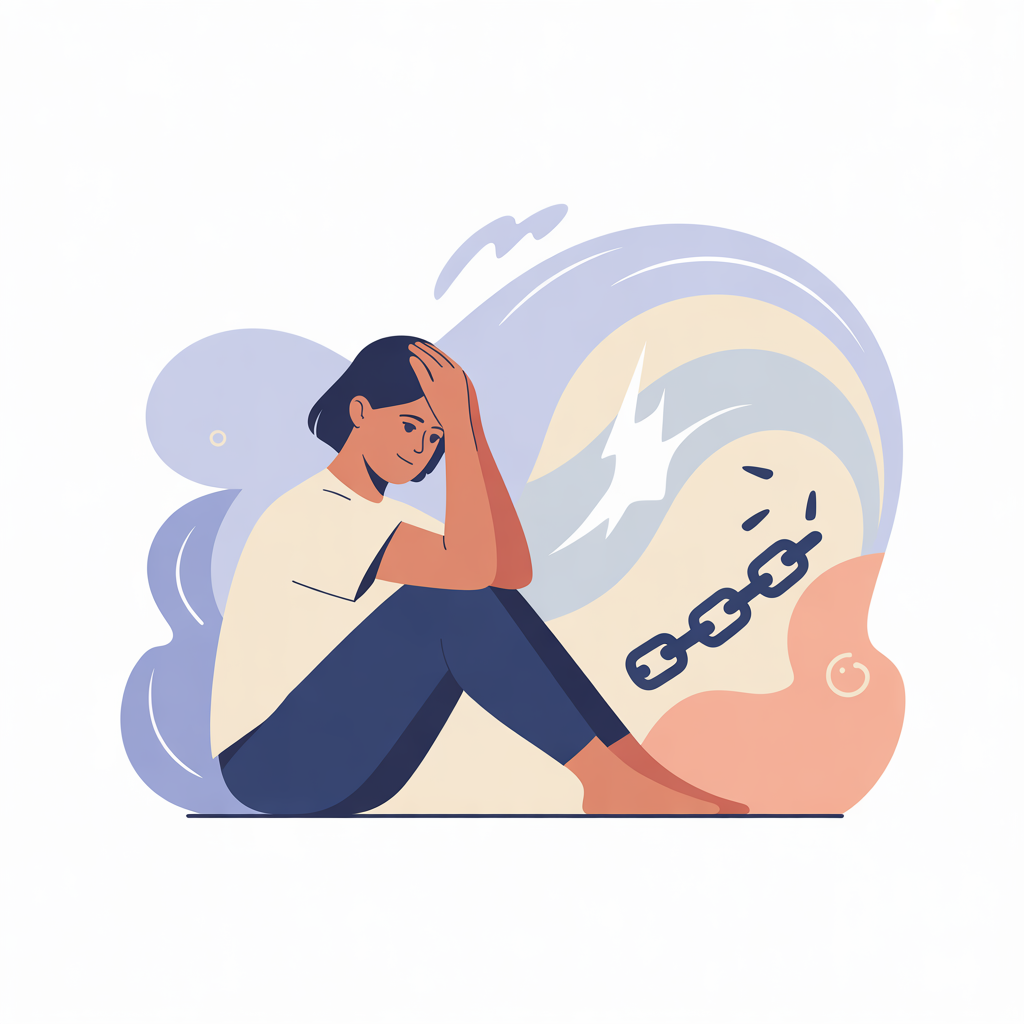
Post-Traumatic Stress Disorder (PTSD) is a serious mental health condition that can develop after a person has experienced or witnessed a traumatic event — such as a natural disaster, serious accident, war, sexual assault, or any life-threatening situation. While it is completely normal to feel stressed, frightened, or anxious after trauma, most people gradually recover over time. However, for some individuals, these intense feelings do not fade and may even worsen, leading to PTSD.
According to the National Institute of Mental Health (NIMH), approximately 3.6% of U.S. adults experience PTSD in any given year, and women are twice as likely as men to develop the condition. PTSD can affect anyone — veterans, survivors of abuse, accident victims, or even first responders regularly exposed to traumatic scenes.
Understanding the symptoms of PTSD is the first and most important step toward seeking help and reclaiming quality of life. Below, we outline 12 of the most common and recognizable symptoms of PTSD that you or a loved one should be aware of.
1. Flashbacks and Intrusive Memories
One of the most well-known and distressing symptoms of PTSD is experiencing flashbacks — vivid, involuntary re-experiences of the traumatic event. These are not simply unpleasant memories; they can feel so real that the person believes they are reliving the trauma all over again.
- Intrusive, unwanted memories of the traumatic event that appear suddenly without warning
- Flashbacks that can be triggered by sights, sounds, smells, or situations that serve as reminders of the trauma
- A feeling of being mentally “transported” back to the moment of the trauma
- Physical reactions during a flashback, such as rapid heartbeat, sweating, or trembling
Flashbacks can occur during waking hours or as part of sleep, making it extremely difficult for those affected to feel safe in their daily environment.
2. Nightmares and Sleep Disturbances
Sleep problems are extremely common in people with PTSD. Many individuals experience recurrent nightmares related to the traumatic event, causing them to wake up in a state of panic or intense distress.
- Repeated, disturbing dreams that replay the traumatic experience
- Waking up in a cold sweat, screaming, or with a racing heart
- Difficulty falling back asleep after nightmares
- Fear of going to sleep due to anticipation of nightmares
- Chronic insomnia and overall poor sleep quality
Over time, persistent sleep deprivation caused by PTSD can contribute to other health issues, including weakened immunity, impaired concentration, and increased emotional volatility.
3. Avoidance of Trauma Reminders
People with PTSD often go to great lengths to avoid anything that reminds them of the traumatic event. This avoidance behavior is a coping mechanism, but it can significantly limit a person’s daily functioning and social life.
- Avoiding specific places, people, situations, or activities linked to the trauma
- Refusing to talk about the traumatic experience or how it made them feel
- Changing daily routines drastically to prevent potential triggers
- Avoiding news, movies, or conversations that might resemble the traumatic event
While avoidance may temporarily reduce anxiety, it often reinforces fear and can prevent meaningful recovery. It may also lead to increasing social isolation over time.
4. Emotional Numbness and Detachment
A hallmark symptom of PTSD — particularly in women — is a sense of emotional numbing or feeling disconnected from the world. Rather than experiencing acute anxiety, many individuals “shut down” emotionally as a way to cope with overwhelming feelings.
- Feeling emotionally flat or unable to experience joy, love, or happiness
- Feeling detached or estranged from friends, family, and colleagues
- Loss of interest in hobbies or activities previously enjoyed
- Difficulty expressing emotions or feeling emotionally “empty”
- A sense that the future holds no possibilities — feeling as though life will be cut short
This emotional disconnection can strain relationships and is often misinterpreted by others as coldness or indifference, which may deepen feelings of loneliness in those suffering from PTSD.
5. Hypervigilance (Being Constantly “On Edge”)
Hypervigilance refers to a state of being excessively alert and watchful for potential danger, even when there is no immediate threat. This heightened state of alertness is the brain’s attempt to protect itself from future trauma.
- Constantly scanning surroundings for potential threats or signs of danger
- Being easily startled by sudden sounds, movements, or unexpected events
- Feeling “on guard” at all times, even in safe environments
- Difficulty relaxing, sitting still, or feeling at peace
- Increased irritability and tension without a clear external cause
This persistent state of arousal is mentally and physically exhausting, and it can significantly interfere with a person’s ability to perform everyday tasks, maintain relationships, or enjoy leisure time.
6. Negative Changes in Thinking and Mood
PTSD often brings about profound shifts in a person’s thoughts and feelings about themselves, others, and the world. These changes can emerge or worsen in the weeks or months following the traumatic event.
- Persistent negative beliefs such as “I am bad,” “No one can be trusted,” or “The world is completely dangerous”
- Distorted feelings of guilt or blame — believing the trauma was their fault
- Persistent feelings of shame, horror, anger, or hopelessness
- Loss of trust in other people, including close friends and family
- Difficulty experiencing positive emotions such as happiness or love
These cognitive distortions can be deeply entrenched and may require professional therapeutic support to address effectively.
7. Intense Emotional or Physical Reactions to Triggers
People with PTSD can experience sudden, overwhelming emotional or physical reactions when they encounter something that reminds them of the traumatic event — even if the reminder is subtle or indirect.
- Rapid heart rate or palpitations when exposed to reminders of the trauma
- Sudden sweating, trembling, or shortness of breath
- Intense waves of fear, anger, grief, or panic in response to triggers
- Nausea or physical discomfort in triggering situations
Triggers vary widely from person to person. For a combat veteran, it may be the sound of a car backfiring. For a sexual assault survivor, it may be a specific scent or location. These reactions can feel completely out of proportion to the situation, which can be frightening and confusing for both the person and those around them.
8. Irritability and Angry Outbursts
Many individuals with PTSD experience increased irritability, anger, or aggressive behavior — sometimes as a result of hyperarousal, or simply as a release of suppressed emotions related to the trauma.
- Sudden outbursts of anger that seem disproportionate to the situation
- Difficulty controlling emotions or managing frustration
- Verbal or physical aggression toward others
- Feeling constantly annoyed, tense, or “on edge”
- Engaging in reckless or self-destructive behavior as an outlet for pent-up emotion
This symptom can put significant strain on personal and professional relationships, and those experiencing it often feel remorseful afterward, not fully understanding why they reacted so intensely.
9. Difficulty Concentrating
PTSD can severely impact cognitive function, particularly a person’s ability to focus, think clearly, or retain information. The brain’s resources are often consumed by trauma-related thoughts and hyperarousal, leaving little capacity for other mental tasks.
- Trouble focusing on tasks at work, school, or home
- Forgetfulness and difficulty retaining new information
- Mind wandering frequently to trauma-related thoughts
- Feeling mentally “foggy” or confused throughout the day
- Difficulty making decisions or completing tasks that were previously manageable
This cognitive impairment can affect job performance, academic achievement, and daily responsibilities, often leading to further stress and a diminished sense of self-worth.
10. Feelings of Guilt and Shame
Guilt and shame are deeply common — yet often overlooked — symptoms of PTSD, particularly in survivors of abuse, sexual violence, or combat situations. These feelings can be irrational but feel completely real to the individual.
- Blaming oneself for the traumatic event or believing one could have prevented it
- “Survivor’s guilt” — feeling guilty for surviving when others did not
- Deep-seated shame about what happened, especially in cases of sexual trauma
- Feeling unworthy of love, help, or happiness as a result of the trauma
These feelings can prevent people from seeking help or talking about their experiences, making it critical that mental health professionals and loved ones approach the subject with sensitivity and without judgment.
11. Social Withdrawal and Isolation
As PTSD symptoms intensify, many individuals begin to pull away from their social lives and relationships. This isolation can be both a symptom and a compounding factor that makes recovery more difficult.
- Withdrawing from friends, family members, or romantic partners
- Avoiding social gatherings, public spaces, or group activities
- Feeling misunderstood, different, or unable to relate to others
- Preferring to stay home alone rather than engage with the outside world
- Neglecting personal responsibilities such as work, childcare, or household duties
Social isolation can worsen depression and anxiety — both of which commonly co-occur with PTSD — creating a cycle that becomes increasingly difficult to break without external support.
12. Physical Symptoms and Somatic Complaints
PTSD is not solely a psychological condition — it also manifests in very real physical symptoms. The mind-body connection means that unresolved trauma can express itself through the body in numerous ways.
- Chronic headaches or migraines with no clear medical cause
- Gastrointestinal problems such as stomach pain, nausea, or irritable bowel
- Unexplained aches and pains throughout the body
- Fatigue and persistent low energy levels
- Elevated heart rate or high blood pressure linked to chronic stress
- A weakened immune system leading to frequent illness
These somatic complaints are often the first signs that something is wrong, and many people seek medical help for physical symptoms before ever being diagnosed with PTSD. A thorough evaluation by a healthcare professional is important to rule out other causes and identify any underlying mental health conditions.
Main Causes of PTSD
PTSD does not develop in every person who experiences trauma. Several factors influence whether someone will develop the condition, including the nature of the traumatic event and individual biological and psychological vulnerabilities.
- Combat and military exposure: Veterans and active-duty military personnel are at high risk due to repeated exposure to life-threatening situations and violence.
- Sexual assault or abuse: Survivors of rape, sexual abuse, or childhood sexual trauma are among the most commonly affected groups.
- Serious accidents: Car crashes, industrial accidents, or near-death experiences can trigger PTSD.
- Natural disasters: Earthquakes, floods, hurricanes, and other catastrophic events can leave lasting psychological trauma.
- Childhood trauma and neglect: Adverse childhood experiences (ACEs), including physical, emotional, or sexual abuse, significantly increase the risk of PTSD in adulthood.
- Sudden loss of a loved one: Unexpected deaths, particularly those involving violence or suicide, can trigger trauma responses.
- Witnessing violence: Being a bystander to acts of violence — including domestic violence, crime, or terrorism — can also cause PTSD.
- Biological and genetic factors: Individuals with a personal or family history of anxiety or depression may be more susceptible to developing PTSD after trauma.
- Lack of social support: Having a weak support network following a traumatic event increases the risk of developing persistent PTSD symptoms.
How to Prevent or Reduce the Risk of PTSD
While it is not always possible to prevent PTSD — especially when trauma occurs suddenly and without warning — there are steps that can reduce vulnerability and support resilience in the aftermath of a traumatic event.
- Build a strong social support network: Connecting with trusted friends, family members, or community groups after trauma can significantly buffer against the development of PTSD.
- Seek professional help early: Talking to a mental health professional shortly after a traumatic event can help process the experience before symptoms become entrenched.
- Practice healthy coping strategies: Regular physical activity, mindfulness, meditation, and adequate sleep all support emotional resilience.
- Avoid unhealthy coping mechanisms: Alcohol, drug use, and social isolation may temporarily dull pain but significantly increase the risk of developing PTSD.
- Trauma-informed education: Workplaces and schools that implement trauma-awareness training can create safer environments for individuals who have experienced trauma.
- Participate in community mental health programs: Group therapy and peer support programs for trauma survivors can provide a sense of shared understanding and reduce isolation.
- Address previous mental health conditions: Managing pre-existing anxiety or depression can help reduce the risk of PTSD following a traumatic experience.
Frequently Asked Questions (FAQ) About PTSD
Q: What is PTSD exactly?
PTSD (Post-Traumatic Stress Disorder) is a mental health condition that develops in some people following exposure to a traumatic or terrifying event. It is characterized by intrusive memories, avoidance behaviors, negative changes in mood and thinking, and heightened reactivity that persist for more than one month after the traumatic event.
Q: How long do PTSD symptoms last?
PTSD symptoms must last for more than one month to meet the clinical diagnosis. Without treatment, symptoms can persist for months or even years. However, with appropriate professional support, many people experience significant improvement over time.
Q: Are PTSD symptoms different in women compared to men?
Yes, there are notable differences. Women with PTSD are more likely to experience emotional numbness, depression, anxiety, and shame-related symptoms. They are also more likely to develop PTSD following sexual violence or interpersonal trauma. Men are more commonly affected by PTSD following combat or physical assault and may be more likely to show anger or substance use as symptoms.
Q: Can children develop PTSD?
Yes. Children and adolescents can develop PTSD following traumatic experiences such as abuse, accidents, natural disasters, or witnessing violence. Symptoms in children may look different — including bedwetting, refusing to play, reenacting the trauma during play, or becoming clingy and fearful.
Q: Is PTSD a sign of weakness?
Absolutely not. PTSD is a medical condition rooted in the brain’s response to extreme stress. It can affect anyone regardless of age, gender, background, or strength of character. Experiencing PTSD is not a reflection of weakness — it is a sign that a person has endured something deeply difficult.
Q: When should I see a doctor about PTSD symptoms?
You should speak to a healthcare professional if your symptoms have lasted longer than a month, are significantly interfering with your daily life, or if you are having thoughts of harming yourself or others. Early intervention is associated with better outcomes. Always consult a qualified medical professional before taking any medication.
Q: Can PTSD co-occur with other conditions?
Yes. PTSD frequently co-occurs with depression, generalized anxiety disorder, substance use disorders, and chronic pain conditions. This is why a comprehensive mental health evaluation is important for anyone experiencing PTSD symptoms.
Q: Can PTSD go away on its own without treatment?
In some cases, symptoms may improve naturally with time and strong social support. However, for many people, PTSD does not resolve without professional intervention. Seeking support from a mental health professional significantly improves the chances of recovery and reduces the risk of long-term complications.
References:
- National Institute of Mental Health (NIMH) – Post-Traumatic Stress Disorder
- Mayo Clinic – PTSD: Symptoms and Causes
- American Psychiatric Association – What Is PTSD?
- Centers for Disease Control and Prevention (CDC) – PTSD
- U.S. Department of Veterans Affairs – About PTSD
- World Health Organization (WHO) – Post-Traumatic Stress Disorder