
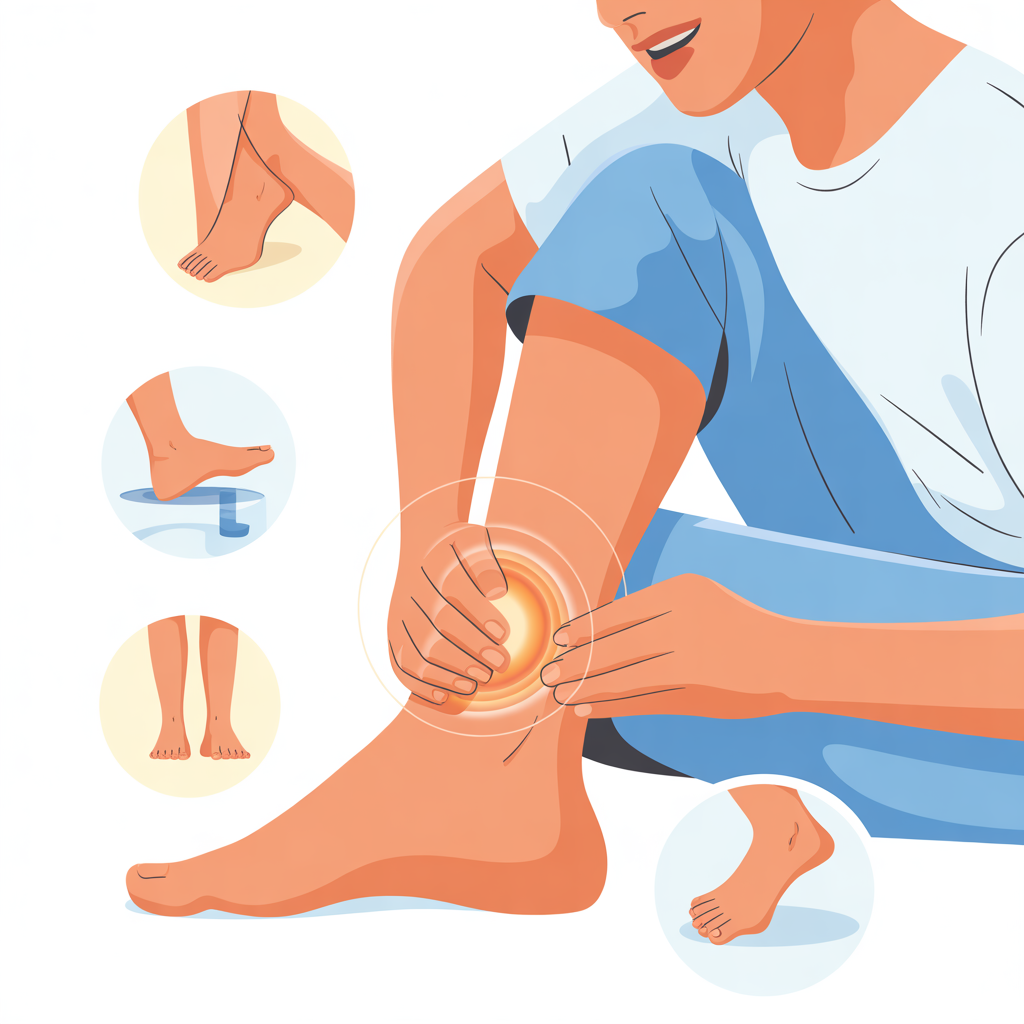
Plantar fasciitis is one of the most common causes of heel pain, affecting millions of people worldwide. It occurs when the plantar fascia — a thick band of tissue that runs along the bottom of your foot and connects your heel bone to your toes — becomes inflamed or irritated. Whether you are an athlete, someone who stands for long hours at work, or simply a person who wears unsupportive footwear, plantar fasciitis can significantly impact your daily life and mobility.
Understanding the symptoms of plantar fasciitis early is crucial. Early recognition can help you seek appropriate care, make lifestyle adjustments, and prevent the condition from worsening. In this article, we break down the 9 key symptoms of plantar fasciitis you should never ignore, along with its common causes and prevention tips.
Plantar Fasciitis Symptoms
1. Sharp Pain at the Bottom of the Heel
The most hallmark symptom of plantar fasciitis is a sharp, stabbing pain located at the bottom of the heel. This pain originates from the point where the plantar fascia attaches to the heel bone (calcaneus). Many patients describe it as feeling like a knife or a sharp stone pressing into the underside of the heel with every step.
- The pain is typically felt on the inner side of the heel (medial aspect).
- It tends to be most intense with the first few steps after a period of rest.
- The severity can range from mild discomfort to debilitating pain that limits normal walking.
- Weight-bearing activities such as walking, jogging, or climbing stairs often aggravate the pain.
This type of bottom of heel pain is the primary reason most people seek medical attention and is the clearest indicator of plantar fasciitis.
2. Morning Heel Pain and Stiffness
One of the most recognizable and diagnostic features of plantar fasciitis is intense heel pain experienced during the first steps in the morning. After a night of sleep, the plantar fascia tightens and contracts. When you put weight on your foot upon waking, the sudden stretching of this inflamed tissue triggers sharp pain.
- This is often called “first-step pain” or “start-up pain.”
- The pain usually eases after a few minutes of walking as the tissue warms up and stretches out.
- Alongside pain, you may notice significant stiffness in the heel and arch area that makes it difficult to flex the foot.
- In moderate to severe cases, this morning pain can last longer — up to 30 minutes or more.
If you notice that your heel pain is worst when you first get out of bed and gradually improves as you move around, this is a strong indicator of plantar fasciitis.
3. Pain After Long Periods of Sitting or Inactivity
Similar to morning stiffness, plantar fasciitis pain commonly flares up after any extended period of rest or sitting — not just after sleeping. This occurs because the plantar fascia shortens and stiffens while you are off your feet, and it is abruptly stretched again when you begin to move.
- You may feel a sudden sharp pain when standing up after sitting at a desk, driving, or watching TV for a long time.
- The pain typically improves after a few minutes of walking as circulation increases and the tissue loosens.
- This cyclical pattern of pain — relief — pain is a classic hallmark of plantar fasciitis.
- People with sedentary jobs who alternate between long sitting and walking periods are particularly prone to this symptom.
4. Pain That Worsens After (Not During) Exercise
Interestingly, many people with plantar fasciitis report that pain often increases after physical activity rather than during it. While exercising, increased blood flow and tissue warmth may temporarily mask the discomfort. However, once you stop and cool down, the inflammation reasserts itself.
- After a run or workout, you may experience a noticeable increase in heel and foot pain.
- The more intense or prolonged the activity, the more severe the post-exercise pain tends to be.
- This is especially common in runners, dancers, and athletes who engage in repetitive impact activities.
- The delayed onset of pain can be confusing and sometimes leads people to mistakenly believe they are recovering during exercise when the condition may actually be worsening.
Paying close attention to post-exercise heel pain is important for athletes who may otherwise push through discomfort without realizing the damage being done.
5. Pain Along the Bottom of the Foot (Arch Pain)
While heel pain is the most common complaint, plantar fasciitis can also produce pain that radiates along the arch of the foot — the area between your heel and the ball of your foot. This reflects the full length of the plantar fascia being affected by inflammation.
- The pain may be felt as a dull ache, tightness, or burning sensation running along the arch.
- In some cases, the entire bottom of the foot feels tender to the touch.
- People with flat feet (low arches) or high arches are especially likely to experience arch pain alongside heel pain due to altered stress distribution on the plantar fascia.
- The pain can make it uncomfortable to walk barefoot on hard surfaces.
6. Swelling Around the Heel
In some cases of plantar fasciitis, mild swelling around the base of the heel may be visible or palpable. This swelling is a direct result of ongoing inflammation in the plantar fascia and surrounding tissues.
- The swelling is usually subtle and may not be as dramatic as swelling seen in other foot injuries.
- The area around the heel may feel warm, puffy, or tender when pressed.
- Swelling may be more noticeable after prolonged standing, walking, or physical activity.
- If swelling is severe or accompanied by significant bruising, it is important to rule out other conditions such as a stress fracture or heel spur.
7. Tenderness When Pressing on the Heel
A reliable indicator of plantar fasciitis is localized tenderness when direct pressure is applied to the bottom of the heel. Healthcare professionals often use this test during a physical examination to help diagnose the condition.
- The most tender spot is typically found at the anterior medial aspect of the heel — the front-inner portion of the heel bone where the fascia attaches.
- Even light pressing on this area can reproduce significant pain in people with active plantar fasciitis.
- The tenderness may extend slightly along the inner arch as well.
- You might notice this symptom when walking barefoot on hard floors or wearing thin-soled shoes that offer little cushioning.
8. Tightness or Stiffness in the Calf and Achilles Tendon
Plantar fasciitis is closely associated with tightness in the calf muscles and the Achilles tendon. While not a direct symptom of the plantar fascia itself, this tightness is both a contributing factor and a secondary symptom frequently reported by those with the condition.
- Tight calf muscles reduce the flexibility of the ankle and foot, placing greater tensile stress on the plantar fascia with every step.
- You may notice difficulty flexing your foot upward (dorsiflexion), which is a sign of calf and Achilles tightness.
- The Achilles tendon, which connects the calf muscles to the heel bone, can feel stiff and painful — especially in the morning or after rest.
- This interconnected tightness can create a cycle where the calf and plantar fascia continuously aggravate each other.
Addressing calf tightness through gentle stretching is often a key part of managing plantar fasciitis symptoms.
9. Changes in Walking Pattern (Altered Gait)
As heel pain becomes persistent or severe, many people with plantar fasciitis unconsciously change the way they walk to avoid putting pressure on the painful area. This altered gait can lead to a cascade of secondary problems throughout the body.
- You may begin to walk on the outer edge of your foot, limp, or favor the affected foot to reduce heel pain.
- Over time, these compensatory changes can place undue stress on the knees, hips, and lower back, potentially causing pain in those areas as well.
- Some individuals develop a noticeable limp that persists throughout the day if the condition is left untreated.
- Changes in walking pattern are a sign that plantar fasciitis is significantly impacting your quality of life and should be taken seriously.
Common Causes of Plantar Fasciitis
Understanding what causes plantar fasciitis can help you identify your own risk factors and take proactive steps. The condition typically results from repeated strain and micro-tears in the plantar fascia. Key contributing factors include:
- Overuse and repetitive impact: Activities like running, dancing, or standing for prolonged periods place repeated stress on the plantar fascia, increasing the risk of inflammation.
- Foot structure abnormalities: Having flat feet (overpronation), high arches, or an unusual walking pattern can alter the way weight is distributed across the foot, putting extra strain on the fascia.
- Sudden increase in physical activity: Rapidly increasing the intensity or duration of exercise — especially high-impact activities — without adequate conditioning is a common trigger.
- Obesity or sudden weight gain: Excess body weight increases the load placed on the plantar fascia with every step.
- Inappropriate footwear: Wearing shoes with poor arch support, thin soles, or worn-out cushioning fails to adequately absorb impact and support the foot.
- Tight calf muscles or Achilles tendon: Limited flexibility in the posterior leg muscles increases tension on the plantar fascia.
- Age: Plantar fasciitis is most common in adults between the ages of 40 and 60, as the plantar fascia becomes less flexible with age.
- Occupational factors: Jobs that require long hours of standing or walking on hard surfaces (e.g., factory workers, teachers, healthcare workers) significantly increase risk.
How to Prevent Plantar Fasciitis
While not always entirely preventable, several strategies can significantly reduce your risk of developing plantar fasciitis or experiencing a recurrence:
- Wear supportive footwear: Choose shoes with good arch support, adequate cushioning, and a slightly elevated heel. Avoid walking barefoot on hard surfaces, especially in the morning.
- Stretch regularly: Incorporate daily stretching routines targeting the plantar fascia, calf muscles, and Achilles tendon. Simple stretches like the calf stretch and plantar fascia stretch can greatly reduce tension.
- Maintain a healthy weight: Reducing excess body weight decreases the mechanical load on your feet with every step.
- Increase exercise intensity gradually: Follow the 10% rule — never increase your weekly training mileage or intensity by more than 10% per week.
- Strengthen foot and ankle muscles: Exercises that strengthen the intrinsic foot muscles and lower leg can provide better dynamic support to the plantar fascia.
- Use orthotic insoles: Custom or over-the-counter orthotic inserts can help correct abnormal foot mechanics and redistribute pressure more evenly across the foot.
- Take rest days: Allow adequate recovery time between high-impact activities to prevent overuse injuries.
- Listen to early warning signs: Do not ignore mild heel discomfort. Addressing minor pain early can prevent it from becoming a chronic, debilitating condition.
Frequently Asked Questions (FAQ)
Q: What is plantar fasciitis?
A: Plantar fasciitis is an inflammation of the plantar fascia — a thick band of tissue connecting the heel bone to the toes along the bottom of the foot. It is one of the leading causes of heel pain in adults.
Q: What does plantar fasciitis pain feel like?
A: Most people describe it as a sharp, stabbing pain at the bottom of the heel, especially with the first steps in the morning or after sitting for a long time. It may also feel like a dull ache or burning sensation along the arch of the foot.
Q: Is plantar fasciitis pain worse in the morning?
A: Yes. Morning pain is one of the most characteristic symptoms. The plantar fascia tightens during sleep, and standing on it immediately causes sharp pain. This typically eases after a few minutes of walking.
Q: Can plantar fasciitis affect both feet at the same time?
A: Yes, although it more commonly affects one foot, plantar fasciitis can occur in both feet simultaneously, particularly in people with systemic risk factors such as obesity or biomechanical imbalances.
Q: How is plantar fasciitis diagnosed?
A: Diagnosis is usually based on a clinical examination, patient history, and description of symptoms. A doctor may press on specific areas of the heel to reproduce pain. Imaging tests such as X-rays or MRI may be used to rule out other conditions like stress fractures or heel spurs.
Q: Is plantar fasciitis the same as a heel spur?
A: Not exactly. A heel spur is a bony calcium deposit that can form on the heel bone, and it is sometimes found alongside plantar fasciitis. However, heel spurs are not always painful and do not always cause plantar fasciitis. The two conditions are related but distinct.
Q: Should I see a doctor for plantar fasciitis?
A: Yes, especially if your heel pain is severe, persistent, or worsening. A healthcare professional can confirm the diagnosis and recommend appropriate management strategies. Always consult a doctor before taking any medication for pain relief.
Q: Can plantar fasciitis go away on its own?
A: In mild cases, symptoms may improve with rest, proper footwear, and stretching. However, without addressing the underlying causes, plantar fasciitis can become a chronic condition. Early professional evaluation is always recommended.
References: