
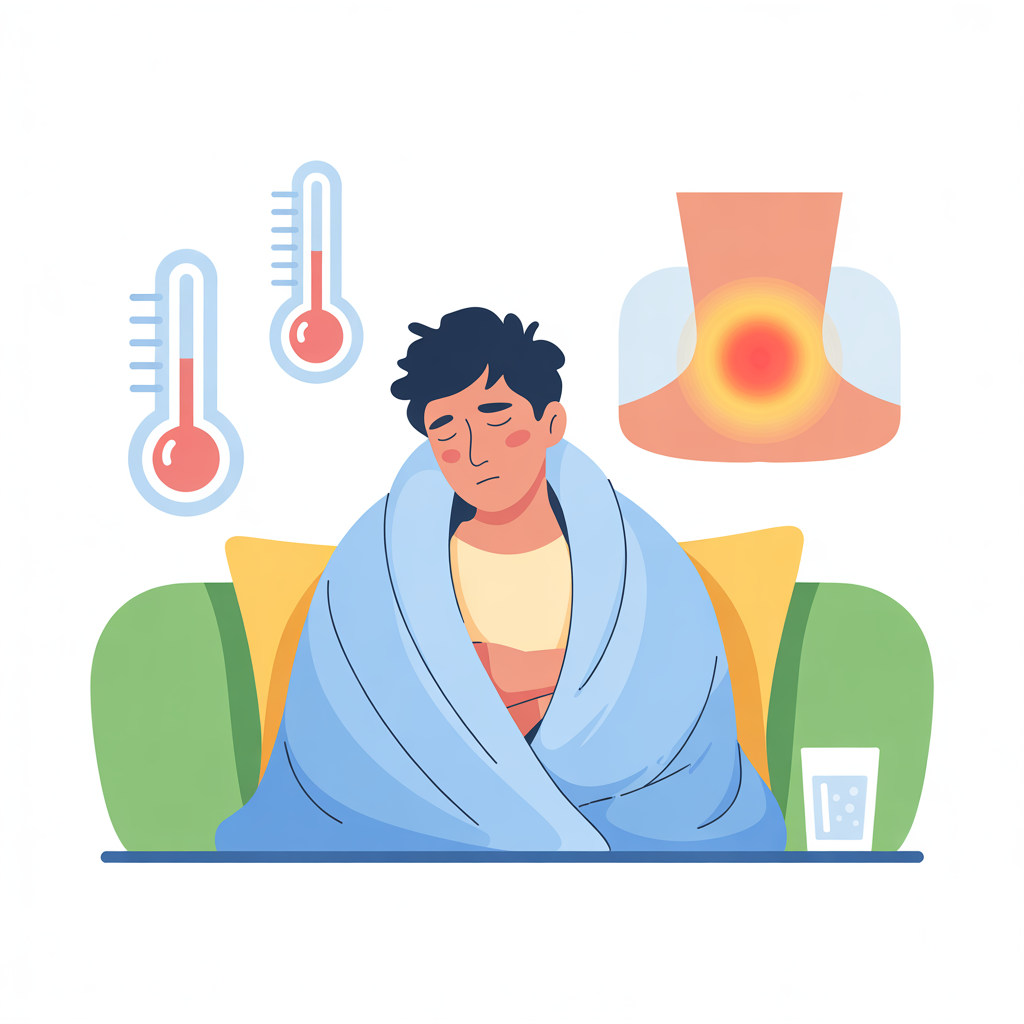
Mononucleosis, commonly known as “mono” or the “kissing disease,” is a viral infection that can make you feel completely wiped out for weeks — sometimes even months. Most people have heard of it, but many don’t recognize its symptoms until the illness is already in full swing. Whether you’re a teenager, a young adult, or someone over 40 wondering if mono can still affect you — the answer is yes, it absolutely can.
Understanding the signs of mono early can make a significant difference in how you manage the illness and prevent potential complications. In this article, we break down the 12 most important mononucleosis symptoms you need to know, along with key causes, prevention tips, and answers to the most frequently asked questions.
12 Common Symptoms of Mononucleosis
1. Extreme Fatigue
One of the hallmark and earliest symptoms of mono is profound, overwhelming fatigue. This is not the kind of tiredness that goes away after a good night’s sleep. People with mononucleosis often describe feeling completely drained and unable to carry out normal daily activities.
- Fatigue can last for 2 to 4 weeks in most cases, and in some individuals, it may persist for several months.
- Even light physical activity can feel exhausting.
- In adults over 40, fatigue tends to be more severe and longer-lasting compared to younger patients.
- Rest is crucial, and pushing through extreme tiredness can worsen recovery time.
If you find yourself sleeping much more than usual yet still feeling exhausted, this is a strong early indicator that something like mono may be at play.
2. Severe Sore Throat (Mono Throat)
A severe sore throat — often referred to as “mono throat” — is one of the most distinctive and uncomfortable symptoms of mononucleosis. It is frequently mistaken for strep throat, which is why many cases of mono go undiagnosed initially.
- The throat pain in mono can be extremely intense, often more painful than typical viral pharyngitis.
- The tonsils become visibly swollen and may be covered with a white or grayish coating (exudate).
- Swallowing becomes difficult and painful.
- In severe cases, swelling of the tonsils can partially obstruct the airway, leading to breathing difficulties — which requires immediate medical attention.
- Unlike strep throat, mono throat does not respond to antibiotics (since it is viral in nature).
If your sore throat is unusually severe and is accompanied by other symptoms listed here, it is important to see a healthcare provider promptly.
3. High Fever
A high fever is a common and early sign of mononucleosis. The body’s immune system triggers a fever as part of its natural defense response to the Epstein-Barr virus (EBV).
- Fever in mono typically ranges between 101°F (38.3°C) and 104°F (40°C).
- It usually appears in the early stages of the illness and may last for 1 to 2 weeks.
- The fever may come and go throughout the day.
- In older adults (especially those over 40), fever can sometimes be the dominant presenting symptom, while sore throat may be less prominent.
A persistent or very high fever should always be evaluated by a doctor to rule out secondary complications or co-infections.
4. Swollen Lymph Nodes
Swollen lymph nodes (lymphadenopathy) are a classic sign of mononucleosis and occur as the immune system actively fights the infection.
- Lymph nodes in the neck, armpits, and groin are most commonly affected.
- The nodes are often tender to the touch and can feel firm or rubbery.
- Swelling in the posterior cervical lymph nodes (back of the neck) is particularly characteristic of mono and helps distinguish it from other conditions.
- Swollen lymph nodes may persist for several weeks even after other symptoms have resolved.
While swollen lymph nodes are usually not dangerous in mono, they should be monitored — especially if they become extremely large, painful, or if new lumps appear unexpectedly.
5. Swollen Spleen (Splenomegaly)
An enlarged spleen, known medically as splenomegaly, is one of the more serious symptoms of mononucleosis and affects a significant portion of people diagnosed with the disease.
- The spleen is located in the upper left abdomen, and enlargement may cause a dull ache or a sense of fullness in that area.
- An enlarged spleen is present in approximately 50% of mono cases.
- The greatest concern with splenomegaly in mono is the risk of splenic rupture, which is a medical emergency.
- Because of this risk, individuals with mono are strongly advised to avoid contact sports and heavy physical exertion for at least 3 to 4 weeks or until cleared by a doctor.
- Sudden, sharp pain in the upper left abdomen, along with dizziness or shoulder pain, could indicate a ruptured spleen and requires immediate emergency care.
6. Swollen Liver (Hepatomegaly) and Jaundice
Mononucleosis can affect the liver, causing mild hepatitis in some cases. This symptom is more commonly seen in adults than in children or teenagers.
- Liver enzyme levels are elevated in a significant number of mono patients, even without obvious symptoms.
- Some individuals may experience mild right upper abdominal discomfort due to liver enlargement.
- Jaundice (yellowing of the skin and the whites of the eyes) can occur, though it is relatively rare. When present, it usually appears during the first 1 to 2 weeks of illness.
- Nausea and loss of appetite may accompany liver involvement.
Any signs of jaundice during a mono illness should be reported to a doctor immediately, as this indicates significant liver involvement.
7. Skin Rash
A skin rash can develop in some individuals with mononucleosis. It is most commonly seen when a patient with mono is mistakenly treated with certain antibiotics.
- The rash typically appears as a widespread, pink or red maculopapular rash covering much of the body, including the trunk, arms, and face.
- It is most commonly triggered after taking amoxicillin or ampicillin (antibiotics sometimes prescribed when mono is mistaken for strep throat). This is why diagnosis of mono before treatment is crucial — always consult a doctor before taking any medication.
- The rash is generally non-itchy and tends to resolve once the medication is stopped and the infection clears.
- A rash can also appear without antibiotic use in a smaller subset of mono patients.
8. Headaches
Headaches are a frequently reported symptom in mononucleosis and can range from mild to quite severe, adding to the general discomfort of the illness.
- Headaches in mono are often described as persistent and dull, though they can occasionally be intense.
- They are thought to result from the body’s overall inflammatory response to the virus.
- Dehydration, which can occur due to difficulty swallowing (from mono throat), can worsen headaches.
- In rare cases, mono-related headaches can be linked to neurological complications, such as meningitis or encephalitis, which require urgent medical evaluation.
9. Muscle Aches and Body Pain
Similar to what you experience during a bad flu, muscle aches and generalized body pain are common in mononucleosis, particularly in the early stages of the illness.
- Muscles may feel sore, stiff, and tender without any physical exertion.
- Body aches are often widespread, affecting the legs, back, and arms.
- This symptom, combined with fatigue and fever, is commonly mistaken for influenza.
- In adults over 40, muscle aches may be more pronounced and can linger longer than in younger individuals.
10. Loss of Appetite and Nausea
Many people with mono experience a notable decrease in appetite along with feelings of nausea, particularly during the acute phase of the illness.
- The combination of a painful throat (making eating difficult), fatigue, and possible liver involvement can significantly reduce the desire to eat.
- Nausea may be mild to moderate and is sometimes associated with mild liver inflammation.
- Despite poor appetite, staying hydrated is essential — drinking plenty of fluids helps the body fight the infection and prevents complications.
- Weight loss may occur in more prolonged cases due to reduced food intake.
11. Swollen or Puffy Eyes and Facial Swelling (Mono Lips / Periorbital Edema)
A less commonly discussed but notable symptom of mono is swelling around the eyes and face. Some patients also report swelling or puffiness around the lips — sometimes referred to colloquially as “mono lips.”
- Periorbital edema (puffiness around the eyes) can appear in the early stages of mono and may be one of the first visible signs.
- Swelling of the lips or mouth area can accompany the severe sore throat and general immune response.
- This swelling is caused by the body’s widespread inflammatory response to the Epstein-Barr virus.
- The swelling typically resolves on its own as the illness progresses, but if it is severe or affects breathing, seek medical attention immediately.
12. Prolonged Illness and Slow Recovery
Unlike a common cold or flu that resolves within a week or two, mononucleosis is known for its prolonged course. The slow recovery timeline is itself a symptom that sets mono apart from many other infections.
- The acute phase of mono typically lasts 2 to 4 weeks, but fatigue and weakness can persist for 1 to 3 months or even longer.
- Some people — particularly adults and those over 40 — may experience a condition sometimes called post-viral fatigue, where symptoms continue well beyond the initial infection.
- Returning to full activity too soon can cause a relapse of symptoms.
- If symptoms persist for more than 6 months without significant improvement, a doctor should evaluate for chronic active EBV infection, a rare but serious condition.
Main Causes of Mononucleosis
Understanding how you get mono is just as important as recognizing its symptoms.
- Epstein-Barr Virus (EBV): The primary cause of mononucleosis in approximately 90% of cases. EBV is a member of the herpesvirus family and is one of the most common viruses in humans worldwide.
- Cytomegalovirus (CMV): In some cases, a mono-like illness can be caused by CMV, producing a very similar set of symptoms.
- Direct contact with infected saliva: Mono is spread primarily through saliva — earning it the nickname “the kissing disease.” Sharing drinks, utensils, toothbrushes, or kissing an infected person are common transmission routes.
- Respiratory droplets: Close contact with an infected person, including coughing and sneezing, can also spread the virus.
- Blood transfusion or organ transplant: In rare cases, EBV can be transmitted through blood products or organ transplants.
- Weakened immune system: Individuals with weakened immune systems (such as those undergoing immunosuppressive therapy) are at higher risk of severe mono and complications.
How to Prevent Mononucleosis
Since mono is highly contagious, following these precautionary steps can significantly reduce your risk of catching or spreading the virus:
- Avoid sharing personal items: Do not share drinks, eating utensils, toothbrushes, or lip products with others, especially if someone around you is sick.
- Practice good hand hygiene: Wash your hands frequently with soap and water for at least 20 seconds, especially before eating and after being in public spaces.
- Limit close contact during illness: If you have been diagnosed with mono, avoid close contact with others — including kissing — while you are symptomatic, as the virus can be contagious even when you start to feel better.
- Boost your immune system: A strong immune system can help your body fight off or better manage viral infections. Prioritize adequate sleep, a balanced diet rich in fruits and vegetables, regular moderate exercise, and stress management.
- Be cautious in high-risk settings: College dormitories, military barracks, and similar close-living environments are common settings for mono outbreaks. Extra hygiene precautions are especially important in these environments.
- No vaccine currently available: As of now, there is no approved vaccine for EBV or mono. Research is ongoing, but prevention relies primarily on hygiene and behavioral measures.
Frequently Asked Questions (FAQ)
What is mono?
Mononucleosis (mono) is a contagious viral infection most commonly caused by the Epstein-Barr virus (EBV). It is characterized by extreme fatigue, severe sore throat, fever, and swollen lymph nodes. It most frequently affects teenagers and young adults, but people of any age can get it.
Is mono contagious?
Yes, mono is highly contagious. It spreads primarily through saliva — through kissing, sharing drinks, utensils, or close respiratory contact with an infected person. An infected person can remain contagious for weeks to months even after symptoms have resolved.
How do you get mono?
You get mono mainly by coming into contact with the saliva of an infected person. This can happen through kissing, sharing cups or utensils, or even through coughs and sneezes. The virus can also, in rare cases, be transmitted through blood transfusions.
What are the symptoms of mono in adults over 40?
Mono in adults over 40 can present differently from younger patients. Fever tends to be more prominent, while sore throat may be less severe. Fatigue and muscle aches are often more intense and longer-lasting. Liver involvement (jaundice, elevated liver enzymes) is also more common in older adults. Because the symptoms can mimic other conditions, mono in older adults is frequently misdiagnosed.
How long does mono last?
The acute phase of mono typically lasts 2 to 4 weeks. However, fatigue can persist for 1 to 3 months or more. Most people recover fully, but a small number experience prolonged fatigue lasting several months.
Can you get mono more than once?
After recovering from mono, the Epstein-Barr virus remains dormant in your body for life. In most people, the immune system keeps it suppressed and symptoms do not return. However, in rare cases — particularly in people with weakened immune systems — the virus can reactivate and cause symptoms again.
When should I see a doctor for mono symptoms?
You should see a doctor if you experience a severe sore throat with high fever, extreme fatigue, significantly swollen lymph nodes, or any difficulty breathing or swallowing. Seek emergency care immediately if you develop sudden, sharp pain in the upper left abdomen (possible spleen rupture), difficulty breathing, or yellowing of the skin and eyes (jaundice).
References:
- Mayo Clinic – Mononucleosis: Symptoms and Causes
- Centers for Disease Control and Prevention (CDC) – Epstein-Barr Virus and Infectious Mononucleosis
- Healthline – Mononucleosis (Mono): Symptoms, Causes, and Treatment
- WebMD – Infectious Mononucleosis (Mono)
- MedlinePlus (U.S. National Library of Medicine) – Mononucleosis