
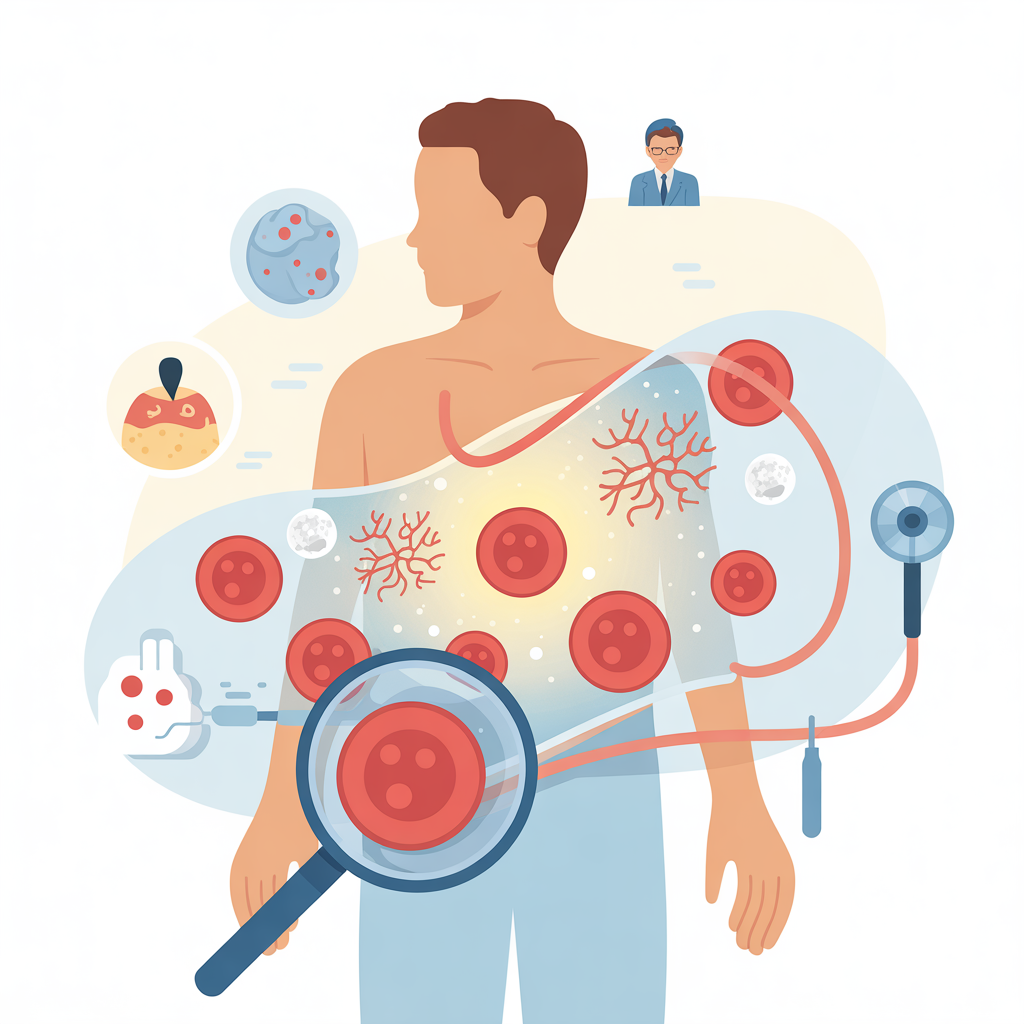
Leukemia is a type of blood cancer that begins in the bone marrow, where blood cells are produced. It occurs when the body produces abnormal white blood cells that crowd out healthy blood cells, impairing the immune system and the body’s ability to function normally. Leukemia can develop slowly (chronic) or rapidly (acute), and it affects both adults and children. Because its early signs are often mistaken for less serious conditions like the flu or fatigue, many people are diagnosed only after the disease has progressed significantly. Understanding the symptoms of leukemia early can make a critical difference in outcomes. Below are 13 key warning signs you should never overlook.
1. Persistent Fatigue and Weakness
One of the earliest and most common signs of leukemia is an overwhelming sense of tiredness that does not improve with rest. This happens because leukemia reduces the number of healthy red blood cells, leading to anemia — a condition where the body doesn’t get enough oxygen-rich blood to tissues and organs.
- You may feel exhausted after minimal physical activity
- Everyday tasks such as climbing stairs or cooking feel unusually draining
- The fatigue is persistent, lasting weeks or months, unlike normal tiredness
If you experience chronic fatigue that cannot be explained by lifestyle factors such as poor sleep or overwork, it is important to consult a doctor for a blood test evaluation.
2. Frequent Infections
Leukemia directly compromises the immune system by disrupting the production of normal white blood cells — the body’s primary defense against infections. Abnormal leukemia cells may be plentiful in number, but they are non-functional, leaving the body vulnerable to bacteria, viruses, and fungi.
- You may notice you get sick more often than usual
- Infections may be more severe and take longer to resolve
- Common infections include pneumonia, urinary tract infections, and mouth sores
- Fever may develop without an obvious cause
Recurrent or severe infections — especially those that seem to come one after another — are a red flag that your immune system may not be working properly.
3. Unexplained Fever or Night Sweats
People with leukemia often experience low-grade fevers or sudden temperature spikes that appear without any clear sign of infection. The body may be responding to the presence of abnormal cells or to repeated infections the immune system can no longer fight off effectively.
- Fever may come and go without a known cause
- Night sweats can be intense, soaking through clothing and bedding
- These symptoms are often mistaken for viral illnesses or stress responses
Persistent or recurring fever and drenching night sweats that are not explained by other conditions warrant prompt medical evaluation.
4. Easy Bruising or Bleeding
Leukemia affects platelets — the blood cells responsible for clotting. When platelet counts drop (a condition called thrombocytopenia), even minor bumps or cuts can result in significant bruising or bleeding that is difficult to stop.
- Bruises may appear on the skin without any injury or trauma
- Small cuts may bleed for an unusually long time
- You may notice tiny red or purple spots under the skin called petechiae
- Frequent nosebleeds or bleeding gums are also common signs
- Women may experience abnormally heavy menstrual periods
Unexplained bruising or prolonged bleeding episodes should be taken seriously and investigated with a complete blood count (CBC) test.
5. Swollen Lymph Nodes
The lymph nodes are small, bean-shaped glands distributed throughout the body that play a key role in the immune response. In leukemia, abnormal white blood cells can accumulate in lymph nodes, causing them to become enlarged and sometimes tender.
- Swollen lymph nodes are most noticeable in the neck, armpits, or groin
- They may feel like soft lumps under the skin
- Swelling is often painless, especially in chronic forms of leukemia
While lymph node swelling is common with infections, persistent enlargement — especially without signs of illness — should be evaluated by a healthcare provider.
6. Swollen Spleen or Liver (Abdominal Discomfort)
Leukemia cells can accumulate in internal organs such as the spleen and liver, causing them to enlarge. This can result in noticeable discomfort or fullness in the upper left or right side of the abdomen.
- A feeling of fullness or bloating even after eating very little
- Pain or pressure on the left side of the abdomen (enlarged spleen)
- Swelling or tenderness in the upper right area (enlarged liver)
- In some cases, a visibly distended abdomen
If you feel unusually full or notice abdominal swelling that persists, this symptom should not be dismissed, particularly if accompanied by other signs on this list.
7. Unexplained Weight Loss
Significant and unintentional weight loss is one of the hallmark warning signs of blood cancer. When leukemia is present, the body’s metabolic demands increase as it tries to deal with the proliferation of abnormal cells, often leading to loss of appetite and rapid weight reduction.
- Losing more than 10% of body weight over 6 months without dieting or increased exercise
- Reduced appetite or early satiety (feeling full quickly)
- Muscle wasting and a generally weakened physical appearance
Unexplained weight loss is a serious symptom that should always be investigated medically, as it can signal not only leukemia but other serious health conditions as well.
8. Bone or Joint Pain
The bone marrow — where blood cells are made — is often under pressure due to the overgrowth of leukemia cells. This pressure can lead to bone pain and joint discomfort, commonly felt in the long bones of the legs, arms, and back.
- Pain can range from a dull ache to sharp, intense discomfort
- It is most commonly felt in the hips, legs, arms, or spine
- Pain may worsen at night or with physical activity
- It can be mistaken for growing pains in children or arthritis in adults
Bone and joint pain that has no clear cause — especially when combined with other leukemia symptoms — is worth investigating with imaging and blood tests.
9. Pale Skin (Pallor)
Because leukemia causes a decrease in healthy red blood cells, anemia often develops. One of the most visible signs of anemia is pallor — an unusual paleness of the skin, lips, gums, or the inside of the lower eyelids.
- Skin may appear washed-out or grayish
- Lips and gums may lose their natural color
- The inner lining of the lower eyelid may appear white instead of pink
- Pallor is often accompanied by fatigue, dizziness, and shortness of breath
If people around you comment that you look unusually pale or if you notice this change yourself, it may be a sign that your body is not producing enough healthy red blood cells.
10. Shortness of Breath
As anemia worsens due to declining red blood cell counts, the body struggles to deliver adequate oxygen to tissues and organs. This can result in shortness of breath, even during minimal exertion or when at rest.
- Feeling breathless while doing simple tasks like walking or talking
- Rapid or labored breathing
- Feeling like you cannot catch your breath even when not exercising
Shortness of breath combined with fatigue and pallor strongly suggests that red blood cell levels may be dangerously low, requiring immediate medical attention.
11. Frequent Headaches
In some forms of leukemia — especially acute leukemia — cancer cells can spread to the central nervous system, including the brain. This can cause neurological symptoms such as persistent headaches, vision disturbances, or even seizures.
- Headaches that are frequent, severe, or worsening over time
- Headaches that do not respond well to over-the-counter pain relief
- May be accompanied by nausea, vomiting, or light sensitivity
- Blurred or double vision may also occur if leukemia affects the eye area
Recurrent headaches in the context of other leukemia symptoms should be discussed with a healthcare provider as soon as possible.
12. Swollen or Bleeding Gums
A less well-known but significant symptom of leukemia — particularly acute myeloid leukemia (AML) — is gum swelling (gingival hyperplasia) and bleeding. Leukemia cells can infiltrate gum tissue, causing it to become enlarged, red, and prone to bleeding.
- Gums may appear puffy, red, or swollen even without poor dental hygiene
- Gums may bleed easily when brushing or flossing
- Mouth sores or ulcers may develop more frequently
- In severe cases, gum overgrowth may make it difficult to close the mouth properly
If you or your dentist notice unusual gum changes that are not related to dental hygiene, a medical evaluation for blood disorders is recommended.
13. Tiny Red Spots on the Skin (Petechiae)
Petechiae are small, flat, round spots that appear on the skin as a result of bleeding underneath the surface. They are typically red, purple, or brown in color and do not fade or turn white when you press on them — a key distinguishing feature from rashes.
- They appear most often on the legs, feet, or ankles, but can occur anywhere on the body
- Caused by low platelet counts, which prevent normal blood clotting
- Often appear in clusters and may look like a rash at first glance
- Unlike a typical rash, petechiae do not itch and are usually not raised
The appearance of petechiae — especially when combined with bruising or bleeding elsewhere — is a medical emergency that requires immediate evaluation.
What Causes Leukemia?
While the exact cause of leukemia is not fully understood, researchers have identified several key risk factors and contributing causes:
- Genetic mutations: Changes in DNA within bone marrow cells can cause them to grow and divide uncontrollably, leading to leukemia.
- Exposure to radiation: High levels of ionizing radiation — such as from nuclear accidents or certain medical treatments — are known to increase leukemia risk.
- Chemical exposure: Long-term exposure to certain chemicals like benzene (found in some industrial settings and cigarette smoke) has been linked to leukemia.
- Previous cancer treatment: People who have undergone chemotherapy or radiation therapy for other cancers have a higher risk of developing certain types of leukemia later.
- Genetic disorders: Conditions such as Down syndrome are associated with a higher likelihood of developing leukemia.
- Family history: A family history of leukemia slightly increases an individual’s risk, though most leukemia cases are not directly inherited.
- Smoking: Tobacco use has been connected to an increased risk of acute myeloid leukemia.
- Weakened immune system: People with compromised immune systems — including those with HIV/AIDS or those taking immunosuppressive medications — face elevated risk.
Can Leukemia Be Prevented?
Because leukemia often results from genetic mutations or factors beyond individual control, it cannot always be fully prevented. However, certain lifestyle measures may help reduce the risk:
- Avoid tobacco: Quitting or never starting smoking reduces the risk of acute myeloid leukemia and many other cancers.
- Limit chemical exposure: Follow safety guidelines in workplaces where hazardous chemicals like benzene are present. Use appropriate protective equipment.
- Minimize unnecessary radiation exposure: Only undergo medical imaging (X-rays, CT scans) when clinically necessary, and discuss the risks with your doctor.
- Maintain a healthy immune system: Eating a balanced diet, exercising regularly, getting adequate sleep, and managing stress all support immune health.
- Regular medical checkups: Routine blood tests can help detect abnormalities early, especially in individuals with known risk factors.
- Know your family history: If you have a family history of leukemia or blood disorders, inform your doctor so appropriate monitoring can be arranged.
While these measures do not guarantee prevention, they contribute to overall health and can support early detection if leukemia does develop.
Frequently Asked Questions (FAQ)
What is leukemia?
Leukemia is a type of cancer that affects the blood and bone marrow. It is characterized by the uncontrolled production of abnormal white blood cells that interfere with the body’s ability to fight infection and produce healthy blood cells.
What is the first sign of leukemia?
The earliest signs of leukemia often include persistent fatigue, frequent infections, and unexplained bruising or bleeding. However, because these symptoms are non-specific, they are often attributed to other conditions, which is why leukemia can be difficult to detect early without a blood test.
How do you get leukemia?
Leukemia develops when DNA mutations occur in blood-forming cells in the bone marrow. Risk factors include genetic predisposition, exposure to radiation or certain chemicals, previous cancer treatment, smoking, and certain inherited conditions. In many cases, there is no single identifiable cause.
Are leukemia symptoms different in adults and children?
Many symptoms of leukemia are similar in both adults and children — including fatigue, fever, easy bruising, and bone pain. However, certain types of leukemia are more common in specific age groups. For example, acute lymphoblastic leukemia (ALL) is more common in children, while chronic lymphocytic leukemia (CLL) tends to affect older adults.
When should I see a doctor about leukemia symptoms?
You should see a doctor if you experience several of these symptoms simultaneously, if symptoms persist for more than a few weeks, or if they are worsening over time. A simple blood test (complete blood count or CBC) can provide important clues and help your doctor decide whether further investigation is needed.
Is leukemia curable?
Many forms of leukemia are treatable, and some can be cured, especially when detected early. Treatment options depend on the type and stage of leukemia, as well as the patient’s overall health. Always consult a qualified oncologist or hematologist for personalized medical advice and treatment planning.
Can leukemia symptoms be mistaken for other illnesses?
Yes. Many leukemia symptoms — such as fatigue, fever, and swollen lymph nodes — closely resemble those of common illnesses like influenza, anemia, or infections. This is why a proper blood test is essential for accurate diagnosis. Never self-diagnose; consult a healthcare professional if you have concerns.
References: