
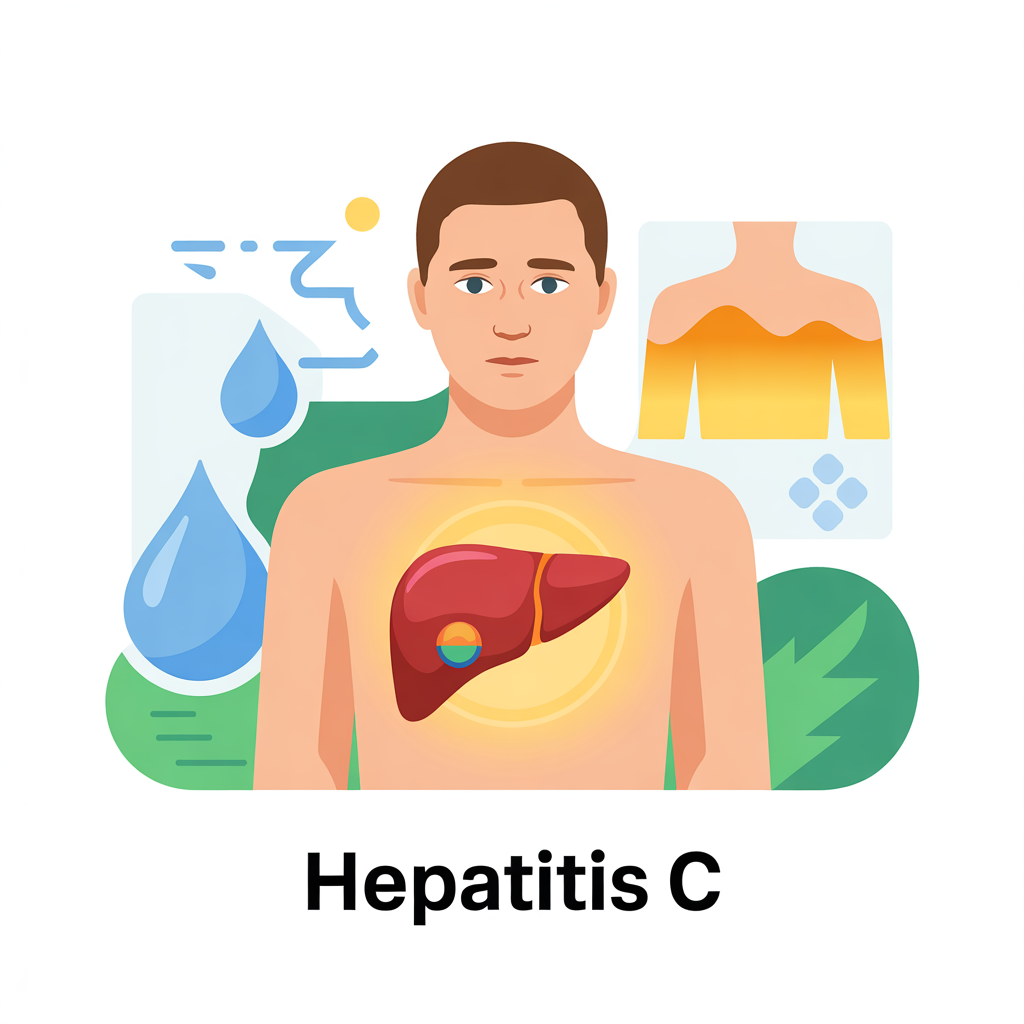
Hepatitis C is a serious liver infection caused by the hepatitis C virus (HCV). What makes it particularly dangerous is that many people carry the virus for years — sometimes decades — without experiencing any noticeable symptoms. This is why hepatitis C is often called a “silent” disease. By the time symptoms do appear, significant liver damage may have already occurred. Understanding the signs of hepatitis C early can be the difference between a manageable condition and life-threatening liver disease. Whether you are concerned about your own health or that of someone you love, knowing what to look for is the first step toward getting help.
Symptoms of Hepatitis C
1. Persistent Fatigue
One of the most commonly reported — and often most debilitating — symptoms of hepatitis C is extreme, persistent fatigue. This is not ordinary tiredness that improves after a good night’s sleep. People with hepatitis C often describe a deep, overwhelming exhaustion that interferes with daily activities, work, and social life.
This fatigue occurs because the liver is under constant stress trying to fight the chronic infection. As liver function becomes impaired, the body struggles to process nutrients and filter toxins efficiently, leaving the person feeling drained. Additionally, the immune system’s ongoing battle against the virus consumes enormous energy.
- Fatigue may be mild at first and progressively worsen over time.
- It is often worse in the afternoon and may be accompanied by brain fog or difficulty concentrating.
- In many patients, fatigue is present even in the early, acute phase of infection.
Because fatigue is such a non-specific symptom, it is frequently dismissed or attributed to stress or poor sleep, which is one of the reasons hepatitis C goes undetected for so long.
2. Jaundice (Yellowing of the Skin and Eyes)
Jaundice is one of the most recognizable signs of liver disease, including hepatitis C. It manifests as a yellowish discoloration of the skin and the whites of the eyes (sclera). This yellowing occurs when the liver is unable to properly process bilirubin — a yellow pigment produced during the normal breakdown of red blood cells — causing it to build up in the bloodstream and tissues.
- Jaundice is more commonly seen during the acute (early) phase of hepatitis C infection.
- In chronic hepatitis C, jaundice may appear later as liver damage (cirrhosis) progresses.
- The yellowing can also extend to the palms of the hands and the soles of the feet in more severe cases.
If you notice any unexplained yellowing of your skin or eyes, it is important to seek medical attention promptly, as this is a sign that the liver is under serious stress.
3. Dark Urine
Dark, tea-colored, or brown urine is another significant warning sign of hepatitis C. Under normal circumstances, bilirubin is processed by the liver and excreted through the digestive tract. When the liver’s processing ability is compromised by HCV infection, excess bilirubin is instead filtered out by the kidneys and excreted through the urine, giving it an abnormally dark color.
- The urine may range in color from amber to dark brown, sometimes described as the color of cola or strong tea.
- This symptom often occurs alongside jaundice.
- It should not be confused with dehydration, which can also cause darker urine — hepatitis C-related dark urine persists even with adequate fluid intake.
Dark urine combined with jaundice and pale stools is a classic triad that strongly suggests liver-related disease and warrants immediate medical evaluation.
4. Pale or Clay-Colored Stools
Alongside dark urine, pale, gray, or clay-colored stools are a telling symptom of liver dysfunction in hepatitis C patients. Normally, bile produced by the liver gives stools their characteristic brown color. When bile production or flow is disrupted — as happens in liver disease — stools can become very light in color.
- Stools may appear pale yellow, gray, or whitish.
- This symptom is particularly concerning when it appears alongside jaundice and dark urine.
- It can indicate that bile ducts are blocked or that the liver is severely impaired in its ability to produce bile.
5. Abdominal Pain and Discomfort (Upper Right Side)
Many people with hepatitis C experience pain or discomfort in the upper right side of the abdomen, where the liver is located. This symptom can range from a dull ache or pressure to sharp, more intense pain. It may be constant or intermittent and can sometimes extend to the back or right shoulder.
- The pain is caused by inflammation of the liver (hepatitis literally means liver inflammation), which causes the organ to swell and press against its surrounding capsule.
- As the disease progresses to cirrhosis, the pain may become more pronounced.
- Some patients also report a feeling of fullness or bloating in the abdominal area.
It is important not to ignore persistent abdominal discomfort, especially in the upper right quadrant, as it may signal ongoing liver damage.
6. Nausea and Vomiting
Nausea — and in some cases vomiting — are common gastrointestinal symptoms associated with hepatitis C. The liver plays a critical role in digestion, and when it is inflamed or damaged, the digestive system is affected as well. The buildup of toxins in the blood that the liver can no longer filter effectively may also trigger feelings of nausea.
- Nausea is often worse after eating, particularly after consuming fatty or greasy foods.
- It may be accompanied by a general loss of appetite.
- In advanced disease, nausea can become a persistent issue that significantly impacts nutrition and quality of life.
7. Loss of Appetite
A significant and sustained loss of appetite (anorexia) is a common symptom reported by hepatitis C patients. When the liver is not functioning properly, it can disrupt the production of digestive enzymes and bile needed to break down food, making eating uncomfortable or unappealing. The accumulation of toxins in the bloodstream also suppresses appetite.
- Loss of appetite often leads to unintentional weight loss over time.
- Patients may feel full very quickly after eating only small amounts of food.
- This symptom can contribute to malnutrition and further weaken the body’s ability to fight the virus.
8. Unexplained Weight Loss
As a direct consequence of reduced appetite, nausea, and the body’s inability to properly absorb nutrients due to impaired liver function, unexplained weight loss is a concerning symptom in hepatitis C. This is particularly notable in the chronic or advanced stages of the disease.
- Weight loss may be gradual and initially go unnoticed.
- In cases where liver disease has progressed to cirrhosis, muscle wasting (sarcopenia) can occur as the body breaks down muscle tissue for energy.
- Significant, unexplained weight loss of more than 5–10% of body weight over a short period should always prompt medical evaluation.
9. Joint and Muscle Pain
Hepatitis C is not only a liver disease — it is a systemic infection that can affect many parts of the body, including the joints and muscles. Joint pain (arthralgia) and muscle aches (myalgia) are frequently reported, especially in the early, acute phase of infection, but they can persist throughout the chronic phase as well.
- The pain may affect multiple joints and can be migratory (moving from one joint to another).
- Muscle soreness and weakness can make daily tasks more difficult.
- These symptoms are thought to be related to the immune system’s inflammatory response to the virus.
- In some cases, hepatitis C can trigger autoimmune conditions like cryoglobulinemia, which can cause joint inflammation.
10. Skin Changes and Itching (Pruritus)
The skin can be a window into the health of the liver. In hepatitis C patients, several skin-related symptoms may appear:
- Itching (pruritus): When the liver cannot properly filter bile salts, they can accumulate in the skin and cause intense, widespread itching. This can be very distressing and is particularly common in more advanced liver disease.
- Spider angiomas: These are small, spider-like blood vessels visible near the surface of the skin, typically on the face, neck, and chest. They are caused by hormonal changes related to liver dysfunction.
- Palmar erythema: Reddening of the palms of the hands, also linked to liver disease and altered blood flow.
- Easy bruising: The liver produces clotting factors. When it is damaged, the skin may bruise more easily than normal.
11. Cognitive Difficulties and “Brain Fog”
Hepatitis C can have significant effects on the brain and cognitive function, a condition sometimes referred to as hepatic encephalopathy in its more severe form, or simply “brain fog” in milder cases. Patients often report difficulty thinking clearly, memory problems, trouble concentrating, and a general sense of mental cloudiness.
- Brain fog is thought to result from the accumulation of ammonia and other toxins in the blood that the damaged liver can no longer effectively remove.
- Mild cognitive impairment can occur even before advanced liver disease develops.
- Some research suggests that the HCV virus itself may directly affect brain cells.
- Depression and anxiety are also significantly more common in people with hepatitis C, further impacting mental clarity and quality of life.
12. Swelling in the Abdomen and Legs (Edema and Ascites)
In more advanced stages of hepatitis C — particularly when cirrhosis has developed — patients may experience noticeable swelling in the legs, ankles, and feet (edema) as well as the accumulation of fluid in the abdominal cavity (ascites).
- Ascites causes the abdomen to become visibly distended and uncomfortable. It occurs because a cirrhotic liver can no longer produce enough albumin (a protein that keeps fluid within blood vessels) and because of increased pressure in the portal vein system.
- Leg edema results from similar mechanisms — low albumin and poor circulation related to liver disease cause fluid to leak into surrounding tissues.
- These symptoms indicate that the liver disease has reached an advanced, serious stage and require urgent medical attention.
Main Causes of Hepatitis C
Hepatitis C is caused by the hepatitis C virus (HCV), which is transmitted through contact with infected blood. Understanding how the virus spreads is essential for both prevention and early diagnosis.
- Sharing needles or syringes: The most common route of transmission globally, particularly among people who inject drugs. Even sharing drug preparation equipment can spread the virus.
- Needlestick injuries: Healthcare workers are at risk of accidental exposure through needles or sharp instruments contaminated with infected blood.
- Blood transfusions and organ transplants (before screening): Prior to the introduction of reliable HCV screening in the early 1990s, many people were infected through blood transfusions or organ transplants. This is a significant reason why older adults are disproportionately affected.
- Mother to child (vertical transmission): A pregnant person with hepatitis C can pass the virus to their baby during childbirth, though the risk is relatively low (approximately 5–6%).
- Sexual transmission: While less efficient than HIV, HCV can be transmitted through sexual contact, particularly in the presence of other sexually transmitted infections or in sexual practices that involve blood exposure.
- Sharing personal care items: Items such as razors, nail clippers, or toothbrushes that may have trace amounts of blood can potentially transmit the virus.
- Unsterile tattooing or body piercing: Using non-sterile equipment during tattooing or piercing procedures can introduce the virus into the bloodstream.
- Hemodialysis: Patients receiving long-term kidney dialysis have a historically higher risk of HCV exposure due to shared equipment.
Note: Hepatitis C is not spread through casual contact such as hugging, kissing, sharing food or drinks, coughing, or sneezing.
How to Prevent Hepatitis C
Currently, there is no vaccine available for hepatitis C. Therefore, prevention relies primarily on avoiding behaviors and situations that risk exposure to infected blood.
- Never share needles, syringes, or drug equipment. If you inject drugs, use clean, sterile equipment every time and seek support for substance use treatment programs.
- Practice safe sex. Use condoms consistently, particularly with new or multiple partners, to reduce the risk of sexual transmission.
- Do not share personal care items such as razors, nail files, or toothbrushes, as these may carry traces of blood.
- Ensure sterile equipment is used for tattoos and piercings. Choose only licensed, reputable studios that use disposable, single-use needles and inks.
- Healthcare workers should follow standard precautions at all times, including using gloves, properly disposing of sharps, and following protocols for needle handling.
- Get tested regularly if you are in a high-risk group. Early detection is crucial because hepatitis C is now highly treatable. Many health organizations recommend routine screening for all adults at least once in their lifetime.
- If pregnant, get tested for HCV so appropriate monitoring and care can be provided for both mother and baby.
Frequently Asked Questions (FAQ)
What is hepatitis C?
Hepatitis C is a viral infection caused by the hepatitis C virus (HCV) that primarily affects the liver. It can cause both acute (short-term) and chronic (long-term) liver disease. Chronic hepatitis C can lead to serious complications such as liver cirrhosis, liver failure, and liver cancer if left untreated.
How do you get hepatitis C?
Hepatitis C is transmitted through contact with blood infected with HCV. The most common routes include sharing needles or drug injection equipment, receiving blood transfusions or organ transplants before 1992, needlestick accidents in healthcare settings, and less commonly through sexual contact or from mother to child during birth.
Are hepatitis C symptoms different in females vs. males?
The core symptoms of hepatitis C — such as fatigue, jaundice, abdominal pain, and nausea — are generally similar in both males and females. However, research suggests that females tend to naturally clear the acute infection more often without developing chronic disease. Females with chronic hepatitis C may also experience hormonal-related changes and are more likely to report fatigue and joint pain as prominent symptoms. Males, on the other hand, may be more prone to faster progression of liver fibrosis, particularly those who consume alcohol regularly.
Can you have hepatitis C with no symptoms?
Yes, absolutely. This is one of the most dangerous aspects of hepatitis C. The majority of people with chronic hepatitis C experience few or no noticeable symptoms, sometimes for 20–30 years, while liver damage silently progresses. This is why routine screening is so important, especially for people in high-risk groups.
What are the first signs of hepatitis C?
During the acute phase (the first 6 months after infection), symptoms — if they appear at all — may include fatigue, fever, nausea, loss of appetite, abdominal pain, dark urine, and jaundice. These symptoms typically appear 2–12 weeks after exposure and can be mild enough to be confused with the flu or other common illnesses.
Is hepatitis C curable?
Yes, hepatitis C is highly curable with modern medical treatment. Most people treated today achieve what is called a “sustained virologic response,” meaning the virus is undetectable in the blood after treatment. If you suspect you have hepatitis C or are in a high-risk group, consult a qualified healthcare provider for proper testing and guidance. Always speak with your doctor before starting any medication or treatment plan.
How is hepatitis C diagnosed?
Hepatitis C is diagnosed through blood tests. An initial HCV antibody test detects whether your immune system has produced antibodies against the virus. If this test is positive, a follow-up HCV RNA test (also called a PCR test) is done to confirm whether the virus is actively present in the blood. Additional tests such as liver function tests and imaging may be used to assess the extent of liver damage.
Can hepatitis C go away on its own?
In the acute phase, approximately 15–45% of people are able to clear the virus naturally without treatment, thanks to their immune system. However, the majority (55–85%) develop chronic infection, which persists for life without medical treatment. There is currently no way to predict who will clear the virus on their own, which is why medical evaluation is always recommended.
References:
- World Health Organization (WHO) – Hepatitis C Fact Sheet
- Centers for Disease Control and Prevention (CDC) – Hepatitis C Information
- Mayo Clinic – Hepatitis C: Symptoms and Causes
- NHS UK – Hepatitis C Symptoms
- National Institute of Diabetes and Digestive and Kidney Diseases (NIDDK) – Hepatitis C
- U.S. Department of Veterans Affairs – Hepatitis C Symptoms