
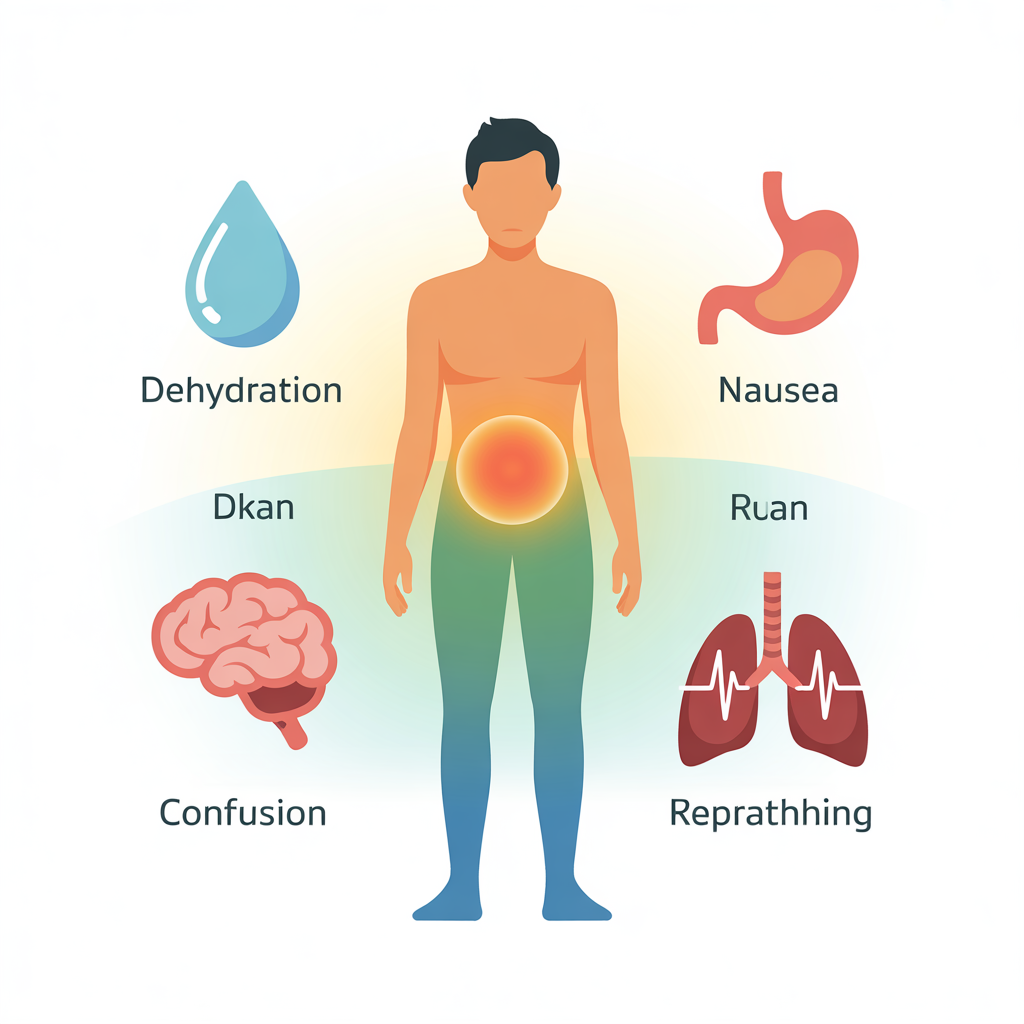
Diabetic ketoacidosis (DKA) is a serious and potentially life-threatening complication that most commonly affects people with type 1 diabetes, although it can also occur in individuals with type 2 diabetes. So, what is diabetic ketoacidosis? DKA develops when the body doesn’t have enough insulin to allow blood sugar to enter the cells for energy. Instead, the liver begins breaking down fat at a rapid rate, producing acidic ketone bodies that accumulate in the blood and urine — leading to a dangerous state of metabolic acidosis.
Recognizing the symptoms of diabetic ketoacidosis early is critical. Without prompt medical attention, DKA can lead to coma or death. In this article, we outline the 10 key warning signs of DKA, its main causes, and how you can help prevent it from occurring.
10 Common Symptoms of Diabetic Ketoacidosis
1. Excessive Thirst (Polydipsia)
One of the earliest and most recognizable DKA symptoms is an intense, unquenchable thirst. When blood sugar levels rise abnormally high, the kidneys work overtime to filter and absorb the excess glucose. This process draws large amounts of fluid from tissues, leading to dehydration and triggering a powerful urge to drink water constantly.
- The thirst may feel extreme and persistent, even after drinking large quantities of fluids.
- It is often accompanied by a dry mouth and a parched throat.
- This is one of the first warning signs that blood sugar is dangerously elevated.
If you or someone you know with diabetes suddenly develops an unrelenting thirst that doesn’t subside, it is essential to check blood glucose levels immediately and seek medical evaluation.
2. Frequent Urination (Polyuria)
Closely linked to excessive thirst, frequent urination is another hallmark early symptom of diabetic ketoacidosis. As the kidneys attempt to eliminate excess sugar from the bloodstream, they produce significantly more urine than normal — a condition known as polyuria.
- Individuals may find themselves urinating every 30–60 minutes.
- Nighttime urination (nocturia) becomes frequent and disruptive.
- The increased fluid loss accelerates dehydration, further worsening the cycle of thirst and urination.
This symptom is often one of the first noticeable changes in daily routine. Paired with excessive thirst, it serves as an important red flag that requires immediate attention.
3. High Blood Sugar Levels (Hyperglycemia)
Diabetic ketoacidosis is directly triggered by a severe lack of insulin, which causes blood glucose levels to rise dramatically. Hyperglycemia is both a cause and a core symptom of DKA.
- Blood sugar readings are typically above 250 mg/dL (13.9 mmol/L) in DKA.
- In some cases, particularly with “euglycemic DKA,” blood sugar may be only moderately elevated but ketones remain dangerously high.
- People may experience blurred vision, headaches, and fatigue as a result of prolonged high blood sugar.
Regular blood glucose monitoring is crucial for diabetic individuals. A sudden spike in blood sugar that doesn’t respond to normal management measures should be treated as a medical emergency.
4. Presence of Ketones in Urine or Blood
When insulin levels are too low, the body turns to burning fat for fuel. This process produces ketones — acidic chemical compounds that accumulate in the blood and spill into the urine. Elevated ketone levels are a defining characteristic of DKA.
- Ketones can be detected at home using urine test strips or blood ketone meters.
- A reading of moderate to large ketones in the urine, or blood ketones above 1.5 mmol/L, is a serious warning sign.
- High ketone levels cause the blood to become increasingly acidic — a condition known as metabolic acidosis.
People with diabetes, especially those with type 1, are advised to check for ketones whenever blood sugar is consistently high or during illness. Elevated ketone levels must be addressed urgently.
5. Nausea and Vomiting
As ketone levels rise and the blood becomes more acidic, many individuals experience significant gastrointestinal distress, particularly nausea and vomiting. These symptoms can make it especially difficult to manage DKA at home and often necessitate hospital care.
- Vomiting leads to further fluid and electrolyte loss, worsening dehydration rapidly.
- The nausea may be persistent and severe, making it impossible to keep food or fluids down.
- Abdominal pain often accompanies nausea in DKA.
It is important not to mistake DKA-related nausea for a simple stomach bug, especially in a person with diabetes. Vomiting combined with high blood sugar and ketones is a medical emergency.
6. Abdominal Pain
Abdominal discomfort is a frequently reported but often overlooked symptom of diabetic ketoacidosis. The pain can range from a mild ache to severe cramping and is believed to result from the metabolic effects of acidosis on the gastrointestinal system.
- Pain is typically diffuse and located in the central or lower abdomen.
- It may mimic symptoms of appendicitis, pancreatitis, or other acute abdominal conditions, leading to potential misdiagnosis.
- Children with DKA are particularly prone to significant abdominal pain.
Clinicians treating patients with abdominal pain should always consider DKA as a possible cause, particularly in individuals with known diabetes or risk factors for the condition.
7. Fruity-Smelling Breath
One of the most distinctive symptoms of ketoacidosis is a sweet, fruity odor on the breath. This unusual smell is caused by the release of acetone — a type of ketone — through the lungs as the body tries to expel excess acid.
- The breath may smell similar to nail polish remover, overripe fruit, or pear drops.
- This odor can sometimes be noticed by family members or caregivers before the affected person becomes aware of it.
- The presence of fruity breath alongside other DKA symptoms is a strong indicator that emergency care is needed.
Unlike bad breath caused by poor oral hygiene or certain foods, ketoacidosis breath has a distinctively sweet chemical quality that should never be ignored in a diabetic patient.
8. Fatigue and Weakness
Profound fatigue and generalized weakness are common complaints in individuals experiencing DKA. Since the body’s cells are being deprived of glucose (their primary energy source) and are instead burning fat inefficiently, energy levels drop dramatically.
- Even simple tasks like standing up or walking may feel exhausting.
- Muscle weakness can be worsened by electrolyte imbalances, particularly low potassium levels.
- This fatigue is often more severe than ordinary tiredness and does not improve with rest.
If a person with diabetes suddenly feels unusually weak or exhausted without an obvious cause, blood sugar and ketone levels should be checked without delay.
9. Confusion and Difficulty Concentrating
As DKA progresses, the accumulation of acidic ketones and disruption of normal brain chemistry can lead to cognitive impairment. Individuals may become confused, disoriented, or unable to think clearly — a sign that the condition is becoming increasingly severe.
- Early symptoms may include difficulty concentrating, brain fog, and slowed thinking.
- As the condition worsens, disorientation, agitation, and slurred speech may develop.
- In the most severe cases, DKA can lead to loss of consciousness or diabetic coma.
Confusion in a person with diabetes is always a serious warning sign and should be treated as a medical emergency, especially when accompanied by other DKA symptoms. Do not leave a confused person alone — call emergency services immediately.
10. Rapid, Deep Breathing (Kussmaul Breathing)
A distinctive and alarming symptom of advanced diabetic ketoacidosis is an abnormal breathing pattern known as Kussmaul breathing. This involves rapid, deep, and labored breaths and represents the body’s attempt to expel excess carbon dioxide in order to compensate for the acidic state of the blood.
- Breathing may be noticeably faster and deeper than normal, even at rest.
- The person may appear to be gasping or breathing unusually heavily.
- This type of breathing is a sign of severe metabolic acidosis and indicates that DKA has reached a critical stage.
Kussmaul breathing is a late-stage symptom and an unmistakable signal that emergency medical intervention is urgently required. Anyone displaying this breathing pattern alongside other DKA symptoms must be taken to a hospital immediately.
Main Causes of Diabetic Ketoacidosis
Understanding what triggers DKA is just as important as recognizing its symptoms. The following are the most common underlying causes:
- Insulin deficiency: Missing insulin doses or using insufficient insulin is the most frequent cause of DKA, particularly in individuals with type 1 diabetes.
- Illness or infection: Viral or bacterial infections (such as pneumonia or urinary tract infections) can increase stress hormones like cortisol and glucagon, which counter the effects of insulin and raise blood sugar levels significantly.
- Newly diagnosed diabetes: DKA is sometimes the first presentation of previously undiagnosed type 1 diabetes.
- Malfunctioning insulin pump: A blocked or disconnected insulin pump can cause insulin delivery to stop without warning.
- Physical or emotional stress: Severe physical trauma, surgery, or intense psychological stress can disrupt hormone balance and trigger DKA.
- Certain medications: Some drugs, including corticosteroids and certain diuretics, can raise blood sugar levels and potentially contribute to DKA. Always consult your doctor before taking any medication.
- Alcohol or drug misuse: These substances can interfere with blood sugar regulation and lead to missed insulin doses.
How to Prevent Diabetic Ketoacidosis
While DKA can be unpredictable, many episodes can be prevented with consistent self-management and awareness. Here are key preventive measures:
- Monitor blood sugar regularly: Check blood glucose levels frequently, especially during illness, stress, or after unusual physical activity. Keeping a log helps identify patterns and early warning signs.
- Check ketone levels when needed: Use urine or blood ketone testing strips whenever blood sugar is persistently high (above 250 mg/dL) or when you feel unwell.
- Never skip insulin doses: Always adhere to your prescribed insulin regimen, even if you are not eating. Consult your doctor for guidance on managing insulin during illness (sick day rules).
- Stay well-hydrated: Drinking plenty of water helps the kidneys flush out excess glucose and ketones more efficiently.
- Have a sick day action plan: Work with your healthcare team to develop a clear plan for managing blood sugar and insulin during illness or stress.
- Wear medical identification: Always carry or wear a medical ID bracelet indicating you have diabetes, so that emergency responders can act quickly if needed.
- Attend regular medical check-ups: Routine appointments with your endocrinologist or diabetes care team allow for timely adjustments to your management plan before a crisis occurs.
Frequently Asked Questions (FAQ)
What is diabetic ketoacidosis (DKA)?
Diabetic ketoacidosis is a life-threatening complication of diabetes, most commonly type 1 diabetes. It occurs when the body produces too few insulin, causing it to break down fat for energy. This process produces ketones, which accumulate in the blood and make it dangerously acidic.
What does DKA stand for in medical terms?
DKA is the medical abbreviation for Diabetic KetoAcidosis. It is widely used in clinical settings to refer to this acute diabetic emergency.
What are the first signs of DKA?
The earliest signs of DKA typically include excessive thirst, frequent urination, high blood sugar, and fatigue. As the condition worsens, nausea, vomiting, abdominal pain, and fruity-smelling breath may develop.
Can DKA occur in type 2 diabetes?
Yes. While DKA is most common in type 1 diabetes, it can occur in people with type 2 diabetes, particularly during severe illness, extreme stress, or when insulin-producing cells have significantly deteriorated.
How quickly can DKA develop?
DKA can develop within 24 hours, although in some cases — particularly in children or during infections — it may progress more rapidly. This is why early recognition of symptoms is essential.
Is DKA a medical emergency?
Yes. Diabetic ketoacidosis is a medical emergency that requires immediate hospital treatment. If you or someone you know is showing signs of DKA, call emergency services right away. Do not attempt to manage a severe DKA episode at home.
Can DKA be prevented?
In many cases, yes. Consistent blood sugar monitoring, never missing insulin doses, checking ketone levels during illness, and maintaining regular communication with your healthcare team are the most effective preventive strategies.
References: