
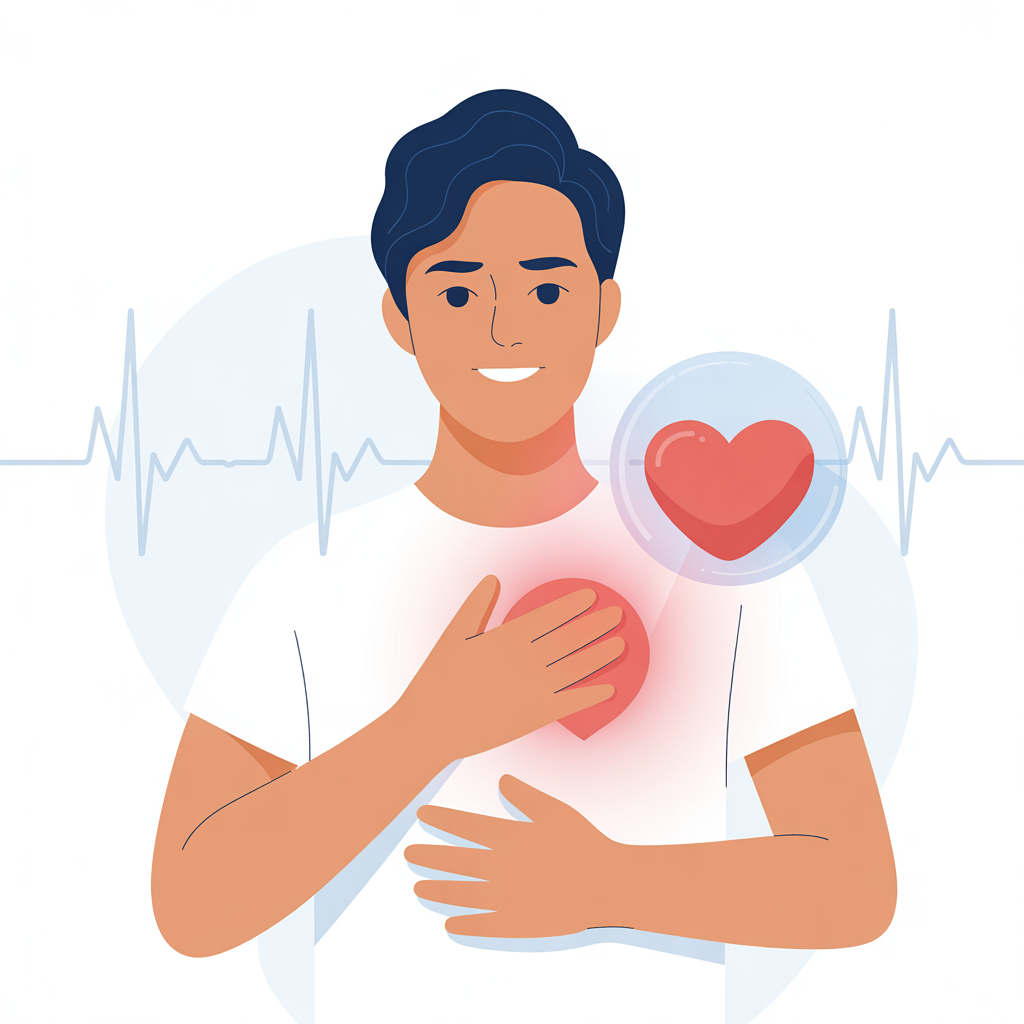
Angina, also known as angina pectoris, is chest pain or discomfort caused by reduced blood flow to the heart muscle. It is not a disease itself but rather a warning sign of an underlying heart condition, most commonly coronary artery disease (CAD). Understanding what angina feels like and recognizing its symptoms early can be life-saving. Many people mistake angina pain for indigestion or muscle strain, which can delay critical medical care. In this article, we break down the key symptoms of angina, its main causes, prevention strategies, and answers to frequently asked questions.
10 Common Symptoms of Angina
1. Chest Pain or Pressure
The most hallmark symptom of angina is a feeling of tightness, pressure, squeezing, or heaviness in the chest. Many patients describe it as if someone is sitting on their chest or gripping it tightly. This discomfort typically:
- Occurs in the center or left side of the chest
- Lasts from a few seconds to several minutes (usually under 5 minutes for stable angina)
- Is often triggered by physical exertion, emotional stress, or cold weather
- Tends to ease with rest or nitroglycerin (as prescribed by a doctor)
It is important not to dismiss recurring chest discomfort. Any new or worsening chest pain should be evaluated by a healthcare professional promptly.
2. Pain That Spreads to the Arm, Shoulder, Neck, or Jaw
Angina pain does not always stay confined to the chest. It frequently radiates to other parts of the body, including:
- Left arm – the most common area of radiation
- Both shoulders – particularly in severe episodes
- Neck and jaw – often described as an aching or tight sensation
- Back – especially the upper back between the shoulder blades
This referred pain occurs because the heart and these body regions share nerve pathways. If you experience unexplained jaw ache or arm pain accompanied by chest discomfort, it should be taken seriously as a possible cardiac symptom.
3. Shortness of Breath
Many people with angina experience difficulty breathing or shortness of breath either alongside chest pain or as a standalone symptom. This occurs because the heart is not pumping blood efficiently when its blood supply is reduced, causing the lungs to work harder.
Shortness of breath related to angina may:
- Appear during physical activity such as walking upstairs, exercising, or lifting objects
- Improve significantly with rest
- Be more prominent in older adults and people with diabetes
When breathlessness occurs without obvious exertion, it may suggest unstable angina or another serious cardiac condition requiring urgent attention.
4. Fatigue and Unusual Weakness
Persistent or unexplained fatigue and weakness can be a subtle yet significant symptom of angina — particularly in women. When the heart muscle does not receive enough oxygenated blood, the body compensates by redirecting energy resources, leading to an overall sense of exhaustion.
This fatigue may:
- Occur even after adequate rest or sleep
- Worsen with mild physical or emotional exertion
- Be accompanied by a general feeling of being unwell
Because fatigue is such a non-specific symptom, it is often overlooked, especially in women, which is why angina in women is frequently underdiagnosed.
5. Dizziness or Lightheadedness
Reduced blood flow to the heart can also impair blood circulation to the brain, resulting in dizziness, lightheadedness, or even fainting spells. These symptoms can be especially alarming when they occur suddenly during activity or emotional stress.
Signs to watch for include:
- Feeling faint or unsteady on your feet
- A sensation that the room is spinning
- Brief loss of consciousness (syncope) in severe cases
Dizziness accompanying chest discomfort should be considered a red flag and warrants immediate medical evaluation.
6. Nausea or Stomach Discomfort
Angina can sometimes be confused with gastrointestinal issues because it may present as nausea, indigestion, or an upset stomach. This is especially true for women and older adults, who often experience atypical angina symptoms instead of the classic chest pain.
Digestive-like symptoms associated with angina include:
- Nausea or vomiting
- A burning sensation in the upper abdomen or chest (which can mimic heartburn)
- General stomach discomfort or bloating
If digestive-type symptoms consistently arise during physical exertion and resolve with rest, they should be discussed with a doctor to rule out cardiac causes.
7. Sweating (Diaphoresis)
Breaking out in a cold sweat without an obvious cause — such as heat or exercise — can be a warning sign of angina. This type of sweating, medically known as diaphoresis, is the body’s stress response to the heart’s reduced blood supply.
Angina-related sweating typically:
- Appears suddenly and without connection to ambient temperature
- Is often described as a clammy, cold, or chill-inducing sweat
- Frequently accompanies chest discomfort or other cardiac symptoms
Sudden cold sweating paired with chest pain or pressure is one of the symptoms that should prompt an emergency call to medical services.
8. A Feeling of Indigestion or Heartburn
One of the most commonly misidentified angina symptoms is a sensation that feels exactly like heartburn or acid indigestion. Patients often take antacids in response, only to find no relief. This burning or gnawing discomfort in the chest or upper abdomen can originate from the heart rather than the stomach.
Key differences to note:
- True heartburn often improves with antacids; angina does not
- Angina-related discomfort is more likely to be triggered by exertion or stress
- Cardiac discomfort may be accompanied by sweating, arm pain, or shortness of breath
If you experience persistent “heartburn” that seems linked to activity, consult a doctor for a thorough cardiac evaluation.
9. Heart Palpitations
Some individuals with angina report irregular or rapid heartbeats (palpitations) during an episode. The heart may feel like it is racing, fluttering, or skipping beats. This occurs as the heart tries to compensate for inadequate blood flow by beating faster or irregularly.
Palpitations linked to angina:
- Often coincide with other symptoms such as chest tightness or breathlessness
- May be more noticeable at rest or during light activity
- Can be an early indicator of worsening coronary artery disease
Frequent palpitations, even without chest pain, should be assessed by a cardiologist.
10. Anxiety or a Sense of Impending Doom
During an angina episode, many patients report an overwhelming feeling of anxiety, panic, or a sense that something is seriously wrong. This psychological response is triggered by the body recognizing a threat to cardiac function, activating the fight-or-flight response.
This symptom can include:
- Sudden unexplained fear or unease
- A feeling of impending doom or loss of control
- Restlessness or agitation during chest discomfort
While anxiety itself can cause physical symptoms that mimic angina, when this feeling is accompanied by chest pain, shortness of breath, or sweating, it should never be dismissed as purely psychological.
Main Causes of Angina
Angina occurs when the heart muscle does not receive enough oxygen-rich blood. The most common underlying causes include:
- Coronary artery disease (CAD): Buildup of fatty deposits (plaques) in the coronary arteries narrows or blocks blood flow to the heart — the leading cause of angina.
- Coronary artery spasm (Variant/Prinzmetal angina): A temporary tightening (spasm) of a coronary artery can reduce or block blood flow, even in arteries without significant plaque buildup.
- High blood pressure (Hypertension): Forces the heart to work harder, increasing oxygen demand and triggering angina episodes.
- High cholesterol: Excess LDL cholesterol contributes to plaque buildup in the arteries, narrowing blood flow to the heart.
- Diabetes: Damages blood vessels and increases the risk of coronary artery disease, making angina more likely and often atypical in presentation.
- Smoking: Damages artery walls, accelerates plaque formation, and reduces the oxygen-carrying capacity of the blood.
- Obesity and sedentary lifestyle: Contributes to risk factors like high blood pressure, high cholesterol, and diabetes, all of which increase angina risk.
- Severe anemia: A significant reduction in red blood cells means the heart receives less oxygen, potentially causing angina even without coronary artery disease.
- Emotional stress: Can trigger angina by raising heart rate and blood pressure, increasing the heart’s oxygen demand.
How to Prevent Angina
While some risk factors for angina (such as age and genetics) cannot be changed, many lifestyle modifications can significantly reduce the risk of developing or worsening angina:
- Adopt a heart-healthy diet: Emphasize fruits, vegetables, whole grains, lean proteins, and healthy fats. Reduce intake of saturated fats, trans fats, sodium, and added sugars.
- Exercise regularly: Aim for at least 150 minutes of moderate-intensity physical activity per week, such as brisk walking, swimming, or cycling. Always consult your doctor before starting a new exercise program if you have existing heart issues.
- Quit smoking: Smoking is a major modifiable risk factor. Stopping smoking dramatically reduces the risk of coronary artery disease and angina.
- Manage blood pressure and cholesterol: Regular monitoring and working with your healthcare provider to keep these within healthy ranges is essential.
- Control blood sugar levels: If you have diabetes or prediabetes, maintaining healthy glucose levels protects the cardiovascular system.
- Maintain a healthy weight: Losing even a small amount of excess weight can reduce strain on the heart and lower blood pressure and cholesterol levels.
- Manage stress: Practice relaxation techniques such as deep breathing, meditation, yoga, or mindfulness to reduce emotional triggers for angina.
- Limit alcohol consumption: Excessive alcohol raises blood pressure and contributes to heart disease. Drink in moderation or avoid alcohol altogether.
- Schedule regular medical check-ups: Routine health screenings help detect and address risk factors early, before they progress to angina or more serious cardiac events.
Frequently Asked Questions (FAQ)
What is angina?
Angina is chest pain or discomfort that occurs when the heart muscle does not get enough oxygen-rich blood. It is a symptom of an underlying heart problem, most often coronary artery disease, rather than a disease on its own.
What does angina feel like?
Angina typically feels like pressure, tightness, squeezing, or heaviness in the chest. Some people describe it as a burning sensation or indigestion. The discomfort may also spread to the arm, neck, jaw, or back.
Is angina dangerous?
Angina itself is a warning signal that the heart is not getting enough blood. Stable angina, which is predictable and occurs with exertion, is manageable, but unstable angina — which occurs at rest or worsens suddenly — is a medical emergency that can precede a heart attack.
What are angina symptoms in women?
Women often experience atypical angina symptoms, including nausea, fatigue, shortness of breath, and discomfort in the neck, jaw, or back rather than classic chest pain. These subtle symptoms are frequently overlooked, which can delay diagnosis and treatment.
What is the difference between stable and unstable angina?
Stable angina follows a predictable pattern — it is triggered by physical activity or stress and relieved by rest. Unstable angina is unpredictable, may occur at rest, lasts longer, and is more severe. Unstable angina is a medical emergency requiring immediate attention.
When should I see a doctor for angina?
You should seek immediate medical attention if you experience chest pain for the first time, if chest pain is severe or worsening, if it occurs at rest, or if it is accompanied by shortness of breath, sweating, nausea, or fainting. These may indicate unstable angina or a heart attack.
Can angina occur without chest pain?
Yes. This is called “silent angina” or “silent ischemia.” It is particularly common in people with diabetes, older adults, and women, and may present only as fatigue, shortness of breath, or nausea without any noticeable chest discomfort.
References: