
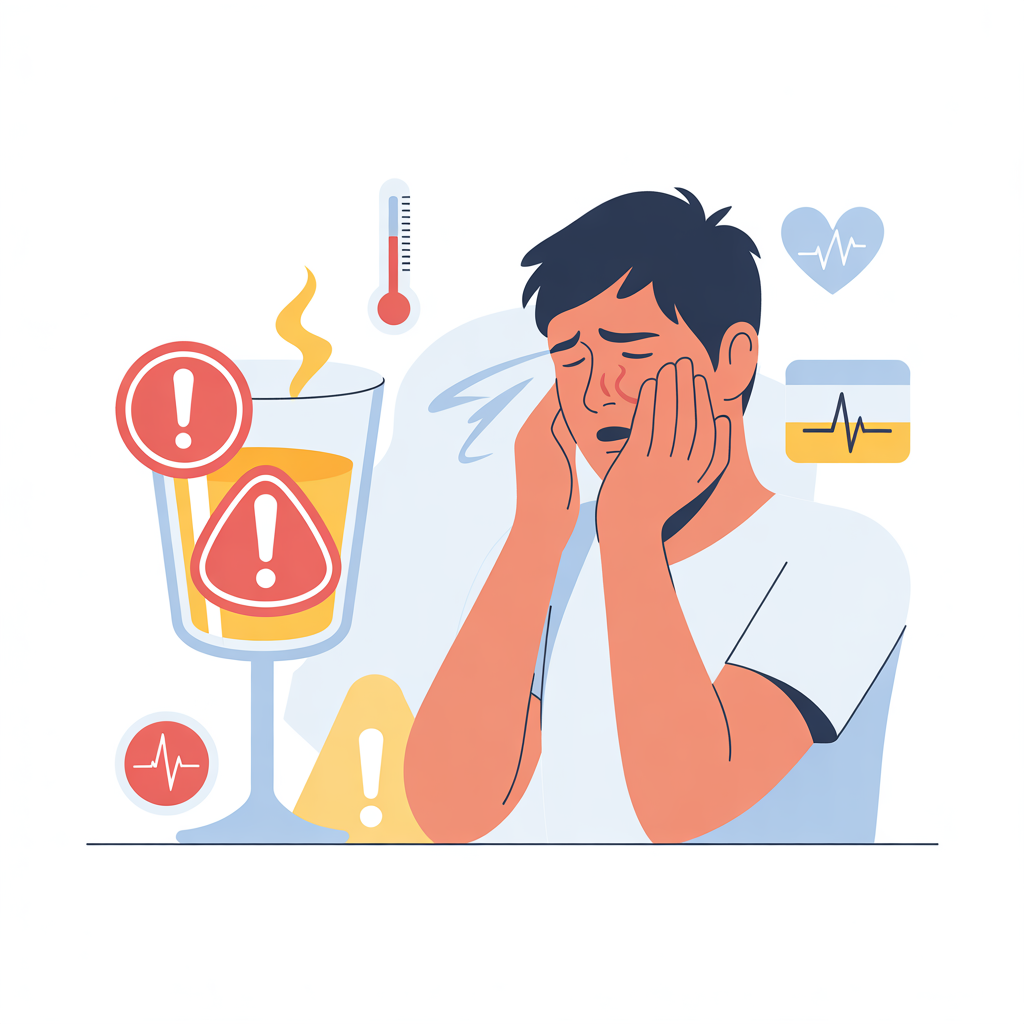
Alcohol poisoning is a serious — and potentially fatal — condition that occurs when a person consumes a toxic amount of alcohol in a short period of time. Unlike simply feeling drunk, alcohol poisoning overwhelms the body’s ability to process alcohol safely, leading to dangerous and life-threatening consequences. Every year, thousands of people are hospitalized due to severe alcohol intoxication, and many cases go unrecognized until it is too late. Understanding the symptoms of alcohol poisoning is critical, whether you are trying to protect yourself or someone around you. The faster these signs are identified, the better the chance of preventing a tragic outcome. This article outlines the key warning signs, common causes, and important prevention strategies everyone should know.
1. Confusion and Disorientation
One of the earliest and most recognizable signs of alcohol poisoning is severe mental confusion. The affected person may:
- Be unable to recognize familiar people or surroundings
- Speak incoherently or fail to form complete sentences
- Lose track of time, place, or what is happening around them
- Appear “zoned out” or mentally absent even when their eyes are open
This occurs because high levels of alcohol in the bloodstream significantly impair the brain’s normal functioning. The central nervous system becomes suppressed, disrupting cognitive processes such as memory, judgment, and spatial awareness. This level of confusion goes well beyond typical drunkenness and should be treated as a medical red flag.
2. Vomiting
Vomiting is the body’s natural reflex attempt to expel excess alcohol before it is absorbed into the bloodstream. While occasional nausea after drinking may not be alarming, vomiting associated with alcohol poisoning carries serious risks:
- Aspiration risk: If the person is unconscious or semi-conscious, they may inhale vomit into their lungs, which can lead to choking or aspiration pneumonia.
- Dehydration: Repeated vomiting can quickly lead to dangerous fluid and electrolyte loss.
- Uncontrolled episodes: Unlike normal nausea, vomiting during alcohol poisoning can be uncontrollable and occur even while the person is lying down or unconscious.
If someone is vomiting and cannot be kept awake or alert, this is a critical emergency requiring immediate medical attention.
3. Seizures
Seizures are among the most alarming symptoms of alcohol poisoning and indicate a severe toxic reaction within the brain. Excessive alcohol consumption disrupts the normal electrical activity in the brain, which can trigger sudden, uncontrolled seizure episodes. These may present as:
- Sudden, involuntary muscle jerking or convulsions
- Temporary loss of consciousness during the episode
- Stiffening of the body followed by rhythmic shaking
- Confusion or disorientation after the seizure ends
Seizures in the context of alcohol poisoning are a neurological emergency. Do not attempt to restrain the person forcefully. Instead, protect them from injury, place them on their side if possible, and call emergency services immediately.
4. Slow or Irregular Breathing
Alcohol is a powerful central nervous system depressant. At toxic levels, it begins to suppress the automatic functions controlled by the brain — including breathing. Signs of respiratory distress linked to alcohol poisoning include:
- Fewer than 8 breaths per minute (bradypnea)
- A gap of more than 10 seconds between breaths
- Shallow, labored, or irregular breathing patterns
- Gurgling or noisy breathing sounds
Slow or stopped breathing is one of the most life-threatening symptoms of alcohol poisoning, as it can rapidly lead to oxygen deprivation, brain damage, or death. This is a clear sign that emergency medical help must be called without delay.
5. Hypothermia (Low Body Temperature)
Many people believe that alcohol warms the body, but this is a dangerous misconception. In reality, alcohol causes blood vessels near the skin to dilate, which increases heat loss from the body’s surface. When alcohol poisoning sets in, the person’s core body temperature can drop to dangerously low levels. Warning signs of hypothermia related to alcohol poisoning include:
- Pale, bluish, or cold skin to the touch
- Uncontrollable shivering — or the complete absence of shivering in advanced stages
- Drowsiness and extreme fatigue
- Slurred speech and poor coordination
Hypothermia combined with other symptoms of alcohol poisoning dramatically worsens the person’s prognosis and demands urgent emergency care.
6. Unconsciousness or Unresponsiveness
If a person who has been drinking heavily cannot be awakened or does not respond to stimulation, this is a critical emergency. Unconsciousness caused by alcohol poisoning is different from normal sleep:
- The person cannot be roused by shaking, shouting, or pinching
- They do not respond to pain stimuli
- Their eyes may be open but unfocused or rolling back
- Muscle tone may be completely absent (limp body)
Never leave an unconscious person alone to “sleep it off.” While unconscious, a person can continue to absorb alcohol from the stomach and intestines, causing blood alcohol levels to keep rising even after drinking has stopped. They are also at high risk of choking on their own vomit. Position them in the recovery position (on their side) and call emergency services immediately.
7. Blue-Tinged or Pale Skin (Cyanosis)
A bluish discoloration of the skin, lips, or fingernails — a condition known as cyanosis — is a serious indicator that the body is not receiving enough oxygen. This symptom often develops as a result of respiratory depression caused by severe alcohol intoxication. Key visual signs include:
- Blue or purple tint around the lips, mouth, or fingertips
- A grayish or ashen appearance of the skin
- Cold and clammy skin texture
Cyanosis indicates that the person’s oxygen supply is critically compromised. This symptom, particularly when accompanied by slow breathing or unconsciousness, represents an immediately life-threatening situation requiring emergency intervention.
8. Extreme Drowsiness and Inability to Stay Awake
While it is common to feel tired after drinking, extreme drowsiness associated with alcohol poisoning is qualitatively different. The person may:
- Fall asleep mid-sentence or while standing
- Be difficult or impossible to keep awake despite efforts
- Respond only briefly before drifting back into unconsciousness
- Show no awareness of danger around them
This profound sedation results from alcohol’s depressant effect on the brain stem, which governs alertness and vital functions. If someone cannot stay awake during attempts to interact with them, do not assume they are simply “sleeping it off” — this can be a precursor to full unconsciousness and respiratory failure.
9. Loss of Coordination and Motor Control
Alcohol severely impairs the cerebellum — the part of the brain responsible for balance and fine motor movement. During alcohol poisoning, this impairment becomes extreme and unmistakable:
- Inability to stand or walk without falling
- Severe stumbling, swaying, or total inability to maintain balance
- Fumbling hands and inability to perform simple tasks
- Drooping eyelids and loss of facial muscle control
While mild loss of coordination is a normal effect of alcohol consumption, extreme motor impairment — especially when combined with other symptoms on this list — signals that blood alcohol concentration has reached a dangerous threshold. This level of physical incapacitation also significantly increases the risk of falls and traumatic injuries.
10. Stupor
Stupor is a state of near-unconsciousness where the person is still technically awake but is almost entirely unresponsive to the environment. It is one of the most severe signs of alcohol poisoning before full loss of consciousness. Characteristics of stupor include:
- The person is awake but does not speak or respond meaningfully
- They stare blankly or have a glassy-eyed appearance
- Minimal or no reaction to verbal commands or physical touch
- Complete inability to care for themselves or recognize danger
Stupor represents a critically depressed state of the central nervous system. A person in stupor is one step away from full unconsciousness and is at high risk of respiratory failure. Emergency medical services should be called immediately upon observing this condition.
Main Causes of Alcohol Poisoning
Understanding what leads to alcohol poisoning can help in prevention and early recognition. The most common causes include:
- Binge drinking: Consuming a large amount of alcohol in a short period of time is the leading cause of alcohol poisoning. The liver can only process approximately one standard drink per hour, so rapid consumption causes blood alcohol levels to spike dangerously.
- High-alcohol-content beverages: Drinks with very high alcohol concentrations, such as spirits and fortified wines, increase the speed at which toxic levels are reached.
- Drinking games and peer pressure: Social situations that encourage competitive or rapid drinking significantly raise the risk of consuming dangerous amounts of alcohol.
- Drinking on an empty stomach: Food slows the absorption of alcohol. Drinking without eating causes alcohol to be absorbed much more rapidly into the bloodstream.
- Low body weight or tolerance: Individuals with lower body weight or those who rarely drink may reach toxic blood alcohol levels after consuming smaller amounts than someone with a higher tolerance.
- Mixing alcohol with medications or other substances: Combining alcohol with sedatives, opioids, or other depressants can dramatically amplify its toxic effects and increase the risk of respiratory depression.
- Age-related factors: Young people and adolescents are particularly vulnerable due to lower body mass, developing organ systems, and lack of drinking experience.
How to Prevent Alcohol Poisoning
Alcohol poisoning is largely preventable with responsible drinking habits and awareness. Here are important strategies to reduce the risk:
- Follow standard drink guidelines: Be aware of what constitutes a standard drink and adhere to recommended daily and weekly limits set by health authorities.
- Pace your drinking: Avoid drinking more than one standard drink per hour to give your liver time to process alcohol effectively.
- Eat before and during drinking: Having food in your stomach significantly slows the rate of alcohol absorption into the bloodstream.
- Stay hydrated: Alternate alcoholic drinks with water or non-alcoholic beverages to reduce overall alcohol consumption.
- Avoid drinking games and shots: Activities that encourage rapid or competitive consumption are among the most direct pathways to alcohol poisoning.
- Never leave an intoxicated person alone: If someone appears severely intoxicated, stay with them and monitor their condition closely.
- Know when to seek help: If you observe any of the symptoms described above in yourself or someone else, do not hesitate to call emergency services. Acting quickly can save a life.
- Educate young people: Teaching teenagers and young adults about the real dangers of binge drinking is one of the most effective long-term prevention strategies.
Frequently Asked Questions (FAQ)
What is alcohol poisoning?
Alcohol poisoning is a serious medical condition that occurs when a person consumes a dangerously high amount of alcohol in a short period. It overwhelms the body’s ability to metabolize alcohol safely, leading to toxic blood alcohol levels that can shut down vital body functions including breathing and heart rate.
What are the first signs of alcohol poisoning?
The earliest signs typically include severe confusion, vomiting, extreme drowsiness, and significant loss of coordination. As the condition progresses, more dangerous symptoms such as seizures, slow breathing, unconsciousness, and blue-tinged skin may appear.
Can someone die from alcohol poisoning?
Yes. Alcohol poisoning can be fatal. Death can occur as a result of respiratory failure (the brain stops signaling the lungs to breathe), choking on vomit while unconscious, severe hypothermia, or irreversible brain damage due to oxygen deprivation.
Should I let an intoxicated person sleep it off?
Not if they show any symptoms of alcohol poisoning. Blood alcohol levels can continue to rise even after a person stops drinking. An unconscious person is at high risk of choking on vomit. If you are unsure, place the person on their side in the recovery position and monitor them closely, calling emergency services if their condition worsens or does not improve.
How much alcohol does it take to cause alcohol poisoning?
There is no single universal amount, as it varies by body weight, age, gender, tolerance, and whether food was consumed. However, consuming 4–5 or more standard drinks within a short time frame significantly raises the risk, particularly for people with low tolerance or smaller body weight.
Is alcohol poisoning the same as being very drunk?
No. Being drunk refers to the typical effects of alcohol intoxication, while alcohol poisoning is a medical emergency involving a toxic level of alcohol that suppresses vital functions. The key difference lies in the severity of symptoms — particularly unconsciousness, inability to be awakened, seizures, and respiratory distress.
What should I do if I suspect someone has alcohol poisoning?
Call emergency services (911 or your local emergency number) immediately. While waiting for help: keep the person sitting up or on their side to prevent choking, stay with them, keep them warm, and do not give them coffee, food, or water. Do not leave them alone under any circumstances.
References: