
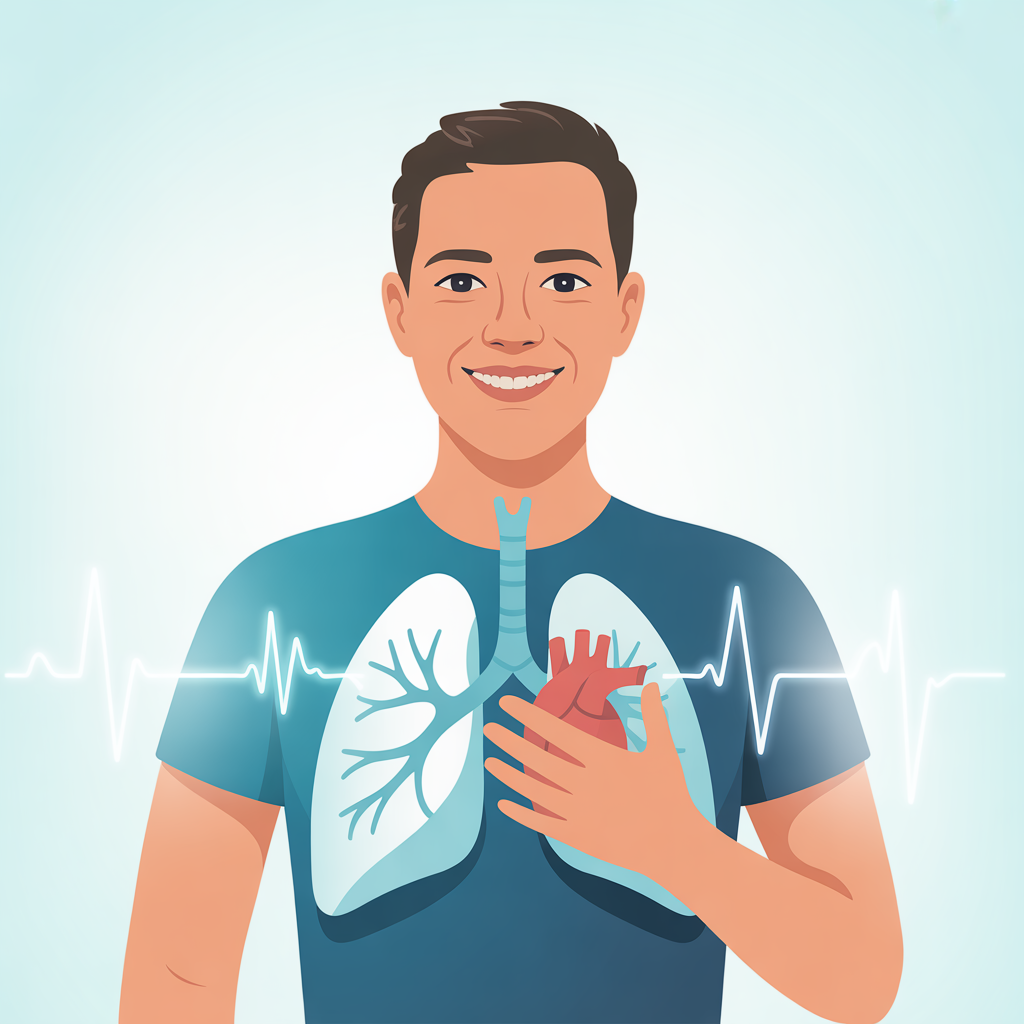
Pulmonary hypertension is a serious and progressive condition characterized by abnormally high blood pressure in the arteries of the lungs. Unlike systemic hypertension, which affects the entire body, pulmonary hypertension specifically impacts the pulmonary arteries — the blood vessels that carry blood from the heart to the lungs. When these arteries become narrowed, blocked, or damaged, the heart must work much harder to pump blood through them, eventually leading to right heart failure if left untreated.
What makes pulmonary hypertension particularly dangerous is how quietly it develops. Many people live with the condition for months or even years before receiving a proper diagnosis, largely because the early symptoms are subtle and easy to attribute to other causes such as aging, being out of shape, or general fatigue. Understanding the warning signs is the first and most critical step toward getting timely medical care.
In this article, we outline the 10 most common symptoms of pulmonary hypertension, explain what causes the condition, and share practical guidance on how to reduce your risk.
10 Common Symptoms of Pulmonary Hypertension
1. Shortness of Breath (Dyspnea)
Shortness of breath — medically known as dyspnea — is typically the first and most noticeable symptom of pulmonary hypertension. In the early stages, breathlessness tends to occur only during physical activity such as climbing stairs, walking briskly, or exercising. As the disease progresses, however, even routine tasks like getting dressed, cooking, or having a conversation can trigger significant difficulty breathing.
This symptom occurs because the high pressure in the pulmonary arteries impairs efficient blood flow between the heart and lungs. As a result, the body cannot receive sufficient oxygen, making every breath feel labored and inadequate.
- Early stage: breathlessness during moderate or intense exertion
- Intermediate stage: breathlessness during light daily activities
- Advanced stage: breathlessness even at rest
Because dyspnea is associated with many other conditions — including asthma, anemia, and anxiety — it is often dismissed or misdiagnosed. If you notice unexplained or worsening breathlessness, especially when it is not proportional to your level of activity, it is important to consult a healthcare professional promptly.
2. Chronic Fatigue and Weakness
Persistent, overwhelming fatigue is one of the most debilitating symptoms reported by people living with pulmonary hypertension. Unlike normal tiredness that resolves after rest, this type of fatigue is chronic, disproportionate, and unrelieved by sleep.
The root cause is directly linked to reduced cardiac output. When the right side of the heart struggles to pump blood efficiently through narrowed pulmonary arteries, less oxygen-rich blood reaches the muscles and vital organs. The body essentially enters a state of chronic oxygen deprivation, which manifests as:
- Profound tiredness that persists throughout the day
- Generalized muscular weakness
- Difficulty concentrating or “brain fog”
- Reduced capacity to perform tasks that were previously manageable
Many patients describe this fatigue as feeling like they are “running on empty” no matter how much they sleep. This symptom significantly impacts quality of life and is a strong indicator that the cardiovascular system is under serious strain.
3. Dizziness and Fainting (Syncope)
Dizziness, lightheadedness, and in more severe cases, fainting (syncope) are important warning signs of pulmonary hypertension. These episodes typically occur during or immediately after physical activity, though they can also happen at rest as the condition advances.
The mechanism behind this symptom is a sudden drop in the amount of oxygenated blood reaching the brain. When the heart is unable to meet the increased demand for blood flow during exertion, blood pressure drops temporarily, depriving the brain of adequate oxygen supply.
Key features to watch for:
- Sudden sensation of spinning or lightheadedness during activity
- Brief loss of consciousness or “blacking out”
- Feeling faint when standing up quickly
- Recurrent episodes that seem to worsen over time
Fainting during exercise is considered a medical emergency and should prompt immediate evaluation. It may signal that the heart is at significant risk of a dangerous arrhythmia or failure.
4. Chest Pain or Chest Pressure
Chest pain in pulmonary hypertension is typically described as a pressure, tightness, or squeezing sensation in the center of the chest, particularly during physical exertion. This type of chest discomfort is medically referred to as angina pectoris and occurs because the overworked right ventricle of the heart becomes starved of oxygen.
As pulmonary pressure rises, the walls of the right ventricle thicken and stiffen in an attempt to compensate. Over time, this causes the heart muscle to work harder than its blood supply can support, resulting in ischemic pain — chest pain caused by insufficient oxygen delivery to the heart tissue.
It is critical to understand that chest pain associated with pulmonary hypertension can mimic the symptoms of a heart attack. Any chest pain, especially when accompanied by shortness of breath, dizziness, or sweating, requires immediate medical attention.
5. Rapid or Irregular Heartbeat (Palpitations)
Many people with pulmonary hypertension experience heart palpitations — the uncomfortable sensation that the heart is racing, fluttering, pounding, or skipping beats. These episodes can last for a few seconds or several minutes and may occur both at rest and during activity.
Palpitations arise because the heart is under increased mechanical and electrical stress. The right ventricle, working against elevated resistance in the pulmonary arteries, may develop abnormal electrical patterns, leading to arrhythmias such as:
- Tachycardia — an abnormally fast heart rate
- Atrial flutter or fibrillation — irregular, chaotic beating of the upper chambers of the heart
- Palpitations at rest — often described as a “fluttering” sensation in the chest or throat
While occasional palpitations can be benign, frequent or prolonged palpitations in the context of other pulmonary hypertension symptoms should never be ignored, as they may indicate a serious cardiac rhythm disorder.
6. Swelling of the Ankles, Legs, and Abdomen (Edema)
Visible swelling — known medically as edema — is a hallmark sign of advanced pulmonary hypertension and right heart failure. The swelling most commonly appears in the ankles and feet first, before progressing up to the calves, thighs, and in severe cases, the abdomen (a condition called ascites).
This occurs because when the right side of the heart is unable to pump blood forward efficiently, pressure backs up into the venous system. This elevated venous pressure causes fluid to leak from blood vessels into surrounding tissues, resulting in swelling.
Notable features of edema in pulmonary hypertension:
- Pitting edema — pressing a finger into the swollen area leaves a temporary indentation
- Worsening throughout the day, especially after prolonged standing or sitting
- Accompanying weight gain due to fluid retention
- Abdominal bloating or a sense of fullness
The presence of edema alongside breathlessness is a particularly serious combination that strongly suggests right heart decompensation and requires urgent medical evaluation.
7. Cyanosis (Bluish Discoloration of the Lips and Skin)
Cyanosis refers to a bluish or purplish discoloration of the skin, lips, fingernails, or fingertips. It is a visible sign that the blood is not carrying sufficient oxygen — a condition known as hypoxemia — and it represents one of the more advanced symptoms of pulmonary hypertension.
There are two main types of cyanosis relevant to this condition:
- Central cyanosis: affects the lips, tongue, and core of the body — usually indicates severe oxygen deficiency in the blood
- Peripheral cyanosis: limited to the fingers, toes, and extremities — can occur in less severe cases or during cold exposure
In pulmonary hypertension, particularly in cases associated with Eisenmenger syndrome (a congenital heart defect complication), cyanosis can become a persistent, prominent feature. Any unexplained bluish discoloration should be treated as a medical emergency requiring immediate evaluation.
8. Dry Cough
A persistent dry cough — one that produces little or no mucus — can be an underrecognized symptom of pulmonary hypertension. Unlike productive coughs caused by infections or allergies, this cough tends to be chronic, non-infectious, and associated with other cardiovascular symptoms.
The exact cause of cough in pulmonary hypertension is not fully understood, but several mechanisms may contribute:
- Increased pressure in pulmonary vessels irritating the airway linings
- Fluid accumulation around the lungs (pleural effusion) in advanced disease
- Pulmonary congestion — fluid buildup within the lung tissue itself
In some cases, the cough may occasionally be accompanied by blood-streaked sputum (hemoptysis), which is a serious symptom requiring immediate medical attention. A chronic unexplained cough, especially when paired with breathlessness or fatigue, should always be investigated.
9. Decreased Appetite and Unintentional Weight Loss
As pulmonary hypertension progresses, many patients report a significant reduction in appetite, often accompanied by unintentional weight loss or, paradoxically, weight gain due to fluid retention. These changes are related to multiple systemic effects of right heart dysfunction.
Possible reasons for decreased appetite include:
- Abdominal distension: Fluid accumulation in the abdomen (ascites) creates a constant feeling of fullness and bloating, suppressing the desire to eat
- Reduced gut perfusion: Poor circulation to the digestive organs impairs their function, causing nausea, discomfort after eating, and reduced appetite
- Systemic inflammation: Chronic heart and lung stress triggers inflammatory pathways that naturally suppress appetite
- Fatigue and medication effects: Overwhelming tiredness and general malaise reduce motivation to eat
Unexplained weight loss or appetite changes alongside cardiovascular symptoms are important warning signs that should prompt a thorough medical evaluation.
10. Raynaud’s Phenomenon
Raynaud’s phenomenon is a condition in which the fingers, toes, or other extremities turn white, blue, or red in response to cold temperatures or emotional stress. While Raynaud’s phenomenon can occur independently, it has a well-established association with pulmonary arterial hypertension, particularly in cases linked to autoimmune disorders such as scleroderma or systemic lupus erythematosus (SLE).
During a Raynaud’s episode:
- The fingers or toes first turn white as blood vessels constrict and blood flow is cut off
- They then turn blue as oxygen is depleted from the remaining blood
- Finally, they turn red as blood flow returns and causes reactive flushing
The presence of Raynaud’s phenomenon alongside other symptoms described in this article — particularly breathlessness and fatigue — may suggest an underlying connective tissue disorder that is driving pulmonary arterial hypertension. Patients with known Raynaud’s should be proactively screened for pulmonary hypertension, especially if they also carry a diagnosis of scleroderma or a related autoimmune condition.
Main Causes of Pulmonary Hypertension
Pulmonary hypertension can develop from a wide variety of underlying conditions or arise without any identifiable cause. Understanding the primary causes helps identify individuals at higher risk and guides medical professionals toward an accurate diagnosis. The major causes include:
- Idiopathic pulmonary arterial hypertension (IPAH): The most severe form, where no underlying cause can be identified. It may have a genetic component in some cases.
- Connective tissue diseases: Autoimmune conditions such as scleroderma, systemic lupus erythematosus (SLE), and mixed connective tissue disease are among the leading causes of pulmonary arterial hypertension.
- Congenital heart disease: Structural defects present from birth — such as ventricular septal defects (VSD) or atrial septal defects (ASD) — can cause abnormal blood flow patterns that raise pulmonary artery pressure over time.
- Left heart disease: Conditions affecting the left side of the heart, including heart failure, mitral valve disease, or aortic valve disease, are among the most common causes of pulmonary hypertension overall.
- Chronic lung diseases: Chronic obstructive pulmonary disease (COPD), interstitial lung disease, and sleep apnea can all contribute to elevated pulmonary pressure due to persistent low oxygen levels.
- Chronic blood clots (CTEPH): Chronic thromboembolic pulmonary hypertension results from recurrent pulmonary embolisms (blood clots in the lungs) that obstruct the pulmonary arteries over time.
- HIV infection: HIV-associated pulmonary arterial hypertension is a recognized and serious complication of untreated or advanced HIV infection.
- Liver disease (portal hypertension): High blood pressure in the portal vein of the liver can transmit elevated pressure to the pulmonary circulation.
- Drug and toxin exposure: Certain appetite suppressants, illicit drugs (especially methamphetamine and cocaine), and some chemotherapy agents have been linked to pulmonary arterial hypertension.
- Genetic mutations: Mutations in the BMPR2 gene are found in a significant proportion of heritable pulmonary arterial hypertension cases.
How to Reduce Your Risk of Pulmonary Hypertension
While some forms of pulmonary hypertension — particularly idiopathic and hereditary types — cannot be fully prevented, there are meaningful steps you can take to reduce your overall risk and slow disease progression if you are already diagnosed:
- Manage underlying conditions: Effectively controlling diseases such as heart failure, COPD, sleep apnea, autoimmune disorders, and HIV significantly reduces the risk of developing secondary pulmonary hypertension.
- Avoid smoking and secondhand smoke: Tobacco use damages the lungs and blood vessels, creating conditions that can elevate pulmonary artery pressure. Quitting smoking is one of the most impactful steps you can take.
- Maintain a healthy weight: Obesity is closely linked to sleep apnea and metabolic syndrome, both of which can contribute to pulmonary hypertension. A balanced diet and regular physical activity help maintain healthy body weight.
- Exercise regularly (within your limits): Moderate, medically supervised physical activity helps maintain cardiovascular fitness and may slow disease progression. Always consult your doctor before starting or modifying an exercise program if you have known or suspected pulmonary hypertension.
- Avoid high-altitude environments: Prolonged exposure to high altitudes causes hypoxia (low oxygen), which can raise pulmonary artery pressure. People at risk or already diagnosed with pulmonary hypertension should consult their doctor before traveling to high-altitude destinations.
- Avoid illicit drugs and unsupervised medications: Stimulants such as methamphetamine and cocaine are known risk factors for pulmonary arterial hypertension. Always consult your doctor before taking any new medication, supplement, or herbal remedy.
- Get regular medical check-ups: Early detection through routine health screenings — especially for individuals with known risk factors — can lead to earlier diagnosis and better outcomes.
- Know your family history: If pulmonary hypertension runs in your family, inform your healthcare provider. Genetic counseling and proactive screening may be recommended.
Frequently Asked Questions (FAQ)
What is pulmonary hypertension?
Pulmonary hypertension is a type of high blood pressure that specifically affects the arteries in the lungs and the right side of the heart. It occurs when the pulmonary arteries become narrowed, blocked, or damaged, making it harder for the heart to pump blood through the lungs. Over time, this increased workload can lead to right heart failure.
What are the first signs of pulmonary hypertension?
The earliest and most common symptom is unexplained shortness of breath during routine activities or exercise. Other early signs include fatigue, dizziness, and reduced exercise tolerance. Because these symptoms are non-specific, the condition is frequently misdiagnosed or detected late.
Can pulmonary hypertension be mistaken for asthma or anxiety?
Yes, very often. Breathlessness, chest tightness, and fatigue are symptoms shared by many conditions including asthma, anxiety, anemia, and deconditioning. This overlap is one of the main reasons pulmonary hypertension is diagnosed late — on average, patients wait 2–3 years from the onset of symptoms before receiving an accurate diagnosis.
Is pulmonary hypertension the same as regular high blood pressure?
No. Regular high blood pressure (systemic hypertension) affects the arteries throughout the entire body, while pulmonary hypertension is specifically confined to the pulmonary arteries — those that connect the heart to the lungs. They are distinct conditions with different causes, treatments, and complications.
Who is most at risk for pulmonary hypertension?
Pulmonary hypertension can affect anyone, but the risk is higher in people with connective tissue diseases (especially scleroderma), congenital heart defects, chronic lung diseases, HIV infection, liver disease, a family history of the condition, or those who have used certain stimulant drugs. Women between the ages of 30 and 60 are disproportionately affected by pulmonary arterial hypertension.
When should I see a doctor about these symptoms?
You should seek medical attention promptly if you experience unexplained breathlessness, chest pain, fainting during exercise, persistent swelling in the legs, or bluish discoloration of the lips or fingertips. These symptoms — especially in combination — warrant urgent evaluation. Early diagnosis is key to better outcomes.
Can pulmonary hypertension be cured?
Currently, there is no universal cure for pulmonary hypertension. However, with appropriate medical management, many patients are able to slow disease progression, improve symptoms, and maintain a good quality of life. Treatment options vary depending on the underlying cause and severity of the condition. Always consult a qualified healthcare provider for personalized guidance — do not take any medication without professional medical advice.
References:
- Mayo Clinic – Pulmonary Hypertension: Symptoms and Causes
- National Heart, Lung, and Blood Institute (NHLBI) – Pulmonary Hypertension
- American Lung Association – Pulmonary Arterial Hypertension
- American Heart Association – What is Pulmonary Arterial Hypertension
- World Health Organization (WHO) – Pulmonary Hypertension
- NHS UK – Pulmonary Hypertension