
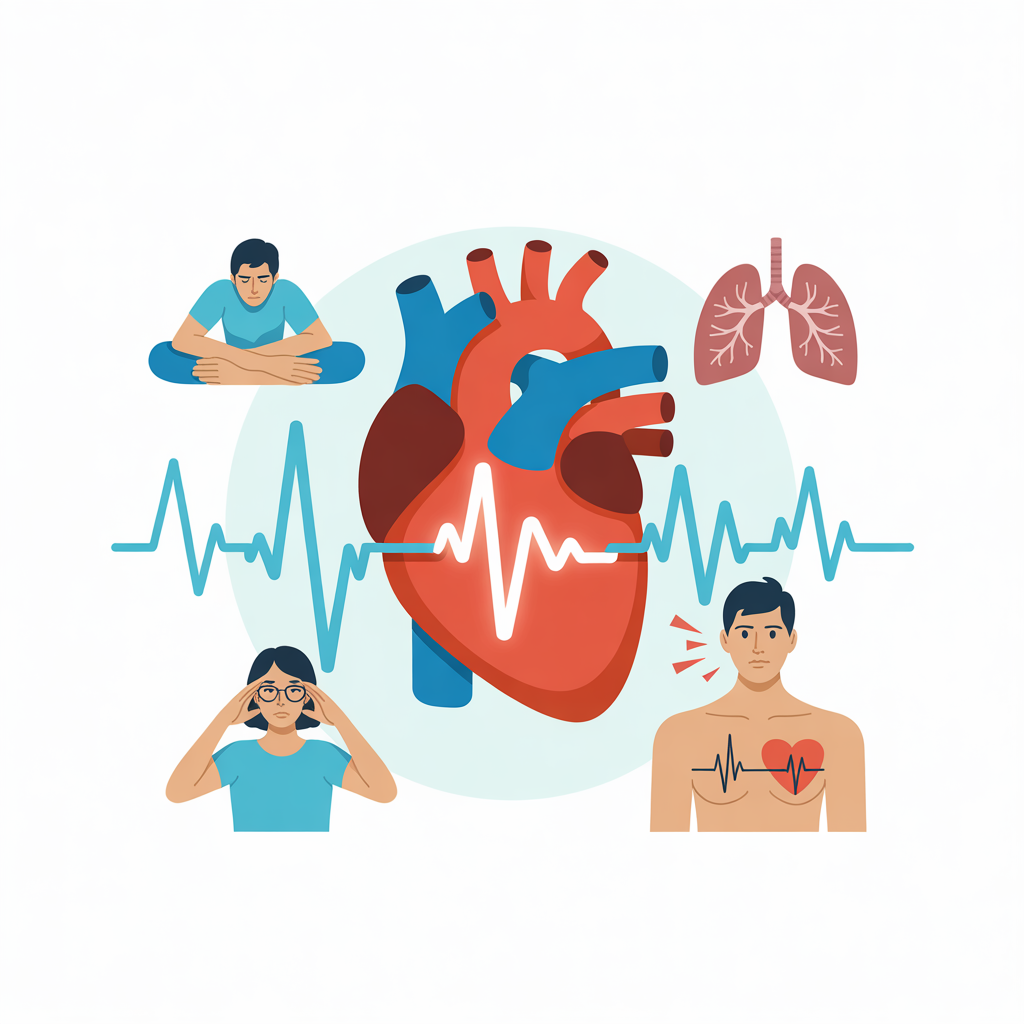
Atrial fibrillation — commonly known as AFib or AF — is the most widespread form of irregular heartbeat (arrhythmia) in the world, affecting more than 33 million people globally. In AFib, the heart’s upper chambers (atria) beat chaotically and out of sync with the lower chambers (ventricles), disrupting normal blood flow throughout the body. This condition can occur in brief episodes (paroxysmal atrial fibrillation) or become a persistent, long-term problem.
What makes AFib particularly dangerous is that many people live with it for months — or even years — without realizing it. Left unmanaged, AFib significantly raises the risk of stroke, heart failure, and other life-threatening cardiovascular complications. Recognizing the warning signs early is the first and most critical step toward protecting your heart. Below are 10 key symptoms of atrial fibrillation that everyone should know.
1. Irregular Heartbeat (Heart Palpitations)
One of the most hallmark symptoms of AFib is an irregular or erratic heartbeat, often described as palpitations. Patients commonly report sensations such as:
- A fluttering or “flopping” feeling in the chest
- A rapid, racing, or pounding heartbeat
- The sensation that the heart is “skipping” beats or beating out of rhythm
- An uncomfortable awareness of the heartbeat that feels abnormal
These episodes can be brief and sporadic, or they may last for hours, days, or even become continuous. In paroxysmal AFib, palpitations tend to come and go unpredictably, sometimes triggered by caffeine, alcohol, stress, or physical activity. It is important to note that the sensation can vary widely — some people describe it as mild discomfort, while others find it severely distressing.
Because the atria are firing electrical signals chaotically, the resulting heartbeat pattern is completely irregular — unlike the steady, rhythmic beat of a healthy heart. This irregularity is a defining characteristic that distinguishes AFib from other arrhythmias.
2. Shortness of Breath (Dyspnea)
Feeling breathless or short of breath — even during activities that previously seemed effortless — is another very common symptom of atrial fibrillation. This occurs because the inefficient pumping action of an AFib-affected heart means the body’s tissues and organs receive less oxygenated blood than they need.
Shortness of breath in AFib may manifest as:
- Difficulty catching your breath while walking, climbing stairs, or during light exercise
- A sudden feeling of breathlessness even at rest
- Needing to breathe more rapidly or deeply than usual
- Waking up at night feeling unable to breathe (in more severe cases)
This symptom is especially concerning because it can indicate that the heart is struggling to maintain adequate cardiac output. If you notice unexplained breathlessness that seems to be getting worse over time, it is important to seek medical evaluation promptly.
3. Extreme Fatigue and Weakness
Persistent, unexplained fatigue is one of the most frequently reported — and frequently overlooked — symptoms of AFib. Because the heart is not pumping blood efficiently, the muscles, brain, and other vital organs receive less oxygen, leading to a profound sense of tiredness that is disproportionate to the level of activity performed.
People with AFib often describe this fatigue as:
- Feeling exhausted after minimal physical effort
- A constant, overwhelming sense of tiredness that does not improve with rest
- Generalized weakness or a “heavy” feeling throughout the body
- Reduced stamina and inability to perform daily tasks as before
This symptom is particularly common in women with AFib, who may attribute their tiredness to stress, aging, or other conditions, delaying diagnosis. If you experience persistent fatigue alongside any other symptoms on this list, it warrants a conversation with your doctor.
4. Dizziness and Lightheadedness
Many people with atrial fibrillation experience episodes of dizziness, lightheadedness, or a feeling of being “woozy.” This happens because the erratic rhythm of the heart reduces blood flow to the brain, even for short periods, causing these unsettling sensations.
Dizziness in AFib may feel like:
- A sudden spinning or unsteady sensation (vertigo-like)
- Feeling faint or “about to pass out”
- Brief episodes of disorientation or unsteadiness when standing up
- A foggy or “disconnected” feeling that comes on without warning
These symptoms can increase the risk of falls and accidents, especially in older adults. If dizziness is severe or accompanied by fainting (syncope), it should be treated as a medical emergency and evaluated immediately.
5. Chest Pain, Pressure, or Discomfort
Chest pain or a feeling of tightness and pressure in the chest is a serious symptom that can accompany AFib episodes. The heart muscle itself can become strained when it is beating rapidly and irregularly, leading to discomfort in the chest area.
Chest-related symptoms in AFib may include:
- A squeezing, pressing, or heavy sensation in the center or left side of the chest
- Sharp or dull chest pain that may radiate to the arm, neck, or jaw
- A general feeling of chest tightness or discomfort during or after palpitations
- Chest pain that worsens with physical exertion
Important: Chest pain is never a symptom to ignore. It can also be a sign of a heart attack, which requires immediate emergency care. If you experience sudden, severe chest pain — especially alongside shortness of breath, sweating, or nausea — call emergency services right away.
6. Reduced Exercise Tolerance
A noticeable decline in the ability to exercise or perform physical activities is a common and often early warning sign of AFib. People may find that activities they once did with ease — such as brisk walking, cycling, or swimming — now leave them breathless, fatigued, or dizzy much sooner than before.
Signs of reduced exercise tolerance include:
- Stopping physical activity earlier than usual due to fatigue or breathlessness
- Heart palpitations triggered or worsened by exertion
- Needing longer recovery times after mild physical activity
- Avoiding activities previously enjoyed due to uncomfortable heart symptoms
This decline in physical capacity can significantly impact quality of life. Many patients report that this was the symptom that first prompted them to see a doctor. The cause lies in the heart’s reduced ability to increase its output effectively in response to the body’s demands during exercise.
7. Fainting or Near-Fainting (Syncope)
In some cases, AFib can cause a sudden drop in blood pressure or severely reduced blood flow to the brain, resulting in fainting (syncope) or near-fainting episodes. While fainting is not the most common AFib symptom, it is one of the most alarming and medically significant.
Warning signs before fainting may include:
- Sudden pallor (paleness) and cold sweating
- A feeling of extreme lightheadedness immediately before losing consciousness
- Tunnel vision or sudden visual disturbances
- Weakness in the legs as if they are “giving way”
Fainting episodes associated with AFib can cause injuries from falls and may indicate that the heart’s rhythm disturbance is severe enough to compromise blood pressure. Any episode of unexplained fainting should be evaluated by a healthcare professional without delay.
8. Anxiety and a Sense of Doom
The physical sensations caused by AFib — particularly rapid and irregular heartbeats — can trigger significant anxiety, unease, or an unexplained sense of impending doom. This psychological response is the body’s natural reaction to a perceived physical threat.
Emotional and psychological symptoms associated with AFib include:
- A sudden feeling of anxiety or panic without an obvious cause
- Heightened nervousness or restlessness during palpitation episodes
- Feeling “something is seriously wrong” even if pain is absent
- Difficulty concentrating or feeling mentally unsettled during AFib episodes
It is worth noting that anxiety can both be a symptom of and a trigger for AFib episodes. Stress and anxiety activate the sympathetic nervous system, which can increase heart rate and potentially precipitate arrhythmia. Managing emotional well-being is, therefore, an important aspect of AFib care.
9. Swelling in the Legs, Ankles, or Feet (Edema)
Peripheral edema — swelling in the lower extremities — can develop as a consequence of AFib, particularly when the condition has been present for an extended period. When the heart pumps inefficiently, blood can pool in the veins and fluid can leak into surrounding tissues, causing visible swelling.
Characteristics of AFib-related edema include:
- Puffiness or swelling around the ankles, feet, and lower legs
- Skin that appears stretched, shiny, or pits when pressed (pitting edema)
- A sensation of heaviness or tightness in the lower limbs
- Swelling that worsens toward the end of the day or after prolonged sitting or standing
Edema is a sign that the cardiovascular system is under significant strain and may indicate the early stages of heart failure — a serious complication of poorly managed AFib. It should always be reported to a doctor.
10. Silent AFib (No Symptoms at All)
Perhaps the most medically important “symptom” of atrial fibrillation is the complete absence of noticeable symptoms. A significant proportion of AFib cases — estimated at roughly one-third — are entirely asymptomatic, meaning the person feels completely normal despite having a dangerous irregular heart rhythm.
Key facts about silent AFib:
- It is often discovered incidentally during a routine ECG, physical exam, or wearable heart monitor reading
- Despite the absence of symptoms, the risk of stroke and heart complications remains just as high as in symptomatic AFib
- It is more common in older adults and people with diabetes
- Regular health check-ups and cardiac screenings are the only reliable way to detect it
The silent nature of AFib makes it particularly treacherous. A person may suffer a stroke as the very first sign that they had AFib all along. This underscores the critical importance of regular cardiovascular health monitoring, especially for individuals over 65 or those with known risk factors.
Main Causes of Atrial Fibrillation
Understanding what causes AFib can help in both prevention and early recognition. The most common causes and contributing factors include:
- High blood pressure (hypertension): The single most common cause of AFib. Chronically elevated blood pressure strains and remodels the heart muscle over time.
- Coronary artery disease: Narrowed or blocked coronary arteries reduce blood supply to the heart, disrupting its electrical system.
- Heart valve disease: Damaged or diseased heart valves — particularly the mitral valve — are strongly associated with AFib.
- Heart failure: A weakened heart muscle with poor pumping function is a significant risk factor.
- Congenital heart defects: Structural abnormalities present from birth can predispose individuals to arrhythmias.
- Overactive thyroid (hyperthyroidism): Excess thyroid hormones can accelerate the heart rate and trigger AFib.
- Sleep apnea: Repeated interruptions in breathing during sleep cause oxygen fluctuations that stress the heart’s electrical pathways.
- Excessive alcohol consumption: Heavy or binge drinking — sometimes called “holiday heart syndrome” — is a well-documented AFib trigger.
- Obesity: Excess body weight places additional strain on the heart and promotes inflammation, both of which can contribute to AFib.
- Aging: The risk of AFib increases significantly with age, as the heart’s electrical tissue naturally changes over time.
- Chronic lung diseases: Conditions such as COPD or pulmonary embolism can elevate pressure in the pulmonary circulation and promote AFib.
- Stimulants and medications: Excessive caffeine, certain cold medicines, or illicit stimulants can trigger episodes in susceptible individuals.
How to Reduce Your Risk of Atrial Fibrillation
While not all cases of AFib can be prevented — particularly those related to aging or genetics — adopting a heart-healthy lifestyle can substantially lower your risk and reduce the frequency and severity of episodes. Here are the most evidence-supported preventive strategies:
- Control blood pressure: Monitor your blood pressure regularly and work with your doctor to keep it within a healthy range through lifestyle changes or, if necessary, medical management.
- Maintain a healthy weight: Obesity is an independent risk factor for AFib. Even modest weight loss in overweight individuals has been shown to reduce AFib burden significantly.
- Exercise regularly: Moderate, consistent physical activity strengthens the heart and reduces many AFib risk factors. However, extreme endurance exercise (such as marathon running) has been paradoxically associated with increased AFib risk in some studies.
- Limit alcohol intake: Reduce or eliminate alcohol consumption, particularly heavy or binge drinking episodes.
- Quit smoking: Smoking damages blood vessels, promotes inflammation, and significantly raises cardiovascular risk.
- Manage stress: Chronic stress and anxiety can contribute to AFib. Practice relaxation techniques such as deep breathing, meditation, yoga, or mindfulness.
- Treat sleep apnea: If you snore heavily or feel unrefreshed after sleep, get evaluated for sleep apnea and seek appropriate treatment.
- Eat a heart-healthy diet: Emphasize fruits, vegetables, whole grains, lean proteins, and healthy fats. Limit sodium, saturated fats, and highly processed foods.
- Manage underlying conditions: Keep diabetes, thyroid disorders, and other chronic conditions well-controlled, as they are significant AFib risk factors.
- Get regular check-ups: Routine medical examinations — including electrocardiograms (ECGs) for those at risk — can detect silent AFib before complications arise.
Frequently Asked Questions (FAQ)
What is AFib?
AFib (atrial fibrillation) is a type of irregular heart rhythm (arrhythmia) in which the heart’s upper chambers beat chaotically and out of coordination with the lower chambers. It is the most common sustained cardiac arrhythmia and a major risk factor for stroke.
Is AFib dangerous?
Yes, AFib can be dangerous if left unmanaged. It significantly increases the risk of stroke (up to 5 times higher than average), heart failure, and other cardiovascular complications. However, with proper medical care and lifestyle management, many people with AFib live normal, active lives.
What is a dangerous heart rate with AFib?
During an AFib episode, the ventricular heart rate can range from 100 to 175 beats per minute or even higher — this is called an uncontrolled or rapid ventricular response. Sustained heart rates above 100 bpm at rest are generally considered problematic and may require medical intervention. Always consult your doctor for guidance specific to your situation.
What are the symptoms of AFib in women?
Women with AFib often experience the same symptoms as men — palpitations, fatigue, and shortness of breath — but are statistically more likely to present with atypical symptoms such as extreme exhaustion, anxiety, and general weakness. Women are also more likely to have their symptoms attributed to other conditions, which can delay diagnosis.
What is paroxysmal atrial fibrillation?
Paroxysmal atrial fibrillation refers to intermittent episodes of AFib that start and stop on their own, typically lasting from a few seconds to less than 7 days. While each episode self-terminates, paroxysmal AFib still carries significant stroke risk and should be evaluated and managed by a cardiologist.
Can AFib occur without any symptoms?
Yes. Approximately one-third of all AFib cases are “silent” — meaning the person experiences no noticeable symptoms at all. Silent AFib is often discovered accidentally during a routine ECG or health check. Despite the absence of symptoms, the stroke and complication risks remain high.
When should I see a doctor about AFib symptoms?
You should see a doctor promptly if you experience unexplained palpitations, persistent fatigue, shortness of breath, dizziness, or chest discomfort. Seek emergency medical care immediately if you experience sudden severe chest pain, loss of consciousness, signs of stroke (facial drooping, arm weakness, slurred speech), or severe breathlessness.
Can lifestyle changes reduce AFib symptoms?
Yes. Evidence strongly supports that lifestyle modifications — including weight loss, regular moderate exercise, reducing alcohol intake, managing stress, and treating sleep apnea — can reduce the frequency and severity of AFib episodes. These changes complement medical management and should always be discussed with your healthcare provider.
References:
- American Heart Association – Atrial Fibrillation
- Mayo Clinic – Atrial Fibrillation: Symptoms and Causes
- NHS – Atrial Fibrillation Symptoms
- Centers for Disease Control and Prevention (CDC) – Atrial Fibrillation
- American Heart Association / American College of Cardiology – AFib Guidelines (Circulation Journal)