
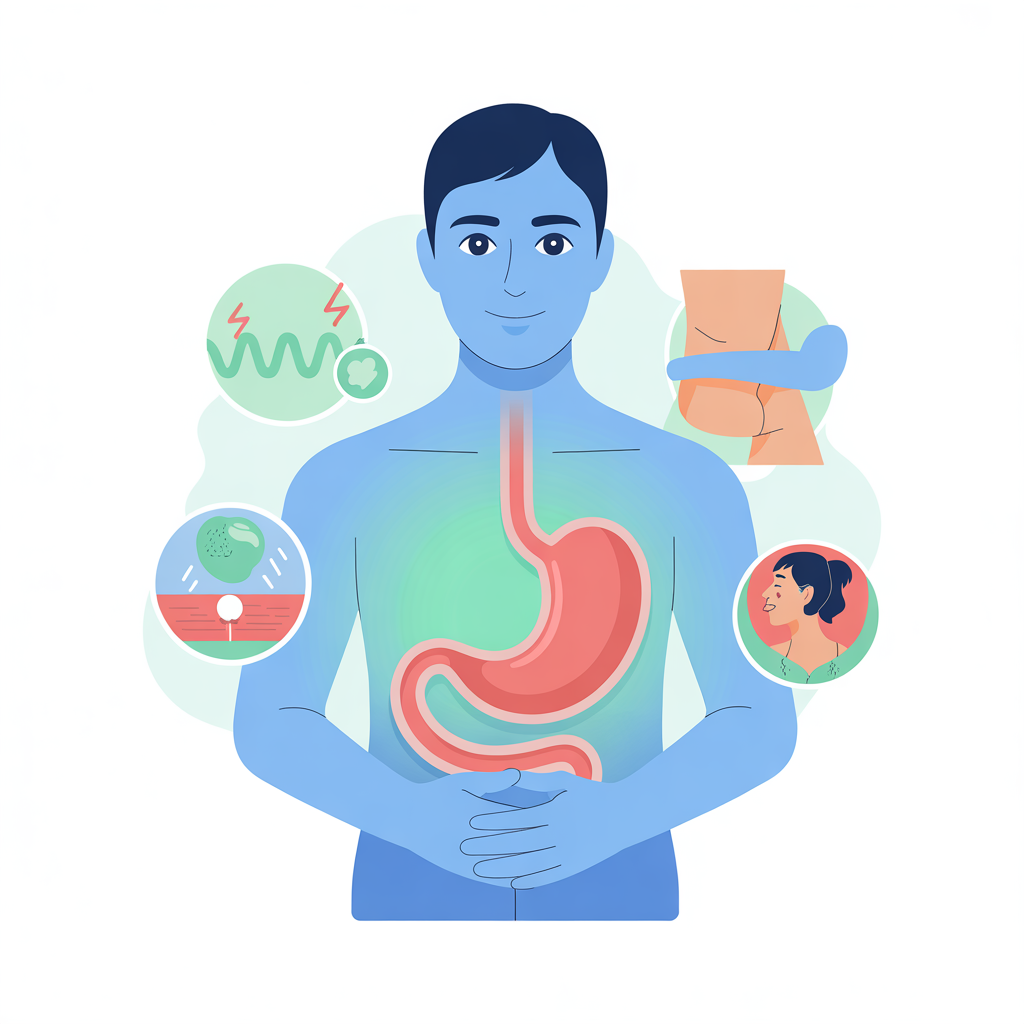
Helicobacter pylori, commonly known as H. pylori, is a type of bacteria that infects the lining of the stomach. It is one of the most widespread bacterial infections in the world, affecting nearly half of the global population — though many people never experience noticeable symptoms. When symptoms do appear, they can range from mild digestive discomfort to more serious complications such as peptic ulcers or, in rare cases, stomach cancer.
H. pylori survives in the harsh acidic environment of the stomach by producing an enzyme called urease, which neutralizes stomach acid around the bacteria. Over time, this can damage the protective mucous lining of the stomach and small intestine, leading to inflammation and a variety of uncomfortable symptoms.
Understanding the symptoms of H. pylori infection is essential for early detection and timely medical care. Below are the most common signs that may indicate a Helicobacter pylori infection.
1. Burning or Gnawing Stomach Pain
One of the most hallmark symptoms of an H. pylori infection is a burning or gnawing pain in the stomach, typically felt in the upper abdomen (epigastric region). This discomfort occurs because the bacteria damages the mucous membrane that protects the stomach lining from its own acid.
- The pain may be dull, aching, or sharp in nature.
- It often worsens when the stomach is empty — for example, between meals or during the night.
- Eating or taking antacids may temporarily relieve the discomfort, only for it to return a few hours later.
- In some cases, the pain can radiate to the back or chest area, which may be confused with other conditions.
This type of persistent stomach pain should never be ignored, especially if it becomes more frequent or intense over time. It may indicate that the infection has progressed to causing a peptic ulcer.
2. Nausea and Vomiting
Many individuals with H. pylori infection report feeling persistently nauseous, particularly in the morning or after eating. The bacteria disrupts the normal balance of stomach acid and digestive function, which can upset the gastrointestinal system and trigger nausea.
- Nausea may be mild and intermittent, or more constant and debilitating.
- In some cases, nausea progresses to vomiting, which can occasionally contain blood — a sign requiring immediate medical attention.
- Vomiting that looks like coffee grounds may suggest internal bleeding caused by an ulcer, a serious complication of untreated H. pylori infection.
If nausea is accompanied by other digestive symptoms that persist for more than a few days, it is important to consult a healthcare professional for evaluation.
3. Frequent Burping (Belching)
Excessive or frequent burping is another common but often overlooked symptom of H. pylori infection. When H. pylori bacteria colonize the stomach lining, they disrupt the normal digestive process and increase the production of gas in the gastrointestinal tract.
- Patients often describe belching that seems disproportionate to the amount of food or drink consumed.
- The burping may be accompanied by a sour or bitter taste in the mouth, related to acid reflux.
- This symptom can be socially disruptive and may be an early warning sign of an underlying stomach bacterial infection.
While occasional burping is perfectly normal, persistent and unexplained belching — especially when paired with other digestive complaints — may warrant a medical check-up.
4. Bloating and Abdominal Discomfort
Bloating is a very common gastrointestinal complaint associated with H. pylori. The infection can slow down the movement of food through the digestive system and lead to an accumulation of gas, resulting in a feeling of fullness, tightness, or pressure in the abdomen.
- Bloating may appear shortly after eating, even when only a small amount of food has been consumed.
- The abdomen may appear visibly distended or feel tight to the touch.
- This symptom is often worse in the late afternoon or evening.
- It may be accompanied by flatulence (excessive gas) or cramping sensations.
Chronic bloating that does not resolve with dietary changes may be a sign of an underlying condition such as H. pylori-induced gastritis or peptic ulcer disease.
5. Loss of Appetite
A noticeable decrease in appetite is a symptom frequently reported by people with H. pylori infection. The inflammation caused by the bacteria, combined with nausea, pain, and bloating, can make the idea of eating feel unappealing or even distressing.
- People may avoid meals because eating aggravates their discomfort or triggers pain.
- Over time, reduced appetite can lead to unintentional weight loss.
- In some individuals, particularly women, loss of appetite can be one of the earliest signs of the infection and may be misattributed to stress or anxiety.
Persistent loss of appetite lasting more than a week — especially when accompanied by other gastrointestinal symptoms — should be evaluated by a medical professional.
6. Unintentional Weight Loss
If an H. pylori infection is left untreated, the combination of reduced appetite, nausea, and digestive problems can lead to noticeable and unintentional weight loss. This is a more serious symptom that warrants prompt medical investigation.
- Weight loss may occur gradually and go unnoticed at first.
- Malnutrition can develop in severe cases where the patient is consistently unable to eat adequate amounts of food.
- Unexplained weight loss of more than 5% of body weight over a short period of time is considered a red flag symptom and should always be investigated by a doctor.
- In the context of H. pylori, significant weight loss may also raise concern for the development of stomach cancer, particularly in older adults.
It is important to distinguish between intentional and unintentional weight loss, as the latter is a symptom that often signals an underlying medical issue requiring attention.
7. Dark or Tarry Stools (Melena)
One of the more alarming symptoms associated with H. pylori infection is the presence of dark, tarry, or black stools — a condition known as melena. This can indicate bleeding in the upper gastrointestinal tract, most commonly caused by a peptic ulcer that has formed as a result of the bacterial infection.
- The dark color of the stool results from blood that has been partially digested as it travels through the digestive system.
- Stools may have an unusually foul or metallic smell.
- In contrast, bright red blood in the stool typically indicates bleeding lower in the digestive tract and is a different concern.
- Melena should always be treated as a medical emergency and requires immediate medical evaluation.
Even if there is no visible blood, persistent dark stools may be a sign of occult (hidden) bleeding. A doctor can perform specific tests to detect hidden blood in stool samples.
8. Acid Reflux and Heartburn
H. pylori infection can disrupt the normal regulation of stomach acid, contributing to gastroesophageal reflux — the backward flow of stomach acid into the esophagus. This results in the familiar burning sensation known as heartburn.
- Heartburn is typically felt as a burning sensation in the chest, particularly after meals or when lying down.
- Acid reflux caused by H. pylori may be associated with a sour or bitter taste at the back of the throat.
- Frequent acid reflux can damage the lining of the esophagus over time, leading to a condition called erosive esophagitis.
- While heartburn is extremely common and has many possible causes, persistent or severe heartburn — especially when it does not respond to lifestyle changes — may indicate an underlying bacterial infection.
It is worth noting that the relationship between H. pylori and acid reflux is complex, and the infection does not affect everyone the same way. In some cases, the bacteria may actually reduce acid production.
9. Fatigue and General Weakness
While fatigue is a nonspecific symptom, it is commonly reported by individuals suffering from H. pylori infection. Chronic digestive discomfort, reduced food intake, and the body’s ongoing immune response to the bacterial infection can all contribute to persistent tiredness and a general sense of weakness.
- If the infection has led to gastrointestinal bleeding, iron-deficiency anemia may develop, causing fatigue, pallor, shortness of breath, and dizziness.
- Patients may feel exhausted even after adequate rest or sleep.
- Fatigue combined with other digestive symptoms (such as dark stools or unexplained weight loss) is particularly concerning and requires medical evaluation.
Anemia is a well-recognized complication of long-term H. pylori infection, especially in women of childbearing age, and can sometimes be the primary presenting symptom of the infection.
10. Feeling Full Quickly (Early Satiety)
Early satiety refers to the feeling of being full after eating only a small amount of food. This is a symptom that can occur when H. pylori infection causes inflammation of the stomach lining (gastritis), impairing the stomach’s ability to expand and accommodate a normal-sized meal.
- Patients may feel uncomfortably full after just a few bites of food.
- This symptom can contribute significantly to reduced caloric intake and weight loss.
- Early satiety is often accompanied by nausea, bloating, and upper abdominal discomfort.
- In women, this symptom may be more pronounced and is sometimes mistaken for a hormonal or anxiety-related issue.
Persistent early satiety is not a normal digestive experience and should be discussed with a healthcare provider, particularly if it is causing significant dietary restriction or weight changes.
Main Causes of H. Pylori Infection
Understanding how H. pylori spreads is key to recognizing risk factors and taking preventive steps. The exact mechanism of transmission is not always fully clear, but the following are the most well-established causes and risk factors:
- Person-to-person transmission: H. pylori is thought to spread primarily through direct contact with an infected person’s saliva, vomit, or fecal matter. Close living conditions and poor hand hygiene significantly increase the risk.
- Contaminated food and water: Consuming food or water that has been contaminated with H. pylori bacteria is a major route of infection, particularly in regions with inadequate sanitation.
- Poor sanitation and hygiene: Living in areas without access to clean water, proper sewage systems, or hygienic food preparation practices significantly increases the likelihood of exposure.
- Crowded living conditions: People living in overcrowded households or institutions are at a higher risk of H. pylori infection due to increased close contact with others.
- Childhood exposure: Most H. pylori infections are acquired during childhood, even if symptoms do not appear until much later in life.
- Geographic location: Infection rates are significantly higher in developing countries compared to developed nations, largely due to differences in sanitation infrastructure.
- Weakened immune system: Individuals with compromised immune systems may be more susceptible to acquiring and struggling to clear H. pylori infection.
How to Prevent H. Pylori Infection
While there is currently no vaccine for H. pylori, several practical measures can reduce the risk of infection:
- Wash hands thoroughly: Regular and thorough handwashing with soap and water — especially before eating and after using the bathroom — is one of the most effective ways to prevent the spread of H. pylori.
- Drink clean, safe water: Use filtered, bottled, or properly treated water whenever possible, particularly when traveling to regions where water quality may be questionable.
- Practice safe food handling: Ensure food is cooked properly and handled hygienically. Avoid consuming food from sources where hygienic food preparation cannot be guaranteed.
- Avoid sharing utensils or drinks: Since H. pylori may be transmitted through saliva, avoid sharing plates, cups, or utensils with others — especially in households where someone is known to be infected.
- Maintain good overall hygiene: Keep living spaces clean and promote good hygiene practices among all household members, particularly children.
- Seek medical advice if you suspect infection: Early testing and diagnosis can prevent complications. If you experience persistent digestive symptoms, do not delay consulting a doctor.
Frequently Asked Questions (FAQ)
What is H. pylori?
H. pylori (Helicobacter pylori) is a spiral-shaped bacterium that infects the lining of the stomach. It is one of the most common bacterial infections worldwide and can lead to conditions such as gastritis, peptic ulcers, and in rare cases, stomach cancer if left untreated.
Can H. pylori infection have no symptoms?
Yes. The majority of people infected with H. pylori — estimated at over 70% — do not experience any noticeable symptoms. The infection can remain dormant for years or even a lifetime. Symptoms typically appear when the bacteria cause significant damage to the stomach lining.
Are the symptoms of H. pylori different in females?
The core symptoms of H. pylori infection are generally the same in males and females. However, some studies suggest that women may be more likely to experience symptoms such as fatigue, loss of appetite, early satiety, and iron-deficiency anemia as a result of the infection. Women should not dismiss persistent digestive complaints as stress-related without proper medical evaluation.
Can H. pylori infection lead to stomach cancer?
Yes, there is a well-established link between long-term H. pylori infection and an increased risk of developing certain types of stomach (gastric) cancer, particularly gastric adenocarcinoma and MALT lymphoma. This is why early diagnosis and treatment of H. pylori is considered important for long-term health. Warning signs that may indicate more serious complications include significant weight loss, persistent vomiting, dark stools, and difficulty swallowing.
How is H. pylori diagnosed?
Several methods can be used to diagnose H. pylori infection, including the urea breath test, stool antigen test, blood antibody test, and endoscopy with biopsy. A doctor will determine which test is most appropriate based on your symptoms and medical history.
Is H. pylori contagious?
H. pylori is believed to be contagious and can spread through contact with infected saliva, vomit, or stool. It can also be transmitted through contaminated food or water. Good personal hygiene and safe food practices are the best defenses against transmission.
When should I see a doctor about H. pylori symptoms?
You should seek medical attention if you experience persistent stomach pain, unexplained weight loss, dark or bloody stools, frequent nausea or vomiting, or any other digestive symptoms that do not improve within a few days. These signs may indicate an H. pylori infection or another serious gastrointestinal condition that requires professional evaluation and diagnosis. Always consult a qualified healthcare provider before taking any medication.
References:
- Mayo Clinic – Helicobacter pylori (H. pylori) infection: Symptoms and Causes
- NHS UK – Helicobacter pylori
- Healthline – Everything You Need to Know About H. Pylori
- WebMD – H. Pylori (Helicobacter Pylori) Infection
- National Center for Biotechnology Information (NCBI) – Helicobacter Pylori
- Centers for Disease Control and Prevention (CDC) – Helicobacter pylori and Peptic Ulcer Disease