
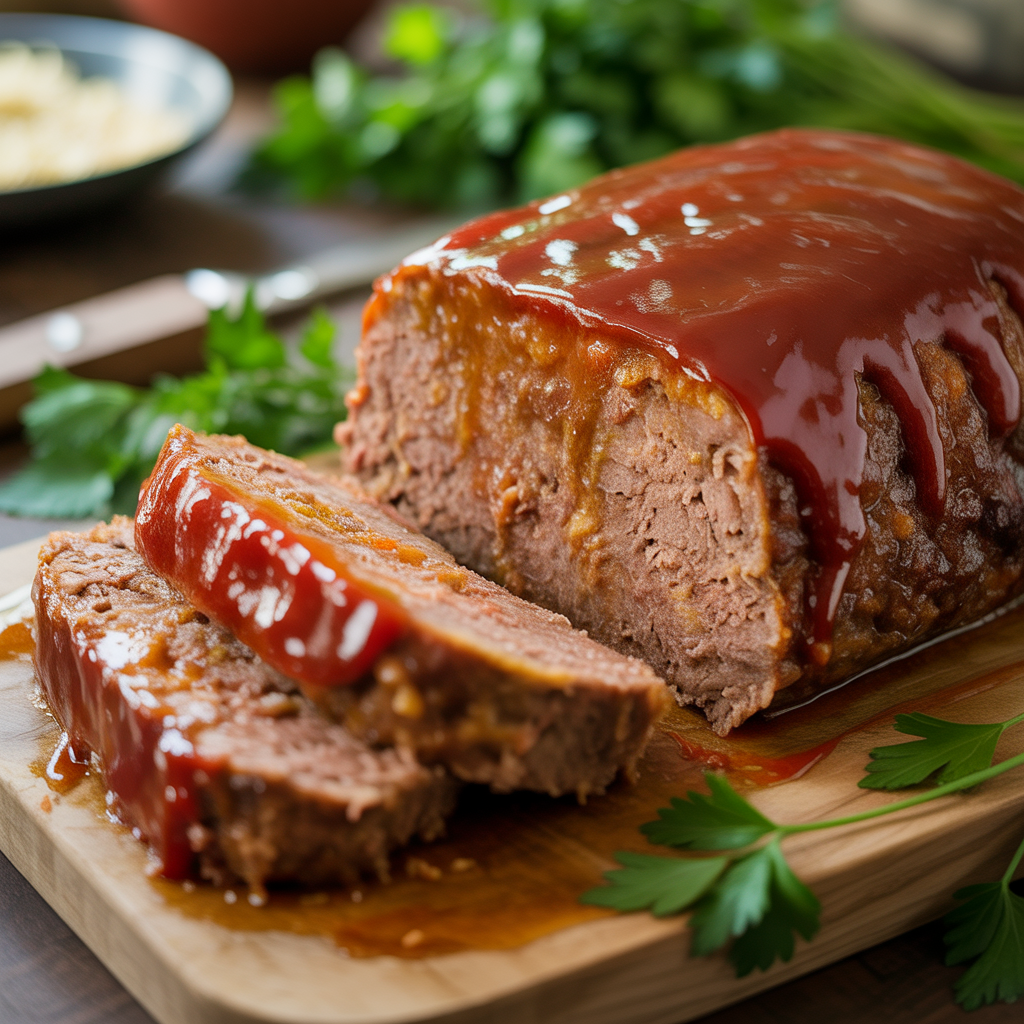
Meatloaf is one of the most beloved comfort foods, but many home cooks struggle with the same problems: dry, dense, or bland results. The good news is that making a juicy, flavorful meatloaf is entirely achievable with the right techniques, ingredients, and a little know-how. In this guide, we’ll walk you through every step to transform your meatloaf from ordinary to extraordinary.
Why Does Meatloaf Turn Out Dry or Bland?
Before diving into the tips, it’s worth understanding the most common mistakes that lead to disappointing meatloaf:
- Using too lean of a meat blend — Fat carries flavor and moisture.
- Overmixing the meat — This breaks down the proteins and creates a dense, rubbery texture.
- Skipping the binder — Without eggs and breadcrumbs, the loaf won’t hold together properly.
- Not adding enough aromatics — Meatloaf needs layers of flavor built in from the start.
- Overbaking — Cooking past the proper internal temperature dries out the loaf quickly.
Choosing the Right Meat
The foundation of a great meatloaf starts with the meat itself. Here are your best options:
The Classic 80/20 Ground Beef
An 80% lean / 20% fat ground beef is widely considered the gold standard for meatloaf. The fat content keeps it moist and rich without making it greasy. Avoid extra-lean beef (90/10 or higher) as it will almost always result in a dry loaf.
Meat Blends for Extra Flavor
Many chefs recommend using a blend of meats for a more complex flavor profile:
- Beef + Pork: Ground pork adds sweetness and fat. A 50/50 or 70/30 beef-to-pork ratio works beautifully.
- Beef + Veal: Veal adds tenderness and a mild flavor.
- Beef + Pork + Veal: The Italian-style “meatloaf mix” sold in many grocery stores combines all three for the ultimate result.
The Secret Weapons for Juiciness
1. Panade (Milk-Soaked Bread)
One of the most effective techniques for a moist meatloaf is using a panade — a mixture of bread and milk (or another liquid) that gets incorporated into the meat. The panade acts as a moisture reservoir, releasing liquid slowly as the meatloaf cooks and preventing it from drying out.
To make a panade:
- Tear 2–3 slices of white sandwich bread into small pieces.
- Pour about ⅓ cup of whole milk over the bread.
- Let it sit for 3–5 minutes until fully absorbed, then mash it into a paste before mixing it into your meat.
You can substitute the milk with heavy cream, buttermilk, or even beef broth for extra richness.
2. Don’t Skip the Eggs
Eggs serve as a binder AND contribute to moisture. Most recipes call for 1–2 large eggs per pound of meat. They help the loaf hold its shape while keeping the interior tender.
3. Add a Moisture Booster
Beyond the panade, consider adding one or more of the following to boost moisture:
- Worcestershire sauce — adds umami depth
- Sour cream or Greek yogurt — keeps the interior creamy
- Grated zucchini or carrot — vegetables release water as they cook
- Beef broth — adds flavor and moisture without fat
Building Deep, Rich Flavor
Sauté Your Aromatics First
Never add raw onions, garlic, or celery directly to your meatloaf mixture. Raw aromatics release too much water at once and can create steam pockets. Instead:
- Dice your onion finely (about 1 medium onion per 2 lbs of meat).
- Sauté in butter or olive oil over medium heat for 5–7 minutes until softened and slightly golden.
- Add minced garlic and cook for another 1–2 minutes.
- Let the mixture cool completely before adding it to the raw meat.
This process caramelizes the sugars in the onion and develops deeper, sweeter flavors that permeate the entire loaf.
The Flavor Lineup
Here are the flavor-builders you should consider including:
- Worcestershire sauce — 2 tablespoons for savory depth
- Dijon mustard — 1 tablespoon adds a subtle tang
- Tomato paste — 2 tablespoons for richness and umami
- Fresh thyme or Italian seasoning — for herbal complexity
- Smoked paprika — adds warmth and a hint of smokiness
- Salt and black pepper — don’t be shy; season generously
- Fresh parsley — brightens the flavor and adds color
The Perfect Glaze
A great glaze does two things: it adds a sticky, caramelized crust packed with flavor AND it helps protect the surface of the loaf from drying out during baking.
Classic Ketchup Glaze
Combine the following in a small bowl:
- ½ cup ketchup
- 2 tablespoons brown sugar
- 1 tablespoon apple cider vinegar
- 1 teaspoon Worcestershire sauce
Mix well and set aside. This glaze strikes the perfect balance of sweet, tangy, and savory.
Alternative Glazes to Try
- BBQ glaze: Use your favorite BBQ sauce straight or mixed with a bit of honey.
- Balsamic glaze: Balsamic vinegar reduced with brown sugar for a sophisticated twist.
- Mushroom and red wine glaze: For a rich, French-inspired variation.
Mixing Technique Matters
How you mix your meatloaf is just as important as what you put in it. Follow these rules:
- Use your hands (or a fork): A stand mixer or food processor will overmix and toughen the meat. Your hands give you the best control.
- Mix cold ingredients: Keep the meat cold until ready to mix. Cold fat emulsifies better and helps maintain moisture.
- Mix just until combined: Stop as soon as the ingredients are evenly distributed. Overmixing is the enemy of a tender meatloaf.
- Do a taste test: Cook a tiny ball of your mixture in a skillet and taste it before baking the whole loaf. Adjust seasoning as needed.
Shaping and Baking Tips
Loaf Pan vs. Free-Form
Both methods work, but they yield different results:
- Loaf pan: Keeps the loaf taller and moister because it steams slightly in its own juices. However, the sides won’t develop a crust.
- Free-form (on a rimmed baking sheet): Allows all sides to caramelize and develop a crust. It cooks slightly faster and gives more surface area for glaze. This is the preferred method for most meatloaf enthusiasts.
The Glaze Application Strategy
For the best results:
- Apply half of the glaze before placing the loaf in the oven.
- Bake for 45 minutes.
- Apply the remaining glaze and return to the oven for the final 15–20 minutes.
This two-stage glazing creates a deeper, more caramelized crust without burning.
Baking Temperature
Bake your meatloaf at 350°F (175°C). This low-and-slow approach allows the internal temperature to rise gradually without drying out the exterior. Higher temperatures cook the outside faster while leaving the inside undercooked, or worse, causing the meat to tighten up and squeeze out moisture.
How to Know When Meatloaf Is Done
The only reliable way to know your meatloaf is cooked through is to use an instant-read meat thermometer. Insert it into the thickest part of the loaf. You’re looking for:
- 160°F (71°C) — the safe internal temperature for ground beef and pork
Do not rely on cooking time alone, as the size and shape of your loaf will affect how long it takes. A 2-pound loaf typically takes 60–75 minutes at 350°F, but always verify with a thermometer.
The Crucial Resting Step
This is the step most people skip — and it makes a massive difference. Once your meatloaf is out of the oven:
- Tent it loosely with aluminum foil.
- Let it rest for 10–15 minutes before slicing.
During resting, the juices redistribute throughout the loaf. If you cut into it immediately, all those precious juices will run out onto the cutting board and you’ll end up with a dry slice. The wait is absolutely worth it.
Full Juicy Meatloaf Recipe
Now let’s put it all together with a complete, tested recipe:
Ingredients
For the Meatloaf:
- 1½ lbs ground beef (80/20)
- ½ lb ground pork
- 2 slices white sandwich bread, torn
- ⅓ cup whole milk
- 2 large eggs, lightly beaten
- 1 medium onion, finely diced and sautéed
- 3 cloves garlic, minced and sautéed with onion
- 2 tablespoons Worcestershire sauce
- 2 tablespoons tomato paste
- 1 tablespoon Dijon mustard
- 1 teaspoon smoked paprika
- 1 teaspoon Italian seasoning
- 1½ teaspoons kosher salt
- ½ teaspoon black pepper
- 2 tablespoons fresh parsley, chopped
For the Glaze:
- ½ cup ketchup
- 2 tablespoons brown sugar
- 1 tablespoon apple cider vinegar
- 1 teaspoon Worcestershire sauce
Instructions
- Preheat your oven to 350°F (175°C). Line a rimmed baking sheet with parchment paper or foil.
- In a small bowl, combine the torn bread and milk. Let it soak for 5 minutes, then mash into a paste.
- In a separate bowl, whisk together the glaze ingredients. Set aside.
- In a large bowl, combine the cooled sautéed onion and garlic, beaten eggs, Worcestershire sauce, tomato paste, Dijon mustard, smoked paprika, Italian seasoning, salt, pepper, parsley, and bread paste. Mix well.
- Add the ground beef and pork. Using your hands, gently mix until just combined. Do not overmix.
- Transfer the mixture to the prepared baking sheet and shape into a loaf approximately 9 inches long and 5 inches wide.
- Spread half the glaze evenly over the top and sides of the loaf.
- Bake for 45 minutes, then apply the remaining glaze.
- Continue baking for another 15–25 minutes, or until the internal temperature reaches 160°F (71°C).
- Remove from the oven, tent with foil, and rest for 10–15 minutes before slicing and serving.
Serving Suggestions
Meatloaf pairs wonderfully with classic comfort sides:
- Creamy mashed potatoes — the ultimate pairing
- Green beans or roasted broccoli — for a vegetable balance
- Buttered corn
- Dinner rolls — great for soaking up the pan juices
How to Store and Reheat Meatloaf
Storage
- Refrigerator: Store in an airtight container for up to 4 days.
- Freezer: Wrap individual slices tightly in plastic wrap, then foil. Freeze for up to 3 months.
Reheating Without Drying Out
- Oven method: Place slices in a baking dish, add a splash of beef broth, cover with foil, and heat at 300°F for 20–25 minutes.
- Microwave method: Place a slice on a microwave-safe plate, cover with a damp paper towel, and heat in 30-second intervals at 50% power.
Meatloaf Variations to Explore
Once you’ve mastered the classic, try these delicious twists:
- Stuffed Meatloaf: Press half the mixture into your pan, add a layer of sautéed mushrooms and mozzarella cheese, then top with the remaining meat mixture and seal the edges.
- Italian Meatloaf: Add sun-dried tomatoes, fresh basil, and parmesan cheese to the mixture. Top with a marinara sauce glaze.
- Turkey Meatloaf: Swap ground beef for ground turkey. Increase the fat content by adding olive oil and use chicken broth in the panade to compensate for the leaner meat.
- Bacon-Wrapped Meatloaf: Drape strips of bacon over the top before baking for a crispy, smoky crust that bastes the loaf as the fat renders.
Frequently Asked Questions
Can I make meatloaf ahead of time?
Yes! You can assemble the meatloaf (without the glaze), wrap it tightly in plastic wrap, and refrigerate it for up to 24 hours before baking. Add the glaze right before it goes in the oven. You can also fully bake it ahead of time and reheat as needed.
Why does my meatloaf fall apart?
This usually happens due to insufficient binder (not enough egg or breadcrumbs) or because the loaf was cut before resting. Make sure your panade and eggs are properly incorporated and always rest the loaf before slicing.
Should I cover meatloaf while baking?
You do not need to cover it. Leaving it uncovered allows the glaze to caramelize and the exterior to develop color. However, if you notice the top browning too quickly, you can loosely tent it with foil for part of the baking time.
What’s the best way to keep meatloaf from sticking?
Lining your baking sheet with parchment paper or aluminum foil is the easiest solution. If using a loaf pan, grease it lightly with cooking spray.
Final Tips for Meatloaf Success
- Always use a meat thermometer — guessing is the biggest cause of overcooked, dry meatloaf.
- Cold meat mixes better and holds shape more easily.
- Don’t skip sautéing the onions — raw onions are a common hidden cause of poor texture.
- The panade is non-negotiable if you want a juicy result.
- Rest the loaf every single time, no exceptions.
With these techniques in your arsenal, you’ll never have to settle for dry, bland meatloaf again. Whether you’re making it for a weeknight family dinner or a Sunday comfort meal, this guide gives you everything you need to create a moist, flavorful, and satisfying meatloaf that will have everyone asking for seconds.