
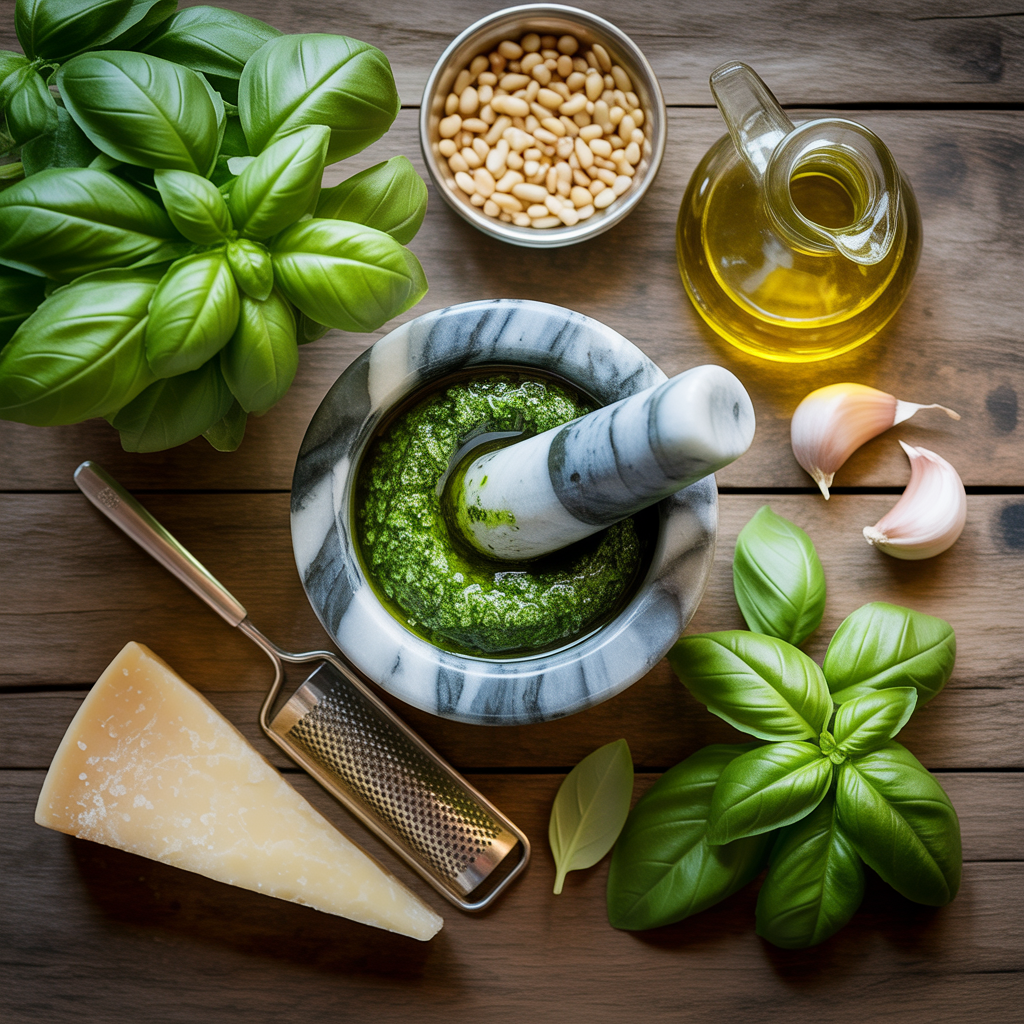
Fresh basil pesto is one of the most versatile and flavorful sauces you can make at home. With just a handful of simple ingredients and about 10 minutes of your time, you can create a vibrant, aromatic sauce that elevates pasta, sandwiches, pizza, and so much more. This guide will walk you through everything you need to know — from selecting the best ingredients to storing your pesto for maximum freshness.
What Is Basil Pesto?
Basil pesto, or pesto alla genovese, is a classic Italian sauce originating from Genoa in the Liguria region of Italy. The word “pesto” comes from the Italian verb pestare, meaning “to pound” or “to crush,” which refers to the traditional method of making the sauce using a mortar and pestle. At its core, traditional basil pesto is made from fresh basil leaves, Parmesan cheese, pine nuts, garlic, olive oil, and salt.
Why Make Pesto at Home?
Store-bought pesto can be convenient, but homemade pesto is in a completely different league. Here are some compelling reasons to make it yourself:
- Superior flavor: Fresh ingredients produce a brighter, more vibrant taste that jarred pesto simply cannot match.
- No preservatives: Homemade pesto contains no artificial additives or preservatives.
- Customizable: You can adjust the garlic, salt, cheese, and nut content to suit your preferences.
- Cost-effective: Making a large batch at home is often more economical than buying premium jarred pesto.
- Quick and easy: The entire process takes less than 15 minutes.
Ingredients You Will Need
To make a classic fresh basil pesto, gather the following ingredients:
- 2 cups (about 50g) fresh basil leaves — packed tightly, stems removed
- 1/2 cup (50g) freshly grated Parmesan cheese — Parmigiano-Reggiano is preferred
- 1/3 cup (45g) pine nuts — lightly toasted for deeper flavor
- 3 cloves garlic — peeled
- 1/2 cup (120ml) extra-virgin olive oil — good quality makes a big difference
- 1/2 teaspoon kosher salt — or to taste
- 1/4 teaspoon freshly ground black pepper — optional
- 1–2 teaspoons lemon juice — optional, but helps preserve color
Equipment Needed
You have two primary options for making pesto:
- Food processor or blender: The fastest and most convenient method for everyday home cooks.
- Mortar and pestle: The traditional method that yields a more textured, rustic pesto with a deeper, more complex flavor.
For most home cooks, a food processor is the practical choice. However, if you want to experience the authentic Genovese method, using a mortar and pestle is incredibly rewarding.
Step-by-Step Instructions
Step 1: Prepare Your Basil
Start by washing your fresh basil leaves thoroughly under cold water to remove any dirt or debris. Gently pat them dry with a clean kitchen towel or paper towels. It is important to dry them well because excess water will dilute the pesto and make it watery. Remove all thick stems, keeping only the tender leaves and very thin stems.
Step 2: Toast the Pine Nuts
Place the pine nuts in a dry skillet over medium-low heat. Toast them for 2–3 minutes, stirring frequently, until they are lightly golden and fragrant. Watch them carefully — pine nuts burn very quickly. Toasting the nuts is optional but highly recommended, as it brings out a rich, buttery flavor that significantly enhances the final sauce. Allow them to cool before using.
Step 3: Combine the Ingredients in a Food Processor
Add the basil leaves, toasted pine nuts, garlic cloves, and grated Parmesan cheese to the bowl of your food processor. Pulse the mixture several times until it becomes a coarse, crumbly paste. Scrape down the sides of the bowl with a spatula as needed to ensure even blending.
Step 4: Add the Olive Oil
With the food processor running on low speed, slowly drizzle in the extra-virgin olive oil through the feed tube. Adding the oil gradually allows it to emulsify properly with the other ingredients, creating a smoother, more cohesive sauce. Once all the oil has been incorporated, stop the processor and check the consistency. If you prefer a thinner pesto, add a little more olive oil or a tablespoon of pasta water.
Step 5: Season and Adjust
Taste the pesto and season with salt and black pepper. If you are using lemon juice, add it now — it brightens the flavor and helps the pesto maintain its vibrant green color by slightly slowing oxidation. Pulse once or twice more to combine everything. Do not over-process the pesto; it should retain some texture rather than being completely smooth.
Step 6: Final Consistency Check
Your finished pesto should be thick but spreadable, with a deep green color and a rich, herbaceous aroma. If it looks too thick, add a tablespoon of olive oil or warm water and stir to loosen it up. If it seems too thin, add a little more Parmesan cheese and pulse briefly.
Traditional Mortar and Pestle Method
If you want to make pesto the traditional Italian way, follow these steps:
- Begin by crushing the garlic cloves with a pinch of salt in the mortar until a smooth paste forms.
- Add the pine nuts and pound them into the garlic paste until roughly broken down.
- Add the basil leaves in batches, using a circular grinding motion to bruise and crush them into the mixture. This technique releases the essential oils in the basil more gently than a blade, resulting in a more nuanced flavor.
- Work in the grated Parmesan cheese, stirring and folding it into the paste.
- Finally, drizzle in the olive oil while stirring continuously until fully incorporated.
The mortar and pestle method takes more effort and time, but many pesto enthusiasts swear by its superior taste and texture.
Tips for the Best Homemade Basil Pesto
- Use the freshest basil possible: Look for bright green leaves with no black spots or wilting. Farmers market basil is often far superior to supermarket basil.
- Choose high-quality olive oil: Since olive oil is a primary ingredient, its flavor matters. Use a good extra-virgin olive oil with a mild, fruity flavor.
- Use Parmigiano-Reggiano: Authentic Parmesan from Italy has a complex, nutty flavor that pre-grated cheese simply cannot replicate.
- Do not over-blend: Over-processing heats up the basil and causes it to turn dark and bitter. Pulse in short bursts to keep the temperature down.
- Blanch the basil (optional): For a more stable, vivid green color, briefly blanch the basil leaves in boiling water for 10–15 seconds, then immediately transfer to an ice bath. Squeeze out excess water and proceed with the recipe. This technique helps the pesto stay green longer.
- Add pasta water when serving: If using pesto with pasta, always reserve a cup of starchy pasta water. Adding a splash loosens the pesto and helps it coat the pasta evenly.
Ingredient Substitutions and Variations
One of the best things about homemade pesto is how easily you can adapt it. Here are some popular variations:
Nut Substitutions
- Walnuts: A widely available and more affordable alternative with a slightly earthier flavor.
- Almonds: Blanched almonds create a milder, slightly sweet pesto.
- Cashews: Produces a creamier texture with a buttery flavor.
- Pumpkin seeds (pepitas): A great nut-free option that is allergy-friendly.
- Sunflower seeds: Another excellent nut-free alternative.
Cheese Substitutions
- Pecorino Romano: A saltier, sharper alternative to Parmesan. Often used in authentic Genovese pesto alongside Parmesan.
- Nutritional yeast: A dairy-free option that mimics the savory, cheesy flavor for vegan pesto.
- Asiago or Grana Padano: Good substitutes with similar flavor profiles to Parmesan.
Herb Variations
- Arugula pesto: Swap out some or all of the basil for peppery arugula.
- Spinach pesto: Mild and mild-flavored, great for those who find basil too strong.
- Kale pesto: A nutrient-dense variation with a more robust flavor.
- Mint pesto: A refreshing twist, great with lamb dishes or spring vegetables.
How to Store Homemade Basil Pesto
Proper storage is key to keeping your pesto fresh and flavorful. Here are the best methods:
Refrigerator Storage
Transfer the pesto to an airtight container or glass jar. Pour a thin layer of olive oil over the surface of the pesto before sealing. This creates an oxygen barrier that helps prevent oxidation and browning. Store in the refrigerator for up to 5–7 days. The top layer may still darken slightly, but the flavor remains excellent — simply stir it in before using.
Freezer Storage
Basil pesto freezes beautifully and can be stored for up to 3 months. Here are two convenient freezing methods:
- Ice cube tray method: Spoon the pesto into ice cube trays and freeze until solid. Transfer the frozen pesto cubes to a resealable freezer bag. This allows you to thaw only as much as you need at one time.
- Jar method: Freeze pesto in small airtight jars or containers, leaving a little space at the top for expansion.
To use frozen pesto, simply place the cubes or container in the refrigerator overnight to thaw, or let them sit at room temperature for 30 minutes. Do not microwave pesto to thaw, as heat destroys the fresh basil flavor.
How to Use Fresh Basil Pesto
Homemade pesto is incredibly versatile. Here are some delicious ways to use it:
- Classic pesto pasta: Toss cooked pasta with pesto and a splash of pasta water for a quick weeknight dinner.
- Pizza sauce: Use pesto as a base sauce instead of tomato sauce for a flavorful white pizza.
- Spread for sandwiches and wraps: Slather pesto on bread or tortillas before layering with your favorite fillings.
- Dipping sauce: Serve alongside crusty bread, crudités, or grilled meats.
- Salad dressing: Whisk pesto with a little red wine vinegar and extra olive oil for a quick dressing.
- Soup garnish: Swirl a spoonful into minestrone or tomato soup just before serving.
- Marinade: Use pesto as a marinade for chicken, shrimp, or vegetables before grilling or roasting.
- Egg dishes: Stir pesto into scrambled eggs or dollop it onto a frittata.
- Bruschetta topping: Spread on toasted bread and top with sliced tomatoes and fresh mozzarella.
- Stuffed chicken or fish: Use pesto as a filling or topping for baked chicken breasts or fish fillets.
Nutritional Information (Per 2-Tablespoon Serving)
While exact values vary depending on your specific ingredients and quantities, a typical serving of homemade basil pesto contains approximately:
- Calories: 180–200 kcal
- Fat: 18–20g (mostly healthy monounsaturated fats from olive oil)
- Protein: 3–4g
- Carbohydrates: 1–2g
- Fiber: 0.5g
Pesto is rich in healthy fats, antioxidants from fresh basil, and calcium from Parmesan cheese. It is naturally low in carbohydrates, making it a great option for low-carb and keto diets when used in moderation.
Common Mistakes to Avoid
- Using dried basil: Dried basil will not work for pesto. Always use fresh basil leaves.
- Skipping the salt: Salt enhances every other flavor in the sauce. Do not skip it.
- Over-processing: Running the food processor continuously generates heat and turns the basil dark and bitter. Always pulse in short bursts.
- Using low-quality olive oil: Poor-quality olive oil can make the pesto taste flat or even slightly unpleasant. Invest in a good bottle.
- Not tasting as you go: Pesto is a very forgiving sauce, but it requires your taste buds to get the balance of salt, garlic, cheese, and oil just right.
Frequently Asked Questions
Can I make pesto without a food processor?
Yes! You can use a blender, an immersion blender, or a mortar and pestle. A sharp knife can also be used to finely chop all the ingredients by hand, though the texture will be chunkier and more rustic.
Why did my pesto turn dark?
Oxidation is the main culprit. Basil turns dark when exposed to air. To minimize browning, add a layer of olive oil over the surface before storing, add a small amount of lemon juice to the recipe, or blanch the basil leaves briefly before making the pesto.
Can I make pesto without Parmesan?
Absolutely. For a vegan version, use nutritional yeast as a substitute. You can also simply leave out the cheese for a lighter sauce, though it will be less rich and complex in flavor.
Is basil pesto gluten-free?
Yes, traditional basil pesto made with the ingredients listed above is naturally gluten-free. However, always check the labels on store-bought cheese and other ingredients to ensure there is no cross-contamination.
How much pesto does this recipe make?
This recipe yields approximately 1 cup (about 240ml) of pesto, which is enough to sauce pasta for 4 people or to use as a spread for multiple sandwiches.
Quick Summary Recipe Card
Prep Time: 10 minutes | Cook Time: 3 minutes (for toasting nuts) | Total Time: 13 minutes | Yield: ~1 cup
- Wash and dry 2 cups of fresh basil leaves.
- Toast 1/3 cup pine nuts in a dry pan until golden.
- Add basil, pine nuts, 3 garlic cloves, and 1/2 cup Parmesan to a food processor.
- Pulse until coarsely blended.
- Slowly drizzle in 1/2 cup olive oil while processing on low.
- Season with salt, pepper, and optional lemon juice.
- Taste, adjust, and serve or store.
Making fresh basil pesto at home is one of those simple kitchen skills that will reward you again and again. Once you taste the difference between homemade and store-bought, there is no going back. With fresh, high-quality ingredients and just a few minutes of effort, you will have a brilliant, verdant sauce that transforms ordinary meals into something truly special. Give it a try — your taste buds will thank you.