
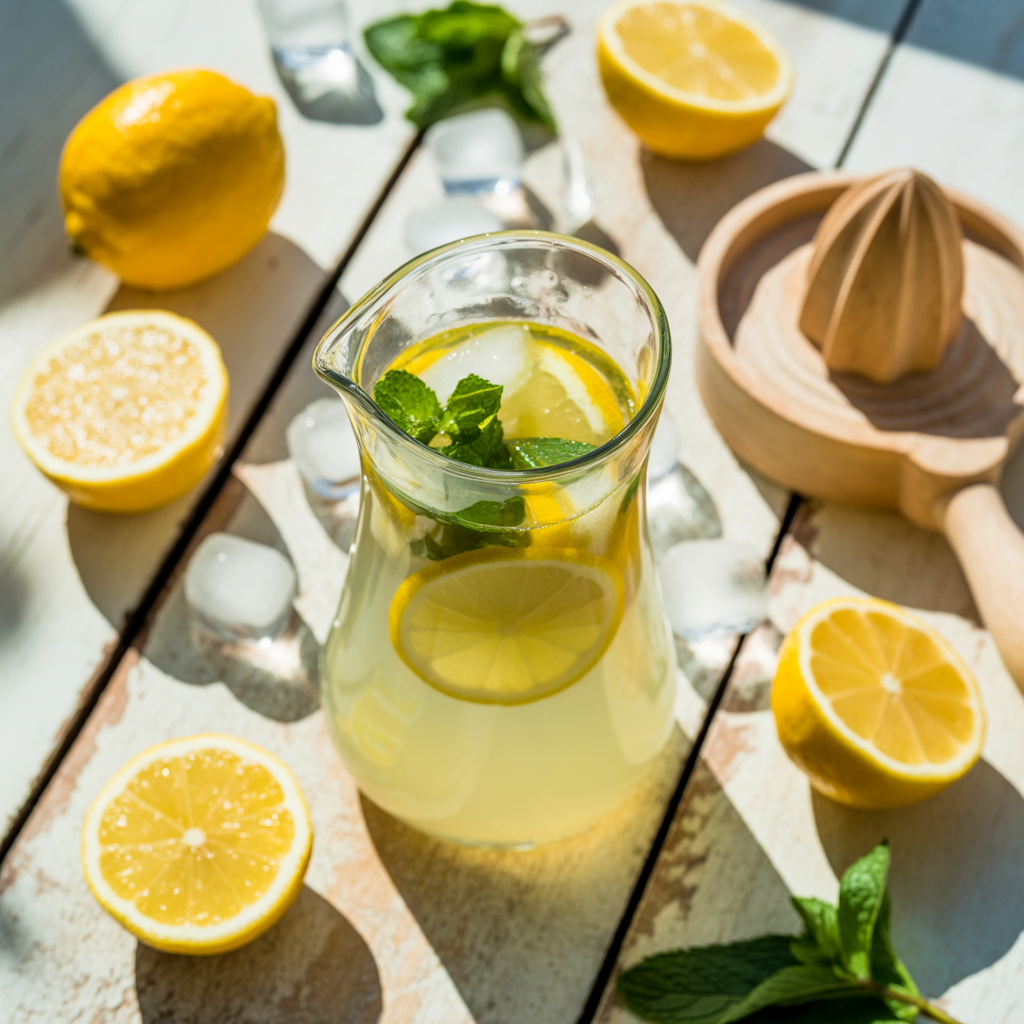
There’s nothing quite like a tall glass of homemade lemonade on a hot day. Fresh, sweet, and bursting with citrus flavor, a well-made lemonade can be the perfect refreshing drink for any occasion. Whether you’re hosting a backyard party, relaxing on the porch, or simply craving something cold and tangy, this guide will walk you through everything you need to know to make the best homemade lemonade from scratch.
Why Homemade Lemonade Is Better Than Store-Bought
Store-bought lemonade often contains artificial flavors, preservatives, and excessive amounts of processed sugar. When you make lemonade at home, you get full control over the ingredients — the freshness of the lemons, the type of sweetener, and the level of tartness. Homemade lemonade is:
- Fresher – Made with real lemons, not artificial flavoring
- Healthier – No preservatives or artificial additives
- Customizable – Adjust sweetness and tartness to your liking
- More Economical – A few lemons go a long way
Ingredients You Will Need
To make a classic pitcher of fresh lemonade (about 6–8 servings), gather the following ingredients:
- 1 cup freshly squeezed lemon juice (approximately 4–6 lemons)
- 1 cup granulated sugar (or to taste)
- 1 cup water (for the simple syrup)
- 3–4 cups cold water (to dilute)
- Ice cubes
- Lemon slices and fresh mint for garnish (optional)
Step-by-Step Instructions to Make Fresh Lemonade
Step 1: Make the Simple Syrup
The secret to smooth, evenly sweet lemonade is using a simple syrup instead of plain sugar. Sugar granules don’t dissolve well in cold water, which can leave your lemonade grainy and unevenly sweetened.
- Combine 1 cup of sugar and 1 cup of water in a small saucepan.
- Heat over medium heat, stirring occasionally, until the sugar is completely dissolved.
- Remove from heat and let the syrup cool to room temperature. You can speed this up by placing it in the refrigerator.
Pro Tip: You can make a large batch of simple syrup ahead of time and store it in a sealed jar in the refrigerator for up to 2–3 weeks.
Step 2: Juice the Lemons
Fresh lemon juice is the soul of a great lemonade. Here’s how to get the most juice out of your lemons:
- Roll each lemon firmly on a hard surface before cutting — this breaks down the internal membranes and releases more juice.
- Cut the lemons in half crosswise.
- Use a citrus juicer or reamer to extract the juice. Squeeze firmly and rotate the lemon to get every drop.
- Strain the juice through a fine mesh strainer to remove seeds and pulp (or leave the pulp in if you prefer a more rustic texture).
- Measure out 1 cup of fresh lemon juice.
How many lemons do you need? On average, one medium lemon yields about 2–3 tablespoons of juice. For 1 cup of juice, you’ll need approximately 4–6 lemons depending on their size and ripeness.
Step 3: Mix the Lemonade
- In a large pitcher, combine the fresh lemon juice and the cooled simple syrup.
- Add 3 to 4 cups of cold water. Start with 3 cups and taste — add more water if you want it less tart or sweeter.
- Stir everything together until well combined.
- Taste and adjust: Add more lemon juice for extra tartness, more simple syrup for more sweetness, or more water to dilute.
Step 4: Chill and Serve
- Place the pitcher in the refrigerator for at least 30 minutes to chill thoroughly, or serve immediately over a generous amount of ice.
- Pour into tall glasses filled with ice cubes.
- Garnish with a slice of lemon, a sprig of fresh mint, or even a few fresh berries for a colorful touch.
Tips for the Perfect Lemonade Every Time
- Use ripe, fresh lemons: Bright yellow, firm lemons that feel heavy for their size will yield the most juice and the best flavor.
- Don’t skip the simple syrup: This step is crucial for a smooth, well-balanced drink.
- Balance is key: Great lemonade is a perfect balance of tart, sweet, and refreshing. Don’t be afraid to adjust and taste as you go.
- Chill your pitcher: Serving lemonade cold is essential. A chilled pitcher keeps it refreshing longer.
- Use filtered water: If your tap water has a strong taste or odor, use filtered water for a cleaner-tasting lemonade.
Fun Variations to Try
Once you’ve mastered the classic recipe, you can experiment with a wide range of delicious variations:
Strawberry Lemonade
Blend 1 cup of fresh strawberries and strain the puree. Add it to your classic lemonade for a beautiful pink color and sweet berry flavor. This is a crowd-pleasing favorite for parties and summer gatherings.
Sparkling Lemonade
Replace the cold water with sparkling water or club soda for a fizzy, bubbly twist on the classic. Add the sparkling water just before serving to maintain the carbonation.
Lavender Lemonade
Infuse your simple syrup with dried culinary lavender. Add 2 tablespoons of dried lavender to the sugar and water mixture as it heats, then strain before using. The result is a fragrant, elegant lemonade perfect for afternoon gatherings.
Mint Lemonade
Muddle a handful of fresh mint leaves in the pitcher before adding the lemon juice and syrup. This adds a cool, herbal note that makes the drink even more refreshing.
Honey Lemonade
Swap out granulated sugar for raw honey. Make a honey syrup by combining equal parts honey and warm water until the honey dissolves. This creates a lemonade with a richer, more complex sweetness and added nutritional benefits.
Ginger Lemonade
Add freshly grated ginger or ginger syrup to your lemonade for a spicy, warming kick. This combination is both invigorating and great for digestion.
How to Make Lemonade for a Crowd
If you’re making lemonade for a large party or event, simply scale up the recipe. Here’s a quick guide for a larger batch:
- For 12–15 servings: Use 2 cups lemon juice, 2 cups simple syrup, and 6–8 cups cold water.
- For 20+ servings: Triple the recipe and serve in a large drink dispenser for easy self-service.
You can prepare the simple syrup and squeeze the lemons a day ahead. Keep them refrigerated separately and combine everything just before serving to ensure maximum freshness.
How to Store Leftover Lemonade
Leftover lemonade can be stored in a sealed pitcher or airtight container in the refrigerator for up to 5–7 days. The flavor is best within the first 2–3 days. Give it a stir before serving, as some separation may occur.
You can also freeze lemonade in ice cube trays and use the frozen cubes in future drinks — this prevents dilution as the ice melts!
Nutritional Information (Per Serving)
Based on the classic recipe with granulated sugar (approximately 1 cup per batch of 8 servings):
- Calories: ~100–120 kcal
- Total Carbohydrates: ~27g
- Sugar: ~25g
- Vitamin C: High (from fresh lemon juice)
- Fat: 0g
To reduce calories, you can use a natural sweetener like stevia, erythritol, or reduce the amount of sugar used.
Health Benefits of Fresh Lemonade
Beyond being delicious, fresh lemonade made with real lemons offers several health benefits:
- Rich in Vitamin C: Lemons are an excellent source of Vitamin C, which supports immune function and skin health.
- Aids Digestion: The citric acid in lemon juice can help stimulate digestive enzymes.
- Hydration: Lemonade encourages you to drink more fluids, helping you stay hydrated.
- Antioxidants: Lemons contain flavonoids and other antioxidants that may help reduce inflammation.
Frequently Asked Questions
Can I use bottled lemon juice instead of fresh?
You can, but it’s not recommended. Bottled lemon juice often has a muted, slightly bitter flavor compared to fresh-squeezed lemons. For the best-tasting lemonade, always use fresh lemons.
How do I make lemonade less sweet?
Simply reduce the amount of simple syrup you add. Start with half the amount and taste before adding more. You can also increase the amount of water or lemon juice to balance out the sweetness.
Can I make lemonade without sugar?
Yes! You can use natural sugar alternatives such as honey, agave nectar, stevia, or monk fruit sweetener. Each will give the lemonade a slightly different flavor profile, so experiment to find what you like best.
Why does my lemonade taste bitter?
Bitterness can come from squeezing the lemon too hard and extracting juice from the white pith, or from using over-ripened lemons. Make sure to only squeeze the flesh, not the rind, and use fresh, ripe lemons.
Can I make lemonade ahead of time?
Absolutely. You can make lemonade up to 24 hours in advance and store it in the refrigerator. In fact, letting it sit overnight can allow the flavors to meld beautifully.
Final Thoughts
Making fresh, sweet, and refreshing lemonade at home is simple, satisfying, and far superior to anything from a bottle or powder mix. With just a handful of ingredients — fresh lemons, sugar, and water — you can create a drink that is bright, balanced, and perfect for any occasion. Whether you stick with the classic recipe or branch out with a fun variation, homemade lemonade is guaranteed to impress and refresh. So grab your lemons, roll up your sleeves, and get squeezing!