
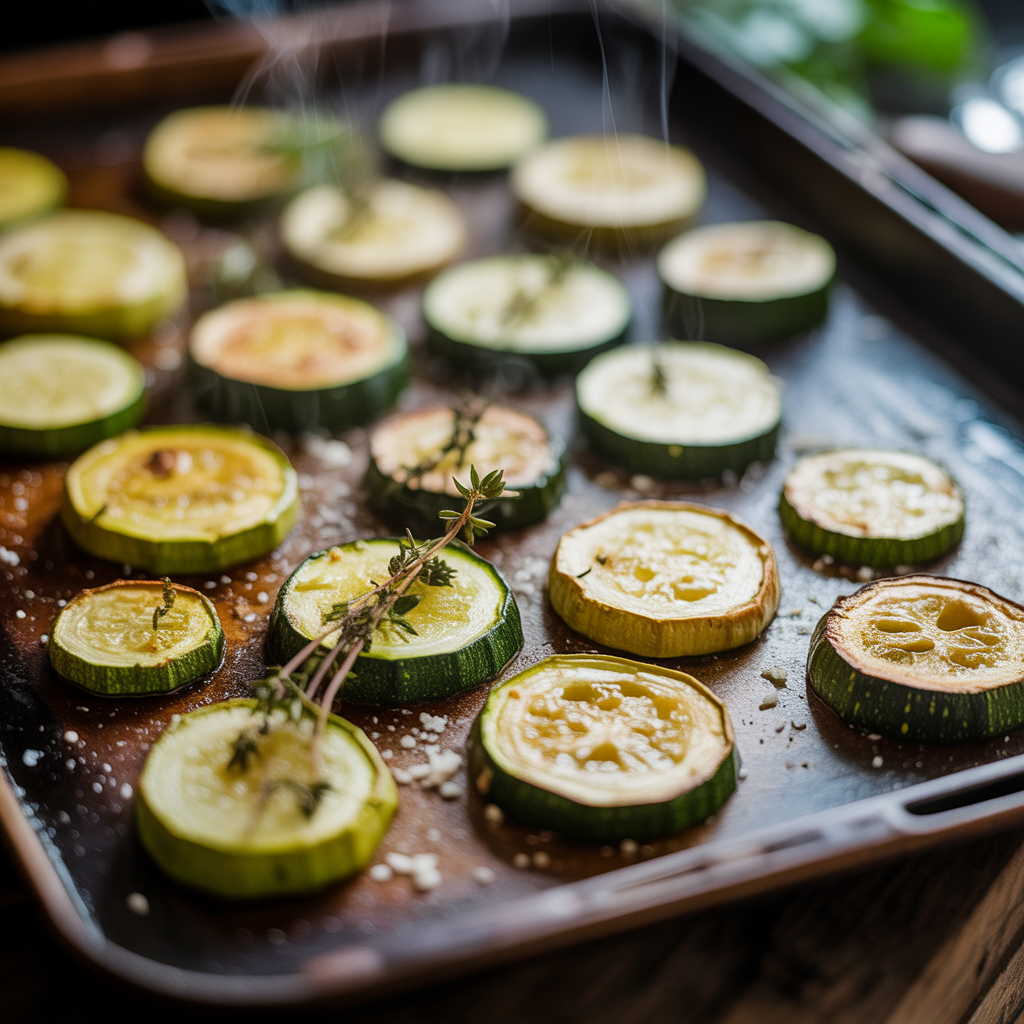
Zucchini is one of the most versatile vegetables in the kitchen — it’s mild in flavor, quick to cook, and pairs well with almost everything. But if you’ve ever ended up with a watery, mushy mess on your plate, you know the frustration. The good news? Soggy zucchini is completely avoidable. In this guide, you’ll learn exactly how to cook zucchini without making it soggy, using proven techniques that deliver perfectly tender, golden, and flavorful results every single time.
Why Does Zucchini Get Soggy?
Before diving into the solutions, it helps to understand the problem. Zucchini is made up of over 94% water. When heat is applied, that water is released. If it has nowhere to go — or if the cooking method traps steam — you end up with soft, waterlogged zucchini instead of a crisp, caramelized vegetable.
The main culprits behind soggy zucchini include:
- Overcrowding the pan — too many pieces trap steam instead of allowing evaporation
- Cooking at too low a temperature — the zucchini steams rather than sears
- Not salting and draining beforehand — skipping this step leaves excess moisture inside
- Cutting pieces too thin or too small — they release moisture faster and collapse quickly
- Using the wrong cooking method — some methods are naturally better for zucchini than others
Step 1: Start With the Right Zucchini
Choosing the right zucchini from the start makes a significant difference. Here’s what to look for:
- Pick smaller to medium-sized zucchini — they have fewer seeds and less water content than large ones
- Avoid oversized zucchini that are over 8 inches long — these tend to be seedy, spongy, and very watery
- Look for firm skin with no soft spots or wrinkles
- Fresh zucchini should feel heavy for its size
Step 2: Cut Zucchini the Right Way
How you slice your zucchini affects how it cooks. There are several options depending on your cooking method:
- Rounds (½ inch thick) — great for sautéing and pan-frying
- Half-moons — ideal for roasting or stir-fries
- Planks or lengthwise slices — perfect for grilling
- Spears or wedges — excellent for roasting at high heat
- Julienned or spiralized — works well for quick sautés or raw preparations
Key tip: Never cut zucchini too thin (under ¼ inch). Thin slices release moisture almost instantly when they hit the heat and turn mushy before they can develop any color.
Step 3: Salt and Drain Zucchini Before Cooking
This is one of the most effective tricks professionals use. Salting draws out excess moisture through a process called osmosis, giving you drier zucchini that sears instead of steams.
How to Salt and Drain Zucchini:
- Cut your zucchini into your desired shape
- Place the pieces in a colander over a bowl or in the sink
- Sprinkle generously with kosher salt (about ½ teaspoon per medium zucchini)
- Toss to coat evenly
- Let it sit for 10 to 30 minutes — you’ll see water pooling at the bottom of the bowl
- Pat the zucchini thoroughly dry with paper towels before cooking
Note: Because you’re adding salt during this step, use less salt when seasoning during cooking to avoid an overly salty dish.
Step 4: Make Sure Zucchini Is Completely Dry
Whether or not you salt your zucchini, always make sure it is as dry as possible before it touches a hot pan or oven. Any surface moisture will create steam immediately upon contact with heat, preventing browning.
Use paper towels or a clean kitchen towel to pat each piece dry. This simple step dramatically improves your results.
Best Cooking Methods for Non-Soggy Zucchini
Method 1: High-Heat Roasting
Roasting zucchini in the oven at high heat is one of the best methods for achieving caramelized, tender pieces without sogginess.
How to Roast Zucchini Properly:
- Preheat your oven to 425°F to 450°F (220°C to 230°C)
- Salt and dry your zucchini (see Step 3)
- Toss with a light coating of olive oil — don’t over-oil, as excess oil traps steam
- Spread the pieces in a single layer on a baking sheet with space between each piece
- Use a wire rack on top of the baking sheet for even better airflow if available
- Roast for 15 to 25 minutes, flipping halfway through
- Do not cover the pan — leave it fully exposed to dry oven heat
Pro tip: If you’re roasting a large batch, use two baking sheets rather than crowding one. Crowding is the number one enemy of crispy roasted vegetables.
Method 2: High-Heat Sautéing
Sautéed zucchini can be incredibly delicious when done correctly — golden on the outside, just tender on the inside.
How to Sauté Zucchini Without It Getting Soggy:
- Salt and thoroughly dry your zucchini
- Heat a large skillet (cast iron or stainless steel works best) over medium-high to high heat
- Add a thin layer of oil with a high smoke point (avocado oil, grapeseed oil, or refined olive oil)
- Once the oil is shimmering and hot, add zucchini in a single layer
- Do not stir or move the zucchini for the first 2 to 3 minutes — let it develop a sear
- Flip and cook the other side for another 2 minutes
- Season at the end of cooking
Important: Work in batches if necessary. Adding too much zucchini to the pan at once drops the temperature significantly, causing the vegetable to release steam instead of searing.
Method 3: Grilling
Grilling is arguably the best method for zucchini. The intense direct heat sears the exterior quickly, while the open grates allow moisture to escape freely.
How to Grill Zucchini:
- Cut zucchini lengthwise into planks (about ⅓ to ½ inch thick) or into long spears
- Salt lightly and pat dry
- Brush with olive oil on both sides
- Preheat grill to medium-high heat
- Grill for 3 to 4 minutes per side until grill marks appear and zucchini is just tender
- Remove promptly — overcooked grilled zucchini will still become soggy
Method 4: Air Frying
The air fryer is an excellent tool for cooking zucchini because it circulates very hot, dry air all around the food, mimicking deep frying without the oil.
How to Air Fry Zucchini:
- Salt and dry your zucchini thoroughly
- Toss with a small amount of oil and desired seasonings
- Arrange in a single layer in the air fryer basket — do not overcrowd
- Cook at 400°F (200°C) for 8 to 12 minutes, shaking the basket halfway through
Method 5: Pan-Frying With a Light Coating
Giving zucchini a light coating of flour, breadcrumbs, or Parmesan before pan-frying creates a barrier that locks in moisture on the inside while creating a crispy shell on the outside.
Simple Breaded Zucchini:
- Slice zucchini into rounds (½ inch thick)
- Salt and pat dry
- Dredge lightly in flour or a mixture of breadcrumbs and Parmesan
- Pan-fry in hot oil until golden brown on both sides
- Drain on a wire rack (not paper towels, which can trap steam underneath)
Cooking Methods to Avoid (Or Use Carefully)
Some cooking methods are more likely to produce soggy zucchini and should be used with extra caution:
- Steaming — by definition, this method adds moisture. If you must steam, keep the time very short (2 to 3 minutes) and serve immediately
- Boiling — zucchini absorbs water when boiled and becomes mushy very quickly
- Microwaving — traps steam inside; if you use this method, leave uncovered and cook in short intervals
- Slow cooking — the long cooking time and enclosed environment cause zucchini to completely break down; add it only in the last 30 minutes of slow cooker recipes
Additional Tips for Perfect Zucchini Every Time
Don’t Cook It Too Long
Zucchini cooks fast. Unlike carrots or potatoes, it doesn’t need prolonged heat. Watch it closely and remove it from heat as soon as it reaches your desired tenderness. Overcooked zucchini will always be mushy, regardless of your technique.
Add It Last in Mixed Dishes
When cooking stews, soups, stir-fries, or pasta dishes, always add zucchini near the end of the cooking process. Adding it too early means it sits in liquid or steam for too long and turns to mush.
Use High Smoke Point Oils
For high-heat methods, choose oils that can handle the temperature without burning. Good options include:
- Avocado oil
- Refined coconut oil
- Grapeseed oil
- Refined olive oil or light olive oil
Avoid extra virgin olive oil for very high-heat cooking, as it can burn and impart a bitter flavor.
Season After Cooking When Possible
Adding salt during cooking (beyond the pre-salting stage) draws out more moisture from the vegetable. Season lightly during cooking and adjust at the end for the best texture.
Serve Immediately
Even perfectly cooked zucchini will eventually release moisture as it sits. For the best texture, serve it right off the heat. If you must hold it, keep it uncovered on a wire rack in a warm oven.
Flavor Combinations That Work Great With Zucchini
Once you’ve mastered the texture, here are some delicious flavor pairings to elevate your zucchini dishes:
- Garlic + Parmesan + lemon zest — classic Italian-style sautéed zucchini
- Olive oil + fresh herbs (basil, thyme, oregano) + feta — Mediterranean roasted zucchini
- Soy sauce + sesame oil + ginger — Asian-inspired stir-fried zucchini
- Chili flakes + lime + cotija cheese — Mexican-style grilled zucchini
- Brown butter + fresh thyme — rich and nutty sautéed zucchini
Common Mistakes to Avoid
- Skipping the drying step — even a small amount of surface moisture leads to steaming instead of searing
- Using a cold pan — always preheat your pan fully before adding zucchini
- Stirring too frequently — give the zucchini time to develop a sear before moving it
- Using too much oil — oil creates moisture around the zucchini; use just enough to coat
- Crowding the cooking surface — this is the single most common mistake; always cook in a single, uncrowded layer
- Covering the pan — a lid traps all the steam that should be escaping
Quick Summary: Key Rules for Non-Soggy Zucchini
- Choose small to medium zucchini with fewer seeds
- Cut into pieces that are at least ¼ inch thick
- Salt and drain for 10 to 30 minutes, then pat completely dry
- Cook at high heat
- Never overcrowd the pan or baking sheet
- Don’t cover during cooking
- Cook quickly — don’t overdo it
- Serve right away
Final Thoughts
Cooking zucchini perfectly is all about controlling moisture and heat. Once you understand why zucchini gets soggy, the solutions are simple and easy to implement. Whether you prefer roasting, grilling, sautéing, or air frying, applying these techniques will transform your zucchini dishes from watery disappointments into caramelized, flavorful, and satisfying results. Give these tips a try the next time you cook with this beautiful summer vegetable — you’ll never go back to soggy zucchini again.