
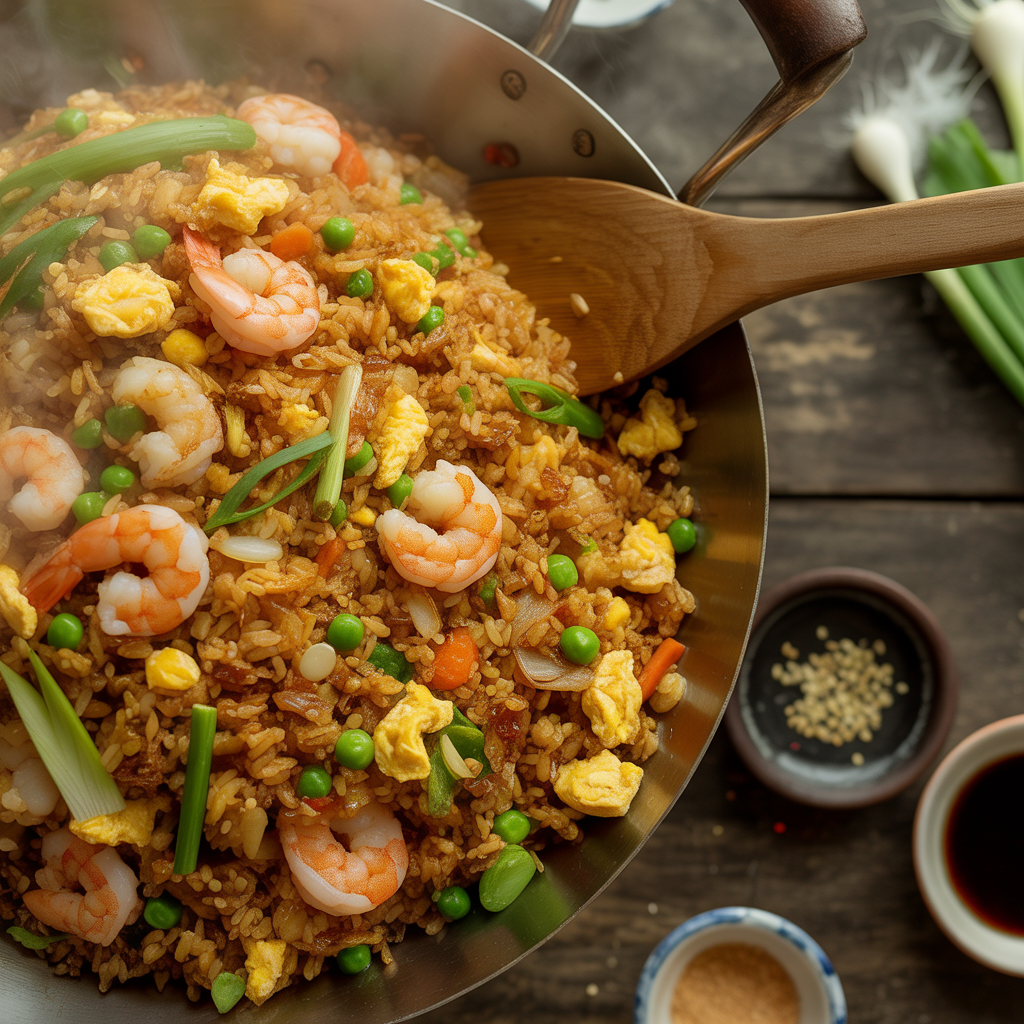
If you’ve ever wondered why your homemade fried rice never quite matches the smoky, savory perfection from your favorite Chinese takeout spot, you’re not alone. The good news? With the right techniques, ingredients, and a bit of know-how, you can absolutely recreate that restaurant-quality fried rice right in your own kitchen. This guide covers everything you need to know — from choosing the right rice to nailing that elusive “wok hei” flavor.
Why Takeout Fried Rice Tastes Different (And How to Fix It)
The secret behind restaurant-style fried rice comes down to a few key factors that most home cooks overlook:
- High heat: Restaurant woks reach temperatures of 1,200°F or more. Home stoves can’t compete, but you can get close.
- Day-old rice: Freshly cooked rice is too moist and clumps together. Cold, day-old rice has less moisture and fries instead of steams.
- The right fats: Most takeout restaurants use a combination of oils and sometimes lard for richness.
- Seasoning balance: The blend of soy sauce, oyster sauce, and sesame oil creates that signature umami depth.
- Wok technique: Constant tossing and movement over high heat creates texture and flavor that a slow stir simply cannot replicate.
Ingredients You’ll Need
Great fried rice starts with quality ingredients. Here’s what you need to serve 3–4 people:
The Rice Base
- 3 cups cooked long-grain white rice (preferably day-old or refrigerated overnight)
- Jasmine rice is highly recommended for its slightly floral aroma and firm texture
Proteins (Choose One or Combine)
- 2 large eggs, beaten
- ½ lb (225g) shrimp, peeled and deveined
- ½ lb (225g) chicken breast or thigh, diced small
- ½ lb (225g) pork or beef, thinly sliced
- Tofu for a vegetarian option
Vegetables
- ½ cup frozen peas and carrots, thawed
- 3–4 green onions (scallions), sliced
- ½ cup white or yellow onion, finely diced
- Optional: corn, bean sprouts, mushrooms, or bell peppers
The Sauce Mixture
- 3 tablespoons soy sauce (low-sodium preferred)
- 1 tablespoon oyster sauce
- 1 teaspoon dark soy sauce (for color)
- 1 teaspoon sesame oil (added at the end)
- ½ teaspoon white pepper (a key takeout ingredient many people miss)
- ½ teaspoon sugar (optional, but balances the salt)
Cooking Fats
- 2–3 tablespoons neutral oil (vegetable, canola, or avocado oil)
- 1 tablespoon butter (the secret weapon for richness)
Aromatics
- 3–4 cloves garlic, minced
- 1 teaspoon fresh ginger, minced (optional but recommended)
Essential Equipment
You don’t need a commercial wok, but having the right tools makes a big difference:
- Large wok or skillet: A carbon steel wok is ideal. If you don’t have one, a large 12-inch cast iron skillet or stainless steel pan works well. Avoid nonstick pans — they can’t handle the high heat you need.
- Wok spatula or wide flat spatula: For quick tossing and scraping.
- High-BTU burner: If possible, use the most powerful burner on your stove.
Step-by-Step Instructions
Step 1: Prepare Your Rice Properly
This is the most important step. Use rice that has been cooked and refrigerated for at least 8 hours or overnight. Spread it out on a baking sheet if it’s clumpy, and use your hands to break apart any large chunks. The rice grains should be individual and slightly dried out. If you’re in a hurry, spread freshly cooked rice on a baking sheet and refrigerate it for 30–60 minutes, or freeze it for 15–20 minutes.
Step 2: Mix Your Sauce
In a small bowl, combine soy sauce, oyster sauce, dark soy sauce, white pepper, and sugar. Stir well and set aside. Having your sauce ready before you start cooking is critical — fried rice moves fast and you won’t have time to measure once the wok is hot.
Step 3: Heat Your Wok Until It’s Smoking
Place your wok or pan over the highest heat your stove allows. Let it heat for 2–3 minutes until it begins to smoke. You want the pan ripping hot before anything goes in. Add 1 tablespoon of oil and swirl to coat the surface.
Step 4: Cook Your Protein First
If using chicken, shrimp, or other meat, add it to the smoking hot wok first. Season lightly with salt and pepper. Cook undisturbed for 30–45 seconds to get a sear, then stir-fry until just cooked through. Remove and set aside. Don’t overcrowd the pan — this causes steaming instead of searing.
Step 5: Scramble the Eggs
Add a small drizzle of oil. Pour in the beaten eggs and let them sit for 10 seconds without stirring. Then scramble them with your spatula, pushing them into large, soft curds. Remove from the pan before they’re fully cooked — they’ll finish cooking when you add them back later. Set aside with the protein.
Step 6: Sauté the Aromatics and Vegetables
Add another tablespoon of oil to the wok. Add diced onion and stir-fry for 1 minute. Add garlic and ginger, cooking for another 30 seconds until fragrant. Then add your vegetables (carrots, peas, corn, etc.) and stir-fry for 1–2 minutes.
Step 7: Add the Rice — The Most Important Moment
Add the cold rice to the wok and spread it out in an even layer. Let it sit without stirring for 30–45 seconds. This is how you get those slightly crispy, toasty bits at the bottom. Then toss everything together using your spatula, pressing and spreading the rice across the hot surface. Repeat this press-and-toss motion for 2–3 minutes. Add the butter during this step — it will melt and add incredible richness and a subtle browning to the rice.
Step 8: Add the Sauce
Drizzle the sauce mixture around the edges and over the rice (adding it around the edges of the wok lets it hit the hot metal and caramelize slightly before mixing in). Toss everything together quickly and thoroughly. The rice should turn an even golden-brown color.
Step 9: Return Protein and Eggs
Add your cooked protein and eggs back into the wok. Toss everything together for another minute, making sure everything is evenly combined and heated through.
Step 10: Finish and Serve
Remove the wok from the heat. Drizzle the sesame oil over the rice and toss once more. Add your sliced green onions and give it a final mix. Taste and adjust seasoning if needed — add a splash more soy sauce or a pinch more white pepper as desired. Serve immediately.
The Secret Tricks the Pros Use
1. The “Wok Hei” Technique at Home
“Wok hei” (鑊氣) literally means “breath of the wok” — it’s that slightly smoky, charred, complex flavor you taste in great takeout fried rice. Achieving it at home requires a few hacks:
- Use your outdoor grill’s side burner if available — they often burn hotter than indoor stoves.
- Tilt the wok slightly over the flame to let the food briefly flame up (be careful and have a lid nearby).
- Work in smaller batches — less food means more contact with heat.
- Never add cold ingredients directly from the fridge to a low-heat pan.
2. The Butter Trick
Many Chinese-American restaurants add a small knob of butter to their fried rice. It adds richness, helps with browning, and gives the rice a glossy appearance. Just 1 tablespoon makes a noticeable difference.
3. MSG — The Controversial Flavor Booster
Many takeout restaurants use a small amount of MSG (monosodium glutamate) to enhance the umami flavor of their dishes. If you’re comfortable using it, add just ¼ teaspoon to your sauce mixture. It’s been extensively studied and is considered safe by major food safety organizations worldwide.
4. Don’t Forget White Pepper
Black pepper and white pepper are not interchangeable in Chinese cooking. White pepper has a sharper, earthier heat that is characteristic of authentic fried rice. If you’ve been using black pepper and wondering why something is “off,” this is likely the missing piece.
5. The Two-Soy-Sauce Method
Using both regular soy sauce and dark soy sauce gives your fried rice both flavor depth and that beautiful golden-brown color. Dark soy sauce is thicker and less salty but much richer in color. Just a teaspoon is all you need.
Common Mistakes to Avoid
Using Freshly Cooked Rice
This is the number one mistake. Fresh rice has too much moisture. When it hits the hot pan, it steams and becomes a gummy, sticky mess. Always use cold, day-old rice.
Cooking at Too Low a Temperature
Medium heat will give you pale, soft, greasy fried rice. High heat is essential. Don’t be afraid to crank up the burner.
Overcrowding the Pan
Too much food lowers the pan temperature and causes steaming instead of frying. If you’re making a large batch, cook in two separate batches and combine at the end.
Adding Too Much Soy Sauce
Over-seasoning is a common trap. Start with the recommended amount and taste before adding more. You can always add more, but you can’t take it out.
Skipping the Mise en Place
Fried rice cooks in under 10 minutes total. There is no time to chop vegetables or measure sauces once cooking starts. Have everything prepped, measured, and within arm’s reach before you turn on the heat.
Variations to Try
Classic Egg Fried Rice
Simple and perfect: just rice, eggs, green onions, soy sauce, and sesame oil. Sometimes the simplest version is the most satisfying.
Shrimp Fried Rice
Use large shrimp seasoned with a pinch of salt, white pepper, and a splash of Shaoxing wine before cooking. The sweetness of shrimp pairs beautifully with the savory rice.
Chicken and Vegetable Fried Rice
Marinate diced chicken thighs in soy sauce, oyster sauce, and cornstarch for 15 minutes before cooking for extra tender, flavorful meat.
Pork Fried Rice
Use leftover Chinese BBQ pork (char siu) for an incredibly authentic flavor. Just dice and add when you return the protein to the wok.
Vegetable Fried Rice
Skip the meat and double up on vegetables. Add edamame, mushrooms, baby corn, and broccoli. Use mushroom soy sauce instead of regular for extra umami depth.
Kimchi Fried Rice
A fusion twist: add 1 cup of chopped kimchi during the vegetable stage and use gochujang (Korean chili paste) in your sauce mixture for a spicy, tangy variation.
How to Store and Reheat Fried Rice
Leftover fried rice stores well in an airtight container in the refrigerator for up to 3–4 days. To reheat:
- Best method: Reheat in a hot wok or skillet with a small drizzle of oil. Add a splash of water (1–2 teaspoons) to help generate steam and loosen the rice. Stir-fry for 2–3 minutes until heated through.
- Microwave method: Place rice in a microwave-safe bowl, add a teaspoon of water, and cover with a damp paper towel. Microwave in 30-second intervals, stirring between each, until hot.
Important food safety note: Rice should not be left at room temperature for more than 2 hours. Reheat leftovers only once, and ensure they are piping hot all the way through before serving.
Frequently Asked Questions
What is the best type of rice for fried rice?
Long-grain white rice, specifically jasmine rice, is the gold standard for fried rice. It cooks up fluffy with firm, separate grains that don’t stick together. Short-grain or medium-grain rice tends to be stickier and is better suited for sushi or congee. Brown rice can be used but has a chewier texture and more earthy flavor.
Can I use freshly cooked rice in a pinch?
Yes, but you need to dry it out first. Spread your freshly cooked rice on a baking sheet in a thin layer. Let it cool at room temperature for 10–15 minutes, then refrigerate or freeze it for at least 30 minutes before using. It won’t be quite as good as overnight rice, but it will be much better than using warm, fresh rice directly.
What can I substitute for oyster sauce?
If you don’t have oyster sauce or need a vegetarian option, use hoisin sauce (use a little less as it’s sweeter) or mushroom sauce (a vegan alternative with similar umami depth). You can also simply use a little extra soy sauce, though you’ll miss some of the sweetness and complexity.
Why does my fried rice always turn out mushy?
Mushiness is almost always caused by too much moisture. The culprits are: using fresh rice, adding too much sauce, cooking at too low a temperature, or overcrowding the pan. Address all four issues and your fried rice will be light, fluffy, and perfectly textured.
Do I need a wok to make good fried rice?
A wok is ideal but not strictly necessary. A large, heavy-bottomed skillet — especially cast iron or stainless steel — works well. The key is using a pan that can handle high heat and has enough surface area for the rice to cook without being piled too deep.
Final Tips for Takeout-Level Fried Rice Every Time
- Always cook on the highest heat your stove allows.
- Plan ahead and use rice that has been refrigerated overnight.
- Prep everything before you start — mise en place is non-negotiable.
- Don’t skip the white pepper and sesame oil — they define the flavor profile.
- Use both regular and dark soy sauce for the perfect color and taste.
- Cook in batches if making large quantities.
- Add butter for richness and better browning.
- Taste and adjust seasoning at the end before serving.
Once you master these techniques, you’ll have takeout-quality fried rice available whenever you want it — in about 15 minutes, for a fraction of the cost. It’s one of those dishes that seems simple but rewards attention to detail. Follow this guide, practice the techniques, and you’ll never need to order fried rice again.