
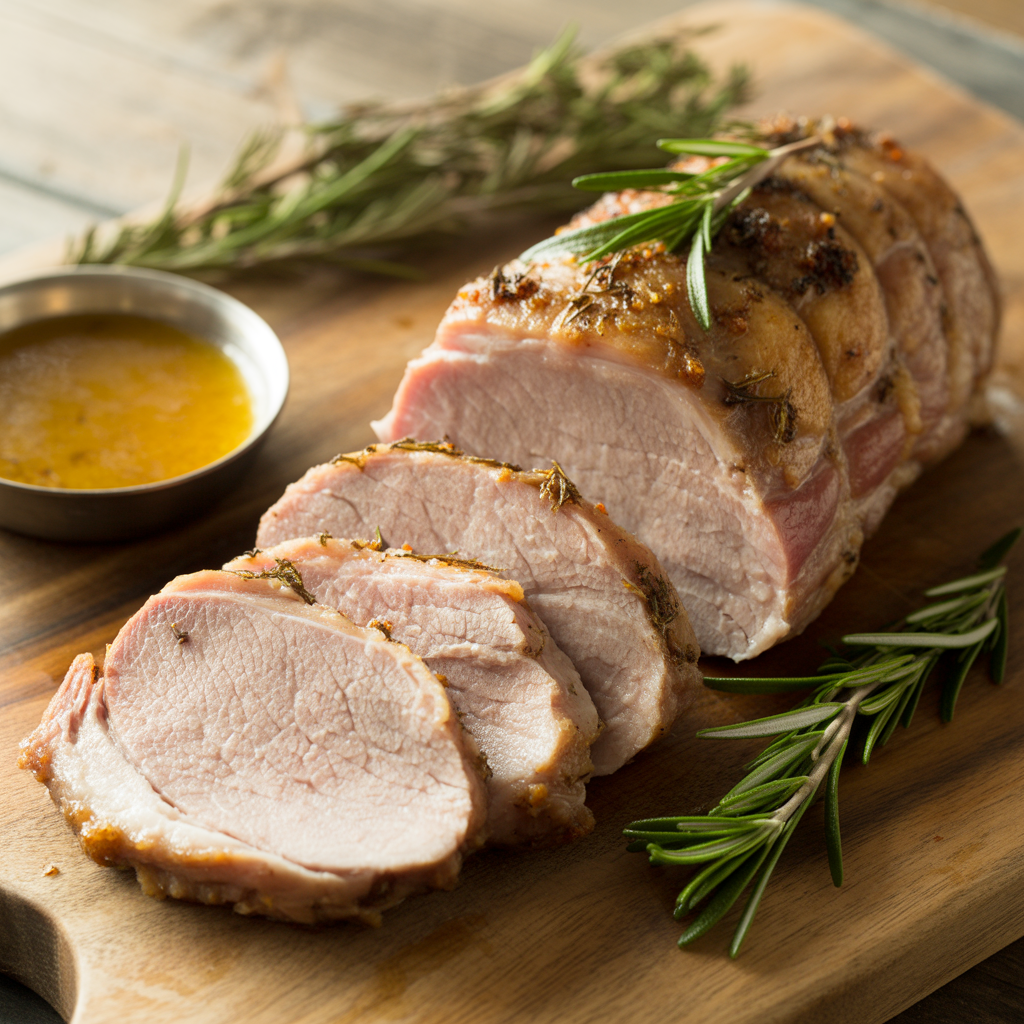
Pork tenderloin is one of the leanest and most flavorful cuts of meat you can cook, but it has a reputation for drying out quickly if handled incorrectly. The good news? With the right techniques, you can consistently produce a juicy, tender pork tenderloin that rivals anything you’d find at a restaurant. This comprehensive guide will walk you through everything — from selecting the best cut to seasoning, cooking methods, and resting the meat properly.
What Is Pork Tenderloin?
Pork tenderloin is a long, narrow, boneless cut of meat that comes from the muscle running along the backbone of the pig. It typically weighs between ¾ pound to 1½ pounds and is extremely lean with very little fat or connective tissue. Because it’s so lean, it cooks quickly but can also overcook just as fast — making technique crucial.
Do not confuse pork tenderloin with pork loin. Pork loin is a much larger, wider cut that requires different cooking times and methods. Pork tenderloin is smaller, more delicate, and faster to cook.
Why Does Pork Tenderloin Dry Out?
The main reasons pork tenderloin becomes dry and tough include:
- Overcooking: Lean meat loses moisture rapidly when exposed to excessive heat.
- Skipping a marinade or brine: Without added moisture and flavor, lean pork can taste bland and dry.
- Not resting the meat: Cutting into the tenderloin immediately after cooking causes all the juices to run out.
- Using only one cooking method: A combination of searing and roasting gives the best results.
Ingredients You’ll Need
Here is everything you need to make a perfectly juicy and tender pork tenderloin:
- 1 to 1½ pounds pork tenderloin (silver skin removed)
- 2 tablespoons olive oil
- 1 teaspoon garlic powder
- 1 teaspoon onion powder
- 1 teaspoon smoked paprika
- ½ teaspoon dried thyme or rosemary
- 1 teaspoon salt (kosher or sea salt preferred)
- ½ teaspoon black pepper
- Optional: 1 tablespoon Dijon mustard (for coating)
- Optional: fresh garlic cloves and fresh herbs for extra flavor
Step 1 – Remove the Silver Skin
Before doing anything else, you must remove the silver skin from the pork tenderloin. Silver skin is a thin, pearlescent membrane on the surface of the meat. Unlike fat, silver skin does not melt or break down during cooking — it tightens, causing the meat to curl and become chewy.
To remove it:
- Slide the tip of a sharp knife under the silver skin at one end.
- Hold the loosened flap with your fingers or a paper towel for grip.
- Angle the knife slightly upward and slice along the length of the silver skin, cutting it away from the meat.
- Repeat until all silver skin is removed.
Step 2 – Brine or Marinate for Maximum Juiciness (Optional but Recommended)
While you don’t have to brine or marinate pork tenderloin, doing so makes a significant difference in moisture and flavor, especially since this is such a lean cut.
Simple Brine Method
A brine is a saltwater solution that helps the meat retain moisture during cooking.
- Mix 2 cups of cold water with 2 tablespoons of kosher salt and 1 tablespoon of sugar.
- Submerge the tenderloin in the brine.
- Refrigerate for 30 minutes to 2 hours. Do not brine longer than 4 hours or the texture may become mushy.
- Pat the pork completely dry with paper towels before cooking.
Simple Marinade Method
If you prefer a marinade:
- Combine olive oil, soy sauce, garlic, lemon juice, and your favorite herbs.
- Place the tenderloin in a zip-lock bag with the marinade.
- Refrigerate for 1 to 8 hours.
- Pat dry before cooking to ensure a proper sear.
Step 3 – Season the Pork Tenderloin
If you skipped the brine or marinade, seasoning the outside of the meat is essential. Combine the dry spices listed in the ingredients section and rub them evenly over the entire surface of the tenderloin. For extra flavor and moisture, brush the surface with a thin layer of Dijon mustard before applying the dry rub — the mustard acts as a binder and adds a subtle tangy depth.
Let the seasoned tenderloin rest at room temperature for 20 to 30 minutes before cooking. This helps the meat cook more evenly.
Step 4 – Sear the Pork Tenderloin
Searing creates a flavorful, golden-brown crust through the Maillard reaction — the chemical process that produces complex, savory flavors when protein and sugars are exposed to high heat. This step is non-negotiable for great pork tenderloin.
- Preheat an oven-safe skillet (cast iron is ideal) over medium-high to high heat.
- Add 2 tablespoons of olive oil or avocado oil and allow it to heat until shimmering.
- Place the tenderloin in the skillet. Do not move it immediately.
- Sear for 2 to 3 minutes per side, rotating to sear all sides (top, bottom, and both sides).
- The goal is a deep brown crust all around — this should take about 8 to 10 minutes total.
Step 5 – Roast in the Oven
After searing, transfer the skillet directly to a preheated oven. This combination of stovetop searing followed by oven roasting — known as the “sear and roast” method — produces the best results for pork tenderloin.
- Preheat your oven to 400°F (200°C).
- Transfer the seared tenderloin (still in the skillet) to the oven.
- Roast for 10 to 15 minutes, depending on the size of the tenderloin.
- Use an instant-read meat thermometer to check the internal temperature.
What Internal Temperature Should Pork Tenderloin Reach?
According to the USDA guidelines, pork is safe to eat when it reaches an internal temperature of 145°F (63°C), followed by a 3-minute rest. This will give you a slightly pink center — which is perfectly safe and ideal for juicy results.
Here’s a quick guide to internal temperatures:
- 145°F (63°C): Slightly pink, very juicy — USDA recommended minimum
- 150°F (66°C): Barely pink, still juicy
- 160°F (71°C): No pink, starting to dry out — avoid if possible
Remove the tenderloin from the oven when it reads 140°F to 143°F — it will continue to cook (carryover cooking) during resting and reach the perfect temperature.
Step 6 – Rest the Meat (Critical Step)
This is the step most home cooks skip, and it’s one of the most important. Always rest your pork tenderloin after cooking.
When meat cooks, the juices are pushed toward the center. If you cut it immediately, those juices will spill out onto your cutting board. Resting allows the juices to redistribute throughout the entire piece of meat.
- Transfer the cooked tenderloin to a cutting board.
- Tent it loosely with aluminum foil.
- Let it rest for 5 to 10 minutes before slicing.
Step 7 – Slice and Serve
After resting, slice the tenderloin into ½-inch to ¾-inch medallions. Cut against the grain of the meat for the most tender bite. The interior should be juicy, slightly pink in the center, and incredibly tender.
Alternative Cooking Methods
While the sear-and-roast method is the most popular, here are other great ways to cook pork tenderloin:
Grilling Pork Tenderloin
Grilling adds a wonderful smoky flavor to pork tenderloin.
- Preheat grill to medium-high heat (around 400°F).
- Oil the grates to prevent sticking.
- Grill the tenderloin, turning every 2 to 3 minutes to cook all sides.
- Total grill time is approximately 15 to 20 minutes.
- Remove at 140°F and rest for 5 to 10 minutes.
Slow Cooker Pork Tenderloin
The slow cooker is a foolproof method for juicy, fall-apart tender pork.
- Sear the tenderloin first in a hot skillet for the best flavor.
- Place it in the slow cooker with ½ cup of broth or your favorite sauce.
- Cook on LOW for 2 to 3 hours or HIGH for 1 to 1.5 hours.
- Do not overcook — pork tenderloin is small and cooks fast, even in a slow cooker.
Air Fryer Pork Tenderloin
The air fryer is a quick and convenient option.
- Preheat air fryer to 400°F (200°C).
- Season the tenderloin and place it in the air fryer basket.
- Cook for 20 to 22 minutes, flipping halfway through.
- Check internal temperature and rest before slicing.
Delicious Sauce Ideas to Serve with Pork Tenderloin
A great sauce can elevate pork tenderloin to a whole new level. Here are some crowd-pleasing options:
- Garlic Butter Herb Sauce: Melt butter with garlic, thyme, and rosemary in the same skillet used for searing. Deglaze with chicken broth and reduce.
- Honey Garlic Glaze: Combine honey, soy sauce, garlic, and a splash of rice vinegar. Simmer until thickened and drizzle over sliced tenderloin.
- Creamy Mushroom Sauce: Sauté mushrooms and shallots in butter, deglaze with white wine, add heavy cream, and season to taste.
- Apple Cider Pan Sauce: Deglaze the hot skillet with apple cider, add Dijon mustard and butter, reduce until silky.
- Chimichurri: A bright, herby Argentinian sauce made with parsley, garlic, olive oil, and red wine vinegar — perfect for a fresh contrast.
What to Serve with Pork Tenderloin
Pork tenderloin pairs beautifully with a wide variety of side dishes:
- Roasted garlic mashed potatoes
- Roasted vegetables (asparagus, Brussels sprouts, carrots)
- Garlic green beans
- Steamed rice or herb-roasted potatoes
- A crisp apple and walnut salad
- Creamy polenta or cauliflower mash (for a low-carb option)
How to Store and Reheat Leftovers
Leftover pork tenderloin stores and reheats well when handled properly:
- Refrigerator: Store in an airtight container for up to 3 to 4 days.
- Freezer: Wrap tightly in plastic wrap and then foil, or place in a freezer bag. Freeze for up to 3 months.
To reheat without drying out:
- Place slices in a baking dish, add a splash of broth or water, cover tightly with foil, and warm in a 275°F (135°C) oven for 10 to 15 minutes.
- Alternatively, reheat gently in a skillet over low heat with a little butter or broth.
- Avoid microwaving on high heat — it will dry out the meat quickly.
Common Mistakes to Avoid
- Not removing the silver skin: Always take it off before cooking.
- Cooking straight from the fridge: Cold meat cooks unevenly. Let it rest at room temperature for 20 to 30 minutes first.
- Overcooking: Use a meat thermometer every single time. Don’t guess.
- Skipping the sear: The crust adds enormous flavor and helps seal in juices.
- Cutting the meat too soon: Patience during resting is rewarded with juicier meat.
- Using too high of an oven temperature: High heat without monitoring leads to dry, overcooked meat.
Tips for the Juiciest Pork Tenderloin Every Time
- Always use a meat thermometer — it’s the single most effective tool for perfect results.
- Brine the meat if you have time — even 30 minutes makes a difference.
- Sear over high heat before transferring to the oven.
- Pull from the oven at 140°F and let carryover cooking do the rest.
- Rest for at least 5 minutes, no matter what.
- Always slice against the grain.
Frequently Asked Questions
How long do you cook pork tenderloin per pound?
After searing, roast pork tenderloin at 400°F for approximately 8 to 10 minutes per pound. However, always rely on a meat thermometer rather than time alone.
Should pork tenderloin be pink in the middle?
Yes! The USDA now recommends cooking pork to 145°F (63°C), which may leave a slight blush of pink in the center. This is completely safe and produces the most tender, juicy results.
Can I cook pork tenderloin from frozen?
It’s best to thaw pork tenderloin fully in the refrigerator overnight before cooking. Cooking from frozen is not recommended as it leads to uneven cooking and dry outer edges.
Why is my pork tenderloin tough?
If your pork tenderloin turned out tough, the most common culprits are overcooking or not removing the silver skin. Use a thermometer to avoid overcooking and always prep the meat properly before cooking.
Can I cook two pork tenderloins at the same time?
Absolutely. Many packages contain two tenderloins. The cooking time remains roughly the same — just make sure both reach 145°F internally and that they have enough space in the pan during searing to brown properly rather than steam.
Final Thoughts
Cooking pork tenderloin that is juicy and tender every time comes down to a few key principles: prepare the meat properly (remove silver skin, brine if possible), season generously, sear over high heat, monitor internal temperature carefully, and above all, let the meat rest before slicing. Follow these steps and you’ll never end up with dry, flavorless pork tenderloin again. Whether you’re cooking a quick weeknight dinner or hosting guests, this recipe is sure to impress every single time.