
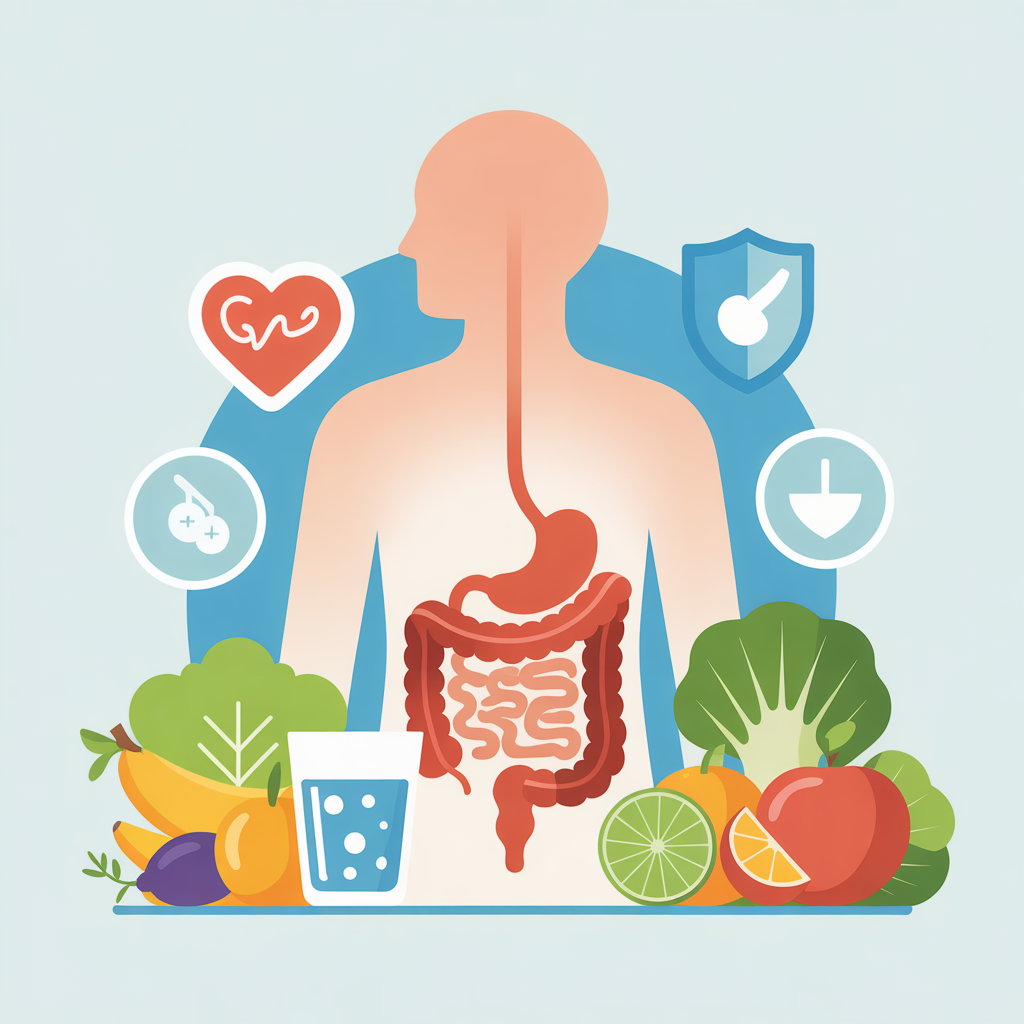
Diverticulitis is a digestive condition that occurs when small, bulging pouches called diverticula — which can form in the lining of the digestive tract, particularly in the colon — become inflamed or infected. While having these pouches (a condition known as diverticulosis) is relatively common and often causes no symptoms, diverticulitis develops when one or more of these pouches become problematic. It can range from mild discomfort to a serious medical emergency requiring immediate attention. Understanding the symptoms of diverticulitis early is crucial for getting the right care at the right time.
10 Common Symptoms of Diverticulitis
1. Persistent Abdominal Pain (Usually on the Left Side)
One of the most hallmark signs of diverticulitis is pain in the lower left side of the abdomen. This pain is often described as a constant, sharp, or cramping ache that may come on suddenly or build gradually over time.
- The pain tends to worsen with movement, coughing, or deep breathing.
- In some cases, especially in people of Asian descent, pain may occur on the right side of the abdomen.
- The pain often persists for several days and does not fully go away without medical treatment.
- It may radiate to the back, groin, or legs in more severe cases.
This diverticulitis pain is different from ordinary stomach aches — it is typically localized, intense, and accompanied by other symptoms listed below. If you experience severe or worsening abdominal pain, seek medical attention promptly.
2. Fever and Chills
A fever — typically ranging from 38°C (100.4°F) or higher — is a common sign that the body is fighting an infection or inflammation. In acute diverticulitis, a fever often accompanies abdominal pain and may be the first indicator that something more serious is happening in the colon.
- Mild fever may accompany uncomplicated diverticulitis.
- A high-grade fever (above 39°C / 102°F) can indicate a complication such as abscess formation or perforation.
- Chills and sweating may also occur alongside fever, pointing to a systemic infection response.
Fever combined with abdominal pain should never be dismissed as a minor issue. This combination warrants prompt evaluation by a healthcare professional.
3. Nausea and Vomiting
Many people with diverticulitis experience nausea, and in some cases, vomiting. These symptoms are a direct result of the body reacting to inflammation and infection in the gastrointestinal tract.
- Nausea may make it difficult to eat or drink, potentially leading to dehydration.
- Vomiting may occur when the condition is more severe or when the bowel is partially obstructed.
- These symptoms are often accompanied by a loss of appetite and general malaise.
If nausea and vomiting persist or prevent adequate fluid intake, this can lead to further complications and requires medical attention.
4. Changes in Bowel Habits
Diverticulitis frequently disrupts normal bowel function. Patients may notice significant changes in the frequency, consistency, and ease of bowel movements.
- Constipation: The most commonly reported change. Stools may become hard, infrequent, or difficult to pass.
- Diarrhea: Some individuals experience loose or watery stools, particularly during the acute phase.
- Alternating constipation and diarrhea: This pattern can be confusing but is not uncommon in diverticular disease.
- A feeling of incomplete evacuation after a bowel movement may also be present.
Any sudden or unexplained change in bowel habits — especially when accompanied by other symptoms on this list — should be discussed with a doctor.
5. Bloating and Excessive Gas
Abdominal bloating and increased gas are common symptoms reported by people with diverticulitis or diverticulosis. The inflammation in the colon can slow down normal digestive processes, leading to a buildup of gas.
- The abdomen may feel swollen, tight, or distended.
- Flatulence may be more frequent than usual.
- Bloating may worsen after eating, particularly after consuming high-fat or low-fiber meals.
While bloating alone is a symptom of many digestive conditions, when paired with localized abdominal pain and other diverticulitis symptoms, it can be an important diagnostic clue.
6. Rectal Bleeding
Although less common in acute diverticulitis than in diverticulosis, rectal bleeding can occur and should always be taken seriously. It may present as:
- Bright red blood in the stool or on toilet paper after wiping.
- Dark, tarry stools (melena), which may indicate bleeding higher up in the digestive tract.
- Blood mixed within the stool.
Rectal bleeding in the context of diverticular disease is typically painless but can be alarming in volume. Even small amounts of blood in the stool warrant immediate medical evaluation to determine the cause and severity.
7. Tenderness When Touching the Abdomen
People with diverticulitis often experience localized tenderness when the abdomen — particularly the lower left quadrant — is touched or pressed. This is known as rebound tenderness or direct tenderness on palpation.
- Even gentle pressure on the abdomen can cause significant discomfort.
- In severe cases, the abdominal muscles may feel rigid or board-like — a sign that requires emergency care.
- Tenderness may spread to a wider area of the abdomen if a complication such as peritonitis develops.
This physical symptom is one of the key signs doctors look for during a clinical examination when diagnosing diverticulitis.
8. Urinary Symptoms
Diverticulitis can sometimes affect the urinary system, especially when inflamed diverticula are located close to the bladder. This can result in:
- Frequent urination: The need to urinate more often than normal.
- Painful urination (dysuria): A burning or stinging sensation during urination.
- Cloudy or foul-smelling urine: A possible sign of a fistula (an abnormal connection between the colon and bladder).
- In rare cases, air bubbles may appear in the urine (pneumaturia), strongly suggesting a colovesical fistula.
Urinary symptoms alongside bowel-related complaints should raise concern about diverticulitis complications and require prompt medical investigation.
9. Loss of Appetite
A noticeable decrease in appetite is a frequently overlooked but important symptom of diverticulitis. The combination of pain, nausea, and overall systemic illness often makes eating feel undesirable or difficult.
- People may avoid eating to prevent worsening abdominal discomfort.
- Over days or weeks, reduced food intake can contribute to weight loss and nutritional deficiencies.
- Loss of appetite combined with fatigue and fever is a sign that the body is under significant physiological stress.
If a loss of appetite persists beyond a few days or is accompanied by unintentional weight loss, it should be evaluated by a healthcare provider.
10. Fatigue and General Weakness
Many individuals with diverticulitis report feeling unusually tired, weak, or run-down. This generalized fatigue is the body’s response to fighting off infection and inflammation.
- Fatigue may be worsened by poor sleep due to pain and discomfort.
- Reduced food and fluid intake can also contribute to low energy levels.
- In some cases, chronic or recurrent diverticulitis can lead to long-term fatigue that significantly impacts daily life.
While fatigue is a non-specific symptom, its presence alongside other signs of diverticulitis provides a more complete clinical picture that should not be ignored.
What Causes Diverticulitis?
Understanding what causes diverticulitis can help in recognizing risk factors and taking preventive action. The exact mechanism is not entirely understood, but the following are considered the main contributing causes and risk factors:
- Low-fiber diet: A diet lacking adequate dietary fiber is one of the most widely cited risk factors. Without enough fiber, stools become hard and dry, increasing pressure in the colon, which may cause diverticula to form.
- Aging: The risk of diverticulosis — and therefore diverticulitis — increases significantly with age, particularly after 40. The colon wall naturally weakens over time.
- Chronic constipation: Straining during bowel movements increases intraluminal pressure in the colon, encouraging the formation of diverticula.
- Obesity: Being overweight or obese is associated with a higher risk of developing diverticulitis and its complications.
- Physical inactivity: A sedentary lifestyle is linked to slower bowel transit time and increased risk.
- Smoking: Tobacco use has been associated with an increased risk of diverticulitis, particularly complicated forms.
- Genetics: A family history of diverticular disease may increase an individual’s susceptibility.
- Certain medications: Regular use of nonsteroidal anti-inflammatory drugs (NSAIDs) and steroids may increase the risk. Always consult a doctor before taking or stopping any medication.
- Changes in gut microbiome: An imbalance in gut bacteria may play a role in triggering inflammation in diverticula.
How to Help Prevent Diverticulitis
While not all cases can be prevented, certain lifestyle modifications may significantly reduce the risk of developing diverticulitis or experiencing recurrent flare-ups:
- Increase dietary fiber: Aim for a diet rich in fruits, vegetables, legumes, and whole grains. Fiber softens stools and reduces pressure within the colon.
- Stay well hydrated: Drinking plenty of water — at least 8 glasses per day — helps fiber work effectively and supports healthy bowel function.
- Exercise regularly: Regular physical activity promotes healthy bowel movements and reduces the risk of constipation.
- Maintain a healthy weight: Managing body weight can reduce the risk of diverticulitis and its complications.
- Avoid smoking: Quitting smoking is beneficial for overall digestive and systemic health.
- Respond to bowel urges promptly: Delaying bowel movements can increase colon pressure and worsen constipation.
- Schedule regular check-ups: Regular colonoscopies and medical check-ups help detect diverticulosis early before it progresses to diverticulitis.
Frequently Asked Questions (FAQ)
Q: What is diverticulitis?
A: Diverticulitis is a condition where small pouches (diverticula) that have formed in the walls of the colon become inflamed or infected. It can cause significant abdominal pain, fever, and changes in bowel habits.
Q: What are the most common symptoms of diverticulitis?
A: The most common symptoms include lower left abdominal pain, fever, nausea, vomiting, changes in bowel habits (constipation or diarrhea), bloating, and tenderness in the abdomen.
Q: Are diverticulitis symptoms different in females?
A: Generally, the core symptoms of diverticulitis are similar in both males and females. However, in women, the lower left abdominal pain can sometimes be confused with gynecological conditions such as ovarian cysts or pelvic inflammatory disease, which can make diagnosis more challenging.
Q: What is the difference between diverticulosis and diverticulitis?
A: Diverticulosis refers to the presence of diverticula (small pouches) in the colon without any inflammation or infection — many people have it without any symptoms. Diverticulitis occurs when one or more of these pouches become inflamed or infected, causing symptoms such as pain and fever.
Q: Can diverticulitis go away on its own?
A: Mild cases of diverticulitis may improve with rest and dietary changes. However, most cases require medical evaluation and treatment. It is important to consult a doctor rather than attempting to self-treat, as untreated diverticulitis can lead to serious complications.
Q: When should I see a doctor for diverticulitis symptoms?
A: You should seek medical attention if you experience persistent abdominal pain (especially on the lower left side), fever, rectal bleeding, or significant changes in bowel habits. If symptoms are severe or rapidly worsening, go to an emergency room immediately.
Q: Is diverticulitis a serious condition?
A: It can be. While mild diverticulitis is manageable with proper care, acute diverticulitis can lead to serious complications such as abscesses, fistulas, bowel obstruction, or perforation of the colon. These complications are life-threatening and require emergency medical intervention.
Q: Can diet affect diverticulitis symptoms?
A: Yes. A low-fiber diet is a major risk factor for developing diverticulitis. Increasing fiber intake, staying hydrated, and avoiding foods that trigger symptoms may help manage and prevent flare-ups. Consult your doctor or a dietitian for personalized dietary advice.
References:
- Mayo Clinic – Diverticulitis: Symptoms and Causes
- NHS UK – Diverticular Disease and Diverticulitis
- Healthline – Diverticulitis: Symptoms, Causes, and Treatment
- WebMD – Diverticular Disease and Diverticulitis
- Johns Hopkins Medicine – Diverticular Disease
- National Library of Medicine (NCBI) – Diverticulitis