
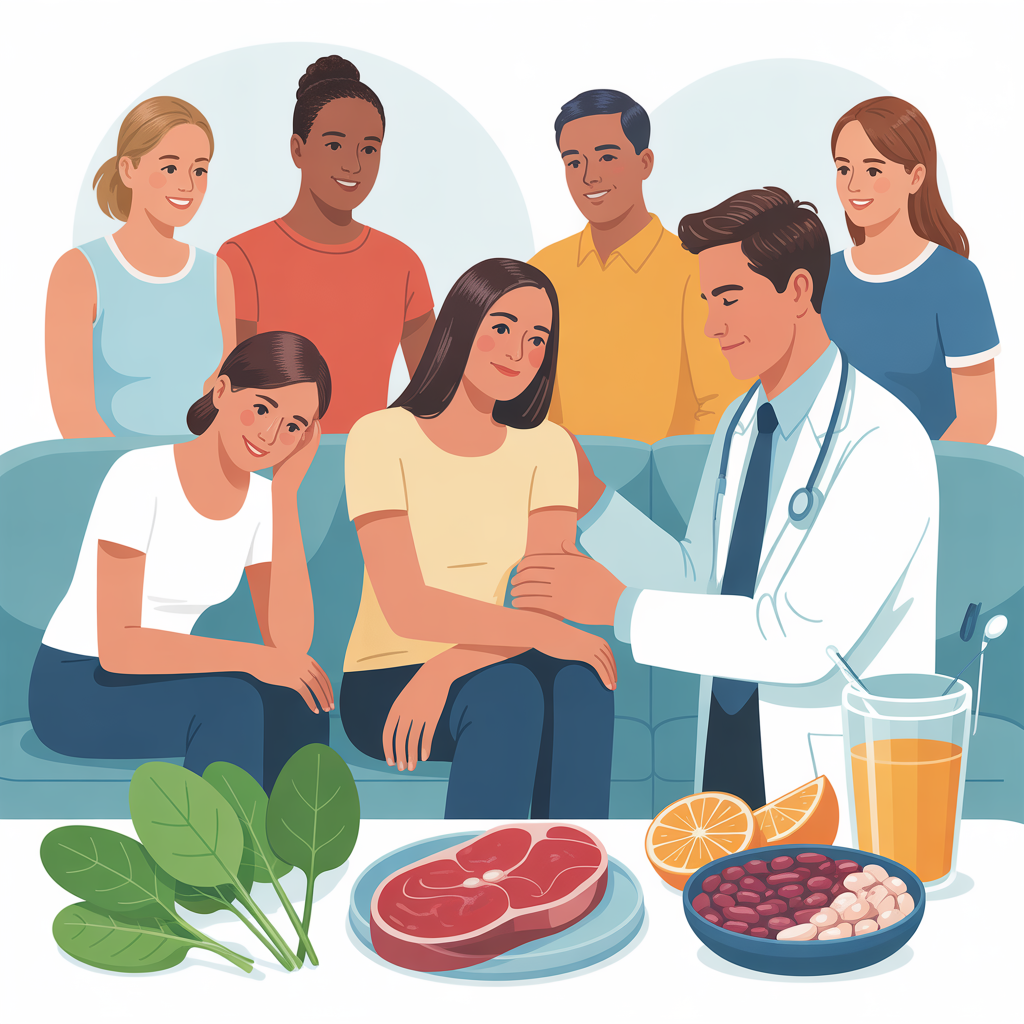
Anemia is one of the most common blood disorders in the world, affecting hundreds of millions of people across all age groups. But what is anemia, exactly? Anemia occurs when your body doesn’t have enough healthy red blood cells (RBCs) to carry adequate oxygen to your tissues and organs. This low red blood cell count — or low hemoglobin level — can leave your body starved of oxygen, triggering a wide range of symptoms that affect your daily life.
Anemia symptoms can range from mild and easy to overlook, to severe and potentially life-threatening. Symptoms of anemia in women are especially common due to menstrual blood loss, pregnancy, and nutritional deficiencies. Whether you’re experiencing unexplained tiredness, pale skin, or shortness of breath, understanding the signs of anemia is the first step toward getting the care you need.
In this article, we break down the 12 most important anemia symptoms, explore the main causes, and answer frequently asked questions — so you can recognize the warning signs early.
12 Common Symptoms of Anemia
1. Persistent Fatigue and Weakness
Fatigue is by far the most universal and recognizable symptom of anemia. When your red blood cell count is low, your blood cannot carry sufficient oxygen to your muscles and organs. As a result, your body has to work much harder than normal just to perform basic functions.
- You may feel exhausted even after a full night’s sleep.
- Everyday tasks — like climbing stairs, walking to work, or doing household chores — can feel disproportionately tiring.
- Muscle weakness and a general sense of physical heaviness are also common complaints.
This type of fatigue is different from ordinary tiredness. It tends to be persistent, not easily resolved by rest, and often worsens over time if the underlying anemia is left untreated. People with severe anemia may feel so drained that even getting out of bed becomes a challenge.
2. Pale or Yellowish Skin
One of the most visible signs of anemia is a noticeable change in skin color. Hemoglobin — the protein inside red blood cells — gives blood its red color, which in turn contributes to the rosy, healthy appearance of skin. When hemoglobin levels drop, skin can appear:
- Pale or washed out — particularly on the face, inner eyelids, gums, and nail beds.
- Yellowish (jaundice-like) — this occurs in certain types of anemia, such as hemolytic anemia, where red blood cells are destroyed faster than they are produced, releasing bilirubin into the bloodstream.
Checking the inside of your lower eyelid is a quick, practical way to spot pallor. Healthy tissue should appear pink or red; a pale or white color may indicate low hemoglobin. Dark-skinned individuals may notice paleness more easily in their gums, inner lips, or fingernail beds.
3. Shortness of Breath
When there aren’t enough red blood cells to transport oxygen efficiently, the body compensates by breathing faster and more deeply. This leads to shortness of breath (dyspnea), which can occur:
- During physical activity, such as walking briskly or climbing stairs.
- At rest, in cases of moderate to severe anemia.
- Even during sleep, sometimes waking the person up.
This symptom is especially alarming because it can be mistaken for a respiratory or cardiac condition. If you find yourself unusually breathless during activities that never bothered you before, anemia could be the cause. It is important to consult a doctor to rule out other serious conditions.
4. Dizziness and Lightheadedness
Reduced oxygen delivery to the brain is a hallmark effect of low red blood cells, and dizziness or lightheadedness is one of the brain’s earliest warning signals. You might experience:
- A spinning or floating sensation, especially when standing up quickly (orthostatic hypotension).
- Feeling faint or as though you might pass out.
- Episodes of vertigo or loss of balance.
In people with severe anemia, fainting episodes (syncope) can actually occur. This symptom can be particularly dangerous for older adults or people who drive or operate heavy machinery, making early diagnosis all the more critical.
5. Rapid or Irregular Heartbeat (Palpitations)
The heart plays a critical role in compensating for low oxygen levels caused by anemia. To ensure that enough oxygen reaches the body’s tissues, the heart pumps faster and harder, leading to:
- Heart palpitations — a noticeable fluttering, racing, or pounding sensation in the chest.
- Tachycardia — an abnormally fast heart rate, even at rest.
- In severe or long-standing cases, an irregular heartbeat (arrhythmia) may develop.
Over time, if the heart is constantly overworked due to chronic anemia, it can lead to serious cardiovascular complications, including an enlarged heart or heart failure. Anyone experiencing persistent palpitations should seek medical evaluation promptly.
6. Headaches
Frequent headaches are a commonly overlooked symptom of anemia. When the brain receives less oxygen than it needs, blood vessels in the brain may dilate in an attempt to compensate, triggering headache pain. Characteristics of anemia-related headaches include:
- A dull, persistent ache — often described as a pressure-like sensation.
- Headaches that worsen with physical exertion or changes in position.
- Accompanying symptoms such as dizziness, visual disturbances, or difficulty concentrating.
People who suffer from chronic low hemoglobin may experience near-daily headaches that don’t respond well to typical over-the-counter pain relief. Addressing the underlying anemia is key to resolving this symptom.
7. Cold Hands and Feet
Poor circulation related to a low red blood cell count often manifests as persistently cold extremities. Because oxygen-carrying red blood cells are in short supply, the body prioritizes blood flow to vital organs (heart, brain, lungs) and reduces circulation to the hands and feet.
- Hands and feet may feel cold and clammy even in warm environments.
- Numbness or tingling in the fingers and toes can accompany this sensation.
- In iron-deficiency anemia specifically, poor thermoregulation is a well-documented complaint.
If you constantly feel like you can’t warm up your hands or feet regardless of the weather or how many layers you wear, it may be worth getting a blood test to check your hemoglobin and RBC levels.
8. Chest Pain
Chest pain associated with anemia is a more serious symptom that warrants immediate medical attention. When the heart is deprived of sufficient oxygen due to low hemoglobin, it can cause angina-like chest discomfort. This symptom is more commonly seen in:
- People with pre-existing heart conditions.
- Individuals with severe anemia.
- Older adults whose cardiovascular systems are more vulnerable to oxygen deficiency.
The chest pain may feel like tightness, pressure, or a squeezing sensation. It is critical not to dismiss chest pain as simple fatigue — always seek emergency medical care to rule out a heart attack or other life-threatening condition. Anemia and cardiac issues can co-exist and worsen each other.
9. Difficulty Concentrating and Brain Fog
The brain is an oxygen-hungry organ, consuming approximately 20% of the body’s total oxygen supply. When red blood cell counts are low, cognitive function can be noticeably impaired. Common complaints include:
- Trouble focusing or staying on task.
- Forgetfulness and short-term memory lapses.
- Feeling mentally “foggy” or confused.
- Slowed thinking and difficulty processing information.
These cognitive effects can interfere with work performance, academic achievement, and daily decision-making. In children, chronic anemia — particularly iron-deficiency anemia — has been linked to developmental delays and learning difficulties, making early detection especially important in pediatric populations.
10. Brittle Nails and Hair Loss
Anemia — especially iron-deficiency anemia — can affect the health of your nails and hair, as these tissues depend on adequate nutrients and oxygen to grow properly.
- Brittle nails: Nails may become thin, fragile, and prone to breaking. A classic sign of severe iron-deficiency anemia is koilonychia (spoon-shaped nails), where the nails develop a concave, spoon-like appearance.
- Hair loss: Excessive shedding or thinning of hair is frequently reported by people with anemia. Hair follicles require iron and oxygen to produce healthy strands; when these are in short supply, follicles can shift prematurely into the resting phase, causing hair to fall out.
While hair loss and brittle nails can have many causes, if they occur alongside other symptoms such as fatigue and paleness, anemia should be high on the list of possible explanations.
11. Swelling or Soreness of the Tongue and Mouth
Oral symptoms are a distinctive and often surprising manifestation of certain types of anemia — particularly iron-deficiency anemia and B12-deficiency anemia (pernicious anemia).
- Glossitis: Inflammation of the tongue, making it appear swollen, smooth, red, and shiny. The normal bumpy texture (papillae) of the tongue may disappear.
- Mouth sores (stomatitis): Painful ulcers or cracks at the corners of the mouth (angular cheilitis) are common.
- Burning tongue sensation: Some people describe a persistent burning or tingling feeling in the tongue or mouth.
- Difficulty swallowing: In rare but severe cases of iron-deficiency anemia, a condition called Plummer-Vinson syndrome can cause difficulty swallowing due to abnormal tissue growth in the esophagus.
These oral symptoms are directly linked to nutritional deficiencies that affect the rapidly dividing cells of the mucous membranes. They can be painful and may affect eating and speaking.
12. Unusual Cravings (Pica)
One of the most unusual symptoms associated with anemia — particularly iron-deficiency anemia — is pica, a condition characterized by cravings for non-food substances. People with anemia may develop strong urges to eat or chew on items such as:
- Ice (a specific form called pagophagia, which is strongly associated with iron deficiency)
- Dirt or clay
- Chalk, paper, or starch
- Raw rice or flour
While pica is more commonly seen in pregnant women and young children, it can affect anyone with significant nutritional deficiencies. The exact mechanism is not fully understood, but many experts believe that the body’s attempt to compensate for a lack of iron or other minerals may drive these unusual cravings. Pica can be harmful and should always be discussed with a healthcare provider.
Main Causes of Anemia
Understanding what causes anemia is essential for identifying the right course of action. Anemia is not a single disease — it is a condition with many possible underlying causes. The most common include:
- Iron deficiency: The most common cause of anemia worldwide. Iron is essential for hemoglobin production; without enough iron, the body cannot make sufficient red blood cells. This is especially common in women of childbearing age due to menstrual blood loss.
- Vitamin B12 or folate deficiency: These vitamins are necessary for the production of healthy red blood cells. Deficiencies lead to megaloblastic anemia, where the body produces abnormally large but dysfunctional red blood cells.
- Chronic diseases: Conditions such as chronic kidney disease, cancer, rheumatoid arthritis, HIV/AIDS, and inflammatory bowel disease can suppress red blood cell production or shorten the lifespan of existing red blood cells.
- Blood loss: Acute or chronic bleeding — from surgery, injury, heavy menstruation, gastrointestinal ulcers, or colorectal cancer — can rapidly deplete red blood cell stores.
- Bone marrow disorders: Conditions like aplastic anemia, leukemia, or myelodysplastic syndromes impair the bone marrow’s ability to produce red blood cells.
- Hemolytic anemia: The immune system or other mechanisms destroy red blood cells faster than the body can replace them. This can be inherited (e.g., sickle cell anemia, thalassemia) or acquired.
- Genetic conditions: Inherited disorders such as sickle cell disease and thalassemia result in abnormal hemoglobin or red blood cell structure, reducing their effectiveness and lifespan.
- Poor diet: A diet chronically lacking in iron, vitamin B12, folate, and other key nutrients significantly increases the risk of nutritional anemias.
- Pregnancy: The body’s demand for iron and other nutrients increases dramatically during pregnancy, making pregnant women particularly vulnerable to developing anemia.
How to Prevent Anemia
While not all types of anemia are preventable — particularly those caused by genetic conditions or chronic diseases — nutritional anemias, which are the most common, can often be prevented through thoughtful lifestyle choices:
- Eat an iron-rich diet: Include foods such as lean red meat, poultry, fish, beans, lentils, tofu, dark leafy greens (spinach, kale), and fortified cereals in your daily meals.
- Boost iron absorption: Consume vitamin C-rich foods (oranges, bell peppers, strawberries, tomatoes) alongside iron-rich foods, as vitamin C significantly enhances non-heme iron absorption. Avoid drinking tea or coffee with meals, as they can inhibit iron absorption.
- Ensure adequate vitamin B12 intake: Eat animal products (meat, eggs, dairy) regularly. Those following a vegan or vegetarian diet should consider B12-fortified foods or discuss supplementation with their doctor.
- Get enough folate: Eat folate-rich foods such as beans, peas, lentils, citrus fruits, and dark leafy greens. Pregnant women or those planning a pregnancy are typically advised to take folic acid — always consult your doctor for guidance.
- Get regular blood tests: Routine blood work, including a complete blood count (CBC), can detect low RBC counts or low hemoglobin early — before symptoms become severe. This is especially important for women, pregnant individuals, the elderly, and those with chronic illnesses.
- Manage chronic conditions: If you have a chronic disease known to cause anemia, work closely with your healthcare team to monitor and manage your blood health proactively.
- Avoid excessive alcohol consumption: Heavy alcohol use can interfere with the absorption of folate and B12, and can damage the bone marrow, impairing red blood cell production.
Note: If you suspect you have anemia or are considering nutritional supplements, always consult a qualified healthcare professional before starting any supplementation or treatment plan.
Frequently Asked Questions (FAQ)
What is anemia?
Anemia is a medical condition in which the body has an insufficient number of healthy red blood cells, or the red blood cells lack enough hemoglobin, to carry adequate oxygen to the body’s organs and tissues. It results in symptoms like fatigue, pallor, and shortness of breath.
What does anemic mean?
“Anemic” is the adjective form of anemia. A person described as anemic has a hemoglobin level or red blood cell count below the normal range, as determined by a blood test. The term is also sometimes used informally to describe something lacking in strength or vitality.
What are the most common symptoms of anemia in women?
Women with anemia most commonly experience fatigue, weakness, pale skin, shortness of breath, dizziness, cold hands and feet, brittle nails, and hair loss. Anemia is particularly prevalent in women of reproductive age due to monthly blood loss through menstruation, as well as during pregnancy when iron demands are much higher.
What does a low RBC blood test result mean?
A low RBC (red blood cell count) on a blood test indicates that your body is not producing enough red blood cells, or that they are being lost or destroyed too quickly. This is a key diagnostic marker for anemia. A doctor will typically order additional tests — including hemoglobin, hematocrit, and ferritin levels — to determine the type and cause of anemia.
What is the difference between mild anemia and severe anemia?
Mild anemia often produces subtle or minimal symptoms — such as slight fatigue or occasional dizziness — and may even go unnoticed without a blood test. Severe anemia, on the other hand, involves significantly low hemoglobin levels and can cause intense symptoms including extreme exhaustion, chest pain, rapid heartbeat, difficulty breathing at rest, fainting, and even organ damage if left untreated. Severe anemia requires prompt medical attention.
What are the symptoms of low hemoglobin?
Low hemoglobin symptoms closely mirror general anemia symptoms and include: persistent fatigue, pale or yellowish skin, shortness of breath, dizziness, rapid heartbeat, headaches, cold extremities, difficulty concentrating, and chest pain in more severe cases.
Can anemia be detected by a regular blood test?
Yes. A standard complete blood count (CBC) blood test measures red blood cell count, hemoglobin, and hematocrit levels — all of which are used to diagnose anemia. Additional tests such as serum ferritin, vitamin B12, and folate levels help identify the specific type and cause.
When should I see a doctor about anemia symptoms?
You should see a doctor if you experience persistent fatigue, unexplained paleness, frequent dizziness or fainting, shortness of breath, or chest pain — especially if these symptoms interfere with your daily life. Seek emergency care immediately if you experience sudden or severe chest pain, rapid or irregular heartbeat, or difficulty breathing at rest, as these may signal severe anemia or a related cardiac event.
References: