
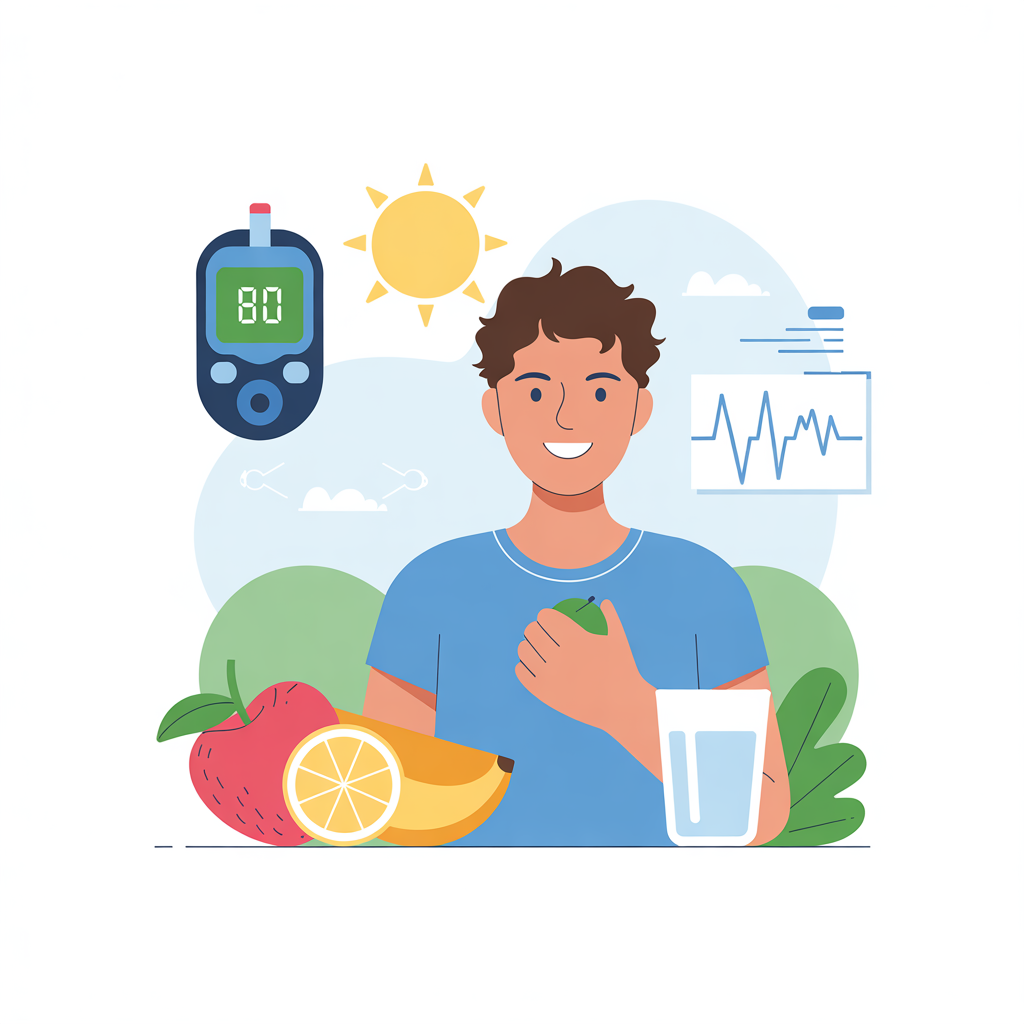
Type 1 diabetes (T1D) is a chronic autoimmune condition in which the body’s immune system mistakenly attacks and destroys the insulin-producing beta cells in the pancreas. Without enough insulin, blood sugar (glucose) cannot enter the cells for energy, causing it to build up in the bloodstream. Unlike type 2 diabetes, type 1 diabetes is not linked to lifestyle choices — it can develop at any age but is most commonly diagnosed in children, teenagers, and young adults, which is why it was previously known as juvenile diabetes.
Recognizing the symptoms of type 1 diabetes early is critical. When left undiagnosed or untreated, T1D can lead to life-threatening complications such as diabetic ketoacidosis (DKA). Below are the 10 most important symptoms to be aware of.
1. Frequent Urination (Polyuria)
One of the earliest and most noticeable signs of type 1 diabetes is urinating much more often than usual, including during the night (nocturia). This happens because when blood glucose levels are too high, the kidneys work overtime to filter and absorb the excess sugar. When they cannot keep up, the excess glucose is excreted into the urine, pulling large amounts of water along with it.
- You may notice needing to urinate every hour or more frequently.
- Children may start wetting the bed again after previously being potty-trained.
- Urine may appear foamy or have a faintly sweet smell due to excess glucose.
This symptom is often one of the first red flags that prompts people to see a doctor.
2. Excessive Thirst (Polydipsia)
Closely related to frequent urination, extreme and persistent thirst is another hallmark symptom of T1D. Because the body loses so much fluid through excessive urination, it triggers an intense thirst response in an attempt to compensate for dehydration.
- Drinking large amounts of water or other fluids does not seem to quench the thirst.
- The mouth may feel constantly dry.
- This symptom often appears alongside frequent urination in a self-reinforcing cycle.
If you or your child is drinking unusually large quantities of fluids every day without an obvious cause such as hot weather or intense exercise, this warrants prompt medical evaluation.
3. Unexplained Weight Loss
Sudden, unexplained weight loss is a particularly common and concerning symptom of type 1 diabetes, especially in children and teenagers. When the body cannot use glucose for energy due to the lack of insulin, it begins to break down fat and muscle tissue as alternative fuel sources.
- Weight loss can be rapid — several pounds within a matter of weeks.
- This occurs despite normal or even increased food intake.
- The muscles may appear noticeably thinner or weaker over time.
This symptom is often alarming to parents who notice their child losing weight without dieting. It is a strong indicator that something is seriously wrong metabolically and should be investigated immediately.
4. Increased Hunger (Polyphagia)
People with undiagnosed type 1 diabetes often experience persistent, intense hunger even after eating a full meal. This happens because without insulin, the glucose from food cannot enter the body’s cells, meaning cells are effectively “starving” for energy regardless of how much food is consumed.
- A constant feeling of hunger that food does not satisfy.
- Cravings for high-carbohydrate or sugary foods may increase.
- Hunger may be accompanied by other symptoms like fatigue or irritability.
The paradox of feeling hungry while eating normally — and simultaneously losing weight — is a telling combination of symptoms that strongly suggests type 1 diabetes.
5. Fatigue and Weakness
Extreme tiredness and a persistent lack of energy are very common in people with T1D. Since glucose cannot enter the cells without insulin, the body’s cells are deprived of their primary energy source. This results in profound fatigue that is not relieved by rest or sleep.
- Feeling exhausted even after a full night’s sleep.
- Difficulty concentrating or staying alert during normal daily activities.
- General weakness in the muscles.
- Children may become lethargic, less playful, or unusually irritable.
This type of fatigue is often described as feeling “drained” at all times and can significantly affect school performance, work productivity, and overall quality of life.
6. Blurred Vision
High blood glucose levels can cause the lens of the eye to swell and change shape, leading to blurred or distorted vision. This is one of the more frightening symptoms because it can appear suddenly and affect daily activities such as reading, driving, or recognizing faces.
- Vision may fluctuate throughout the day depending on blood sugar levels.
- Both eyes can be affected simultaneously.
- Objects may appear fuzzy, hazy, or out of focus.
It is important to note that this initial blurring is often reversible once blood sugar levels are properly managed. However, if high blood glucose persists long-term without treatment, it can lead to more serious eye complications. Always consult a doctor if you experience sudden changes in vision.
7. Slow-Healing Wounds and Frequent Infections
High blood sugar impairs the immune system and reduces the body’s ability to heal itself. People with type 1 diabetes may notice that minor cuts, bruises, or sores take much longer to heal than normal. Additionally, the elevated glucose in the bloodstream and tissues creates an environment where bacteria and fungi can thrive.
- Small cuts or scrapes that take weeks to heal.
- Recurrent skin infections, urinary tract infections (UTIs), or yeast infections.
- Gum infections or frequent mouth sores.
- In girls and women, recurring vaginal yeast infections can be a notable early sign.
If you notice an unusual pattern of infections or wounds that won’t heal, this is an important signal to get your blood glucose levels checked.
8. Tingling or Numbness in Hands and Feet
While more commonly associated with long-term diabetes complications, some individuals — particularly those who have had elevated blood sugar for an extended undiagnosed period — may begin to experience tingling, numbness, or a “pins and needles” sensation in their extremities. This is an early sign of diabetic neuropathy, which is nerve damage caused by prolonged high glucose levels.
- Tingling or burning sensations in the fingers, hands, toes, or feet.
- Occasional numbness that comes and goes.
- Heightened or reduced sensitivity to touch or temperature.
This symptom is a serious warning sign that blood sugar has been elevated for too long and that the nervous system may already be under stress. Prompt diagnosis is essential.
9. Mood Changes and Irritability
The brain depends on a steady supply of glucose to function properly. When blood sugar is too high or fluctuates unpredictably, it can significantly affect mood, behavior, and mental clarity. This is a symptom that is sometimes overlooked or attributed to stress or emotional issues.
- Sudden mood swings, irritability, or unexplained emotional outbursts.
- Difficulty concentrating, brain fog, or trouble making decisions.
- Feelings of anxiety or depression that seem out of character.
- In children, this may present as sudden behavioral changes or declining school performance.
Caregivers and parents should be aware that emotional or behavioral changes in a child, when combined with other physical symptoms on this list, may be an important signal of T1D.
10. Fruity-Smelling Breath and Signs of Diabetic Ketoacidosis (DKA)
One of the most urgent and dangerous symptoms associated with undiagnosed or poorly managed type 1 diabetes is the presence of fruity or acetone-like breath. This is a sign of diabetic ketoacidosis (DKA) — a life-threatening condition that occurs when the body breaks down fat rapidly for energy, producing acidic byproducts called ketones that accumulate in the blood.
- Breath that smells fruity, sweet, or like nail polish remover.
- Nausea and vomiting.
- Stomach pain or abdominal cramping.
- Rapid, labored breathing (known as Kussmaul breathing).
- Confusion or difficulty staying conscious.
DKA is a medical emergency. If you or someone you know experiences these symptoms — especially in combination with other signs of type 1 diabetes — seek emergency medical care immediately. DKA can be fatal if not treated promptly.
Main Causes of Type 1 Diabetes
Understanding what causes type 1 diabetes is an active area of medical research. The exact cause is not fully understood, but the following factors are believed to play a significant role:
- Autoimmune response: The immune system mistakenly identifies the beta cells in the pancreas as foreign and destroys them. This leaves the body unable to produce insulin.
- Genetic factors: Certain genes, particularly those related to the HLA (human leukocyte antigen) complex, are associated with an increased risk of developing T1D. Having a parent or sibling with T1D increases your risk.
- Environmental triggers: Viral infections (such as enteroviruses), early childhood diet, and other environmental factors may trigger the autoimmune response in genetically susceptible individuals.
- Gut microbiome imbalances: Emerging research suggests that disruptions in the gut microbiome during early life may contribute to the development of T1D.
- Geographic factors: T1D is more prevalent in certain countries, particularly those farther from the equator, which may relate to vitamin D levels or differences in environmental exposures.
It is important to emphasize that type 1 diabetes is not caused by eating too much sugar or by an unhealthy lifestyle. It is an autoimmune condition with complex genetic and environmental origins.
Can Type 1 Diabetes Be Prevented?
Currently, there is no proven way to fully prevent type 1 diabetes. Because it is primarily driven by genetic predisposition and autoimmune processes, lifestyle changes alone cannot prevent it. However, ongoing research is exploring several promising approaches:
- Early screening: People with a family history of T1D can undergo screening for autoantibodies (biological markers) that indicate an autoimmune attack on the pancreas is already underway — sometimes years before symptoms appear. Early detection allows for closer monitoring and faster intervention.
- Maintaining a healthy immune system: While not a guaranteed prevention strategy, a balanced diet, adequate vitamin D levels, and reducing exposure to infections during early childhood may help support immune health.
- Clinical trials: Several clinical trials are underway exploring immunotherapy approaches that may delay or prevent the onset of T1D in high-risk individuals. If you have a family history of T1D, consider discussing participation in research studies with your doctor.
If you are at risk or have a family member with type 1 diabetes, regular check-ups and blood glucose monitoring are the most effective tools available for early detection.
Frequently Asked Questions (FAQ)
What is type 1 diabetes?
Type 1 diabetes is a chronic autoimmune disease in which the immune system destroys the insulin-producing beta cells in the pancreas. Without insulin, the body cannot regulate blood sugar properly, leading to dangerously high glucose levels.
What are the first signs of type 1 diabetes?
The earliest signs typically include frequent urination, excessive thirst, unexplained weight loss, and extreme fatigue. These symptoms can appear suddenly and progress rapidly, especially in children.
Who gets type 1 diabetes?
Type 1 diabetes can develop at any age, but it most often appears in children, teenagers, and young adults. It was formerly called “juvenile diabetes” for this reason. However, adults can also be diagnosed — a form sometimes called LADA (Latent Autoimmune Diabetes in Adults).
Is type 1 diabetes the same as type 2 diabetes?
No. Type 1 diabetes is an autoimmune condition where the body produces little to no insulin. Type 2 diabetes is a metabolic condition where the body does not use insulin effectively (insulin resistance). They have different causes, risk factors, and management approaches.
What does T1D mean?
T1D is simply the abbreviation for Type 1 Diabetes. It is commonly used in medical literature, patient communities, and diabetes advocacy organizations.
Can type 1 diabetes symptoms appear suddenly?
Yes. In many cases, especially in children, the symptoms of type 1 diabetes can appear and escalate very quickly — sometimes within just a few days or weeks. This is why rapid diagnosis is so important to prevent life-threatening complications like DKA.
When should I see a doctor about these symptoms?
You should consult a doctor as soon as possible if you or your child experiences a combination of the symptoms listed above — especially frequent urination, excessive thirst, rapid weight loss, and extreme fatigue. If fruity-smelling breath, vomiting, or confusion are also present, seek emergency medical attention immediately.
References:
- Mayo Clinic – Type 1 Diabetes: Symptoms and Causes
- American Diabetes Association – Type 1 Diabetes
- National Institute of Diabetes and Digestive and Kidney Diseases (NIDDK) – Type 1 Diabetes
- Centers for Disease Control and Prevention (CDC) – Type 1 Diabetes
- World Health Organization (WHO) – Diabetes Fact Sheet
- Healthline – Type 1 Diabetes: Causes, Symptoms, and More