
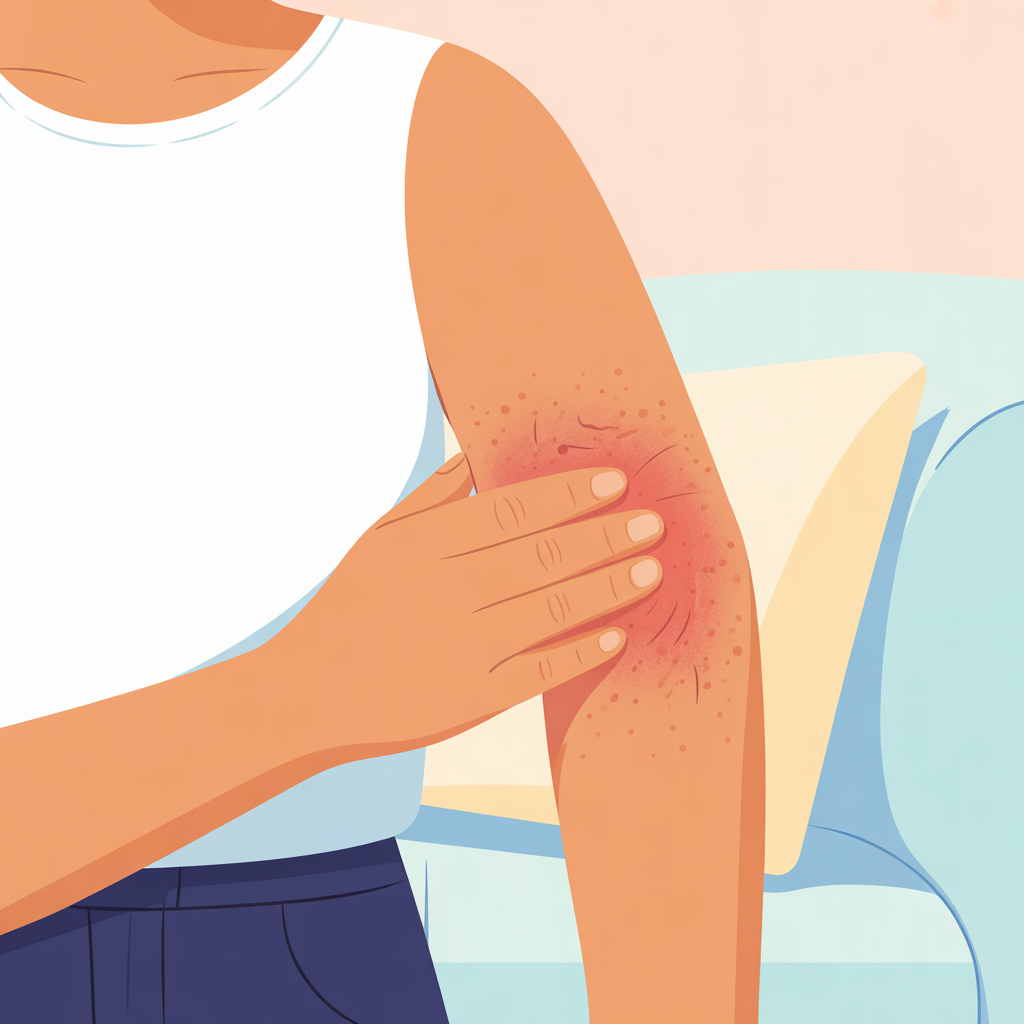
Dermatitis is a general term used to describe inflammation of the skin. It is one of the most common skin conditions worldwide, affecting people of all ages, genders, and ethnicities. While dermatitis is not contagious, it can be uncomfortable, persistent, and significantly impact a person’s quality of life. The condition can appear in many different forms, ranging from a mild dermatitis rash to severe, widespread skin reactions.
Understanding what dermatitis looks and feels like is the first step toward managing it effectively. Below, we outline the most common symptoms associated with dermatitis so you can recognize them early and seek appropriate medical advice.
1. Red or Discolored Skin (Erythema)
One of the earliest and most recognizable signs of dermatitis is redness or discoloration of the affected skin. The skin may appear:
- Bright red in people with lighter skin tones
- Dark brown, purple, or grayish in people with darker skin tones
This discoloration occurs because inflammation triggers increased blood flow to the area. The redness may be localized to a small patch or spread over a larger area of the body. It is typically one of the first symptoms to appear and often serves as a visual indicator that the skin is under stress or reacting to an irritant or allergen.
2. Intense Itching (Pruritus)
Itching is arguably the most distressing symptom of dermatitis. It can range from mild and occasional to severe and constant. In many cases, the itch is worse at night, disrupting sleep and leading to fatigue and irritability.
Key characteristics of dermatitis-related itching include:
- Intense, persistent urge to scratch
- Itching that worsens with heat, sweating, or stress
- Scratching that leads to further skin damage, creating a vicious “itch-scratch cycle”
Repeated scratching can break the skin barrier, increasing the risk of bacterial infections and making the condition harder to manage over time.
3. Dry, Flaky, or Scaly Skin
Dermatitis often disrupts the skin’s natural moisture barrier, leading to excessive dryness. The skin may feel rough, tight, and uncomfortable. In more advanced cases, the skin can begin to flake or peel, appearing scaly or rough to the touch.
This symptom is especially common in:
- Atopic dermatitis (eczema) — often affecting the inner elbows, behind the knees, and the face
- Seborrheic dermatitis — commonly causing flaking on the scalp, eyebrows, and sides of the nose
Dry and flaky skin can worsen in cold or low-humidity environments and may become more severe during winter months.
4. Skin Rash
A dermatitis rash is a hallmark symptom of this condition. The appearance of the rash can vary depending on the type of dermatitis, but common characteristics include:
- Raised, red patches of skin
- Bumpy or rough texture
- Rash in areas that have come into contact with an irritant or allergen (common in contact dermatitis)
- Symmetrical rashes on both sides of the body (common in atopic dermatitis)
The rash may come and go in episodes known as “flare-ups,” often triggered by specific environmental factors, foods, stress, or allergens. In some cases, the rash can spread if left untreated.
5. Swelling and Inflammation
The skin affected by dermatitis can become visibly swollen due to underlying inflammation. This puffiness may be mild or pronounced, depending on the severity of the reaction. Swelling is particularly common in:
- Allergic contact dermatitis — especially around the eyes, lips, and hands
- Areas of the skin that have been repeatedly scratched or rubbed
The swelling is caused by the body’s immune response releasing chemicals such as histamine, which causes fluid to accumulate in the surrounding tissues. This can make the skin feel warm, tender, and look visibly inflamed.
6. Blisters and Oozing
In some forms of dermatitis, small fluid-filled blisters (also called vesicles) may form on the skin. These blisters can:
- Appear in clusters or individually
- Be intensely itchy or painful
- Burst and ooze a clear or yellowish fluid
- Crust over as they heal
Blistering is especially associated with dyshidrotic dermatitis, which typically affects the palms of the hands, sides of the fingers, and soles of the feet. If blisters break open and ooze, there is an increased risk of bacterial infection, which may require medical attention.
7. Crusting and Weeping Skin
When blisters or open sores caused by dermatitis begin to heal, they often form crusts or scabs on the surface of the skin. This is the body’s natural healing process, but it can be accompanied by:
- Yellowish or honey-colored crusting, which may indicate a secondary infection
- Weeping or oozing skin that feels raw and painful
- Sticking of clothing or bandages to the affected area
Crusting and weeping are more commonly seen during acute flare-ups of dermatitis and are signs that the skin barrier has been significantly compromised.
8. Thickened or Leathery Skin (Lichenification)
Chronic or long-term dermatitis can lead to a condition known as lichenification, where the skin becomes noticeably thickened, hardened, and leathery in texture. This occurs as a result of persistent scratching and rubbing over an extended period of time.
Lichenified skin may also:
- Appear darker than the surrounding skin
- Have exaggerated skin lines or a rough, bark-like texture
- Feel less sensitive but remain itchy
This symptom indicates that the dermatitis has become a long-standing issue and may be more challenging to manage without professional medical intervention.
9. Burning or Stinging Sensation
Beyond itching, many people with dermatitis also experience a burning or stinging feeling on the affected skin. This sensation can be:
- Constant or triggered by contact with water, soap, or certain fabrics
- Particularly painful when the skin is cracked or has open sores
- Worsened by exposure to extreme temperatures
The burning sensation is a sign of significant skin inflammation and barrier dysfunction. It is especially common in contact dermatitis, where the skin has reacted to a chemical or allergen.
10. Skin Sensitivity and Tenderness
People with dermatitis often notice that their skin becomes hypersensitive — reacting strongly to things that would not normally irritate healthy skin. This heightened sensitivity can manifest as:
- Pain or discomfort when touching or lightly pressing on the affected skin
- Skin that reacts to mild soaps, detergents, perfumes, or fabrics
- A general feeling that the skin is “raw” or exposed
- Increased sensitivity to temperature changes
This symptom reflects the compromised state of the skin’s protective barrier, making it much more vulnerable to external triggers and irritants.
Main Causes of Dermatitis
Dermatitis can be triggered by a wide variety of internal and external factors. Understanding the root causes can help in identifying and avoiding triggers. The most common causes include:
- Genetics and family history: A personal or family history of eczema, asthma, or allergic rhinitis significantly increases the risk of developing atopic dermatitis.
- Allergens: Substances such as pollen, pet dander, certain foods, latex, and dust mites can provoke allergic reactions leading to dermatitis.
- Irritants: Direct contact with harsh chemicals, soaps, detergents, cleaning products, or fragrances can irritate the skin and cause contact dermatitis.
- Dry skin: A weakened skin barrier due to excessive dryness allows irritants and allergens to penetrate the skin more easily.
- Stress: Emotional or psychological stress is known to trigger or worsen dermatitis flare-ups in many people.
- Hormonal changes: Fluctuations in hormones, particularly in women during pregnancy or menstrual cycles, can affect skin inflammation levels.
- Climate and environment: Cold, dry weather, low humidity, and excessive heat or sweating can all contribute to dermatitis.
- Microbiome imbalance: An overgrowth of certain fungi or bacteria on the skin surface — particularly Malassezia yeast — is associated with seborrheic dermatitis.
- Immune system dysfunction: An overactive or dysregulated immune response plays a central role in most forms of dermatitis.
How to Prevent Dermatitis Flare-Ups
While dermatitis may not always be entirely preventable, especially in people with a genetic predisposition, there are several practical steps that can significantly reduce the frequency and severity of flare-ups:
- Moisturize regularly: Apply a fragrance-free, hypoallergenic moisturizer at least twice daily, especially after bathing, to help maintain the skin’s moisture barrier.
- Identify and avoid triggers: Keep a diary to track potential triggers such as specific foods, fabrics, products, or environmental conditions and avoid them when possible.
- Use gentle skin care products: Choose soaps, shampoos, and detergents that are free of fragrances, dyes, and harsh chemicals.
- Wear soft, breathable fabrics: Opt for cotton or other natural, soft fabrics. Avoid wool or synthetic materials that may irritate sensitive skin.
- Manage stress effectively: Practice relaxation techniques such as meditation, yoga, deep breathing, or regular physical exercise to reduce stress-related flare-ups.
- Maintain a consistent bathing routine: Use lukewarm (not hot) water and limit baths or showers to 10–15 minutes to avoid stripping the skin of its natural oils.
- Control indoor humidity: Use a humidifier at home, especially during winter months, to prevent skin from drying out.
- Avoid scratching: Keep fingernails short and clean to minimize skin damage from scratching. Consider wearing cotton gloves at night if nighttime scratching is a problem.
- Consult a dermatologist: Regular check-ups with a skin specialist can help you stay on top of your condition and receive personalized prevention strategies.
Frequently Asked Questions (FAQ)
What is dermatitis?
Dermatitis is a broad term for skin inflammation. It encompasses several conditions, including atopic dermatitis (eczema), contact dermatitis, seborrheic dermatitis, and dyshidrotic dermatitis. Each type has slightly different triggers and characteristics but generally involves redness, itching, and skin irritation.
Is dermatitis contagious?
No, dermatitis is not contagious. You cannot catch it from or pass it to another person through touch or close contact. It is an inflammatory condition influenced by genetics, the immune system, and environmental factors.
What does a dermatitis rash look like?
A dermatitis rash typically appears as red, inflamed, itchy skin that may be dry, scaly, or blistered. The exact appearance depends on the type of dermatitis and the individual’s skin tone, but it most commonly presents as raised, irritated patches in areas like the arms, legs, face, neck, and hands.
Can dermatitis go away on its own?
Mild cases of dermatitis — especially contact dermatitis caused by a specific irritant — may resolve on their own once the trigger is removed. However, chronic forms like atopic dermatitis tend to be long-term conditions that require ongoing management. It is always advisable to consult a doctor for proper evaluation and guidance.
When should I see a doctor about dermatitis?
You should seek medical attention if your symptoms are severe, spreading, or not improving; if your skin becomes infected (indicated by increased redness, warmth, swelling, or oozing with a bad odor); or if the condition significantly interferes with your sleep or daily activities. A dermatologist can help identify the type of dermatitis and recommend an appropriate management plan. Always consult a healthcare professional before using any medication.
Are there specific foods that trigger dermatitis?
In some individuals — particularly those with atopic dermatitis — certain foods such as dairy products, eggs, nuts, soy, and gluten may trigger or worsen flare-ups. However, food triggers vary greatly from person to person. A doctor or allergist can help identify specific food sensitivities through testing and dietary evaluation.
Is dermatitis the same as eczema?
Eczema (atopic dermatitis) is actually a specific subtype of dermatitis. All eczema is dermatitis, but not all dermatitis is eczema. The term “dermatitis” is an umbrella term that includes several types of skin inflammation, while “eczema” specifically refers to the atopic form associated with immune hypersensitivity.
References: