
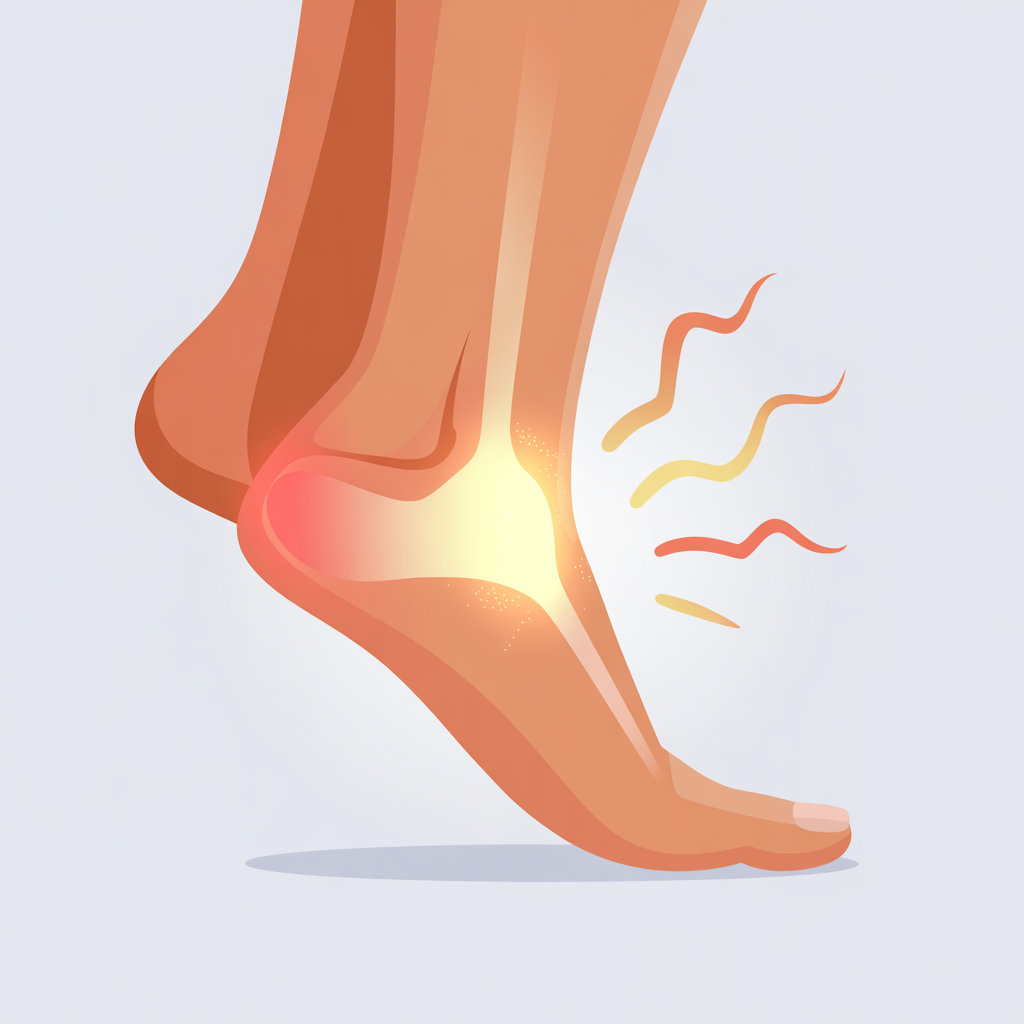
Morton’s neuroma is a painful foot condition that affects the nerves between the toes, most commonly between the third and fourth toes. This condition involves a thickening of the tissue around the nerve leading to the toes, which can cause sharp, burning pain in the ball of the foot. Many people describe the sensation as though they are standing on a pebble or a folded sock. While Morton’s neuroma is not a tumor, it can significantly impact daily activities and quality of life if left unaddressed. Understanding the symptoms of a foot neuroma early is crucial for seeking timely medical attention and preventing the condition from worsening.
1. Burning Pain in the Ball of the Foot
One of the most hallmark symptoms of Morton’s neuroma is a sharp, burning pain located in the ball of the foot — the padded area just behind the toes. This pain is caused by the compression or irritation of the nerve running between the metatarsal bones.
- The pain often starts mildly and gradually intensifies over time.
- It may feel like a burning or searing sensation that radiates toward the toes.
- The discomfort is typically worse when walking, running, or wearing tight shoes.
- Resting and removing footwear usually provides temporary relief.
This burning pain is often the first sign that prompts people to seek medical evaluation for a possible neuroma in the foot.
2. Tingling or “Pins and Needles” Sensation
Many individuals with Morton’s neuroma report a persistent tingling or “pins and needles” feeling in the affected area. This neurological symptom occurs because the thickened tissue is pressing directly on the nerve, disrupting its normal signaling function.
- The tingling usually starts in the ball of the foot and extends into the toes, particularly the third and fourth toes.
- It may come and go initially but can become more constant as the condition progresses.
- The sensation is often more noticeable during or after physical activity.
- Some people also experience a buzzing or vibrating feeling in the toes.
This tingling is a classic neurological response to nerve compression and should not be overlooked, especially if it appears alongside other symptoms.
3. Numbness in the Toes
As Morton’s neuroma progresses, the affected nerve may become increasingly compressed, leading to partial or complete numbness in the toes. This loss of sensation can make walking feel unusual and may pose a risk of injury if you cannot feel the ground properly.
- Numbness most commonly affects the third and fourth toes but can involve adjacent toes depending on the nerve involved.
- The numbness may worsen with prolonged standing or walking in narrow, constricting shoes.
- Some patients describe the sensation as though their toes are “asleep” or wrapped in a thick layer of fabric.
- Unlike temporary numbness from sitting in one position too long, numbness from a foot neuroma can persist throughout the day.
4. Feeling of a Lump or Foreign Object Under the Foot
A very distinctive and commonly reported symptom of Morton’s neuroma is the sensation of having a small lump, pebble, or rolled-up sock beneath the foot. This feeling occurs because the thickened nerve tissue creates a physical mass between the metatarsal bones.
- The sensation is most noticeable when walking barefoot or on hard surfaces.
- Despite the feeling, there is usually no visible or palpable lump on the surface of the foot.
- The discomfort may cause patients to frequently stop and remove their shoes to inspect the sole, only to find nothing there.
- This symptom is so characteristic that it is often the key descriptor used by patients when first describing their foot complaints to a doctor.
5. Sharp or Electric Shock-Like Pain
Some people with Morton’s neuroma experience sudden, sharp, or electric shock-like pains that shoot through the foot. These brief but intense episodes of pain can catch people off guard and may cause them to stumble or stop walking suddenly.
- The pain may feel like a sudden electric jolt that travels from the ball of the foot into one or more toes.
- Episodes can be triggered by putting weight on the foot, particularly when wearing high heels or narrow shoes.
- The pain may also occur spontaneously, even at rest or during the night.
- These sharp pains are a sign that the nerve is being significantly irritated or compressed.
6. Pain That Worsens With Certain Footwear
Morton’s neuroma symptoms are strongly associated with footwear choices. Tight, narrow, or high-heeled shoes squeeze the metatarsal bones together, compressing the nerve and intensifying symptoms significantly.
- High heels: Shift body weight onto the front of the foot, increasing pressure on the nerve.
- Narrow or pointed shoes: Compress the toes and the spaces between metatarsal bones, aggravating the neuroma.
- Shoes with thin soles: Provide little cushioning, allowing impact to directly stress the affected nerve.
Many people find that their pain dramatically improves simply by switching to wider, low-heeled shoes with adequate toe room and cushioning. This symptom pattern is a useful diagnostic clue for identifying Morton’s neuroma.
7. Pain Relieved by Rest or Removing Shoes
Unlike some other foot conditions, the pain and discomfort associated with Morton’s neuroma often diminish significantly when a person rests and takes off their footwear. This cycle of pain during activity and relief at rest is a characteristic feature of the condition.
- Massaging the ball of the foot after removing shoes can provide noticeable but temporary relief.
- Walking barefoot on soft surfaces like carpet or grass tends to be more comfortable than walking on hard floors or pavement.
- Relief upon resting and removing shoes is a distinguishing feature that helps differentiate Morton’s neuroma from other causes of foot pain.
8. Swelling Between the Toes
While not always visible to the naked eye, some individuals with Morton’s neuroma experience mild swelling in the area between the affected toes. This swelling is caused by inflammation surrounding the irritated nerve tissue.
- The swelling may contribute to a sensation of pressure or tightness in the forefoot.
- It can make wearing shoes feel uncomfortable even before walking begins.
- In some cases, the space between the third and fourth toes may appear slightly wider than usual due to the underlying neuroma mass.
- The swelling may feel warm to the touch, reflecting underlying inflammation.
9. Worsening Symptoms Over Time
Morton’s neuroma is a progressive condition, meaning that if left untreated, the symptoms tend to become more severe and more frequent over time. What starts as mild, occasional discomfort can develop into chronic, debilitating foot pain that affects everyday activities.
- Symptoms may initially only occur during intense physical activity but later appear during routine walking or even while sitting.
- The pain episodes may become longer in duration and harder to relieve with rest alone.
- Patients may begin to alter their gait unconsciously to avoid pain, which can lead to secondary issues such as knee, hip, or lower back pain.
- Advanced cases can result in permanent nerve damage if not addressed appropriately.
Recognizing this pattern of progressive worsening is important for seeking early evaluation and management before the condition significantly impairs quality of life.
Main Causes of Morton’s Neuroma
Understanding what triggers or contributes to the development of Morton’s neuroma can help explain why certain people are more prone to developing this foot condition.
- Tight or ill-fitting footwear: Shoes that are too narrow, pointed, or have high heels compress the toes and increase pressure on the nerves of the forefoot.
- High-impact sports: Activities such as running, jogging, and court sports place repetitive stress on the forefoot, which can irritate the nerve over time.
- Foot deformities: Structural abnormalities such as bunions, hammertoes, flat feet, or high arches can alter pressure distribution and increase the risk of nerve compression.
- Repetitive pressure: Jobs or activities that involve prolonged standing, squatting, or walking on hard surfaces can contribute to the development of a neuroma.
- Previous foot injuries: Trauma or injury to the foot can damage nerve tissue and set the stage for neuroma formation.
- Gender: Women are significantly more likely to develop Morton’s neuroma than men, likely due to the more frequent use of narrow, high-heeled shoes.
How to Prevent Morton’s Neuroma
While not all cases of Morton’s neuroma can be prevented, making mindful lifestyle and footwear choices can greatly reduce your risk of developing or worsening this condition.
- Choose appropriate footwear: Opt for shoes with a wide toe box, low heels (ideally under 5 cm), and good arch support to minimize pressure on the forefoot nerves.
- Use orthotic insoles: Custom or over-the-counter orthotics can help redistribute weight more evenly across the foot and reduce nerve compression.
- Avoid high heels: Limit the use of high-heeled shoes, especially for prolonged periods. Reserve them for short events whenever possible.
- Maintain a healthy weight: Excess body weight increases pressure on the feet, which can aggravate nerve tissue in the forefoot.
- Warm up before exercise: Proper warm-up routines before high-impact activities help prepare foot muscles and reduce the chance of nerve irritation.
- Address foot deformities early: If you have flat feet, bunions, or other structural foot issues, seek professional guidance to manage them before they lead to secondary problems like neuroma.
- Listen to your body: If you notice early signs of foot pain or discomfort during activity, reduce the intensity and give your feet time to recover.
Frequently Asked Questions (FAQ)
What does Morton’s neuroma feel like?
Morton’s neuroma typically feels like a burning, sharp, or aching pain in the ball of the foot, often accompanied by tingling or numbness in the toes. Many people describe it as feeling like there is a pebble or rolled sock stuck inside the shoe.
Which toes are most affected by Morton’s neuroma?
The condition most commonly affects the nerve running between the third and fourth toes, though the space between the second and third toes can also be involved in some cases.
Can Morton’s neuroma go away on its own?
Mild cases may improve with conservative measures such as changing footwear and reducing physical stress on the foot. However, moderate to severe cases often require medical evaluation and professional management to prevent symptoms from worsening.
Is Morton’s neuroma dangerous?
Morton’s neuroma is not life-threatening, but if ignored, it can lead to chronic pain, altered walking patterns, and potential permanent nerve damage. Early recognition of symptoms is key to preventing long-term complications.
Who is most at risk for developing Morton’s neuroma?
Women are at higher risk than men, largely due to footwear habits. Athletes who participate in high-impact sports, people with certain foot deformities (such as flat feet or bunions), and individuals who frequently wear tight or narrow shoes are also at increased risk.
When should I see a doctor about foot neuroma symptoms?
You should consult a healthcare professional if the pain in your foot is persistent, worsening, or interfering with your daily activities. Early evaluation allows for accurate diagnosis and timely management. Always consult a doctor before taking any medication for foot pain.
How is Morton’s neuroma diagnosed?
A doctor typically diagnoses Morton’s neuroma through a physical examination of the foot, review of symptoms, and may order imaging studies such as ultrasound or MRI to confirm the presence and size of the neuroma.
References: