
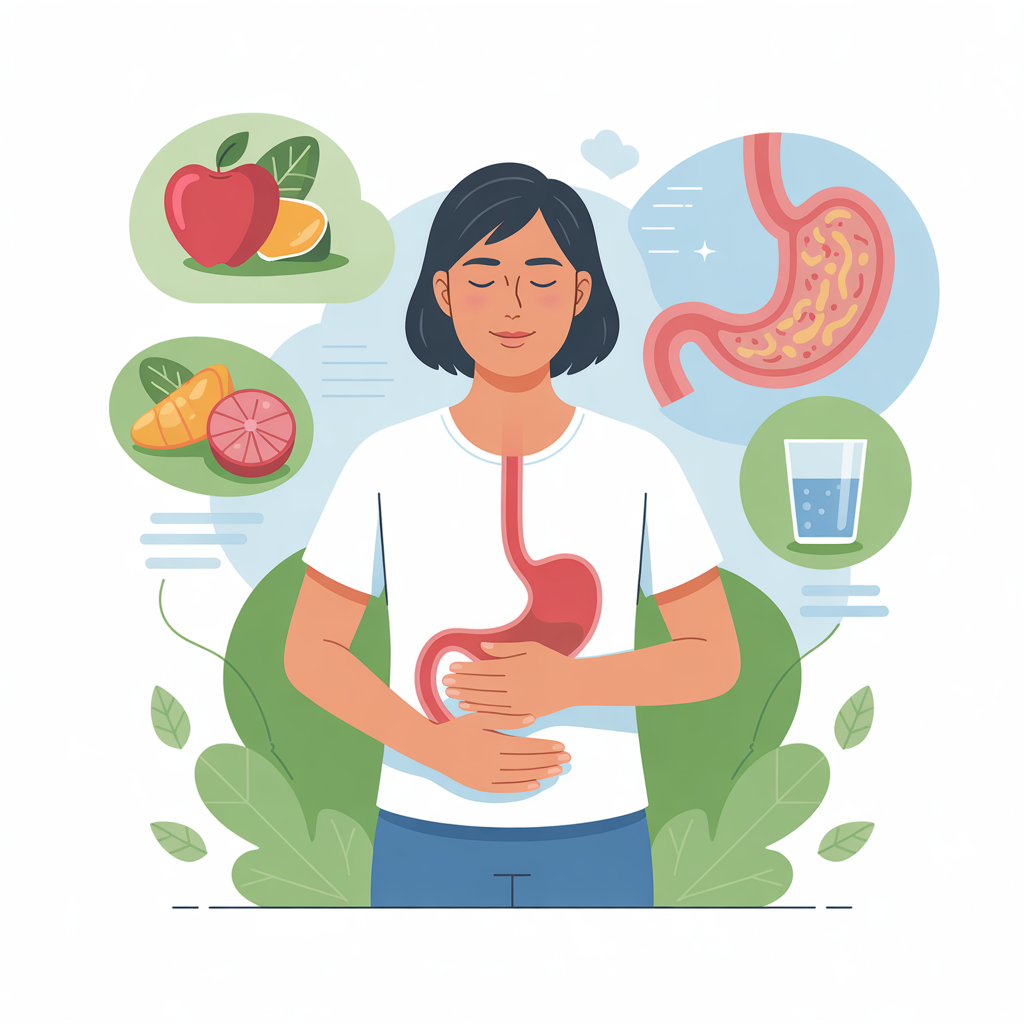
Gastritis is a condition characterized by inflammation of the stomach lining, which can develop suddenly (acute gastritis) or gradually over time (chronic gastritis). Millions of people worldwide are affected by this condition, yet many dismiss the early warning signs as ordinary digestive discomfort. Understanding the symptoms of gastritis is crucial for early detection and preventing serious complications such as stomach ulcers or even an increased risk of stomach cancer. Below are the 10 most common gastritis symptoms you should never ignore.
1. Burning or Gnawing Pain in the Upper Abdomen
One of the most hallmark symptoms of gastritis is a burning or gnawing sensation in the upper-central abdomen (the epigastric region). This discomfort can range from mild to severe and may occur:
- Shortly after eating a meal
- On an empty stomach, especially in the morning
- At night, disrupting sleep
The pain results from the stomach’s inflamed lining becoming more sensitive to stomach acid. In some people, eating may temporarily relieve the discomfort, while in others, it may worsen after meals. If the pain is persistent, sharp, or radiates to the back, it is important to seek medical evaluation promptly.
2. Nausea
Nausea is another extremely common symptom reported by people with gastritis. It is often described as a persistent feeling of unease in the stomach that creates the urge to vomit. This symptom can be triggered or worsened by:
- Eating spicy, fatty, or acidic foods
- Consuming alcohol or caffeine
- Taking certain medications on an empty stomach, such as nonsteroidal anti-inflammatory drugs (NSAIDs)
- Stress and anxiety
Chronic nausea that interferes with daily life should not be overlooked, as it may indicate an underlying condition like gastritis that requires proper diagnosis and management.
3. Vomiting
In more severe or acute cases of gastritis, nausea can progress to vomiting. While occasional vomiting may offer temporary relief from discomfort, repeated vomiting is a serious concern. Pay close attention if vomiting:
- Contains blood (appearing red or resembling coffee grounds)
- Is accompanied by severe abdominal pain
- Persists for more than 24–48 hours
- Leads to signs of dehydration such as dry mouth, dizziness, or decreased urination
Vomiting blood is a medical emergency and requires immediate attention. It may indicate erosive gastritis or a bleeding ulcer.
4. Bloating and a Feeling of Fullness
Many gastritis sufferers experience abdominal bloating — a sensation that the stomach is swollen, tight, or full of gas. This is closely related to impaired digestion caused by the inflamed stomach lining, which struggles to process food normally. Symptoms include:
- A distended or visibly swollen abdomen
- Feeling uncomfortably full after eating only small amounts
- Excessive belching or flatulence
- Gurgling sounds from the stomach
This symptom can significantly affect a person’s quality of life, causing social discomfort and dietary restrictions. It tends to worsen after consuming carbonated drinks, high-fiber foods, or large meals.
5. Loss of Appetite
Because eating often triggers or worsens discomfort, many people with gastritis develop a reduced desire to eat. This loss of appetite can be subtle at first but may become more pronounced as the condition progresses. It commonly presents as:
- Feeling no hunger even after long periods without eating
- Avoiding meals to prevent pain or nausea
- Eating significantly smaller portions than usual
Prolonged loss of appetite can lead to unintentional weight loss and nutritional deficiencies, which create additional health complications. If you notice a persistent decline in appetite alongside other digestive symptoms, it is advisable to consult a healthcare provider.
6. Indigestion (Dyspepsia)
Indigestion, medically known as dyspepsia, is a broad term for persistent discomfort or pain in the upper abdomen. It is one of the most frequently reported complaints associated with gastritis. Symptoms of dyspepsia include:
- A heavy, uncomfortable feeling in the stomach after eating
- Heartburn or a burning sensation rising from the stomach toward the chest
- Acid reflux or a sour taste in the mouth
- Stomach cramps or pressure
Dyspepsia can easily be mistaken for general digestive upset or acid reflux disease, which is why gastritis often goes undiagnosed for a long time. If indigestion occurs regularly — more than twice a week — it warrants further investigation.
7. Hiccups
Although hiccups may seem like a trivial and unrelated symptom, recurring or persistent hiccups can be associated with stomach inflammation. When the stomach lining is irritated, it may cause spasms that trigger the diaphragm, resulting in hiccups. This is more commonly observed in:
- People with acute gastritis following heavy alcohol use
- Individuals who eat quickly or consume large amounts of food
- Those experiencing significant acid reflux alongside gastritis
Hiccups that last more than 48 hours are considered a medical concern and should be evaluated by a doctor, as they may indicate a more serious underlying digestive issue.
8. Dark or Tarry Stools (Melena)
One of the more alarming symptoms of gastritis — particularly erosive gastritis — is the presence of dark, tarry, or black stools, a condition known as melena. This occurs when bleeding happens in the stomach and the blood is partially digested before passing through the intestines. Key points to note:
- Stools may appear jet black and have a foul, tar-like odor
- This is a sign of internal bleeding in the upper gastrointestinal tract
- It is a medical emergency that requires immediate hospital evaluation
Do not mistake dark stools caused by iron supplements or certain foods (like black licorice or beets) for melena. If in doubt, seek medical attention without delay.
9. Pale Skin and Fatigue (Signs of Anemia)
Chronic gastritis — particularly when caused by Helicobacter pylori infection or autoimmune conditions — can interfere with the stomach’s ability to absorb vitamin B12 and iron, leading to anemia over time. Symptoms of gastritis-related anemia include:
- Persistent tiredness or lack of energy even after sufficient rest
- Pale or yellowish skin and gums
- Shortness of breath during mild physical activity
- Dizziness or lightheadedness
- Rapid or irregular heartbeat
This form of anemia caused by gastritis is called pernicious anemia when B12 absorption is severely impaired. It is a serious condition that requires medical evaluation and long-term management.
10. Hiccups, Belching, and Acid Reflux
Excessive belching (burping) and acid reflux are common manifestations of gastritis that many people dismiss as minor digestive issues. When the stomach lining is inflamed, the production and regulation of stomach acid may become disrupted, leading to:
- Frequent burping, sometimes uncontrollable
- A sour or bitter taste at the back of the throat
- A burning sensation in the chest (heartburn)
- Regurgitation of partially digested food or liquid
- Worsening of symptoms when lying down or bending over
These symptoms can overlap significantly with gastroesophageal reflux disease (GERD), so it is important to get a proper diagnosis from a healthcare professional to determine the underlying cause and receive appropriate guidance.
Main Causes of Gastritis
Understanding what causes gastritis can help in recognizing risk factors and taking preventive action. The most common causes include:
- Helicobacter pylori (H. pylori) infection: A bacterial infection that is the leading cause of chronic gastritis worldwide. The bacteria embed themselves in the stomach lining, triggering inflammation over time.
- Long-term use of NSAIDs: Regular use of nonsteroidal anti-inflammatory drugs (such as ibuprofen or aspirin) can erode the stomach’s protective lining, leading to gastritis. Always consult a doctor before taking any medication.
- Excessive alcohol consumption: Alcohol irritates and erodes the stomach lining, causing acute or chronic inflammation.
- Stress: Severe physical stress — such as that caused by serious illness, surgery, or injury — can trigger acute stress gastritis.
- Autoimmune gastritis: In this condition, the immune system mistakenly attacks the cells of the stomach lining, more commonly seen in people with other autoimmune disorders.
- Bile reflux: Backflow of bile from the small intestine into the stomach can cause irritation and inflammation.
- Dietary factors: Spicy, acidic, or highly processed foods can aggravate an already inflamed stomach lining.
- Other infections: Viral and fungal infections (less common) can also cause gastritis, particularly in immunocompromised individuals.
How to Prevent Gastritis
While not all causes of gastritis can be avoided, several lifestyle adjustments can significantly reduce the risk of developing or worsening the condition:
- Adopt a balanced diet: Limit spicy, greasy, and highly acidic foods. Include plenty of fruits, vegetables, and whole grains.
- Avoid or limit alcohol: Reducing alcohol intake protects the stomach lining from irritation and damage.
- Practice good hygiene: Wash hands thoroughly before meals and after using the bathroom to reduce the risk of H. pylori infection.
- Manage stress effectively: Engage in relaxation techniques such as meditation, yoga, deep breathing, or regular physical exercise to lower stress-related gastric inflammation.
- Avoid smoking: Smoking weakens the stomach’s protective mucous layer and slows healing of the stomach lining.
- Be cautious with medications: Use pain relievers and anti-inflammatory drugs only when necessary and under medical supervision. Always consult a doctor before taking any medication regularly.
- Eat smaller, more frequent meals: Instead of large meals, opt for smaller portions throughout the day to reduce the burden on the stomach.
- Stay hydrated: Drink adequate amounts of water to support healthy digestion.
Frequently Asked Questions (FAQs)
What is gastritis?
Gastritis is the inflammation of the stomach lining (the mucosa). It can be acute (sudden onset) or chronic (long-term), and it may be caused by infections, medications, alcohol, stress, or autoimmune conditions.
Can gastritis kill you?
In most cases, gastritis is manageable and not life-threatening. However, if left untreated, severe or chronic gastritis can lead to serious complications such as stomach ulcers, internal bleeding, or — in rare long-term cases — an increased risk of stomach cancer. Symptoms like vomiting blood or black stools require immediate emergency care.
How do I know if I have gastritis or just regular indigestion?
While the symptoms can overlap, gastritis tends to cause persistent pain in the upper abdomen, recurring nausea, and symptoms that last longer than typical indigestion. A proper diagnosis typically involves a medical evaluation, which may include an endoscopy or blood tests to check for H. pylori infection. Only a healthcare professional can confirm a gastritis diagnosis.
Is gastritis contagious?
Gastritis itself is not contagious. However, the most common bacterial cause — Helicobacter pylori — can be transmitted from person to person through contaminated food, water, or close contact. Maintaining good hygiene practices significantly reduces the risk of infection.
When should I see a doctor about gastritis symptoms?
You should seek medical attention if you experience symptoms such as severe or persistent stomach pain, vomiting blood, black or tarry stools, unexplained weight loss, or symptoms that do not improve within a week. These could indicate complications that require immediate medical evaluation.
Can stress cause gastritis?
Yes. Severe physical stress — such as from major surgery, burns, or critical illness — is a well-known trigger for acute stress gastritis. Chronic emotional stress may also contribute to worsening symptoms in people who already have stomach inflammation by increasing acid production and reducing the stomach’s protective mucus layer.
Can gastritis go away on its own?
Mild, acute gastritis can sometimes resolve on its own with dietary changes and lifestyle adjustments. However, chronic gastritis — especially when caused by H. pylori infection or autoimmune conditions — generally requires medical diagnosis and proper management. Always consult a healthcare provider for guidance tailored to your condition.
References: