
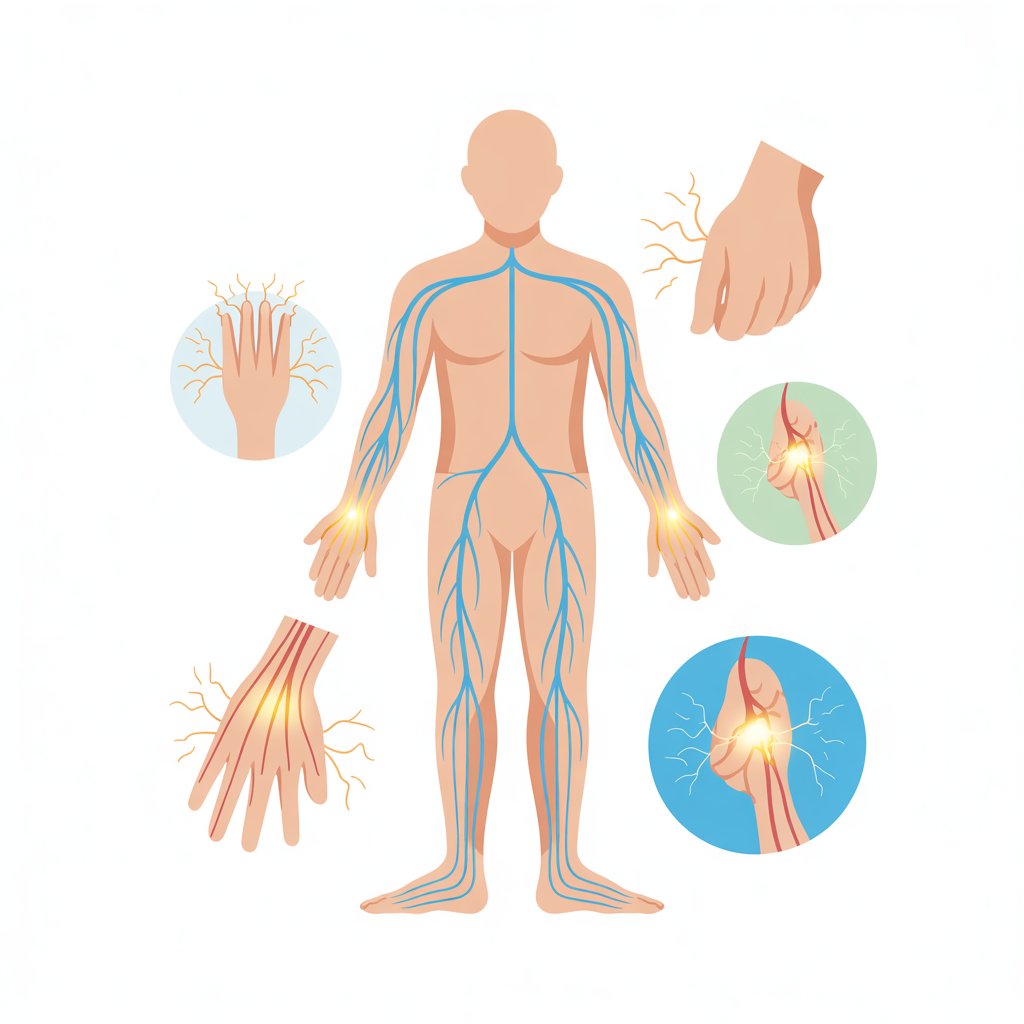
Peripheral neuropathy is a condition that occurs when the peripheral nerves — the vast network of nerves that transmit signals between the brain, spinal cord, and the rest of the body — are damaged or destroyed. These nerves control sensation, movement, and organ function, so when they malfunction, the effects can be wide-ranging and significantly impact daily life.
According to the National Institute of Neurological Disorders and Stroke (NINDS), more than 20 million people in the United States alone are estimated to have some form of peripheral neuropathy. The condition can develop from a variety of causes, including diabetes, infections, inherited disorders, and exposure to toxins.
Understanding the symptoms of peripheral neuropathy early is critical. Early detection allows for timely medical intervention that can slow progression, manage discomfort, and prevent serious complications such as falls, infections, or permanent nerve damage. Below is a comprehensive list of the most common and significant symptoms associated with this condition.
Symptoms of Peripheral Neuropathy
1. Tingling or “Pins and Needles” Sensation
One of the earliest and most frequently reported symptoms of peripheral neuropathy is a persistent tingling or “pins and needles” sensation, medically referred to as paresthesia. This feeling is most commonly experienced in the:
- Hands and fingers
- Feet and toes
- Arms and legs
Unlike the temporary tingling you might feel when a limb “falls asleep,” the tingling associated with neuropathy tends to be chronic, recurring, and progressively worsening. It often starts in the feet or hands and can gradually spread upward — a pattern sometimes described as a “stocking-glove” distribution.
This symptom occurs because damaged peripheral nerves begin to misfire or send abnormal electrical signals to the brain, creating false sensations even when there is no physical cause. It can be mildly annoying at first but may become increasingly disruptive to daily activities such as walking, writing, or sleeping.
2. Numbness in the Hands and Feet
Numbness is another hallmark symptom of peripheral neuropathy, often accompanying or following the tingling phase. People with neuropathy frequently describe a loss of sensation — particularly in the feet — that makes it difficult to feel temperature changes, textures, or even pain.
This symptom can be particularly dangerous for several reasons:
- Foot injuries go unnoticed: A person with numb feet may step on a sharp object, develop a blister, or sustain a burn without realizing it, increasing the risk of serious infections.
- Temperature insensitivity: Inability to feel hot or cold surfaces raises the risk of burns or frostbite.
- Delayed wound healing: Especially in people with diabetes, undetected foot wounds can become infected and, in severe cases, may lead to amputation.
Numbness typically begins at the tips of the toes or fingers and slowly advances up the limbs as the condition progresses. Regular foot inspections are strongly recommended for individuals experiencing neuropathy-related numbness.
3. Burning Pain
Many individuals with peripheral neuropathy experience a distinctive burning pain — a sensation similar to touching a hot surface, but occurring spontaneously without any external heat source. This pain can range from a mild, warm discomfort to an intense, searing sensation that significantly impairs quality of life.
Key characteristics of neuropathic burning pain include:
- Most pronounced at night, often disrupting sleep
- Affects the feet, legs, hands, and arms most commonly
- May be constant or come in waves
- Can worsen with physical activity or prolonged standing
This burning sensation is caused by damaged sensory nerve fibers that become hyperactive and send continuous, exaggerated pain signals to the brain — a phenomenon known as central sensitization. It is one of the most distressing symptoms of neuropathy and can significantly affect emotional well-being, contributing to anxiety and depression in some patients.
4. Sharp, Stabbing, or Electric Shock-Like Pain
Beyond burning, some people with peripheral neuropathy report episodes of sharp, stabbing, or electric shock-like pain that strike suddenly and without warning. These brief but intense jolts of pain can occur at rest or be triggered by even the lightest touch, such as a bed sheet brushing against the skin.
This type of pain is referred to as neuropathic or lancinating pain and is caused by spontaneous, abnormal nerve discharges. It is particularly common in:
- Diabetic peripheral neuropathy
- Postherpetic neuralgia (nerve pain following shingles)
- Chemotherapy-induced neuropathy
These sudden, unpredictable pain episodes can make it difficult for patients to engage in normal daily activities and may cause significant psychological distress.
5. Extreme Sensitivity to Touch (Allodynia)
A striking and often misunderstood symptom of neuropathy is allodynia — a condition where normally painless stimuli become painful. People with allodynia may experience pain from:
- Wearing socks or shoes
- Light pressure from bed sheets
- A gentle brush of the hand
- Changes in temperature
This hypersensitivity occurs because nerve damage alters the way pain signals are processed. What should register as a harmless touch is instead interpreted by the nervous system as a threatening or painful stimulus.
Allodynia can make everyday tasks exhausting and uncomfortable, and it often has a significant impact on a person’s social interactions, ability to wear certain clothing, and overall comfort level.
6. Muscle Weakness
When motor nerves — the nerves responsible for controlling voluntary muscle movement — are affected by neuropathy, muscle weakness can develop. This symptom may manifest as:
- Difficulty lifting objects or opening jars
- Trouble climbing stairs
- Weakness in the ankles or feet, causing foot drop (difficulty lifting the front part of the foot)
- Reduced grip strength
- Generalized limb fatigue
Muscle weakness from neuropathy tends to develop gradually and may be asymmetric — affecting one side of the body more than the other. Over time, the weakened muscles may begin to shrink due to lack of nerve stimulation, a process known as muscle atrophy.
This symptom not only limits physical capability but also increases the risk of falls and injuries, particularly in older adults.
7. Loss of Coordination and Balance Problems
Peripheral neuropathy can severely disrupt a person’s sense of balance and coordination, particularly when proprioceptive nerves — the nerves that inform the brain about body position — are damaged. This leads to:
- Unsteady gait (walking pattern)
- Difficulty walking in a straight line
- Increased risk of stumbling or falling
- Worsening balance in low-light conditions or when the eyes are closed
A clinical test called the Romberg test is often used to assess proprioceptive loss in neuropathy patients — individuals with significant balance problems tend to sway or fall when standing with their feet together and eyes closed.
Falls resulting from poor coordination are one of the leading causes of serious injury in people with peripheral neuropathy, making this symptom not only disruptive but potentially life-threatening in vulnerable populations.
8. Foot Neuropathy and Foot-Related Complications
Neuropathy in the feet is one of the most common presentations of peripheral neuropathy, especially in people with diabetes. Foot neuropathy encompasses a combination of symptoms that specifically affect the feet, including:
- Persistent tingling, numbness, or burning in the soles or toes
- A sensation of walking on pebbles or thick socks when barefoot
- Difficulty detecting temperature or pressure in the feet
- Increased susceptibility to foot ulcers and infections due to reduced sensation
- Changes in foot shape over time due to muscle and joint deterioration (Charcot foot)
Foot neuropathy requires meticulous daily care. People experiencing these symptoms are advised to:
- Inspect their feet every day for cuts, blisters, or sores
- Wear well-fitting, protective footwear
- Avoid walking barefoot
- Maintain regular podiatric check-ups
Left unmanaged, foot neuropathy can lead to serious complications, including non-healing ulcers and in severe cases, limb amputation — particularly in diabetic patients.
9. Difficulty with Fine Motor Skills
Peripheral neuropathy affecting the hands can cause loss of fine motor skills — the ability to perform precise, controlled movements with the fingers and hands. Everyday tasks that were once effortless can become frustrating challenges, including:
- Buttoning shirts or fastening zippers
- Writing or typing
- Picking up small objects like coins or pills
- Using utensils while eating
This symptom is caused by damage to both sensory nerves (reducing tactile feedback) and motor nerves (impairing muscle control). Together, these deficits make it difficult to perform tasks that require delicate coordination between touch, pressure sensation, and movement.
In occupational settings, loss of fine motor skills can affect a person’s ability to perform their job effectively, making this a significant functional impairment.
10. Autonomic Dysfunction
Peripheral neuropathy doesn’t only affect sensory and motor nerves — it can also damage autonomic nerves, which control involuntary bodily functions. This form of neuropathy, known as autonomic neuropathy, can produce a wide range of systemic symptoms:
- Digestive issues: Nausea, bloating, constipation, diarrhea, or gastroparesis (delayed stomach emptying)
- Bladder dysfunction: Urinary incontinence or difficulty emptying the bladder
- Cardiovascular symptoms: Irregular heartbeat (arrhythmia) or orthostatic hypotension (dizziness upon standing due to a sudden drop in blood pressure)
- Excessive or reduced sweating: Disrupted sweat gland function leading to heat intolerance or abnormal sweating patterns
- Sexual dysfunction: Erectile dysfunction in men; reduced vaginal lubrication in women
Autonomic symptoms can be particularly challenging to manage because they affect vital body systems. They may emerge gradually and are sometimes mistakenly attributed to other conditions, delaying diagnosis.
11. Muscle Cramps and Twitching (Fasciculations)
People with peripheral neuropathy often experience involuntary muscle contractions, including cramps and fasciculations (small, spontaneous muscle twitches visible beneath the skin). These occur when the nerves that control muscle fibers misfire, causing the muscles to contract without voluntary intention.
Common characteristics include:
- Cramps most frequently affecting the calves, feet, and hands
- Twitching that may be visible in the legs, arms, or facial muscles
- Spasms that can occur at rest, particularly at night
- Cramps that may be triggered by prolonged activity or dehydration
While muscle cramps and twitching can occur in healthy individuals due to fatigue or dehydration, their persistent and unprovoked occurrence in the context of other neuropathy symptoms warrants medical evaluation. Nocturnal cramps, in particular, can severely disrupt sleep and contribute to daytime fatigue.
12. Skin, Hair, and Nail Changes
An often-overlooked set of peripheral neuropathy symptoms involves visible changes to the skin, hair, and nails in the affected areas. Because nerves play a role in regulating blood flow and maintaining tissue health, nerve damage can lead to:
- Skin changes: Thinning, shiny, or unusually dry skin on the feet and lower legs; skin discoloration (redness or pallor)
- Hair loss: Reduced hair growth on the legs and feet due to poor circulation
- Nail abnormalities: Brittle, thick, or discolored toenails that are prone to fungal infections
- Poor wound healing: Minor cuts or scrapes on neuropathic limbs may take significantly longer to heal
- Swelling: Edema (fluid retention) in the feet and ankles due to disrupted autonomic nerve regulation
These physical changes are important clinical signs that clinicians use during physical examinations to assess the extent of nerve damage. They can also serve as early warning signs for patients — prompting them to seek medical evaluation before more severe symptoms develop.
Main Causes of Peripheral Neuropathy
Peripheral neuropathy can result from a wide range of underlying conditions and external factors. Understanding the root cause is essential for effective management. The most common causes include:
- Diabetes mellitus: Diabetic neuropathy is by far the most prevalent cause, affecting up to 50% of people with diabetes. Chronically elevated blood sugar levels damage nerve fibers throughout the body, particularly in the feet and legs.
- Autoimmune diseases: Conditions such as lupus, rheumatoid arthritis, Sjögren’s syndrome, and Guillain-Barré syndrome can cause the immune system to attack peripheral nerves.
- Infections: Certain viral and bacterial infections — including shingles (herpes zoster), HIV/AIDS, Lyme disease, hepatitis B and C, and leprosy — can directly damage peripheral nerves.
- Nutritional deficiencies: Deficiencies in vitamins B1 (thiamine), B6 (pyridoxine), B12, and E are known to cause nerve damage. B12 deficiency is particularly common in older adults and vegans.
- Toxic exposures: Heavy metals (lead, mercury, arsenic), industrial chemicals, and excessive alcohol consumption are well-documented causes of peripheral nerve damage.
- Chemotherapy and medications: Certain cancer treatments and other medications can cause drug-induced neuropathy as a side effect.
- Kidney and liver disease: Organ failure can lead to the accumulation of toxins in the bloodstream that damage nerves.
- Hypothyroidism: An underactive thyroid can cause fluid retention, increasing pressure on peripheral nerves.
- Physical trauma or injury: Nerve compression, repetitive stress injuries, fractures, or direct trauma can damage peripheral nerves.
- Hereditary disorders: Genetic conditions such as Charcot-Marie-Tooth disease cause inherited forms of peripheral neuropathy.
- Idiopathic neuropathy: In approximately 30% of cases, no identifiable cause is found, and the neuropathy is classified as idiopathic.
Prevention of Peripheral Neuropathy
While not all cases of peripheral neuropathy can be prevented — particularly those caused by genetics or unavoidable medical conditions — many risk factors are modifiable. Adopting healthy lifestyle habits can significantly reduce the likelihood of developing neuropathy or slow its progression:
- Manage blood sugar levels: For individuals with diabetes, maintaining optimal blood glucose control through diet, exercise, and medical guidance is the single most important preventive measure.
- Eat a balanced, nutrient-rich diet: Ensure adequate intake of B vitamins (especially B1, B6, and B12), vitamin E, and other nutrients essential for nerve health. Consider consulting a nutritionist or physician if deficiencies are suspected.
- Limit or avoid alcohol: Excessive alcohol consumption is a major cause of toxic neuropathy. Reducing or eliminating alcohol intake can both prevent and improve neuropathy symptoms.
- Exercise regularly: Physical activity improves circulation, maintains healthy blood sugar levels, and supports overall nerve health. Aim for at least 30 minutes of moderate activity most days of the week.
- Avoid exposure to toxins: Take proper precautions when working with industrial chemicals, heavy metals, or pesticides. Use personal protective equipment and follow safety guidelines.
- Treat underlying conditions: Managing diseases such as hypothyroidism, kidney disease, autoimmune disorders, and infections promptly can prevent nerve damage from progressing.
- Practice regular foot care: For those at high risk (particularly diabetics), daily foot inspections, proper footwear, and regular podiatric care can prevent serious foot complications.
- Avoid repetitive stress injuries: Ergonomic adjustments in workplaces and taking regular breaks during repetitive activities can help protect nerves from compression and trauma.
- Routine medical check-ups: Early detection of conditions that contribute to neuropathy — including diabetes, vitamin deficiencies, and thyroid dysfunction — allows for timely intervention.
Frequently Asked Questions (FAQ)
What is peripheral neuropathy?
Peripheral neuropathy is a condition caused by damage to the peripheral nervous system — the network of nerves outside the brain and spinal cord. It can affect sensory nerves (causing pain or numbness), motor nerves (causing weakness), and autonomic nerves (disrupting involuntary functions like digestion and heart rate).
What does neuropathy feel like?
Neuropathy typically feels like tingling, burning, or numbness — most often in the feet and hands. Some people also experience sharp, stabbing pain, electric shock-like sensations, extreme sensitivity to touch, or a feeling of wearing gloves or socks when they are not.
What are the first signs of peripheral neuropathy?
The earliest signs are usually tingling or numbness in the toes and feet, followed by a gradual spreading of these sensations up the legs or into the hands. A burning discomfort, especially at night, is also commonly reported as an early symptom.
What causes neuropathy in the feet?
The most common cause of foot neuropathy is diabetes, which damages small nerve fibers through prolonged exposure to high blood sugar. Other causes include vitamin deficiencies, alcohol abuse, kidney disease, thyroid disorders, autoimmune conditions, and certain infections.
Is peripheral neuropathy permanent?
The extent of recovery depends on the underlying cause and how early treatment begins. If the cause is identified and addressed promptly, some nerve function may be restored — particularly in cases caused by nutritional deficiencies or reversible conditions. However, long-standing or severe nerve damage may result in permanent symptoms.
Can neuropathy affect organs other than limbs?
Yes. When autonomic nerves are affected, neuropathy can disrupt the functioning of internal organs, leading to digestive problems, bladder dysfunction, irregular heartbeat, blood pressure fluctuations, and sexual dysfunction.
When should I see a doctor for neuropathy symptoms?
You should consult a healthcare provider if you experience persistent tingling, numbness, burning, or weakness in your hands, feet, or limbs — especially if these symptoms are worsening over time. Early diagnosis and management of the underlying cause can prevent further nerve damage and serious complications. Always consult a doctor before using any medications to manage neuropathy symptoms.
Is peripheral neuropathy the same as polyneuropathy?
Polyneuropathy is a type of peripheral neuropathy in which multiple peripheral nerves throughout the body are affected simultaneously. It is the most common form of peripheral neuropathy and is typically what people mean when they use the general term “peripheral neuropathy.”
References: