
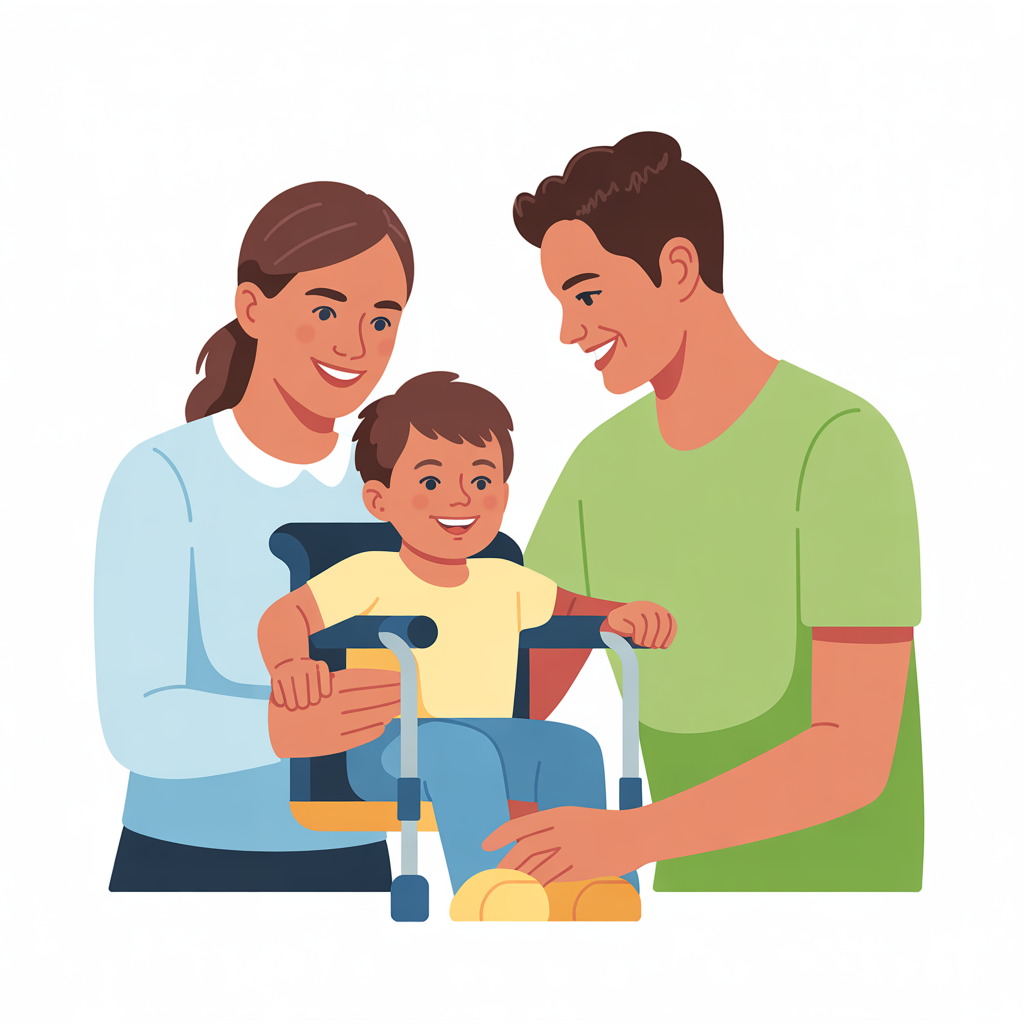
Cerebral palsy (CP) is one of the most common motor disabilities in childhood, affecting movement, muscle tone, and posture. It results from abnormal brain development or damage to the developing brain, most often occurring before or during birth, or in the first years of life. Understanding the early signs and symptoms of cerebral palsy is crucial for timely diagnosis and intervention, which can significantly improve quality of life for those affected. While cerebral palsy is a lifelong condition, recognizing its symptoms early can make a meaningful difference in managing its impact. Below is a comprehensive overview of the most common symptoms associated with cerebral palsy.
1. Muscle Stiffness or Spasticity
One of the hallmark symptoms of cerebral palsy is spasticity — a condition characterized by stiff, tight muscles that make movement difficult and sometimes painful. This is the most common type of muscle tone abnormality seen in CP, affecting approximately 80% of people with the condition.
- The muscles may feel rigid and resistant to movement, especially during stretching.
- Spasticity often affects the legs more than the arms, leading to a characteristic “scissor gait” where the knees cross while walking.
- In severe cases, it can lead to joint deformities and contractures over time if not properly managed.
- The affected limbs may appear stiff even during rest, and voluntary movements may be jerky or uncoordinated.
Spasticity can vary greatly in severity from person to person. Some individuals experience mild stiffness in one limb, while others may have significant tightness throughout the entire body.
2. Poor Muscle Tone (Hypotonia)
While spasticity involves abnormally high muscle tone, some individuals with cerebral palsy experience the opposite — hypotonia, or abnormally low muscle tone. This is particularly common in infants and young children with CP.
- Babies with hypotonia may feel “floppy” when held, as though their muscles cannot support their body weight.
- They may have difficulty holding up their head, sitting upright, or maintaining any posture without support.
- Feeding difficulties can arise due to weak oral muscles, making it hard to suck or swallow properly.
- Reflexes may appear diminished or absent in hypotonic individuals.
Hypotonia in early infancy is often one of the first signs that leads parents and pediatricians to suspect a neurological issue such as cerebral palsy.
3. Abnormal Gait and Walking Difficulties
Many children with cerebral palsy develop distinctive walking patterns that differ significantly from typical development. These gait abnormalities are often among the most visually noticeable symptoms of CP.
- Toe walking: Walking on the tips of the toes rather than with the full foot flat on the ground.
- Crouch gait: Walking with bent knees and hips, which places excessive strain on joints.
- Scissor gait: The knees and thighs cross or touch when walking, resembling scissors.
- Asymmetric gait: One side of the body moves differently from the other, often seen in hemiplegia.
Some children with CP may not be able to walk independently at all and may rely on assistive devices such as walkers, crutches, or wheelchairs. The type and severity of gait abnormalities depend on which areas of the brain are affected and how extensively.
4. Delays in Motor Development Milestones
A significant red flag for cerebral palsy is a child’s failure to reach developmental milestones related to physical movement at expected ages. Parents and caregivers should watch for the following delays:
- Not rolling over by 6 months of age
- Not sitting without support by 9 months
- Not crawling by 12 months
- Not walking independently by 18 months to 2 years
- Difficulty using both hands equally, or showing a strong preference for one hand very early (before age 1)
It is important to note that developmental delays alone do not confirm a diagnosis of cerebral palsy. However, persistent delays across multiple milestones, especially when combined with other symptoms, warrant prompt medical evaluation.
5. Involuntary Movements (Dyskinesia)
Some individuals with cerebral palsy experience uncontrolled, involuntary movements, a symptom group known as dyskinesia. This type of CP — called dyskinetic or athetoid cerebral palsy — involves irregular, writhing, or twisting movements that the person cannot consciously control.
- Athetosis: Slow, writhing, worm-like movements, particularly in the hands and feet.
- Chorea: Rapid, jerky, random movements that appear almost dance-like.
- Dystonia: Sustained muscle contractions that cause twisting movements or abnormal postures.
These involuntary movements often become more pronounced when the person is trying to perform an intentional action or is emotionally stressed, and may decrease during sleep. They can significantly interfere with daily activities such as eating, writing, and self-care.
6. Problems with Balance and Coordination (Ataxia)
Ataxic cerebral palsy affects the cerebellum — the part of the brain responsible for balance and coordination. People with ataxic CP often appear unsteady and have difficulty with precise, controlled movements.
- Walking may appear unsteady, with a wide-legged, staggering gait similar to that of someone who is intoxicated.
- Fine motor tasks such as writing, buttoning a shirt, or picking up small objects may be challenging.
- The individual may have difficulty with depth perception or judging distances accurately.
- Tremors — rhythmic, involuntary shaking — may occur when attempting to reach for or hold objects (intention tremors).
Ataxic CP is less common than spastic CP, accounting for roughly 5–10% of all cerebral palsy cases. Despite this, its impact on daily functioning can be considerable.
7. Speech and Communication Difficulties
Cerebral palsy frequently affects the muscles involved in speech production, leading to a range of communication challenges. This condition, when it affects speech, is referred to as dysarthria.
- Speech may be slurred, slow, or difficult to understand due to poor control of the mouth, tongue, and throat muscles.
- Some children with CP may have delayed speech development, saying few or no words by the expected age.
- Drooling is common and results from difficulty controlling the muscles of the mouth and throat.
- In some cases, CP may affect language comprehension as well as expression, depending on the area of brain involvement.
It’s important to distinguish between speech difficulties caused by motor problems (dysarthria) and language difficulties caused by cognitive involvement. Many individuals with CP have average or above-average intelligence but struggle to express themselves due to physical limitations in speech production.
8. Swallowing and Feeding Difficulties (Dysphagia)
Dysphagia, or difficulty swallowing, is a common and often underappreciated symptom of cerebral palsy. It can affect individuals of all ages but is especially challenging in infants and young children.
- Infants may have difficulty latching, sucking, or swallowing during breastfeeding or bottle feeding.
- Feeding may take an unusually long time, with the child becoming easily fatigued.
- Food or liquid may come out of the mouth or nose during feeding.
- Choking or gagging on food and liquids is a frequent concern.
- Poor weight gain and malnutrition can result from inadequate caloric intake due to feeding difficulties.
Aspiration — the entry of food or liquid into the airway — is a serious complication of dysphagia in CP and can lead to aspiration pneumonia. Proper assessment by a speech-language pathologist or feeding specialist is essential for managing this symptom safely.
9. Seizures and Epilepsy
Seizures are a common co-occurring condition in individuals with cerebral palsy, affecting approximately 30–50% of people with CP. They occur because of the same underlying brain abnormalities that cause CP.
- Seizures in CP can take many forms, including absence seizures, tonic-clonic seizures, and focal seizures.
- They may manifest as sudden staring episodes, jerking limbs, temporary loss of consciousness, or unusual sensations.
- The frequency and severity of seizures vary widely among individuals.
- In some cases, seizures may be difficult to control and require careful medical management. Always consult a qualified physician before starting or adjusting any seizure-related medication.
Seizure activity can further affect learning, behavior, and daily functioning. Any suspected seizure in a child should be evaluated promptly by a healthcare professional.
10. Intellectual and Learning Disabilities
While many individuals with cerebral palsy have normal intelligence, a significant proportion experience cognitive and intellectual challenges. The degree of intellectual disability, if present, depends largely on the extent and location of brain damage.
- Learning difficulties may affect attention, memory, reasoning, and problem-solving abilities.
- Children with CP may require specialized educational support and individualized learning plans.
- Intellectual disability may be mild, moderate, or severe, and is not universal across all people with CP.
- It is critical not to assume intellectual limitation based solely on a CP diagnosis, as many individuals with CP have significant intellectual capabilities.
Behavioral challenges such as attention deficit hyperactivity disorder (ADHD), anxiety, and emotional dysregulation are also more common in children with CP than in the general population.
11. Vision and Hearing Problems
Sensory impairments, particularly in vision and hearing, are frequently associated with cerebral palsy due to the widespread nature of brain involvement.
- Strabismus (crossed eyes): Misalignment of the eyes is one of the most common visual problems in CP, affecting how the brain processes visual information.
- Nystagmus: Involuntary, rapid eye movements that can affect focus and visual clarity.
- Visual field defects: Reduced ability to see in certain areas of the visual field.
- Hearing loss: Sensorineural hearing loss is more prevalent among individuals with CP than in the general population, particularly in those whose CP resulted from neonatal jaundice or infection.
Regular vision and hearing screenings are an important part of monitoring the health of children with cerebral palsy, as undetected sensory impairments can significantly compound developmental and learning difficulties.
12. Pain and Musculoskeletal Problems
Chronic pain is one of the most frequently reported and least addressed symptoms among individuals living with cerebral palsy. It often worsens with age and can arise from multiple sources.
- Muscle pain due to persistent spasticity or sustained abnormal postures.
- Joint pain from overuse, malalignment, or the development of arthritis at a younger-than-usual age.
- Hip dislocation or subluxation, which is common in children with severe spasticity and can be a significant source of pain.
- Scoliosis — abnormal curvature of the spine — occurs frequently in CP and can cause back pain and respiratory problems.
- Headaches and gastrointestinal pain (such as from constipation or reflux) are also commonly reported.
Pain in CP is often underreported, particularly in individuals who have difficulty communicating. Caregivers and clinicians should be attentive to behavioral changes that may indicate pain, such as increased irritability, changes in posture, or resistance to movement.
Main Causes of Cerebral Palsy
Cerebral palsy is caused by abnormal brain development or damage to the developing brain. This can occur before birth (prenatal), during birth (perinatal), or shortly after birth (postnatal). The most common causes and risk factors include:
- Prenatal brain damage: Infections during pregnancy (such as rubella, cytomegalovirus, or Zika virus), bleeding in the brain, or structural brain abnormalities can damage the developing nervous system.
- Premature birth: Babies born before 37 weeks of gestation are at significantly higher risk, as their brains are still developing and more vulnerable to injury.
- Birth asphyxia: Lack of oxygen to the baby’s brain during labor and delivery (perinatal asphyxia) is a well-known cause, though it accounts for only a minority of cases.
- Neonatal jaundice (kernicterus): Severe, untreated jaundice in newborns can lead to brain damage and dyskinetic cerebral palsy.
- Brain infections in infancy: Bacterial meningitis or viral encephalitis occurring in the first years of life can damage brain tissue and result in CP.
- Traumatic brain injury: Head injuries in infancy, including those resulting from accidents or non-accidental trauma (such as shaken baby syndrome), can cause CP.
- Multiple pregnancies: Twins, triplets, or higher-order multiples carry a greater risk of CP, partly due to increased likelihood of premature birth.
- Genetic and metabolic factors: In a small proportion of cases, genetic mutations or metabolic disorders affecting brain development have been identified as contributing factors.
In many cases, no single definitive cause can be identified, and CP is often the result of a combination of factors that disrupted normal brain development.
Prevention of Cerebral Palsy
While not all cases of cerebral palsy can be prevented, certain measures may reduce the risk of brain damage during prenatal, perinatal, and postnatal periods:
- Seek regular prenatal care: Early and consistent prenatal visits help monitor the health of both mother and baby and can identify risk factors early.
- Get vaccinated: Vaccination before and during pregnancy protects against infections such as rubella that can damage the developing fetal brain.
- Avoid harmful substances: Refraining from alcohol, tobacco, and illicit drugs during pregnancy reduces the risk of complications that can harm the developing brain.
- Manage maternal health conditions: Keeping chronic conditions such as diabetes, high blood pressure, and thyroid disorders well-controlled during pregnancy reduces risk.
- Prevent premature birth: Working with healthcare providers to address risk factors for preterm labor can help reduce the incidence of premature births and associated CP risk.
- Treat newborn jaundice promptly: Ensuring that neonatal jaundice is monitored and treated effectively prevents the escalation to kernicterus.
- Protect against head injuries in infancy: Always using appropriate car seats, never shaking a baby, and ensuring safe environments help prevent traumatic brain injury in young children.
- Practice safe infant care: Placing babies on their backs to sleep and using baby-safe furniture reduces the risk of accidental injury.
Frequently Asked Questions (FAQ)
What is cerebral palsy?
Cerebral palsy (CP) is a group of neurological disorders that permanently affect movement, muscle tone, and motor skills. It is caused by damage to or abnormal development of the brain, most commonly occurring before, during, or shortly after birth. It is the most common motor disability in childhood.
Is cerebral palsy a progressive disease?
No. Cerebral palsy itself is a non-progressive condition, meaning the brain injury or abnormality that caused it does not worsen over time. However, the secondary effects — such as muscle tightness, joint problems, and pain — can change and sometimes intensify as a person grows older.
Can a person with cerebral palsy live a normal life?
Yes, many people with cerebral palsy live full, meaningful, and independent lives. The quality of life varies depending on the severity of the condition and the types of support available. With appropriate therapies, assistive technology, and community support, many individuals with CP achieve significant independence and participate actively in society.
At what age is cerebral palsy usually diagnosed?
Cerebral palsy is typically diagnosed within the first two years of life, though in mild cases, diagnosis may not occur until age 4 or 5. Early signs may include delayed motor milestones, abnormal muscle tone, and feeding difficulties in infancy.
Is cerebral palsy hereditary?
In most cases, cerebral palsy is not inherited. The majority of cases are caused by environmental factors such as brain injury or infection. However, research has identified certain genetic mutations that may predispose some individuals to CP, particularly in cases where no clear environmental cause is found.
What are the early signs of cerebral palsy in a baby?
Early signs may include: floppiness or stiffness in the body, poor head control, difficulty feeding, delayed rolling over or sitting, excessive irritability, and asymmetric use of limbs. If you notice any of these signs, it is important to consult a pediatrician as soon as possible.
Can cerebral palsy affect intelligence?
It can, but it does not always do so. Many people with cerebral palsy have average or above-average intelligence. Whether intellectual disability is present depends on which areas of the brain are affected. CP primarily affects motor function, not intellect, in many individuals.
References: