
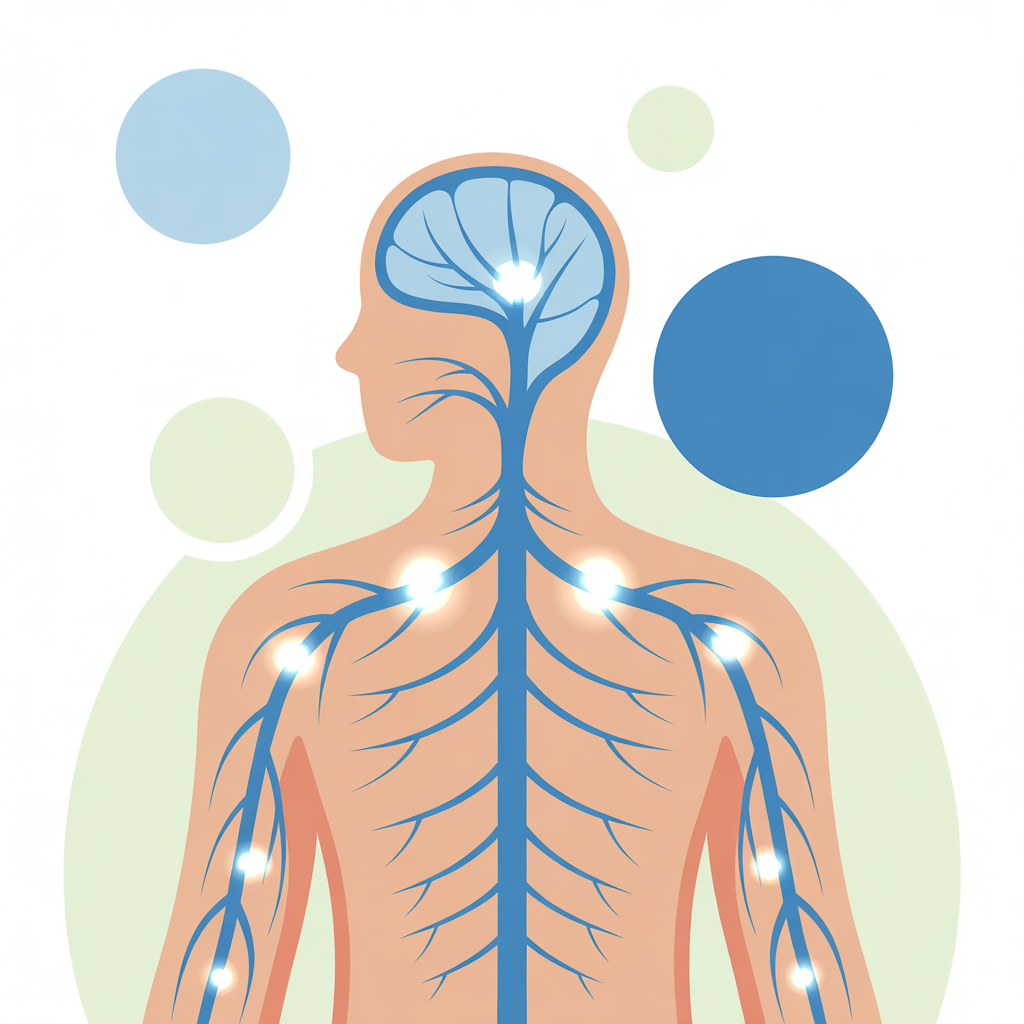
Multiple sclerosis (MS) is a chronic, often unpredictable disease of the central nervous system that affects the brain, spinal cord, and optic nerves. In MS, the immune system mistakenly attacks the protective myelin sheath that covers nerve fibers, causing communication problems between the brain and the rest of the body. Over time, this damage can lead to permanent deterioration or loss of nerve function.
MS affects more than 2.8 million people worldwide and is more commonly diagnosed in women than in men, often appearing between the ages of 20 and 40. Because its symptoms can vary widely from person to person, MS is sometimes called the “disease of a thousand faces.” Recognizing the early signs of MS is crucial for timely medical evaluation and better long-term outcomes.
In this article, we outline the 15 most common symptoms of multiple sclerosis, explore what causes the disease, and answer the most frequently asked questions about MS.
15 Common Symptoms of Multiple Sclerosis
1. Fatigue
Fatigue is one of the most prevalent and debilitating symptoms of MS, affecting up to 80% of people with the condition. Unlike ordinary tiredness, MS-related fatigue is often described as an overwhelming exhaustion that is not relieved by rest or sleep.
- It can appear suddenly and worsen throughout the day, especially in the afternoon.
- Heat and humidity may significantly intensify fatigue in MS patients (known as the Uhthoff phenomenon).
- This type of fatigue can interfere with daily work, social activities, and overall quality of life.
- It is often unrelated to how physically active the person has been.
MS fatigue is different from general tiredness and should be taken seriously as a medical symptom. If unexplained, persistent fatigue is affecting your daily life, consult a healthcare professional for evaluation.
2. Vision Problems
Visual disturbances are often among the earliest signs of MS and can affect one or both eyes. They occur when inflammation damages the optic nerve (a condition known as optic neuritis) or the nerve pathways controlling eye movement.
- Blurred or hazy vision: Objects may appear unclear or out of focus, even with corrective lenses.
- Double vision (diplopia): Two images of a single object may be seen simultaneously.
- Eye pain: Pain when moving the eyes, especially associated with optic neuritis.
- Loss of color vision: Colors may appear washed out or less vivid, particularly in one eye.
- Involuntary eye movements (nystagmus): Rapid, uncontrolled movements of the eyes.
Vision problems in MS can come and go during relapses and remissions. Any sudden or unexplained change in vision warrants prompt medical attention.
3. Numbness and Tingling
Numbness or tingling sensations — often described as “pins and needles” — are extremely common early symptoms of MS. These abnormal sensations occur due to disrupted nerve signaling caused by myelin damage.
- Numbness can affect the face, arms, legs, fingers, or trunk.
- Sensations may feel like a burning, buzzing, or electric shock running through the body.
- A unique phenomenon known as Lhermitte’s sign — a brief, electric shock-like sensation that travels down the spine and into the limbs when the neck is bent forward — is a classic indicator of MS.
- These symptoms can be mild and temporary or severe and persistent.
While tingling can have many causes, recurring or widespread numbness in combination with other symptoms should always be evaluated by a neurologist.
4. Muscle Weakness
Weakness in the limbs is a hallmark symptom of multiple sclerosis. It results from damage to the nerve pathways that carry signals from the brain to the muscles, reducing their ability to function properly.
- Weakness most commonly affects the legs, making walking difficult and unsteady.
- People may notice difficulty climbing stairs, lifting objects, or performing fine motor tasks.
- In some cases, arm and hand weakness can make writing, typing, or holding objects challenging.
- Muscle weakness may worsen with fatigue or heat exposure.
It is important to distinguish between general muscle weakness and the kind caused by neurological damage. A neurologist can assess the nature and origin of muscle weakness through physical and imaging examinations.
5. Spasticity and Muscle Stiffness
Spasticity refers to muscle stiffness, involuntary muscle spasms, and a feeling of tightness in the muscles, usually in the legs. It is one of the most common physical symptoms seen in MS patients.
- Muscles may feel constantly tight or difficult to move freely.
- Sudden, involuntary spasms can cause jerking movements, especially in the legs.
- Spasticity can occur at any time but is often worse at night, potentially disrupting sleep.
- It can contribute to pain, difficulty walking, and reduced mobility.
- In severe cases, it can lead to changes in posture and gait.
Spasticity is best managed through guided physiotherapy and stretching exercises recommended by a healthcare provider.
6. Balance Problems and Dizziness
People with MS often experience difficulty with balance and coordination, which can significantly increase the risk of falls and injury. Dizziness and vertigo are also frequently reported symptoms.
- Ataxia: A lack of coordination that affects walking, standing, or using the hands. Movements may appear clumsy or unsteady.
- Vertigo: A false sensation of spinning or movement, similar to motion sickness.
- Unsteady gait: Difficulty walking in a straight line or maintaining balance on uneven surfaces.
- Balance issues may worsen with fatigue, heat, or rapid changes in body position.
These symptoms are related to damage in the cerebellum or brainstem — areas of the brain that control coordination and balance. Physical therapy focusing on balance training can be highly beneficial.
7. Bladder and Bowel Dysfunction
Bladder and bowel problems affect approximately 80% of people with MS at some point. These symptoms arise when nerve signals between the brain and bladder or bowel are disrupted.
Bladder symptoms include:
- Frequent and urgent need to urinate
- Difficulty fully emptying the bladder (urinary retention)
- Urinary incontinence (accidental leaking)
- Nocturia (waking up frequently at night to urinate)
Bowel symptoms include:
- Constipation (the most common bowel issue in MS)
- Bowel incontinence or urgency
- Difficulty controlling bowel movements
These issues can be embarrassing but are medically important. They can often be managed through dietary changes, hydration strategies, pelvic floor exercises, and medical guidance.
8. Cognitive Problems
Cognitive changes affect roughly 50–70% of people with MS. These changes are related to lesions in the brain that interfere with information processing. While MS rarely causes severe dementia, it can significantly impact mental performance in daily life.
- Memory difficulties: Trouble remembering recent events, names, or appointments.
- Slowed processing speed: Taking longer than usual to understand or respond to information.
- Concentration issues: Difficulty focusing on tasks, reading, or following conversations.
- Word-finding problems: Struggling to recall the right words during speaking or writing.
- Planning and organization difficulties: Challenges in multitasking and managing complex activities.
These “invisible symptoms” can be frustrating and are often misunderstood by others. Cognitive rehabilitation programs led by neuropsychologists may help individuals develop compensatory strategies.
9. Pain
Pain is a frequently underreported but significant symptom of MS. It can be either neuropathic (caused by nerve damage) or musculoskeletal (caused by muscle and joint strain due to altered movement patterns).
- Trigeminal neuralgia: Severe, stabbing facial pain that can occur suddenly and feel like an electric shock.
- Dysesthesia: Abnormal, unpleasant sensations — such as burning, aching, or squeezing — often in the legs or trunk.
- MS hug (girdle sensation): A tightening or squeezing sensation around the torso, sometimes confused with cardiac or respiratory issues.
- Headaches: More common in people with MS than in the general population.
- Back and joint pain: Often secondary to changes in posture, gait, or spasticity.
Pain in MS is real and should never be dismissed. Always consult a doctor to determine the source of pain and explore appropriate pain management strategies.
10. Speech and Swallowing Difficulties
When MS affects the areas of the brain that control speech and swallowing, patients may develop problems with verbal communication and eating. These symptoms, though less common, can be serious.
- Dysarthria: Slurred, slow, or abnormally paced speech that can be difficult to understand.
- Dysphonia: Changes in voice quality, including hoarseness or a nasal tone.
- Scanning speech: Abnormal speech pattern with pauses between words or syllables.
- Dysphagia (swallowing difficulties): Difficulty swallowing food or liquids, which can increase the risk of choking or aspiration pneumonia.
Speech-language therapists can provide valuable strategies for managing communication and swallowing difficulties in people with MS.
11. Emotional and Mood Changes
MS can profoundly affect a person’s emotional well-being. These changes may be a direct result of neurological damage or an emotional response to living with a chronic illness.
- Depression: The most common psychiatric symptom of MS, affecting up to 50% of patients during their lifetime. It is significantly more common in MS than in most other chronic diseases.
- Anxiety: Feelings of worry, fear, and panic that can be disproportionate to the situation.
- Mood swings: Sudden, unpredictable changes in emotional state.
- Pseudobulbar affect (PBA): Involuntary episodes of laughing or crying that are inconsistent with the person’s actual emotional state.
- Irritability: Increased sensitivity and frustration, often connected to fatigue and cognitive difficulties.
Mental health support, including counseling and support groups, is an essential part of managing life with MS. These symptoms deserve the same attention as physical symptoms.
12. Sexual Dysfunction
Sexual dysfunction is a common yet rarely discussed symptom of MS. It can result from direct neurological damage (primary dysfunction), or be secondary to other MS symptoms such as fatigue, spasticity, or emotional distress.
- In women: Decreased genital sensitivity, difficulty achieving orgasm, reduced vaginal lubrication, and pain during intercourse.
- In men: Erectile dysfunction, difficulty maintaining an erection, and delayed ejaculation.
- Both genders may experience reduced sexual desire (libido) and altered body image due to physical changes.
Sexual health is an important component of overall well-being. People experiencing these symptoms are encouraged to speak openly with their healthcare provider or a sexual health specialist.
13. Heat Sensitivity
Many people with MS are extremely sensitive to heat — a phenomenon known as Uhthoff’s phenomenon. Even a slight rise in body temperature can temporarily worsen MS symptoms.
- Symptoms such as blurred vision, fatigue, weakness, and cognitive difficulties can significantly intensify in hot environments.
- Activities like taking a hot shower, exercising vigorously, or being in hot weather can trigger or worsen symptoms.
- This occurs because elevated temperatures slow or block nerve conduction in already-damaged nerve fibers.
- Importantly, these temperature-related symptoms are usually temporary and resolve once the body cools down.
Strategies such as staying in air-conditioned environments, wearing cooling vests, drinking cold water, and avoiding hot baths can help manage heat sensitivity.
14. Tremors
Tremors — involuntary rhythmic shaking movements — affect a significant number of MS patients and can range from mild to severe. They are caused by lesions in the cerebellum or the nerve pathways connecting it to other brain regions.
- Intention tremor: The most common type in MS, occurring during voluntary movement (e.g., reaching for a glass) and typically worsening as the hand nears its target.
- Tremors may affect the hands, arms, head, or legs.
- They can impair fine motor skills, handwriting, eating, and self-care activities.
- MS-related tremors can be worsened by fatigue, stress, or heat exposure.
Tremors in MS can be one of the more challenging symptoms to manage and can significantly impact independence and quality of life. Occupational therapists can provide adaptive tools and techniques to help.
15. Walking Difficulties (Gait Problems)
Difficulty walking is one of the most visible and impactful symptoms of MS. It affects the majority of people with MS at some point in their disease course and is the result of a combination of other symptoms working together.
- Contributing factors include: muscle weakness, spasticity, impaired balance, numbness in the feet, fatigue, and tremors.
- Foot drop: Weakness in the ankle makes it difficult to lift the front of the foot, causing it to drag along the ground when walking.
- People may develop a wide-based or unsteady gait to compensate for balance issues.
- Walking difficulties can worsen with heat, fatigue, or during relapses.
- Assistive devices such as canes, walkers, or ankle-foot orthoses (AFOs) may become necessary.
Regular physiotherapy and targeted exercise programs can help maintain and improve walking ability in people with MS for as long as possible.
Main Causes of Multiple Sclerosis
The exact cause of MS is not yet fully understood, but researchers believe it is a multifactorial disease, meaning it results from a combination of genetic, environmental, and immunological factors. Here are the primary contributing factors:
- Immune system dysfunction: MS is classified as an autoimmune disease. The immune system mistakenly identifies myelin — the protective sheath around nerve fibers — as a foreign substance and attacks it, causing inflammation and damage.
- Genetic predisposition: MS is not directly inherited, but having a first-degree relative with MS increases the risk. Certain genes related to immune function appear to play a role in susceptibility.
- Vitamin D deficiency: Low levels of vitamin D — often associated with limited sun exposure — have been consistently linked to a higher risk of developing MS. This may explain why MS is more prevalent in regions far from the equator.
- Environmental factors: Geographic location plays a significant role. MS is much more common in countries farther from the equator, such as Northern Europe, Canada, and the northern United States.
- Viral infections: Certain viral infections, particularly the Epstein-Barr virus (EBV) — which causes infectious mononucleosis — have been strongly linked to MS risk. EBV may trigger an abnormal immune response that contributes to myelin damage.
- Sex and hormones: MS is approximately two to three times more common in women than in men, suggesting that sex hormones and related biological differences may influence susceptibility to the disease.
- Smoking: Studies show that smokers are significantly more likely to develop MS and experience faster disease progression compared to non-smokers.
- Obesity: Being obese, particularly during adolescence, has been associated with an increased risk of developing MS, possibly due to its effects on immune regulation and inflammation.
Prevention of Multiple Sclerosis
Since MS involves complex genetic and immune factors, there is currently no guaranteed way to prevent it. However, research suggests that certain lifestyle habits may help reduce risk or slow progression in those predisposed to the disease:
- Maintain adequate vitamin D levels: Spend time outdoors in sunlight and eat foods rich in vitamin D (such as fatty fish, fortified dairy, and egg yolks). Consult your doctor about supplementation if needed.
- Quit smoking: Avoiding tobacco use is one of the most impactful steps you can take, as smoking is a known risk factor for both developing MS and experiencing more severe disease progression.
- Eat a balanced diet: A diet rich in anti-inflammatory foods — including fruits, vegetables, whole grains, and healthy fats (such as omega-3 fatty acids) — may support overall immune health.
- Exercise regularly: Regular physical activity supports immune function, maintains a healthy weight, and reduces inflammation.
- Maintain a healthy weight: Particularly during childhood and adolescence, avoiding obesity may contribute to a lower risk of developing autoimmune conditions like MS.
- Manage stress: Chronic stress can dysregulate immune function. Mindfulness, meditation, yoga, and other stress-management techniques may be beneficial.
- Monitor and treat viral infections promptly: While the link between viruses and MS is still being studied, maintaining good general health and immune resilience is always advisable.
Frequently Asked Questions (FAQ) About Multiple Sclerosis
Q: What is multiple sclerosis (MS)?
A: Multiple sclerosis is a chronic autoimmune disease of the central nervous system in which the immune system attacks and damages the myelin sheath surrounding nerve fibers, disrupting communication between the brain and the body. This can result in a wide range of physical, cognitive, and emotional symptoms.
Q: What are the early signs of MS in women?
A: Early signs of MS in women commonly include unexplained fatigue, vision problems (often in one eye), numbness or tingling in the limbs or face, difficulty with balance, and muscle weakness. Women may also notice mood changes or cognitive difficulties early in the disease course. MS is diagnosed two to three times more frequently in women than in men.
Q: Are MS symptoms different in men compared to women?
A: The core symptoms of MS — such as fatigue, vision problems, and numbness — are largely similar in men and women. However, men with MS tend to experience faster disability progression and are more likely to develop the progressive form of the disease. Women may be more affected by mood and cognitive symptoms, and hormonal fluctuations (such as pregnancy or menstrual cycles) can temporarily influence symptom severity.
Q: What causes multiple sclerosis in females?
A: The exact cause is not fully understood, but in females, MS risk is linked to a combination of immune system dysregulation, genetic factors, low vitamin D levels, Epstein-Barr virus infection, smoking, and hormonal influences. The higher prevalence in women suggests that estrogen and other sex-related biological factors may play a role in disease susceptibility.
Q: Is multiple sclerosis a fatal disease?
A: MS itself is rarely directly fatal. Most people with MS have a near-normal life expectancy. However, complications from severe MS — such as infections from immobility or swallowing difficulties — can affect longevity. Quality of life depends greatly on disease type, progression, and how well symptoms are managed.
Q: Can multiple sclerosis be cured?
A: Currently, there is no cure for MS. However, there are various disease-modifying therapies and symptom management strategies that can slow progression, reduce relapses, and improve quality of life. Always consult a neurologist or MS specialist for personalized medical guidance before starting any treatment.
Q: How is MS diagnosed?
A: MS is diagnosed through a combination of medical history, neurological examination, MRI brain and spinal cord imaging, cerebrospinal fluid (CSF) analysis (lumbar puncture), and evoked potential tests. There is no single definitive test for MS; diagnosis requires meeting specific criteria and ruling out other conditions.
Q: Can MS symptoms come and go?
A: Yes. In the most common form of MS — relapsing-remitting MS (RRMS) — symptoms flare up during relapses and then partially or fully subside during remission periods. This pattern of worsening and improvement is one of the defining characteristics of the condition.
Q: At what age does MS usually begin?
A: MS most commonly develops between the ages of 20 and 40, though it can occur at any age. Pediatric MS (onset in children) and late-onset MS (after age 50) are less common but do occur.
Q: Is MS hereditary?
A: MS is not a directly inherited disease, but genetics does play a role. Having a close relative with MS increases your risk. However, the vast majority of people with a family history of MS never develop the condition, indicating that environmental and lifestyle factors are equally important.
References: