
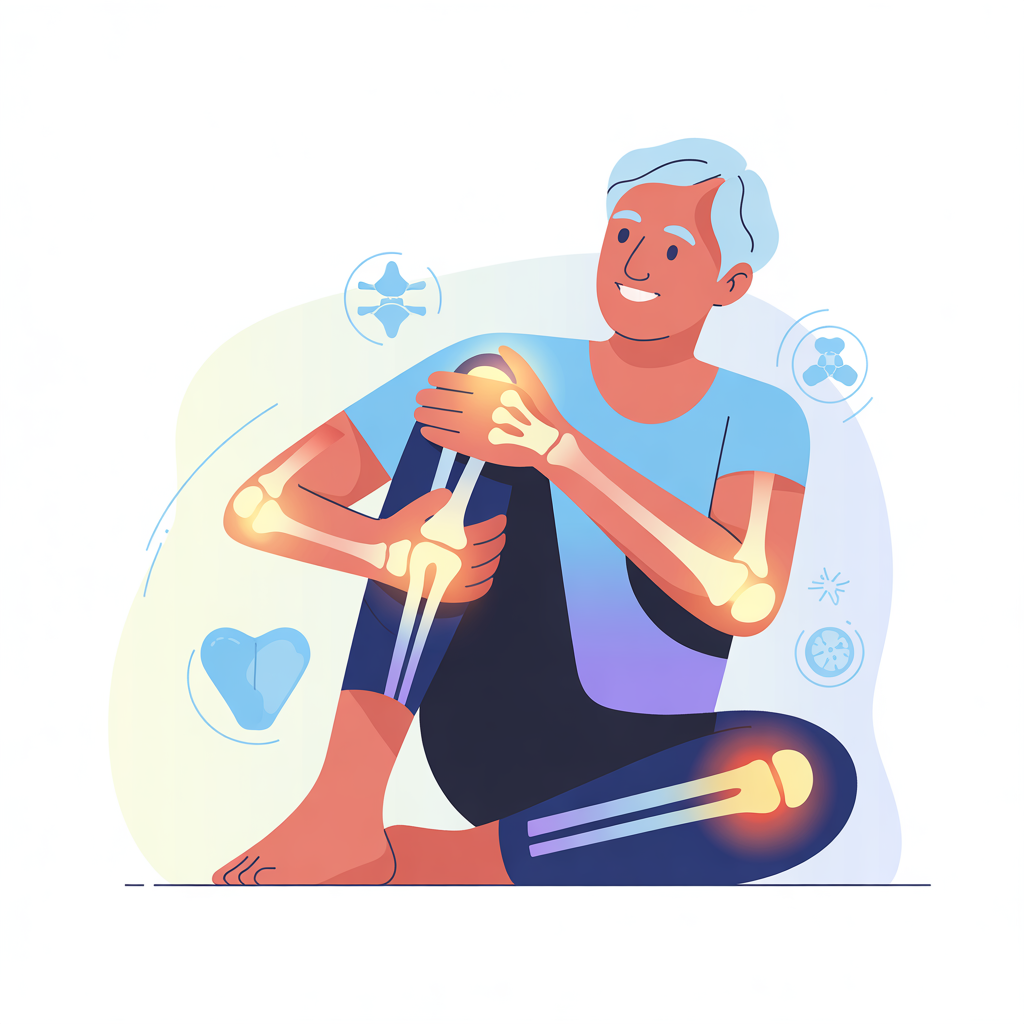
Arthritis is one of the most widespread health conditions in the world, affecting millions of people of all ages, genders, and backgrounds. Despite being so common, many people dismiss its early warning signs as normal aches or simply “getting older.” But understanding what arthritis feels like — and recognizing its symptoms early — can make a significant difference in managing the condition and protecting your quality of life.
There are over 100 different types of arthritis, with osteoarthritis and rheumatoid arthritis being the most prevalent. While each type has its own characteristics, many share overlapping symptoms that affect the joints, muscles, and overall well-being. In this article, we break down the most important arthritis symptoms you need to know, along with the main causes and tips for prevention.
1. Joint Pain
Joint pain is the hallmark symptom of arthritis and often the first sign that something is wrong. This pain can range from a mild, dull ache to a sharp, debilitating sensation that interferes with daily activities.
- Location: Pain can occur in any joint — knees, hips, hands, wrists, ankles, shoulders, or the spine.
- Pattern: In osteoarthritis, pain tends to worsen with activity and improve with rest. In rheumatoid arthritis, pain is often present even at rest.
- Character: The pain may be described as burning, throbbing, or grinding, especially when moving the affected joint.
Many people ask, “What does arthritis feel like?” — the most honest answer is that it starts as occasional discomfort and gradually becomes a persistent, limiting pain that affects movement and independence.
2. Joint Stiffness
Stiffness is another highly recognizable arthritis symptom. People with arthritis often feel their joints are difficult to move, especially after periods of inactivity.
- Morning stiffness: A classic sign of rheumatoid arthritis is stiffness that lasts for more than 30 minutes to an hour after waking up in the morning.
- After sitting: Even sitting in a chair for a long period can cause stiffness in the knees, hips, or lower back upon standing.
- Seasonal effect: Many arthritis patients report that stiffness worsens in cold or damp weather conditions.
Unlike the brief stiffness healthy individuals might feel after exercise, arthritis-related stiffness is prolonged, recurring, and often accompanied by other symptoms.
3. Swelling Around the Joints
Inflammation is at the core of arthritis, and visible swelling around one or more joints is a direct result of this inflammatory process. The tissues inside the joint become irritated and produce excess fluid, causing the area to appear puffy or enlarged.
- The skin over the swollen joint may feel warm to the touch.
- Swelling can make it difficult to bend the joint fully or perform fine motor tasks like buttoning a shirt.
- In rheumatoid arthritis, swelling typically affects joints symmetrically — for example, both hands or both knees at the same time.
- Swelling may fluctuate, being more noticeable during flare-ups and reduced during periods of remission.
4. Redness and Warmth of the Skin Over Joints
When inflammation is active in the joints, blood flow to the surrounding tissues increases, which can cause the skin over the joint to appear red and feel noticeably warm compared to surrounding areas.
This symptom is particularly common in:
- Rheumatoid arthritis — during active flare-ups
- Gout — a type of arthritis caused by uric acid crystal buildup, where redness can be intense and sudden
- Psoriatic arthritis — often accompanied by skin changes as well
If you notice persistent redness and warmth over a joint without any recent injury, it is important to seek medical evaluation as it may indicate active inflammation that requires attention.
5. Decreased Range of Motion
As arthritis progresses, the affected joints may lose their full range of motion. This means you may find it increasingly difficult to perform movements that were once simple and effortless.
- Difficulty fully bending or straightening the knee
- Trouble raising the arm above the shoulder level
- Inability to make a complete fist or fully extend the fingers
- Restricted rotation of the neck or lower back
This limitation occurs because joint cartilage breaks down over time (in osteoarthritis) or because chronic inflammation damages the joint lining (in rheumatoid arthritis), resulting in structural changes that limit movement. Over time, reduced range of motion can significantly affect independence and daily functioning.
6. Fatigue and General Tiredness
Fatigue is a frequently underestimated arthritis symptom, especially in autoimmune forms like rheumatoid arthritis, lupus arthritis, and psoriatic arthritis. It goes far beyond ordinary tiredness — it is a deep, persistent exhaustion that does not improve significantly with sleep or rest.
- The body’s immune system is constantly working in overdrive to fight perceived threats, which drains energy.
- Chronic pain itself is physically and mentally exhausting, contributing to feelings of fatigue.
- Fatigue can also be linked to anemia, which is sometimes associated with inflammatory arthritis conditions.
- People may experience decreased motivation, difficulty concentrating, and emotional exhaustion alongside physical tiredness.
7. Tenderness When Touching the Joint
Even light pressure on or around an arthritic joint can cause pain or discomfort. This tenderness is a direct sign of inflammation in the joint tissues, tendons, and ligaments surrounding the area.
You might notice:
- Wincing or pain when a healthcare provider gently presses on the joint during examination
- Discomfort when wearing tight shoes (indicating foot or ankle involvement)
- Sensitivity in finger joints when gripping objects
Tenderness, combined with other symptoms like swelling or warmth, is an important clinical indicator that inflammation is active in the joint.
8. Grinding or Clicking Sensation in the Joints
A grinding, clicking, or crunching sensation — medically known as crepitus — is commonly reported by people with arthritis, particularly osteoarthritis. This occurs because the protective cartilage that cushions the ends of bones gradually wears away, causing bones to rub against each other.
- You may hear or feel a clicking or grating sound when bending the knee, moving the hip, or rotating the neck.
- The sensation is often painless at first but can become increasingly uncomfortable as the condition progresses.
- Crepitus in the knees is one of the most commonly reported signs among older adults with osteoarthritis.
9. Joint Deformity
In more advanced or long-standing cases of arthritis, particularly rheumatoid arthritis, visible changes in the shape of joints can develop. This happens when persistent inflammation causes damage to the cartilage, bone, and supporting structures of the joint.
- Boutonnière deformity and swan-neck deformity are examples seen in the fingers of rheumatoid arthritis patients.
- Knees may develop a bowlegged or knock-kneed appearance due to uneven cartilage loss.
- The joints may look enlarged, misaligned, or visibly distorted.
Joint deformity is a serious indicator that the disease has been active for some time. Early diagnosis and proper management are critical to slowing or preventing this progression.
10. Flu-Like Symptoms and Fever
In inflammatory types of arthritis — especially rheumatoid arthritis and other autoimmune-related forms — patients may experience systemic (whole-body) symptoms that resemble the flu. These include:
- Low-grade fever that comes and goes
- General malaise — an overall sense of feeling unwell
- Loss of appetite and unintentional weight loss
- Muscle aches that extend beyond the joints
These systemic symptoms occur because the immune system is actively producing inflammatory chemicals (cytokines) that affect the entire body, not just the joints. If you experience these symptoms alongside joint pain and swelling, it is important to consult a healthcare professional promptly.
Main Causes of Arthritis
Understanding what causes arthritis can help with early identification and lifestyle adjustments. The causes vary depending on the type of arthritis:
- Age: The risk of developing osteoarthritis increases significantly with age as cartilage naturally wears down over time.
- Genetics: A family history of arthritis increases your likelihood of developing certain types, particularly rheumatoid arthritis and osteoarthritis.
- Autoimmune dysfunction: In rheumatoid arthritis and similar conditions, the immune system mistakenly attacks the body’s own joint tissues, causing chronic inflammation.
- Previous joint injuries: Injuries from sports, accidents, or repetitive strain can damage cartilage and increase the risk of arthritis later in life.
- Excess body weight: Being overweight puts additional stress on weight-bearing joints like the knees, hips, and spine, accelerating cartilage breakdown.
- Gender: Women are more likely to develop rheumatoid arthritis, while gout is more common in men.
- Infections: Certain bacterial or viral infections can trigger reactive arthritis or worsen existing joint conditions.
- Metabolic factors: Elevated uric acid levels in the blood can lead to gout, a painful form of arthritis caused by crystal deposits in the joints.
How to Help Prevent Arthritis
While not all forms of arthritis can be fully prevented — especially those with strong genetic or autoimmune components — there are several evidence-based strategies that can significantly reduce your risk or slow the progression of joint problems:
- Maintain a healthy weight: Reducing excess body weight decreases the mechanical load on your joints, especially the knees and hips.
- Stay physically active: Low-impact exercises such as swimming, cycling, and walking strengthen the muscles around joints and improve flexibility without causing excessive wear.
- Protect your joints from injury: Use proper techniques during physical activity and at work. Wear appropriate protective gear during sports to minimize the risk of joint injuries.
- Eat an anti-inflammatory diet: Foods rich in omega-3 fatty acids (such as fatty fish), antioxidants (found in colorful fruits and vegetables), and whole grains may help reduce inflammation throughout the body.
- Avoid smoking: Smoking has been shown to increase the risk of developing rheumatoid arthritis and can worsen existing arthritis symptoms.
- Limit alcohol consumption: Excessive alcohol intake raises uric acid levels, increasing the risk of gout.
- Get regular check-ups: Early detection of joint changes allows for timely intervention that can slow disease progression significantly.
Frequently Asked Questions (FAQ)
What is arthritis?
Arthritis is a broad term referring to inflammation of one or more joints. It encompasses over 100 different conditions, with the most common types being osteoarthritis (caused by cartilage breakdown) and rheumatoid arthritis (an autoimmune condition). It causes pain, swelling, stiffness, and reduced range of motion in the affected joints.
What does arthritis feel like?
Arthritis typically feels like a persistent aching, throbbing, or burning pain in the joints. Many people describe morning stiffness that makes it hard to move after waking up, a grinding or clicking sensation in the joints, and fatigue that doesn’t go away with rest. The severity varies from mild discomfort to severe, disabling pain.
Who can get arthritis?
Arthritis can affect people of any age, including children (juvenile arthritis), but it is more common in adults over 50. Women are more likely to develop rheumatoid arthritis, while gout is more prevalent in men. People with a family history of arthritis or previous joint injuries are at higher risk.
Is arthritis the same as joint pain?
Not exactly. Joint pain can have many causes, such as muscle strains, bursitis, or injuries. Arthritis is a specific medical condition involving inflammation or degeneration of the joint itself. However, joint pain is one of the primary symptoms of arthritis.
When should I see a doctor about arthritis symptoms?
You should consult a healthcare professional if you experience persistent joint pain lasting more than a few weeks, noticeable swelling or redness around a joint, significant stiffness in the morning, or if your symptoms are interfering with daily activities. Early diagnosis is key to better outcomes. Always consult your doctor before starting any treatment or medication.
Can young people get arthritis?
Yes. While arthritis is more common in older adults, it can affect younger people too. Rheumatoid arthritis can develop at any age, and juvenile idiopathic arthritis specifically affects children and teenagers. Psoriatic arthritis and other inflammatory forms can also appear in adults under 40.
References: