
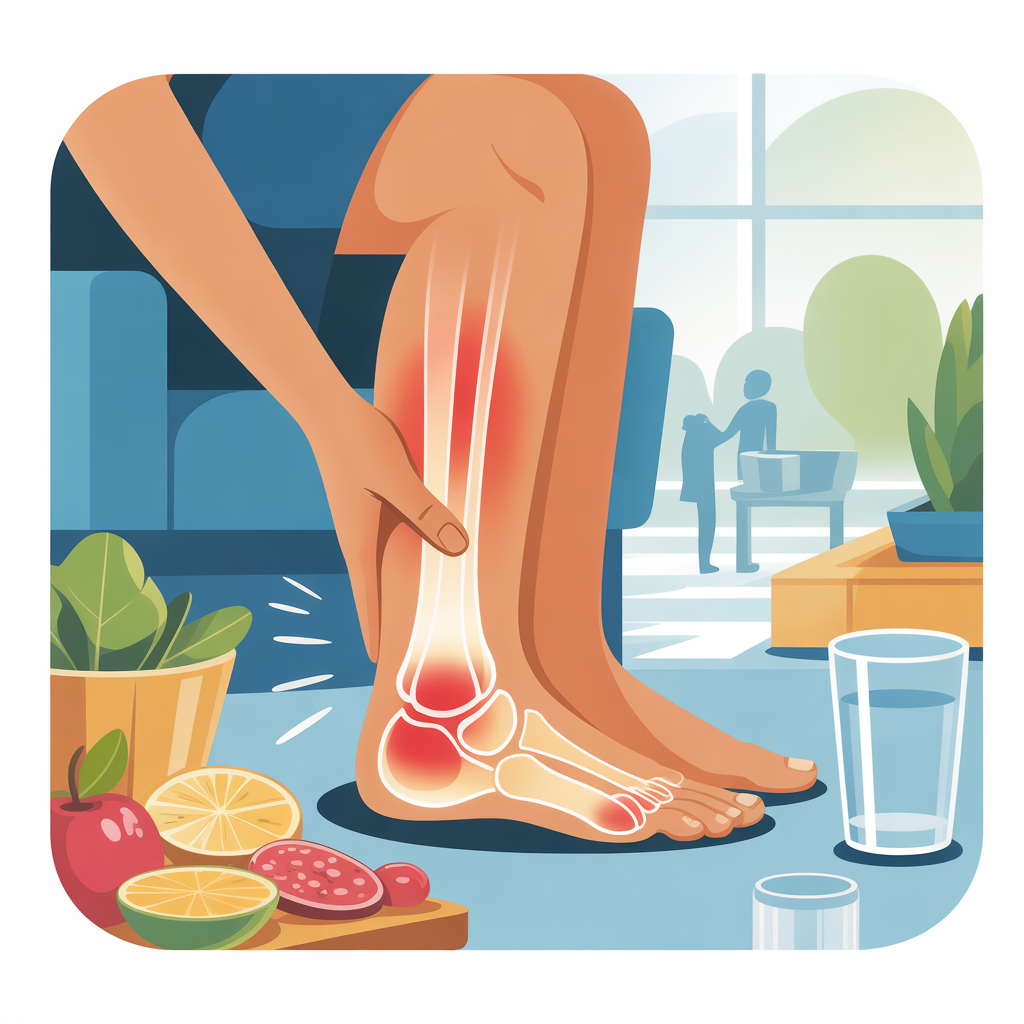
Gout is a form of inflammatory arthritis caused by the buildup of uric acid crystals in the joints. It is one of the most painful conditions a person can experience, often striking suddenly and without warning — especially at night. While gout commonly affects the big toe, it can also impact the ankles, knees, wrists, and fingers. Understanding the symptoms of gout early is crucial for managing the condition before it leads to serious complications. In this article, we break down the most common gout symptoms, what causes them, and how you can reduce your risk.
1. Intense, Sudden Joint Pain
The hallmark symptom of gout is a sudden, severe episode of joint pain that often begins without warning. Many people describe it as one of the worst pains they have ever felt. The pain typically:
- Peaks within the first 4–12 hours after onset
- Feels like the joint is being stabbed, burned, or crushed
- Often begins at night or in the early morning hours
- Is so severe that even the light weight of a bed sheet on the joint becomes unbearable
This extreme pain is caused by the immune system reacting to sharp, needle-like uric acid crystals that have deposited in the joint space. The inflammatory response triggers an intense cascade of pain signals.
2. Swelling of the Affected Joint
Along with pain, noticeable swelling is a consistent and classic symptom of gout. The affected joint becomes visibly enlarged due to inflammation. This swelling occurs because:
- White blood cells rush to the joint to fight off uric acid crystals, causing fluid accumulation
- The surrounding soft tissues become inflamed and engorged
Swelling can be severe enough to limit movement and make wearing shoes or normal footwear nearly impossible. In some cases, the swollen joint may feel tight and stretched to the point of discomfort even without direct pressure.
3. Redness and Warmth Over the Joint
Gout-affected joints often appear strikingly red or purplish in color, making them look inflamed at a glance. The skin over the joint typically feels warm or even hot to the touch. This symptom combination — redness and warmth — is a direct result of increased blood flow to the area as the body mounts an inflammatory response. The redness can sometimes be so pronounced that it is mistaken for a skin infection or cellulitis, which is why proper diagnosis is important.
4. Tenderness and Sensitivity to Touch
During a gout attack, the affected joint becomes extraordinarily sensitive. Even the slightest touch — such as a gentle brush from clothing or bedsheets — can cause excruciating discomfort. This extreme tenderness is clinically known as hyperalgesia and is one of the most distinguishing characteristics of a gout flare-up. Patients often report that they cannot walk, wear shoes, or bear any pressure on the affected area during an acute attack.
5. Gout in the Big Toe (Podagra)
The big toe is by far the most commonly affected joint in gout. This specific manifestation is medically termed podagra. Uric acid crystals tend to accumulate in the big toe because:
- It is one of the coolest areas of the body — lower temperatures promote uric acid crystallization
- The joint experiences high mechanical stress during walking
- Blood circulation is relatively slower in the extremities
Gout in the big toe typically causes the toe to appear red, swollen, and shiny. The joint at the base of the big toe (first metatarsophalangeal joint) is most often involved. Walking or standing becomes extremely difficult during a flare.
6. Limited Range of Motion
As gout progresses — especially in cases of recurring or chronic gout — the affected joints may begin to lose their normal range of motion. This happens because:
- Repeated inflammation causes damage to the joint cartilage and surrounding tissues
- Deposits of uric acid crystals (called tophi) can form lumps around the joint, physically restricting movement
- Scar tissue can develop over time, further stiffening the joint
In early-stage gout, range of motion typically returns to normal once the flare subsides. However, without treatment or lifestyle changes, permanent joint damage and lasting immobility can occur.
7. Gout Flare-Ups That Come and Go (Episodic Attacks)
One of the defining features of gout is its episodic nature. After the first acute attack, the joint may feel completely normal — a phase called intercritical gout. However, without intervention, future attacks are almost certain and tend to:
- Occur more frequently over time
- Last longer with each episode
- Affect more joints simultaneously
- Become increasingly difficult to manage
Common triggers for gout flare-ups include consuming high-purine foods (like red meat and shellfish), drinking alcohol (especially beer), dehydration, sudden illness or surgery, and certain medications. Recognizing your personal triggers is a key step in reducing the frequency of attacks.
8. Formation of Tophi (Uric Acid Crystal Deposits)
In chronic, long-standing gout, uric acid crystals can accumulate under the skin and form hard, chalky white lumps known as tophi. These deposits commonly appear around:
- The fingers and knuckles
- The elbows
- The rim of the ears
- The Achilles tendon
- The toes and feet
Tophi are generally not painful on their own but can become tender and inflamed during a gout flare. Over time, they can cause visible deformity, damage surrounding tissue, and even break through the skin. Their presence signals that gout has progressed to an advanced stage and requires medical attention.
9. Kidney Problems (Kidney Stones)
High levels of uric acid in the blood do not only affect the joints — they can also lead to kidney complications. When uric acid accumulates in the kidneys, it can form uric acid kidney stones, which may cause:
- Severe pain in the back, side, or lower abdomen
- Pain during urination
- Blood in the urine (hematuria)
- Nausea and vomiting
- Frequent urge to urinate
People with gout are at a significantly higher risk of developing kidney stones compared to the general population. In severe, untreated cases, chronic high uric acid levels may even contribute to kidney disease over time. This underscores the importance of managing uric acid levels not just for joint health, but for overall kidney function.
10. Fever and General Malaise During Acute Attacks
During a severe gout flare, some individuals experience systemic symptoms beyond just joint pain. These may include:
- Low-grade fever — the body temperature may rise slightly as the immune system fights the uric acid crystals
- Fatigue and weakness — the inflammatory process can drain energy
- General feeling of being unwell (malaise) — similar to how one feels during an illness
These symptoms are a sign that the body is experiencing significant systemic inflammation. If fever is high or accompanied by other concerning symptoms, it is important to consult a healthcare provider to rule out infection or other conditions.
11. Peeling and Itchy Skin After a Flare
As a gout attack begins to resolve, the affected skin may start to peel, flake, or feel itchy. This happens because the inflammation that caused the skin to stretch and redden begins to subside. The skin sheds its outer layer as part of the healing process. While this is generally harmless, it can be uncomfortable. This symptom is often a positive indicator that the acute flare is coming to an end.
12. Early Warning Signs Before a Full Gout Attack
Some people with gout report subtle warning signs that precede a full-blown flare-up. Recognizing these early-stage gout symptoms can allow for quicker intervention:
- A mild tingling or burning sensation in a joint — especially the big toe
- Slight stiffness in a joint, particularly in the morning
- Mild discomfort that seems disproportionate to any activity performed
- A feeling of unusual warmth in a specific joint
Paying attention to these early signals and making prompt lifestyle adjustments — such as increasing water intake, avoiding purine-rich foods, and resting — may help reduce the severity of an upcoming attack.
Main Causes of Gout
Gout occurs when uric acid levels in the blood become too high, a condition known as hyperuricemia. Uric acid is produced when the body breaks down purines — substances found naturally in the body and in many foods. When uric acid levels exceed what the kidneys can filter out, crystals begin to form and deposit in joints and tissues. Key causes and risk factors include:
- Diet high in purines: Foods like red meat, organ meats, shellfish, sardines, and anchovies are rich in purines and can elevate uric acid levels.
- Alcohol consumption: Beer and spirits are especially problematic as they both increase uric acid production and impair kidney excretion.
- Sugary drinks and fructose: High consumption of sugary sodas and fruit juices high in fructose has been linked to elevated uric acid.
- Obesity: Excess body weight causes the body to produce more uric acid and makes it harder for the kidneys to eliminate it.
- Medical conditions: High blood pressure, diabetes, metabolic syndrome, heart disease, and kidney disease all increase the risk of gout.
- Genetics: A family history of gout significantly raises an individual’s risk of developing the condition.
- Gender and age: Men are more likely to develop gout at a younger age. Women tend to develop it after menopause, as estrogen helps the kidneys excrete uric acid.
- Dehydration: Not drinking enough water reduces the kidneys’ ability to flush out uric acid effectively.
- Certain medications: Diuretics (water pills) and some other medications can increase uric acid levels as a side effect. Always consult your doctor before starting or stopping any medication.
How to Prevent Gout
While gout cannot always be entirely prevented — especially when there is a strong genetic component — adopting healthy habits can significantly reduce the frequency and severity of gout flare-ups:
- Stay well hydrated: Drink plenty of water every day (aim for at least 8 glasses) to help the kidneys flush out uric acid efficiently.
- Follow a low-purine diet: Limit consumption of red meat, organ meats, shellfish, and other high-purine foods. Focus on fruits, vegetables, whole grains, and low-fat dairy products.
- Reduce alcohol intake: Especially beer and spirits. If you choose to drink, do so in moderation and always drink water alongside.
- Avoid sugary drinks: Cut back on sodas, fruit juices, and other beverages high in fructose.
- Maintain a healthy body weight: Even modest weight loss can help reduce uric acid levels. Avoid crash dieting, however, as rapid weight loss can temporarily spike uric acid levels.
- Exercise regularly: Moderate, consistent physical activity helps maintain a healthy weight and supports overall metabolic health. Avoid sudden bursts of intense exercise that can trigger a flare.
- Manage underlying health conditions: Work with your doctor to keep blood pressure, blood sugar, and cholesterol levels well controlled.
- Consult your doctor about medications: If you take medications that may raise uric acid levels, speak with your healthcare provider about possible alternatives or adjustments. Never stop or change medications without medical guidance.
Frequently Asked Questions (FAQs)
Q: What does gout feel like?
A: Gout typically feels like an intense, burning, or crushing pain in a joint — most often the big toe. The pain is sudden, severe, and usually worsens within hours. Even the slightest touch can feel unbearable during an acute attack.
Q: What is the main cause of gout?
A: The main cause of gout is high uric acid levels in the blood (hyperuricemia), which leads to the formation of uric acid crystals in the joints. This can result from a combination of diet, genetics, lifestyle habits, and underlying medical conditions.
Q: Can gout affect women?
A: Yes. While gout is more common in men, women can develop gout — particularly after menopause, when estrogen levels drop and the kidneys become less efficient at excreting uric acid.
Q: Can gout kill you?
A: Gout itself is rarely life-threatening, but if left untreated over many years, it can lead to serious complications such as chronic kidney disease, joint damage, and cardiovascular problems that can impact overall health and longevity. Early management is essential.
Q: How do you get gout?
A: Gout develops when uric acid accumulates in the blood faster than the kidneys can remove it. This can be triggered by a high-purine diet, excessive alcohol, obesity, certain medications, dehydration, and genetic predisposition.
Q: Is gout only in the foot?
A: No. While gout most commonly affects the big toe and feet, it can also affect the ankles, knees, wrists, elbows, and fingers. In chronic gout, multiple joints may be affected simultaneously.
Q: What are early-stage gout symptoms?
A: Early signs of gout may include mild tingling, warmth, or slight stiffness in a joint — especially the big toe. These subtle signals may precede a full-blown painful attack by hours or even days.
Q: What causes gout flare-ups?
A: Common triggers include eating high-purine foods, drinking alcohol (especially beer), dehydration, stress, illness, surgery, and certain medications. Identifying and avoiding personal triggers can help reduce flare frequency.
Q: Is gouty arthritis the same as gout?
A: Yes. Gouty arthritis is simply the medical term for the joint inflammation caused by gout. Both terms refer to the same condition characterized by uric acid crystal deposits in the joints.
Q: Should I see a doctor if I think I have gout?
A: Absolutely. Gout shares symptoms with other conditions such as infections and other forms of arthritis, so a proper diagnosis is essential. A doctor can confirm gout through blood tests and joint fluid analysis, and advise on appropriate management. Always consult a healthcare professional before taking any medication for gout.
References: