
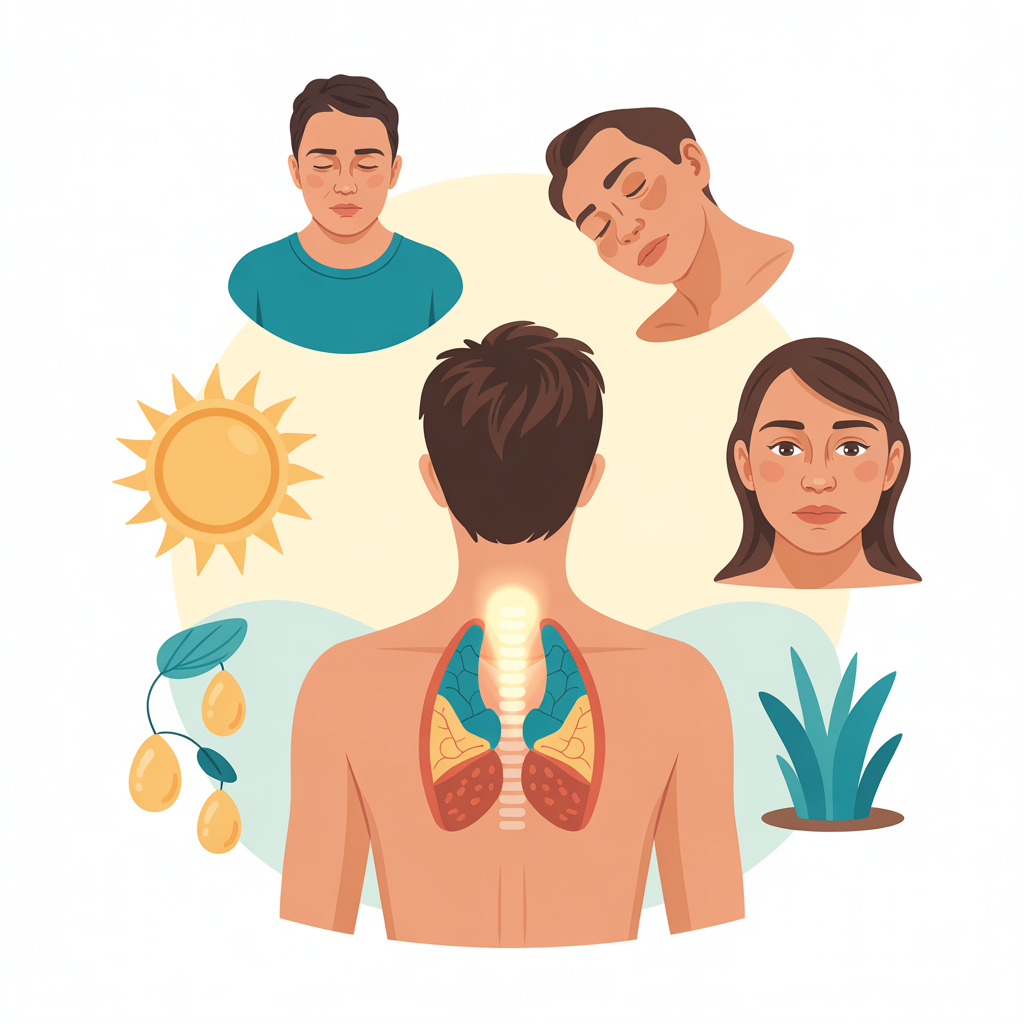
Addison’s disease — also known as primary adrenal insufficiency — is a rare but serious disorder that occurs when the adrenal glands, located just above the kidneys, do not produce enough of certain hormones, particularly cortisol and, in many cases, aldosterone. These hormones are essential for regulating metabolism, immune response, blood pressure, and the body’s reaction to stress.
Because its symptoms develop slowly and can mimic many other conditions, Addison’s disease is often overlooked or misdiagnosed for months or even years. It affects people of all ages and genders, though it is slightly more common in women. Left undiagnosed, it can lead to a life-threatening emergency known as an Addisonian crisis.
Understanding the warning signs is the first critical step toward getting a proper diagnosis. Below are the 12 key symptoms of Addison’s disease you should be aware of.
1. Extreme Fatigue and Weakness
One of the earliest and most persistent symptoms of Addison’s disease is an overwhelming sense of fatigue and muscle weakness. Unlike ordinary tiredness that improves with rest, this exhaustion is chronic and progressively worsens over time.
Cortisol plays a central role in energy regulation. When cortisol levels drop, the body loses its ability to efficiently convert food into energy, leaving individuals feeling drained even after a full night’s sleep. This fatigue often interferes with daily activities, work performance, and quality of life.
- Persistent tiredness that doesn’t improve with rest
- Generalized muscle weakness, especially in the limbs
- Difficulty completing routine physical tasks
2. Hyperpigmentation (Darkening of the Skin)
A hallmark and highly distinctive symptom of Addison’s disease is hyperpigmentation — an unusual darkening of the skin. This occurs because low cortisol triggers the pituitary gland to release excess ACTH (adrenocorticotropic hormone), which stimulates melanin production.
The darkening tends to appear most noticeably in specific areas of the body:
- Skin creases on the palms, knuckles, elbows, and knees
- Mucous membranes inside the mouth, lips, and gums
- Areas exposed to friction, such as the waistband or bra straps
- Scars that may appear darker than surrounding skin
This symptom is unique to primary adrenal insufficiency (Addison’s disease) and is not seen in secondary adrenal insufficiency, making it a valuable diagnostic clue.
3. Unexplained Weight Loss and Decreased Appetite
People with Addison’s disease frequently experience significant and unintentional weight loss. This is closely linked to a reduced appetite, nausea, and digestive disturbances that are common with the condition.
Cortisol is involved in regulating appetite and metabolism. When levels are chronically low, individuals may feel little desire to eat. Over time, the combination of inadequate nutrition and hormonal imbalance leads to noticeable weight loss and potential nutritional deficiencies.
- Loss of appetite without an obvious cause
- Progressive, unintentional weight loss over weeks or months
- Nausea and stomach discomfort that reduce food intake
4. Low Blood Pressure (Hypotension)
Addison’s disease causes low blood pressure (hypotension), often most pronounced when a person stands up quickly, a phenomenon known as orthostatic hypotension. This happens because aldosterone — another hormone produced by the adrenal glands — helps regulate the balance of sodium and water in the body, which directly affects blood pressure.
When aldosterone levels fall, the kidneys excrete too much sodium, leading to:
- A drop in blood pressure when standing (causing dizziness or lightheadedness)
- Feelings of faintness or near-fainting episodes
- Blurred vision or momentary loss of balance
In severe cases, extremely low blood pressure can become a medical emergency requiring immediate attention.
5. Salt Cravings
An intense and persistent craving for salty foods is one of the more distinctive symptoms of Addison’s disease. Because aldosterone deficiency leads to excessive loss of sodium through the kidneys, the body instinctively signals its need for more salt.
This craving is not merely a preference — it is a physiological response to the body’s sodium depletion. Individuals may find themselves reaching for salty snacks, adding extra salt to meals, or craving foods like chips, pickles, and processed meats far more than usual.
While mild salt cravings are common in the general population, sudden, extreme, and persistent cravings alongside other symptoms should raise concern and prompt medical evaluation.
6. Nausea, Vomiting, and Abdominal Pain
Gastrointestinal symptoms are very common in people with Addison’s disease and can be some of the most disruptive aspects of the condition. Patients often report:
- Nausea — a near-constant feeling of queasiness, especially in the morning
- Vomiting — which may be triggered by stress, illness, or simply eating
- Abdominal pain or cramping — often described as dull aches in the middle or lower abdomen
- Diarrhea — contributing to dehydration and further electrolyte imbalance
These symptoms occur because cortisol has anti-inflammatory and regulatory effects on the gastrointestinal tract. Without adequate cortisol, the digestive system becomes dysregulated. During an Addisonian crisis, these gastrointestinal symptoms become severe and may be accompanied by dangerously low blood pressure.
7. Hypoglycemia (Low Blood Sugar)
Cortisol plays a vital role in maintaining blood sugar levels by stimulating the liver to produce glucose. In Addison’s disease, the lack of cortisol can lead to hypoglycemia — abnormally low blood glucose levels.
Symptoms of low blood sugar associated with adrenal insufficiency include:
- Shakiness and trembling
- Sweating and pallor
- Difficulty concentrating or mental confusion
- Irritability or mood changes
- Headaches, particularly in the morning
Hypoglycemia in Addison’s disease tends to be more common in children and can be mistaken for other conditions. It is particularly dangerous if it occurs during periods of physical or emotional stress.
8. Mood Changes, Depression, and Irritability
The hormonal imbalances associated with Addison’s disease have a profound impact on mental and emotional well-being. Many patients experience significant psychological symptoms, including:
- Depression — persistent low mood, hopelessness, and loss of interest in daily activities
- Anxiety — heightened worry, nervousness, or a sense of impending doom
- Irritability and mood swings — difficulty managing emotions or reacting disproportionately to minor stressors
- Cognitive difficulties — problems with memory, concentration, and mental clarity (sometimes called “brain fog”)
Cortisol is intricately linked with brain function and emotional regulation. Low cortisol levels disrupt neurotransmitter activity and can significantly alter a person’s psychological state. These mental health symptoms are often underdiagnosed because they can appear unrelated to a physical illness.
9. Muscle and Joint Pain
Chronic, unexplained muscle aches and joint pain are frequently reported by individuals with Addison’s disease. Because cortisol has natural anti-inflammatory properties, its deficiency can allow inflammation to occur more freely throughout the body, leading to:
- Diffuse muscle pain and tenderness
- Stiffness and aching in the joints
- Weakness and cramping in the legs
- Back pain, particularly in the lower back
This pain is often described as a deep, persistent ache rather than acute sharp pain. It tends to worsen with physical activity or during periods of increased stress on the body.
10. Dehydration and Excessive Thirst
Because aldosterone deficiency causes the kidneys to excrete excess sodium, water follows the sodium out of the body, leading to significant dehydration. Patients may notice:
- Persistent thirst even after drinking fluids
- Dry mouth and cracked lips
- Decreased urine output or dark-colored urine in some cases
- Dizziness and fatigue worsened by dehydration
Dehydration in Addison’s disease also contributes to the dangerous drop in blood pressure that characterizes the condition and can accelerate an Addisonian crisis during periods of illness, heat, or physical exertion.
11. Loss of Body Hair (In Women)
The adrenal glands produce small amounts of androgens (male-type sex hormones) in both men and women. In women, these adrenal androgens contribute to the growth of body hair, particularly in the underarms and pubic region.
When the adrenal glands fail to function properly, androgen levels drop, which can lead to:
- Gradual thinning or loss of pubic and underarm hair
- Reduced body hair overall
- Decreased libido in some women
While this symptom is more noticeable in women (since male androgens are primarily produced in the testes), it can be a useful indicator when it occurs alongside other symptoms of adrenal insufficiency.
12. Addisonian Crisis — A Medical Emergency
An Addisonian crisis (also called an acute adrenal crisis) is the most severe manifestation of Addison’s disease and represents a life-threatening emergency. It typically occurs when the body is under significant stress — such as during a serious illness, surgery, injury, or extreme emotional stress — and the adrenal glands are completely unable to produce the cortisol needed to cope.
Warning signs of an Addisonian crisis include:
- Sudden and severe pain in the lower back, abdomen, or legs
- Profuse vomiting and diarrhea leading to rapid dehydration
- Dangerously low blood pressure and loss of consciousness
- Extreme weakness and inability to stand or move
- High fever
- Confusion, disorientation, or altered mental status
⚠️ An Addisonian crisis is a medical emergency. Call emergency services (911 or your local emergency number) immediately if you or someone else is experiencing these symptoms. Immediate medical intervention is critical to prevent organ failure and death.
Main Causes of Addison’s Disease
Addison’s disease results from damage to or dysfunction of the adrenal cortex (the outer layer of the adrenal glands). The most common causes include:
- Autoimmune disease (most common cause): The immune system mistakenly attacks the adrenal cortex, gradually destroying its hormone-producing cells. This accounts for approximately 70–90% of all cases in developed countries.
- Tuberculosis (TB): Historically the leading cause worldwide, tuberculosis can infect and damage the adrenal glands, and remains a significant cause in regions where TB is prevalent.
- Other infections: Fungal infections (such as histoplasmosis), HIV/AIDS-related infections, and other chronic infections can damage the adrenal glands.
- Cancer and metastases: Cancer cells spreading to the adrenal glands (metastatic cancer) from other parts of the body — such as lung, breast, or kidney cancer — can impair adrenal function.
- Bleeding into the adrenal glands (adrenal hemorrhage): Severe infection, blood-clotting disorders, or injury can cause bleeding into the adrenal glands, destroying tissue.
- Surgical removal of the adrenal glands: Adrenalectomy performed for certain medical conditions removes the source of hormone production.
- Genetic conditions: Rare inherited disorders such as congenital adrenal hyperplasia (CAH) or adrenoleukodystrophy can affect adrenal function.
- Long-term use of corticosteroid medications: Abruptly stopping long-term corticosteroid therapy (prescribed for other conditions) can trigger secondary adrenal insufficiency by suppressing the body’s natural cortisol production. Always consult a doctor before making any changes to prescribed medications.
Can Addison’s Disease Be Prevented?
Because the most common cause of Addison’s disease is an autoimmune process that is not yet fully understood, there is currently no known way to prevent the disease itself from occurring. However, there are important steps that can significantly reduce the risk of complications, particularly the dangerous Addisonian crisis:
- Early diagnosis: Being aware of the symptoms and seeking medical evaluation promptly is the most important preventive step. Early detection allows for proper management before a crisis occurs.
- Medical alert identification: People diagnosed with Addison’s disease are advised to wear a medical alert bracelet or carry a medical ID card so emergency responders are informed of their condition.
- Stress management: Learning to identify and manage physical and emotional stressors can help reduce the risk of triggering a crisis. During times of illness, injury, or significant stress, medical supervision is essential.
- Avoiding sudden medication changes: Never abruptly stop taking corticosteroid medications without consulting a doctor, as this can precipitate adrenal insufficiency.
- Regular medical follow-up: Ongoing monitoring and communication with a healthcare provider helps ensure the condition is being properly managed and adjusted as needed.
- Infection prevention: Practicing good hygiene and seeking prompt treatment for infections (including tuberculosis, where relevant) may help reduce risk of infection-related adrenal damage.
Frequently Asked Questions (FAQ)
Q: What is Addison’s disease?
A: Addison’s disease is a rare disorder in which the adrenal glands do not produce enough cortisol and, often, aldosterone. It is also called primary adrenal insufficiency and affects the body’s ability to respond to stress, regulate blood pressure, and maintain electrolyte balance.
Q: What are the first signs of Addison’s disease?
A: The earliest symptoms are typically chronic fatigue, muscle weakness, unexplained weight loss, and low blood pressure. In primary adrenal insufficiency, darkening of the skin (hyperpigmentation) is a distinctive early warning sign.
Q: What are the symptoms of low cortisol in females?
A: Women with low cortisol levels may experience extreme fatigue, depression, irregular periods, loss of body hair (pubic and underarm), decreased libido, weight loss, low blood pressure, and difficulty coping with stress. These symptoms often overlap with other hormonal conditions, making diagnosis challenging.
Q: What is an Addisonian crisis?
A: An Addisonian crisis is a life-threatening emergency caused by a sudden, severe drop in cortisol levels. It can be triggered by extreme physical stress such as illness, surgery, or trauma. Symptoms include severe abdominal pain, vomiting, dangerously low blood pressure, and loss of consciousness. Immediate emergency medical care is required.
Q: Is Addison’s disease the same as adrenal insufficiency?
A: They are related but not identical. Addison’s disease refers specifically to primary adrenal insufficiency, where the adrenal glands themselves are damaged. Adrenal insufficiency is a broader term that also includes secondary causes (such as pituitary gland problems) and tertiary causes (such as hypothalamic dysfunction).
Q: How is Addison’s disease diagnosed?
A: Diagnosis typically involves blood tests to measure cortisol and ACTH levels, a stimulation test (ACTH stimulation test) to assess adrenal response, and tests to check sodium, potassium, and blood sugar levels. Imaging tests may also be used to evaluate the adrenal glands.
Q: Can Addison’s disease go undetected for a long time?
A: Yes. Because symptoms develop gradually and are often vague, Addison’s disease can go undiagnosed for months or even years. It is frequently mistaken for depression, chronic fatigue syndrome, or gastrointestinal disorders. A high index of suspicion is needed, particularly when multiple symptoms are present together.
Q: Is Addison’s disease a serious condition?
A: Yes. Addison’s disease is a serious, lifelong condition. While it can be managed effectively with proper medical care, it requires ongoing attention. The greatest risk is an Addisonian crisis, which can be fatal without prompt treatment. Anyone with suspected symptoms should seek medical evaluation as soon as possible.
References:
- Mayo Clinic – Addison’s Disease: Symptoms & Causes
- NHS – Addison’s Disease
- National Institute of Diabetes and Digestive and Kidney Diseases (NIDDK) – Adrenal Insufficiency & Addison’s Disease
- MedlinePlus (U.S. National Library of Medicine) – Adrenal Gland Disorders
- Endocrine Society – Adrenal Insufficiency