
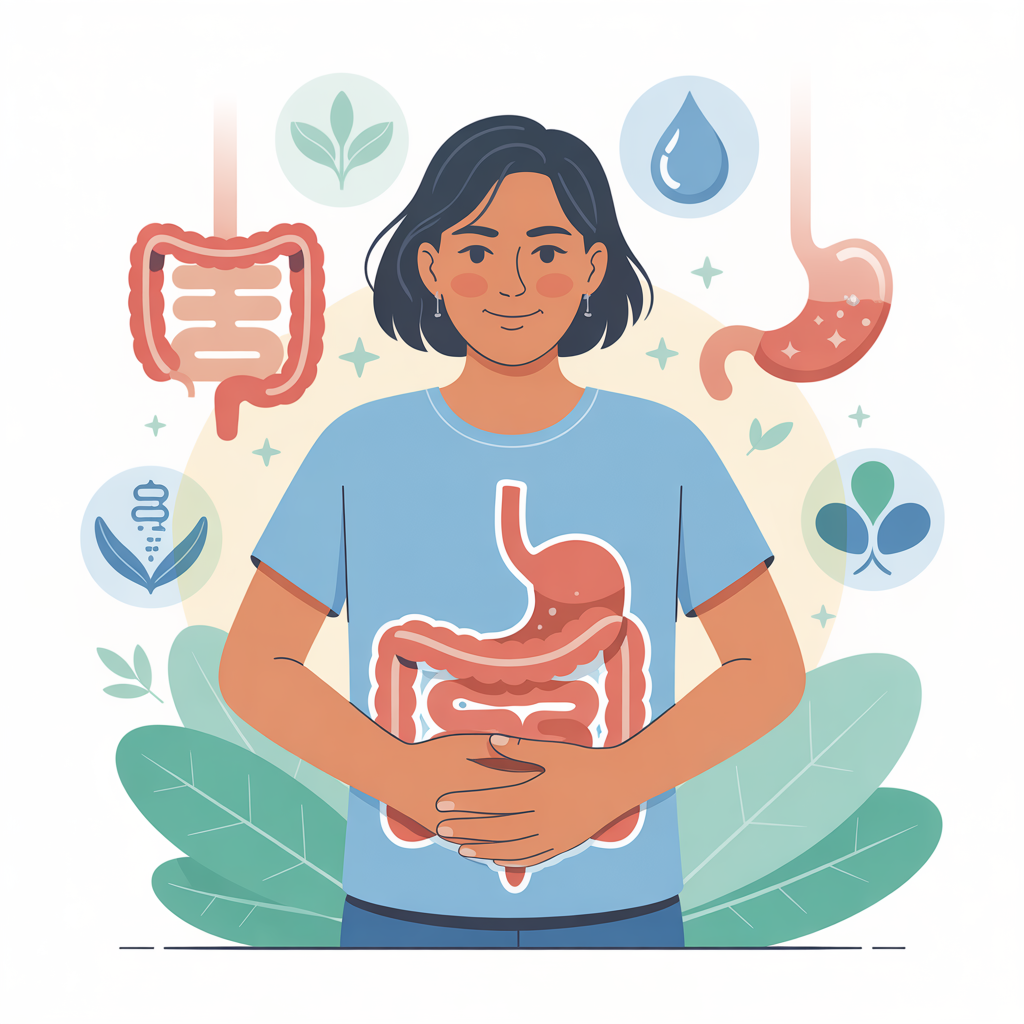
Crohn’s disease is a chronic inflammatory bowel disease (IBD) that causes inflammation in the digestive tract, affecting any part of the gastrointestinal system — from the mouth to the anus. Most commonly, it targets the small intestine and the beginning of the large intestine. The condition follows a cycle of flare-ups and remissions, meaning symptoms can range from mild to severely debilitating and may come and go over time.
Because many of its symptoms overlap with other digestive disorders, Crohn’s disease is often misdiagnosed or goes undetected for years. Recognizing the early warning signs is critical for timely diagnosis and better management of the condition. In this article, we break down 12 of the most common Crohn’s disease symptoms — including those more frequently reported in females — so you can better understand what your body might be telling you.
1. Persistent Abdominal Pain and Cramping
One of the hallmark symptoms of Crohn’s disease is recurring abdominal pain, typically located in the lower right area of the abdomen, though it can occur anywhere along the digestive tract. The pain is often described as cramping, aching, or sharp, and it may worsen after eating.
- Pain may range from mild discomfort to severe cramping that interferes with daily activities.
- It often occurs before or after bowel movements.
- During a flare-up, the pain can become constant and debilitating.
- Inflammation and ulceration in the intestinal walls are responsible for this chronic discomfort.
If you notice persistent abdominal pain that doesn’t resolve with typical remedies, it’s important to consult a healthcare professional for proper evaluation.
2. Chronic Diarrhea
Frequent, loose, and watery stools are among the most common and disruptive symptoms of Crohn’s disease. This occurs because inflammation in the intestines impairs the normal absorption of water and nutrients, causing the digestive system to move contents too quickly.
- Patients may experience six or more bowel movements per day during a flare.
- Diarrhea may be accompanied by mucus or blood.
- Urgency to use the bathroom can disrupt sleep and daily routines.
- Nocturnal diarrhea — waking up at night to have a bowel movement — is a red flag that should not be ignored.
Unlike short-term diarrhea caused by food or infection, Crohn’s-related diarrhea persists for weeks or even months and tends to return during flare-ups.
3. Rectal Bleeding and Blood in Stool
Inflammation and ulcers in the digestive lining can cause bleeding, which may appear as blood in the stool or on toilet paper. This is a symptom that always warrants medical attention.
- Blood in the stool may appear bright red (from the lower GI tract) or dark and tarry (from higher up in the intestine).
- Rectal bleeding may be accompanied by pain or pressure in the rectum.
- Repeated blood loss can eventually contribute to anemia.
Important: Rectal bleeding should never be self-diagnosed or ignored. It can be a sign of other serious conditions and must be evaluated by a doctor promptly.
4. Unintended Weight Loss
Many people with Crohn’s disease experience unexplained weight loss, even when they haven’t changed their diet or exercise habits. This happens for several reasons:
- Malabsorption: Inflammation prevents the intestines from properly absorbing calories, proteins, vitamins, and minerals.
- Reduced appetite: Pain and nausea make eating uncomfortable, leading people to eat less.
- Increased metabolic demands: Chronic inflammation increases the body’s energy requirements.
- In severe cases, patients may lose significant weight over a short period, leading to nutritional deficiencies and muscle wasting.
Unexplained weight loss of more than 5% of body weight over a period of 6 to 12 months is considered clinically significant and warrants medical investigation.
5. Fatigue and Low Energy
Fatigue is one of the most commonly reported yet most underestimated symptoms of Crohn’s disease. It goes far beyond ordinary tiredness and can significantly affect quality of life.
- Fatigue is often driven by chronic inflammation, which places the immune system under constant stress.
- Anemia resulting from blood loss or poor iron absorption contributes to exhaustion.
- Nutrient deficiencies — particularly in vitamin B12, iron, and folate — further deplete energy levels.
- Disrupted sleep caused by pain and frequent nighttime bathroom trips compounds the problem.
Fatigue in Crohn’s disease is not simply “feeling tired” — it can be overwhelming and may not improve with rest, making it one of the most disabling aspects of the condition.
6. Fever and Low-Grade Temperature
A low-grade fever (typically between 99°F and 100.4°F / 37.2°C–38°C) is a common sign that the body is fighting active inflammation or infection associated with Crohn’s disease.
- Fever may signal a disease flare-up or a complication such as an abscess or infection.
- It is often accompanied by fatigue, loss of appetite, and general malaise.
- High or persistent fever should be treated as a medical emergency, as it may indicate a serious complication.
Any unexplained recurring fever alongside other digestive symptoms should prompt a visit to a healthcare provider.
7. Nausea and Vomiting
Nausea is a frequent complaint among people with Crohn’s disease and can occur as a direct result of gut inflammation or as a side effect of the condition’s impact on digestion.
- Inflammation in the small intestine can slow the movement of food, causing a sensation of fullness and nausea.
- In cases where the disease causes a bowel obstruction, vomiting may occur.
- Nausea can make eating a dreaded activity, further contributing to weight loss and malnutrition.
- Some patients experience nausea after eating specific foods that irritate the inflamed intestinal lining.
8. Mouth Sores (Oral Ulcers)
Since Crohn’s disease can affect any part of the digestive tract — including the mouth — oral ulcers or canker sores are a recognized symptom. These sores appear on the inner lining of the cheeks, gums, or tongue.
- Mouth sores in Crohn’s disease tend to be more frequent, larger, and more painful than typical canker sores.
- They often appear during intestinal flare-ups and may resolve during remission.
- Nutritional deficiencies (such as low iron, B12, or zinc) associated with Crohn’s can also trigger or worsen mouth sores.
Recurring or unusually severe mouth ulcers, especially when combined with other digestive symptoms, can be an early warning sign of Crohn’s disease.
9. Perianal Complications
A distinguishing feature of Crohn’s disease — setting it apart from other forms of IBD — is its tendency to cause problems around the anus (perianal area). These complications can be among the most painful and distressing aspects of the disease.
- Anal fissures: Small tears in the skin around the anus, causing pain and bleeding during bowel movements.
- Abscesses: Pus-filled pockets near the anus that cause significant pain, swelling, and fever.
- Fistulas: Abnormal tunnel-like connections that form between the intestine and the skin around the anus or between loops of bowel. These can cause drainage of fluid or stool.
- Perianal symptoms may appear before intestinal symptoms become obvious, making them an important diagnostic clue.
10. Joint Pain and Inflammation (Arthritis)
Crohn’s disease is a systemic condition, meaning its effects are not limited to the digestive tract. Joint pain, swelling, and stiffness — collectively referred to as Crohn’s-related arthropathy — are among the most common extraintestinal manifestations.
- Peripheral arthritis typically affects large joints such as the knees, ankles, wrists, and elbows.
- Joint symptoms often flare alongside intestinal symptoms and may subside during remission.
- Axial arthropathy affects the spine and sacroiliac joints, causing lower back pain and stiffness that may be independent of intestinal activity.
- The underlying cause is believed to be the body’s misdirected immune response triggering inflammation in the joints.
11. Skin Problems
Skin manifestations are present in up to 15% of people with Crohn’s disease and are a reflection of the systemic inflammation driving the condition.
- Erythema nodosum: Painful, red, raised nodules that typically appear on the shins and are the most common skin complication of Crohn’s disease.
- Pyoderma gangrenosum: A more severe skin condition causing large, painful ulcers, usually on the legs.
- Skin tags near the anus are also common and may be mistaken for hemorrhoids.
- Skin symptoms often mirror the activity of intestinal disease, flaring when the gut is inflamed.
12. Symptoms Specific to Females (Women with Crohn’s Disease)
While Crohn’s disease affects both men and women, there are certain symptoms and complications that are more pronounced or uniquely experienced by females. Understanding these distinctions can help women seek timely diagnosis.
- Irregular or painful menstrual periods: Chronic inflammation and nutritional deficiencies can disrupt hormonal balance, leading to irregular cycles, heavier periods, or increased menstrual pain (dysmenorrhea).
- Fertility concerns: Active Crohn’s disease can reduce fertility, and women may experience difficulties conceiving during flare-ups.
- Rectovaginal fistulas: An abnormal connection between the rectum and vagina that can cause stool or gas to pass through the vagina — a distressing and painful complication more common in females.
- Pelvic pain: Inflammation in the lower abdomen can cause chronic pelvic pain, which may be mistaken for gynecological conditions.
- Increased susceptibility to osteoporosis: Malabsorption of calcium and vitamin D, combined with hormonal fluctuations, places women with Crohn’s at higher risk for bone density loss.
Women experiencing a combination of these symptoms alongside digestive complaints should discuss the possibility of Crohn’s disease with their doctor, as the condition is sometimes diagnosed later in females due to symptom overlap with other conditions.
What Causes Crohn’s Disease?
The exact cause of Crohn’s disease is not fully understood, but research points to a combination of factors that trigger and sustain abnormal immune activity in the gut:
- Immune system dysfunction: In Crohn’s disease, the immune system mistakenly attacks the cells of the digestive tract when responding to harmless bacteria or food, causing chronic inflammation.
- Genetic factors: Crohn’s disease runs in families. Having a first-degree relative (parent, sibling, or child) with the condition significantly increases your risk. More than 200 gene variants have been associated with the disease.
- Environmental triggers: Factors such as diet, exposure to certain bacteria or viruses, antibiotic use, and living in industrialized, urban environments appear to influence the development of the disease.
- Gut microbiome imbalance: An imbalance in the community of bacteria living in the intestines (dysbiosis) is believed to play a significant role in triggering inflammation.
- Smoking: Cigarette smoking is one of the most well-established environmental risk factors for Crohn’s disease. Smokers are twice as likely to develop the condition, and smoking worsens disease severity and increases the risk of complications.
- Age: Crohn’s disease can occur at any age, but it most commonly develops between the ages of 15 and 35.
- Previous infections: Certain intestinal infections may act as a trigger in genetically predisposed individuals.
Can Crohn’s Disease Be Prevented?
Because genetic and immune factors play a major role in Crohn’s disease, there is currently no guaranteed way to prevent it entirely. However, certain lifestyle choices may help reduce the risk of developing the condition or lessen the severity of flare-ups in those already diagnosed:
- Quit smoking: Stopping smoking is the single most impactful lifestyle change for reducing Crohn’s risk and improving outcomes for those already diagnosed.
- Maintain a balanced diet: A diet rich in fruits, vegetables, whole grains, and fiber supports a healthy gut microbiome. Avoiding highly processed foods, excess sugar, and trans fats may help reduce intestinal inflammation.
- Manage stress: While stress does not directly cause Crohn’s disease, it is a well-documented trigger for flare-ups. Techniques such as mindfulness, yoga, regular exercise, and adequate sleep can help manage stress levels.
- Avoid unnecessary antibiotic use: Antibiotics can disrupt the gut microbiome. Use them only when prescribed by a doctor and for the correct indication.
- Exercise regularly: Regular moderate physical activity supports immune function, reduces inflammation, and promotes gut health.
- Stay hydrated: Proper hydration supports digestive function and helps compensate for fluid loss during diarrhea episodes.
- Early medical consultation: If you experience recurring digestive symptoms, seeking early medical evaluation can lead to faster diagnosis and better management, preventing complications from advancing undetected.
Frequently Asked Questions (FAQ)
What is Crohn’s disease?
Crohn’s disease is a type of chronic inflammatory bowel disease (IBD) that causes long-lasting inflammation in the gastrointestinal tract. It can affect any part of the digestive system from the mouth to the anus, most commonly targeting the small intestine and the beginning of the large intestine.
What are the first signs of Crohn’s disease?
Early signs often include persistent diarrhea, abdominal cramping, unexplained weight loss, fatigue, and occasionally low-grade fever. These symptoms can be easy to dismiss as other conditions, which is why Crohn’s disease is frequently underdiagnosed in its early stages.
Is Crohn’s disease different in females?
Yes, women with Crohn’s disease may experience additional symptoms such as irregular periods, pelvic pain, rectovaginal fistulas, and a higher risk of osteoporosis due to nutritional deficiencies. Active disease can also affect fertility. These female-specific symptoms can sometimes delay diagnosis.
Can Crohn’s disease be cured?
Currently, there is no known cure for Crohn’s disease. However, effective management strategies exist to control symptoms, achieve remission, and maintain a good quality of life. Always consult a qualified gastroenterologist to develop an appropriate management plan tailored to your condition.
How is Crohn’s disease diagnosed?
Diagnosis typically involves a combination of blood tests, stool tests, imaging studies (such as CT scans or MRI), and endoscopic procedures (such as colonoscopy with biopsy). No single test can definitively confirm Crohn’s disease on its own — a combination of findings is usually required.
What triggers Crohn’s disease flare-ups?
Common triggers include stress, smoking, certain foods (such as high-fiber foods, dairy, fatty foods, or spicy foods), infections, and stopping prescribed treatments abruptly. Triggers vary widely from person to person, and keeping a symptom diary can help identify personal patterns.
Are Crohn’s disease and ulcerative colitis the same?
No. Both are types of inflammatory bowel disease, but they differ in important ways. Ulcerative colitis affects only the colon and rectum, while Crohn’s disease can affect any part of the digestive tract. The depth of inflammation also differs — Crohn’s affects all layers of the bowel wall, while ulcerative colitis typically affects only the innermost lining.
When should I see a doctor about my symptoms?
You should see a doctor if you experience persistent diarrhea lasting more than two weeks, blood in your stool, unexplained weight loss, severe abdominal pain, or recurrent fever. Early evaluation is essential for timely diagnosis and to prevent complications. Always consult a healthcare professional before taking any medication, as self-treatment can mask important symptoms and delay proper diagnosis.
References:
- Mayo Clinic – Crohn’s Disease: Symptoms and Causes
- NHS UK – Crohn’s Disease Symptoms
- Crohn’s & Colitis Foundation – What Is Crohn’s Disease?
- WebMD – Crohn’s Disease Symptoms
- Healthline – Crohn’s Disease Symptoms
- National Center for Biotechnology Information (NCBI) – Crohn’s Disease
- Centers for Disease Control and Prevention (CDC) – Inflammatory Bowel Disease (IBD)